
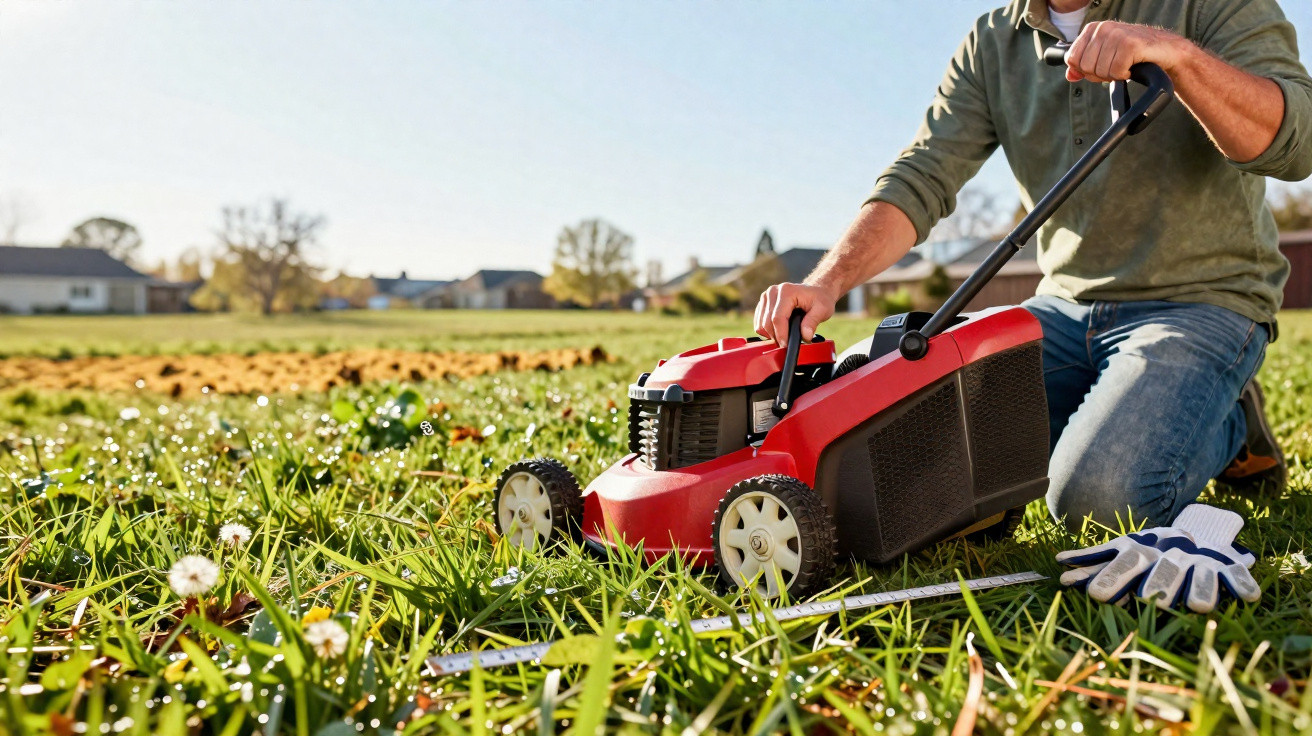
Many amateur gardeners have the best intentions when they start early in spring and cut the lawn “nice and short”. That is precisely where the hidden trap lies: anyone who ignores one crucial basic rule now can cause yellow patches, bare areas and a vulnerable lawn well into midsummer.
Why the first lawn cut in spring matters so much
Over winter, the lawn switches into a kind of energy-saving mode. Growth slows dramatically, while the blades act as an energy store that helps the roots survive frost and wet conditions. In spring, the lawn needs these reserves to get growing again.
As temperatures rise, important processes begin below ground: roots grow deeper, new side shoots develop and the turf should become denser. Using the wrong cutting method at this point severely holds the lawn back.
Mowing too early and too short in spring deprives the lawn of its energy reserves – resulting in weak blades, bare patches and more weeds.
Rather than focusing on a specific date, pay particular attention to the weather and the lawn’s appearance. The rule of thumb is to mow only once the grass has visibly grown, the lawn looks richly green again and daytime highs are consistently above 10°C.
The most common trap: starting the lawn mower too early
Many people begin the season as soon as the ground appears reasonably dry. Although that may sound sensible, it can damage the lawn over the longer term, as cold or still-damp soil is extremely sensitive.
Driving a lawn mower over ground that is still soft, slightly muddy or even frozen creates several problems at once:
- The wheels compact the soil beneath the lawn.
- Water drains away less effectively, allowing waterlogging and moss to spread more easily.
- Young, delicate shoots are bent over or crushed.
- Yellowish tracks and gaps appear across the lawn.
Moss and wild plants can quickly take hold in these bare areas. By May and June, the lawn may look patchy rather than lush and green, despite regular mowing.
The second classic mistake: cutting the lawn far too short
Even when the timing is broadly right, the next common error is waiting: many people set the cutting height as low as they would in high summer. It may look tidy at first glance, but it is especially harmful in spring.
Garden experts recommend removing no more than one third of the blade length during the first cut. In practical terms, this means:
- Lawn height before cutting: around 8–10 centimetres
- Cut down to: approximately 5–7 centimetres
Anyone cutting from 9 centimetres straight down to 3 centimetres effectively shaves the lawn’s “solar panels” off: the leaves that produce the plant’s energy are gone. The lawn then has to produce new blades from weakened reserves instead of developing strong roots.
Cutting too short in spring puts enormous stress on the lawn: the area may look neat, but the plants are weakened and more susceptible to heat, drought and disease.
Keeping the grass a little taller offers clear benefits in spring. The blades shade the soil, reduce evaporation and encourage roots to grow further down. The difference becomes particularly obvious during dry spells: longer grass stays green for longer.
How to set the lawn mower correctly
For the first cut after winter, set the lawn mower to its highest setting, or at least one of the higher settings. Many machines use a numbered scale; if you are unsure, try it on an inconspicuous corner and check the remaining height with a ruler.
Sharp blades are just as important. Blunt blades tear the grass rather than cutting it cleanly. The cut ends become frayed, turn brown and provide entry points for fungal diseases.
A brief spring check is worthwhile:
- Inspect the blade for visible chips or rust.
- Remove the blade according to the instructions and have it sharpened, or sharpen it yourself.
- Clear old grass residue from the housing to prevent build-up.
- On petrol mowers, check the oil level and air filter; on cordless mowers, fully charge the battery.
These signs show your lawn is ready for its first cut
Using clear indicators will usually help you get the timing right. This checklist can guide your decision:
- Daytime high temperatures are regularly above 10°C.
- No overnight frost is forecast for the coming days.
- The ground feels firm and is neither frozen nor muddy.
- The lawn is mostly green rather than grey-brown.
- The blades have reached roughly 8–10 centimetres.
- The mower is set to leave around 5–7 centimetres of grass after cutting.
If you can tick off all of these points, your lawn has a good start to the season. The area can thicken gradually, gaps will close and the turf will become more resilient step by step.
What to do before the first mowing session
Before using the lawn mower, take a quick walk around the area. Fallen branches, toys and stones can damage the blades or be flung away uncontrollably.
Use a leaf rake or garden rake to lightly aerate the lawn. Dried leaves and old clippings are lifted out of the turf, allowing the blades to stand upright. This creates a more even finish and improves airflow around the base of the plants.
If you notice many flat cushions of moss, make a note to consider scarifying or improving the soil later in spring. The cause is often compacted ground, waterlogging or persistent shade.
Frequently asked questions: feeding, watering and scarifying – what should happen when?
Many people wonder whether the lawn should be fed immediately before or after the first cut. A moderate starter feed can be useful once the lawn is genuinely growing and temperatures are more settled. Generous nutrient applications are only worthwhile when the roots can actually absorb them.
Watering is rarely necessary in most gardens during early spring because the soil still holds sufficient moisture. One exception is newly laid lawns on very sandy ground. In this case, gentle watering on warm days can make sense so that the blades do not immediately collapse again.
Scarifying should be left until much later, once the lawn is actively growing and able to recover from the treatment. Scarifying too early or too aggressively pulls out more than can regrow, leaving the area looking worse than before for a long time.
Why patience in spring is crucial for a summer lawn
It is tempting to get the area “ready” early, particularly when neighbours are already pushing their lawn mowers around. Even so, a little patience pays off. A lawn that is allowed to ease gradually into the season develops deeper roots, becomes more hard-wearing and stays green for longer during hot periods.
By contrast, cutting too early and too harshly often creates a permanent problem area: more weeds, more moss, more frequent overseeding and constant frustration over patchy spots. The maintenance effort increases even though plenty of work is being put in.
A well-planned first cut, the right cutting height and a brief check of the soil and weather therefore act like an initial investment. They take only a few minutes of thought, yet determine whether your lawn becomes a green outdoor living room in summer or a problem area.





Comments
No comments yet. Be the first to comment!
Leave a Comment