

March can often feel as though spring has already arrived. The first warm spells, birdsong and a faint green tinge across the lawn can make you want to tidy, prune and sow straight away. That is precisely the trap: many standard garden jobs are simply premature in March. They can slow plant growth, destroy habitats and, in some cases, lead to costly legal consequences.
Why the garden still needs a rest in March
Even when daytime conditions are mild, the soil remains in an energy-saving mode after winter. Temperatures fluctuate considerably, nights are frequently frosty, and the ground is cold and wet. Plants, insects and small animals are still in a period of recovery and shelter.
“Anyone who is patient in March will have a much stronger, healthier garden in April.”
Rather than trying to make everything spring-ready now, it is worth considering what is better left where it is in March, or kept in the shed for a while longer - from the lawnmower to the hedge trimmer.
Fallen leaves and dead plants: seemingly untidy but ecologically invaluable
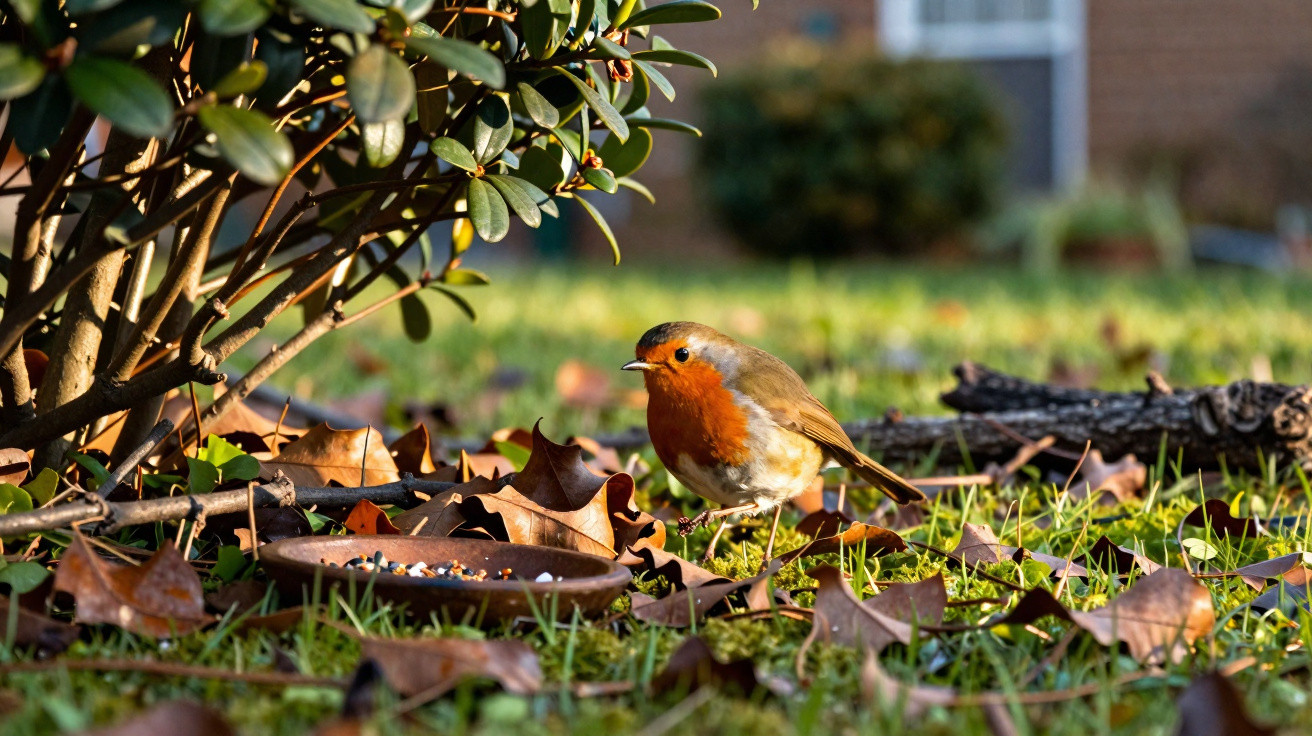
Many amateur gardeners almost feel embarrassed by piles of leaves and dried perennial growth. In fact, these areas are small refuges for countless animals.
Why leaves should remain in place during March
- Thick layers of leaves provide overwintering shelter for insects including ladybirds, wild bees and spiders.
- Dried stems and small twigs give birds material for building nests.
- This organic layer protects the soil, retains moisture and improves soil fertility over the long term.
The Nature and Biodiversity Conservation Union advises leaving leaves and plant debris in place until at least April. Only once nights are consistently mild should you begin tidying gradually.
Only genuinely troublesome material needs to be removed:
- visibly mouldy leaves
- plant material heavily affected by fungal disease
- clearly diseased or dead shoots
Everything else is not “mess”, but free support for the garden ecosystem.
Lawn care in March: do not mow yet
The view through the window can be misleading: the lawn may already look pleasantly green, but appearances deceive. Its roots are weakened after winter, while the soil is generally still damp and easily compacted.
Why mowing early harms the lawn
Mowing too soon compacts wet ground with every footstep and every pass of the lawnmower. This results in:
- less air reaching the grass roots;
- water pooling more readily, allowing moss to spread more easily;
- slow lawn recovery and a patchy appearance in summer.
Experts generally recommend making the first cut no earlier than mid-March, and often closer to early April, depending on the region and weather conditions.
“The lawnmower stays in the shed until the grass is five to seven centimetres tall, the ground is dry and temperatures have remained at around 7 to 10 degrees for several days.”
If night frosts are still occurring regularly, or your shoes feel noticeably wet when you walk over the lawn, it is definitely too early. Waiting pays off; otherwise, you may later face more moss, weeds and bare patches.
Do not dig over beds or sow everything just yet
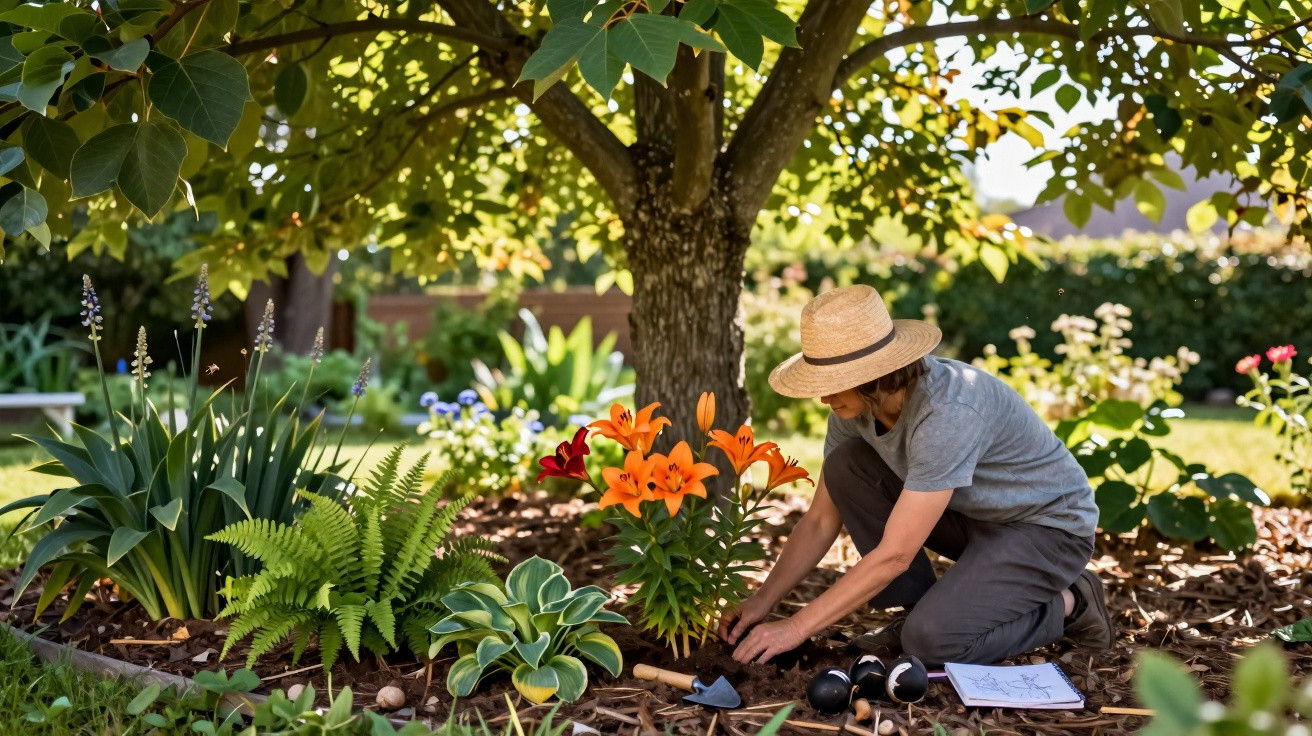
Many amateur gardeners are eager to get beds into shape in March: loosening the soil, raking and scattering the first seeds. This urge to get started can hold back the new growing season.
When bed care becomes a strain
Beneficial creatures are still hiding in the upper layers of soil, including ground beetles, ladybird larvae and wild bees seeking protection from the cold. Deep digging or vigorous hoeing now destroys their sheltered spaces.
In addition, the roots of perennials and ornamental plants are sensitive after winter. Rough digging or overly intensive loosening can easily damage them. Fungal spores and pests can also enter more quickly through the disturbed soil structure.
A better approach in March is to:
- loosen soil only very lightly and carefully with a rake;
- remove persistent weeds only where needed, rather than turning over the entire bed;
- postpone direct sowing of sensitive vegetable or flower varieties until later.
If you do not want to wait, hardy, cold-tolerant varieties can be started in a protected cold frame or greenhouse. Outdoors, many seeds are not truly safe until April.
Fertilising and new planting: late frost remains the hidden enemy
March often creates a false impression: mild days and a warm patio, followed suddenly by frost overnight. These late frosts make life difficult for plants.
Why fertilising in March can be risky
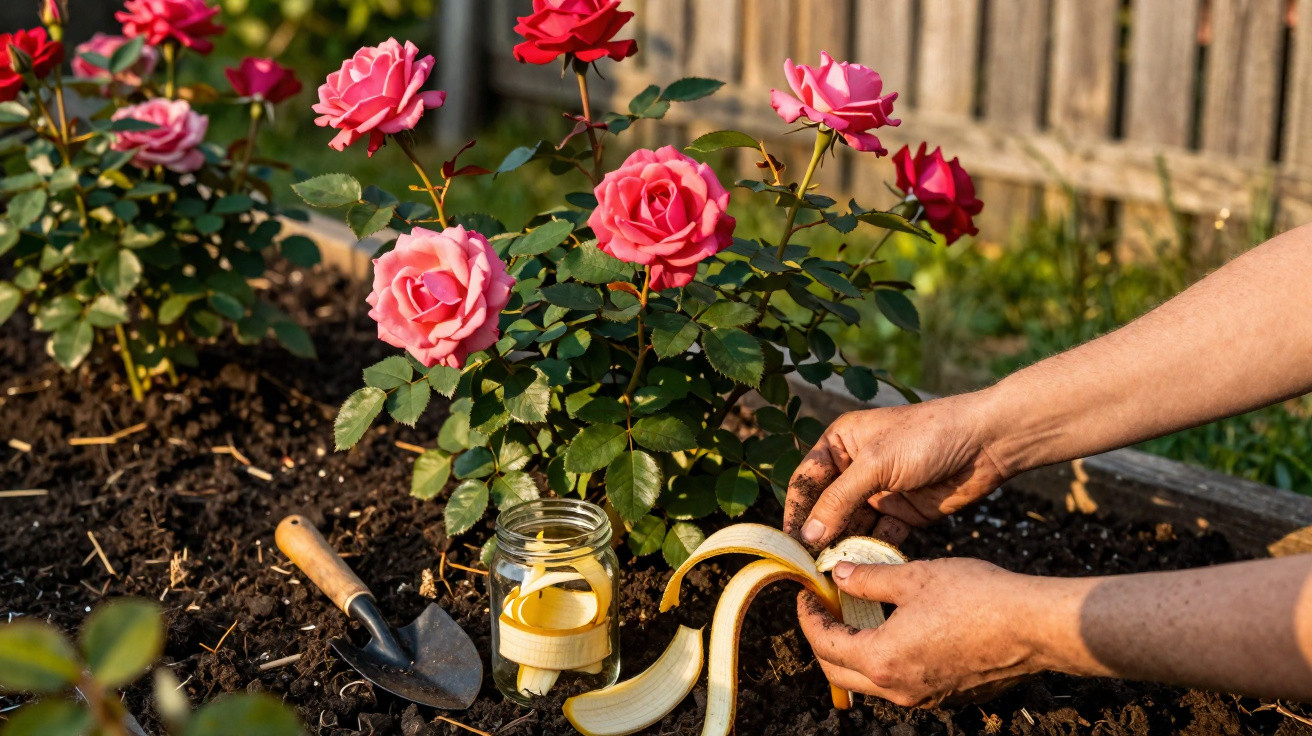
Applying a strong feed too early puts plants under pressure to perform. The nutrients encourage them to produce new growth, and these young, tender parts are extremely vulnerable to frost.
Typical consequences include:
- blackened, dried-out shoot tips;
- delayed growth throughout the season;
- greater susceptibility to disease.
The situation is similar for newly planted specimens: fresh perennials or woody plants must first establish roots. If the ground freezes again, this process is interrupted or damaged. The plants can then dry out more rapidly on cold nights.
“Intensive fertilising and major planting projects should only begin once the soil is reliably frost-free - depending on the region, this can take until the end of March.”
If you still want to do something, add a thin mulch layer of bark mulch, leaves or grass cuttings from the previous year. It protects the soil and retains moisture without overloading the plants.
Hedges and shrubs: pruning ban from 1 March
The potentially riskiest March mistake concerns the law rather than frost. From 1 March, drastic cutting back of hedges, shrubs and bushes is prohibited.
What the Federal Nature Conservation Act permits - and what it does not
The relevant provision (BNatSchG section 39, paragraph 5) states that heavy pruning and cutting hedges, scrub and trees back to ground level are prohibited from 1 March to 30 September. Breaches can result in substantial fines, potentially reaching four figures depending on the federal state and the scale of the offence.
| Period | Is hedge cutting permitted? |
|---|---|
| 1 March – 30 September | Only gentle maintenance cuts; no drastic pruning |
| 1 October – 28/29 February | Heavy pruning and shaping cuts permitted |
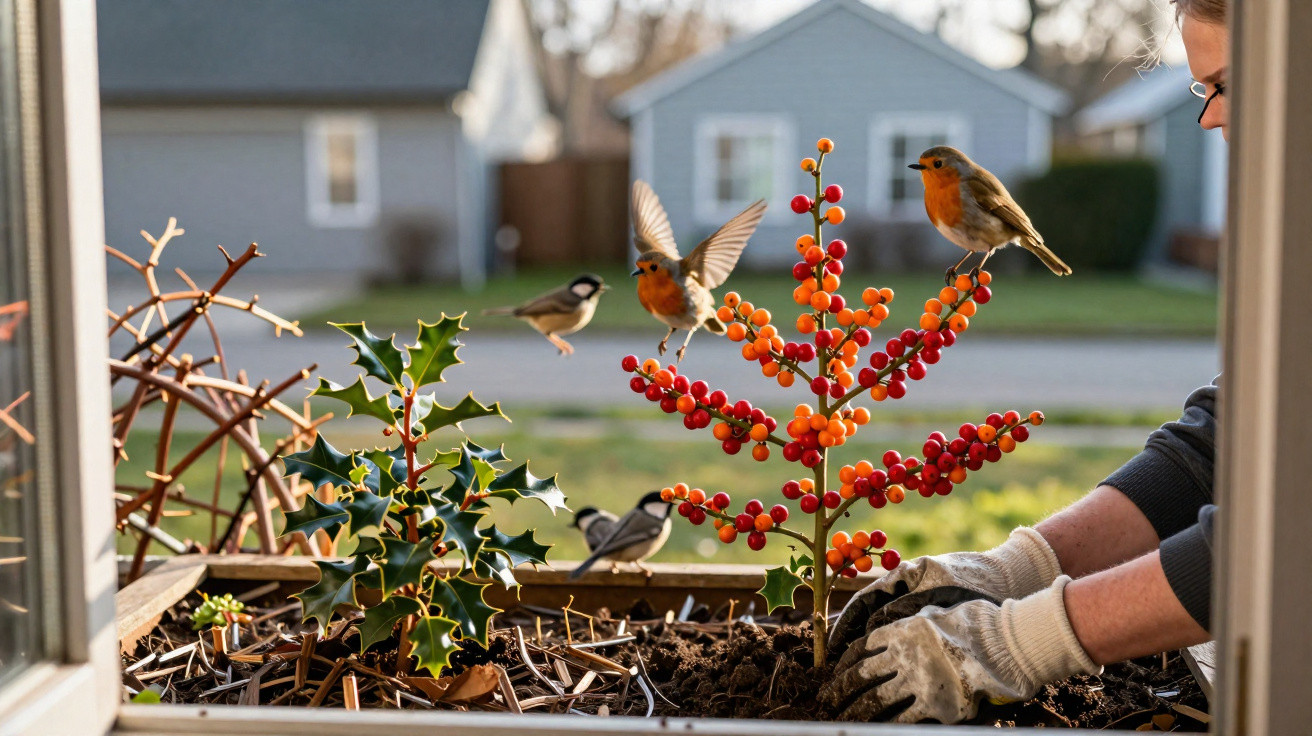
The reason is animal protection: from March, birds search for nesting sites, build nests and raise their young there. Hedgehogs and numerous insects also use dense hedges as cover.
Light shaping cuts and maintenance work remain allowed, but they should be carried out with care. Before making any cut, check thoroughly for an existing nest or hidden animals. If in doubt, wait.
What you can still do in the garden in March
March is not a month of inactivity, but one for preparation. Anyone unwilling to simply wait can turn to other useful jobs.
- Clean, sharpen and oil garden tools.
- Create planting plans for flower beds and vegetable plots.
- Prepare containers and pots, check old compost and replace it if necessary.
- Start hardy vegetables such as spinach or lamb’s lettuce in a cold frame.
- Clean bird boxes and put up additional nest boxes.
Those who plan wisely now, rather than pruning or fertilising recklessly, will usually have a healthier, more resilient garden by late spring.
Why patience in the garden is often rewarded twice over
For many people, gardening only feels “proper” when there is something to saw, cut or rake. March teaches the opposite lesson: sometimes the smartest move is to leave the tools alone.
Biologically, this makes sense. Plants need time to switch from winter dormancy into growing mode. Soil needs to dry out, and animals need to leave their winter shelters. Respecting this process prevents many summer problems, including diseased plants, pest outbreaks and bare areas.
There is another benefit: leaving leaf and deadwood corners alone, mowing later and fertilising sparingly all save money and work. At the same time, you create a garden that is less dependent on chemicals and better able to regulate itself. A lively, slightly “imperfect” garden in March is often the best basis for rich greenery and abundant flowers from April and May.


Comments
No comments yet. Be the first to comment!
Leave a Comment