
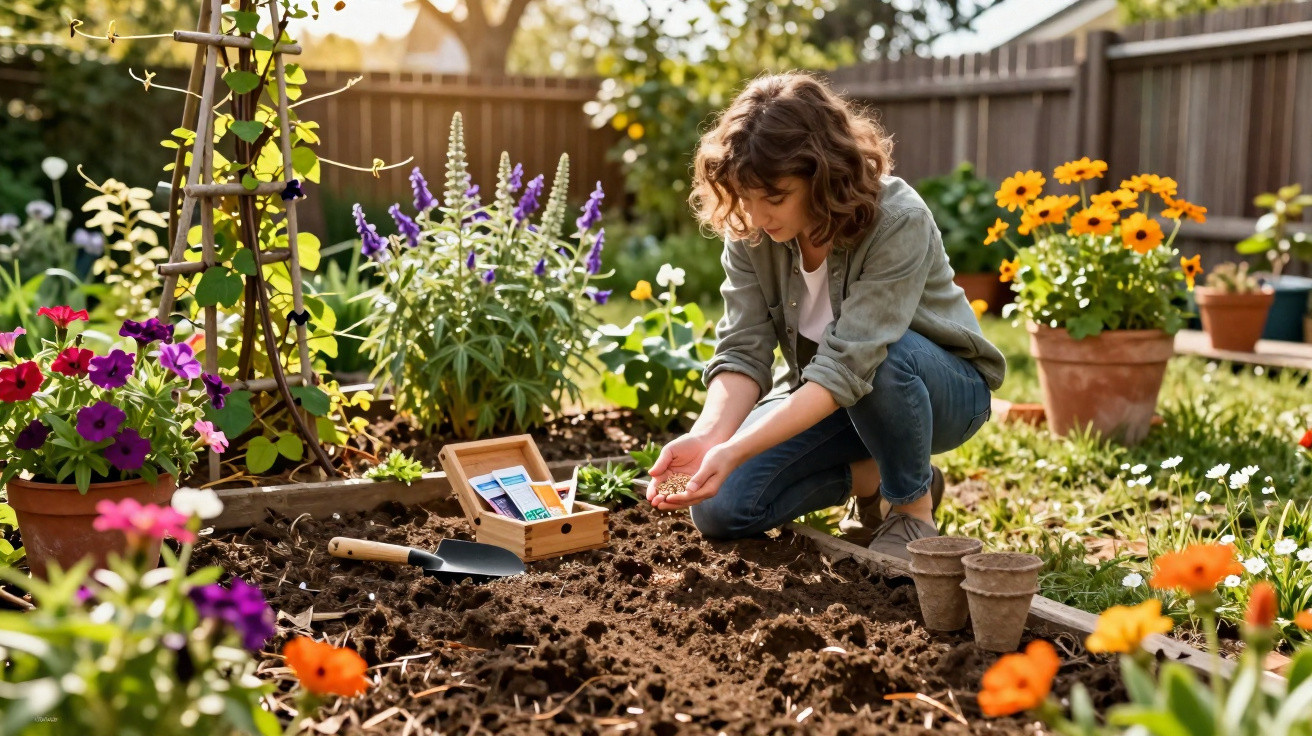
In March, beds can still look sparse and the nights remain chilly, yet this is the month when an important course is set: sowing the right flowers now creates the basis for a colourful, densely flowering display that lasts into autumn. With a few undemanding varieties, some planning and manageable effort, an ordinary garden can become a real showstopper.
Why March matters so much
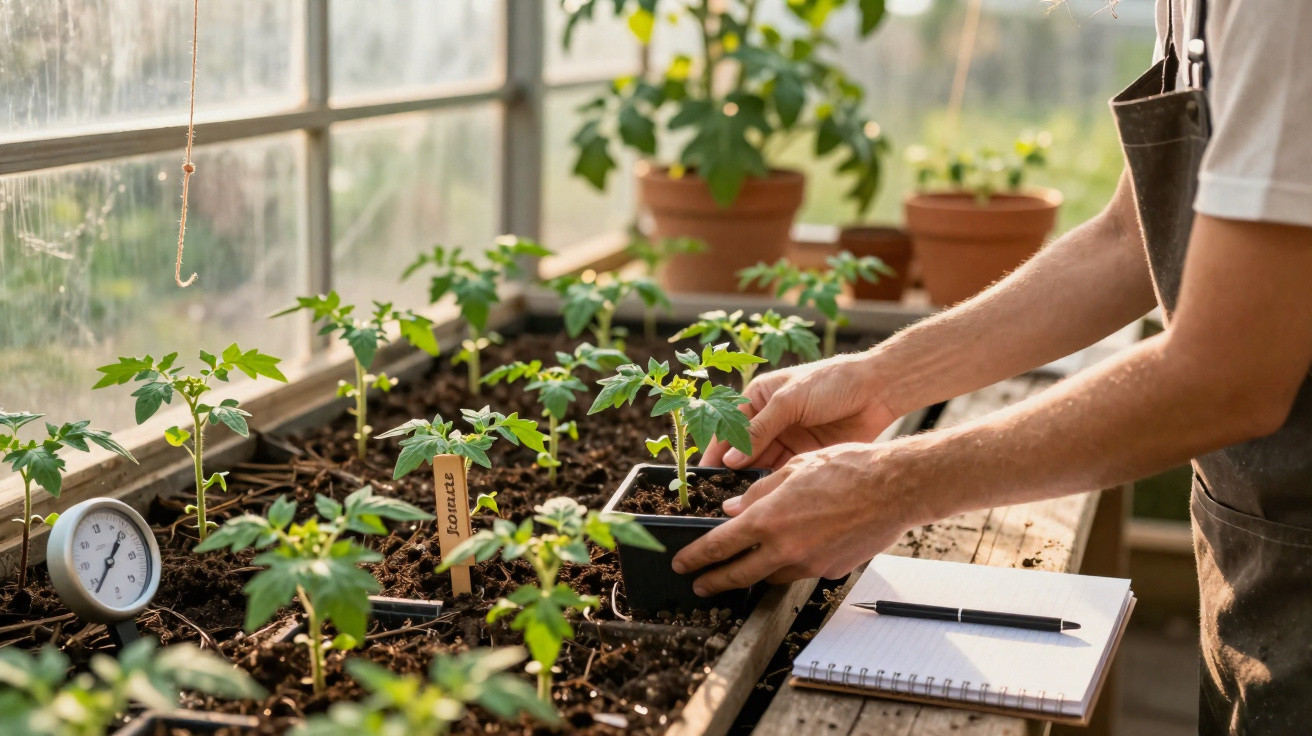
The days are getting longer and the sun is growing stronger, but the soil can still feel hard and cold in the morning. Late frosts remain possible in many areas until April. That is precisely why experienced gardeners begin indoors: on a windowsill, in a conservatory or in a small polythene greenhouse.
“Those who begin pre-growing in March can plant out sturdy young flowers in May – a huge head start for summer flowering.”
The aim is for plants to have formed roots and their first leaves before moving outdoors after the last frosts. They can then make the best use of the warm period and reward the effort with abundant, long-lasting blooms. This also helps to prevent the dreaded flowering gaps – periods when beds suddenly appear drab and empty.
Choosing seed wisely for March sowing
Many amateur gardeners know the disappointment: a seed packet promises a sea of flowers, but only a few weak seedlings emerge in the tray. Often, this has less to do with gardening ability than with the quality and type of seed.
Open-pollinated varieties are especially popular. Their own mature seeds can be sown again year after year. Over time, this can create a kind of home-grown line that is particularly well adapted to the site and soil.
Useful places to look include:
- local gardening associations with seed swaps
- libraries offering small seed shelves
- community gardens where seeds are exchanged
Anyone who repeatedly uses seed harvested from their own garden or from nearby gardens will often notice that these plants seem sturdier, cope better with dry spells and gradually adapt to local conditions.
Seven flowers to sow in March
For the longest possible carpet of bloom, robust varieties that are forgiving and enjoyable for beginners are particularly worthwhile. The following seven flowers are regarded as true summer long-runners.
| Flower | Particular benefit | Suitable for |
|---|---|---|
| Zinnias | Huge range of colours, perfect as cut flowers | Beds, cottage gardens, bouquets |
| Sweet peas | Fragrant, climbing, romantic appearance | Trellis, balconies, screening |
| Nasturtiums | Edible flowers, attract insects | Raised beds, window boxes, natural cooking |
| Sweet alyssum / stock relatives | Intense fragrance, nostalgic look | Near seating areas, entranceways |
| Coreopsis | Long-flowering in yellow and orange shades | Herbaceous borders, natural gardens |
| Love-in-a-mist (Nigella) | Playful flowers, decorative seed pods | Between perennials, cut stems for vases |
| Poppies | A miniature meadow effect, self-seeds easily | Natural corners, wildflower areas |
Zinnias: bursts of colour for beds and vases
Zinnias are a classic choice when you want vivid colour. They come in everything from pastel shades to neon pink. They usually germinate reliably and grow quickly when given enough warmth and light.
Sow them in March in small pots or module trays, press the seeds only lightly into the compost and keep the growing medium evenly moist. By June, you can cut the first stems for colourful bouquets – the more you cut, the more flowers the plant produces.
Sweet peas: fragrant climbing stars
Sweet peas turn plain fences, trellis or balcony railings into a scented ribbon of flowers. Their delicate pink, purple, white or red blooms recall old cottage gardens. For a strong start, soak the seeds overnight in lukewarm water before sowing. This speeds up germination.
They climb using tendrils and therefore need netting or a trellis. Regularly cutting off faded stems noticeably extends the flowering period.
Nasturtiums: peppery, colourful and edible
Nasturtiums are almost a small miracle package: they grow rapidly, bloom in yellow, orange and red, attract bees and butterflies – and their flowers are often added to salads. They have a mildly peppery flavour and add beautiful splashes of colour to a plate.
The large seeds are easy to sow with children. Make a hole, place in the seed, cover lightly and water – little more is needed. Trailing varieties are wonderfully suited to window boxes or hanging baskets.
Fragrant classics for nostalgic beds
Fragrant spring and early-summer flowers, such as traditional scented vegetable plants or closely related varieties, bring a touch of nostalgia to the garden. Their strong scent is particularly noticeable in the evening. Planting them close to a patio or favourite seating spot provides a natural fragrance lamp right beside you.
Coreopsis: yellow suns for herbaceous borders
Coreopsis is one of the most tireless summer-flowering plants. Its sunny yellow or orange blooms practically flood beds with light. Many varieties are relatively drought tolerant, making them interesting for anyone who does not want to water constantly.
Direct sowing is possible in milder areas, while pre-growing indoors is the safer option in harsher locations. Even in the first year, it produces an impressive floral display.
Love-in-a-mist: a playful structural plant
The delicate flowers of love-in-a-mist seem to float within fine, thread-like foliage – hence its name. After flowering, rounded seed pods develop, and these are excellent for dried arrangements.
It fits perfectly between perennials or in natural-style beds, where it often self-seeds. Those who enjoy this can allow some pods to ripen fully.
Poppies: a hint of summer meadow in the garden
With very little effort, poppies bring the mood of a meadow to your own outdoor space. Although the delicate flowers last only briefly, they are constantly replaced. The plants favour sunny, relatively nutrient-poor positions.
Scatter the very fine seeds only on the surface and do not cover them with a thick layer of soil, as they need light to germinate. With a little luck, they will self-seed later and return the following year.
How to sow flowers in March, step by step
- Prepare containers: Fill clean pots or module trays with seed compost.
- Sow the seeds: Depending on the variety, lay them on the surface or cover them lightly with compost.
- Moisten: Water with a spray bottle so the seeds are not washed away.
- Place somewhere warm and bright: A temperature of 15–20°C and a bright spot away from harsh midday sun are ideal.
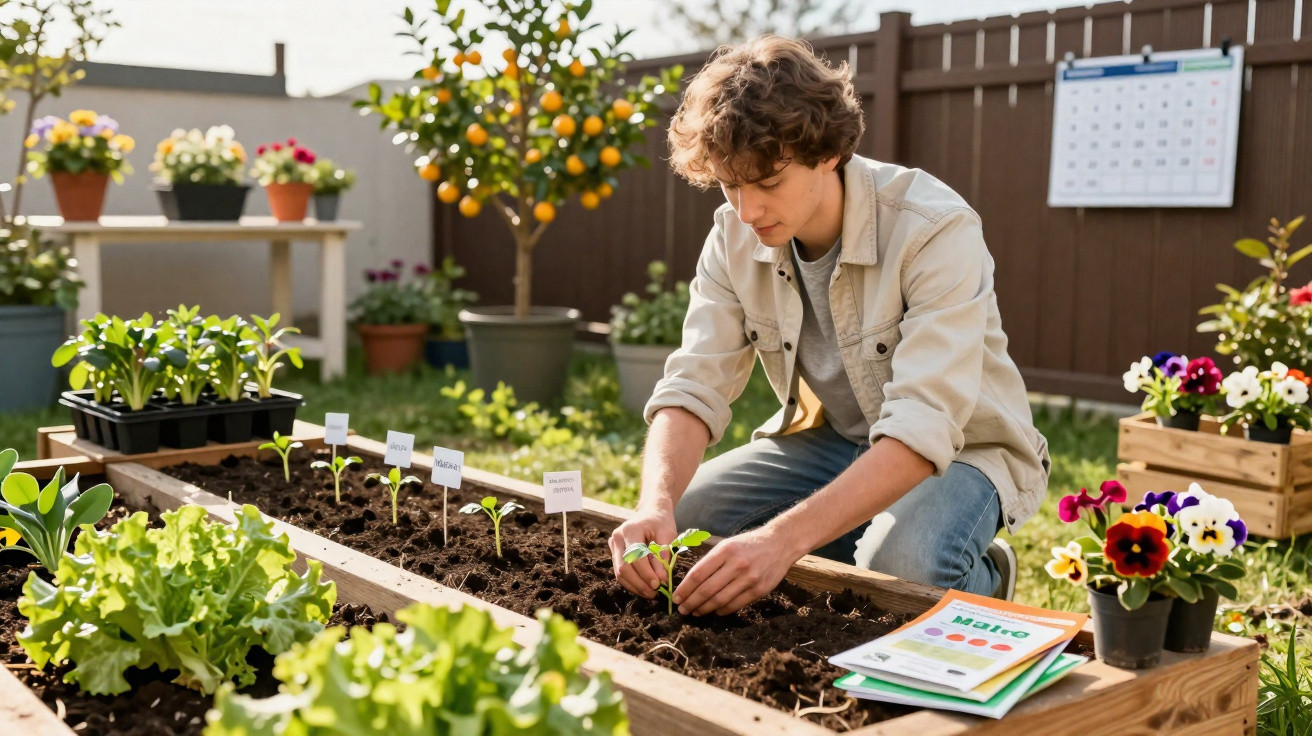
- Prick out: Separate the plants once the first true leaves have appeared.
- Harden off: Before planting outdoors, put the pots outside for a few hours at a time during the day.
“The real trick to a ‘spectacular’ summer garden is less about expensive plants – what matters is timing, variety selection and a few well-placed March sowings.”
Greater impact with simple tricks
A little experimentation can get even more from the same seven flowers. Combining tall and low-growing varieties creates depth in a bed. Place zinnias at the back, love-in-a-mist and coreopsis in front of them, and nasturtiums right at the front – even a small patch of soil will immediately resemble a designed floral picture.
It also makes sense to stagger flowering times slightly. A second sowing at the end of March or the beginning of April creates a later wave of flowers. This keeps the garden attractive for longer, even if heatwaves temporarily slow individual plants.
A practical point for anyone short of time: once established, many of these varieties cope well with occasional dry conditions. Watering thoroughly once a week is often better than giving small amounts constantly. The roots then grow deeper into the soil, making the plants more resilient.
To ensure that the floral display does not end abruptly, it is worth checking whether seeds need light or darkness to germinate. Following the sowing instructions on the packets significantly improves the success rate. And anyone who does not immediately remove every unfamiliar young plant while weeding may find pleasant summer surprises: self-sown favourites from the previous year, returning all by themselves to provide colour again.

Comments
No comments yet. Be the first to comment!
Leave a Comment