
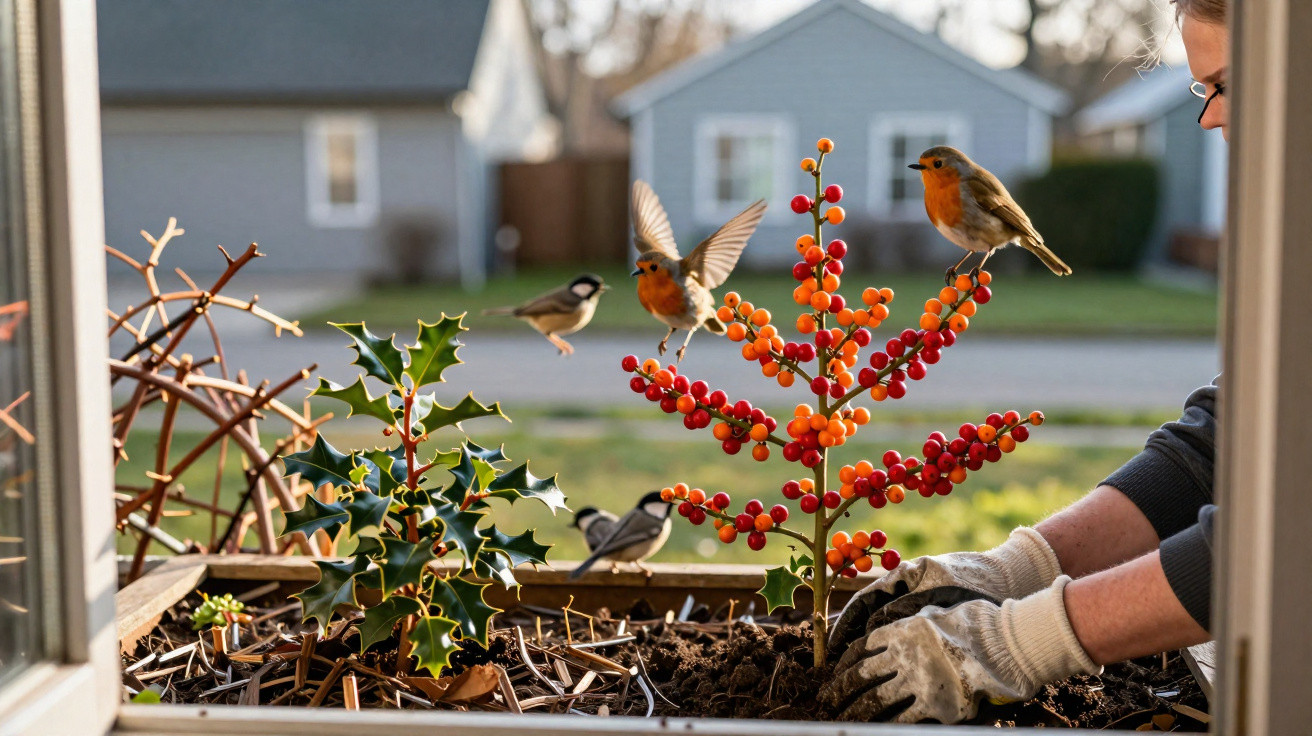
An unassuming shrub planted in March – and your garden will become a meeting place for blackbirds, robins and tits in autumn.
Many amateur gardeners put out fat balls in winter, yet still wonder why the branches remain empty. The real difference is made several months earlier: planting the right shrub in spring will naturally provide birds with ample food and secure shelter in autumn and winter. One job in March can replace dozens of feeders later on – while giving you a daily wildlife show outside the window.
Why spring is the best time to plant this shrub
Roots before heat: the shrub’s most important head start
Planting either too early or too late can put any young plant under stress. Early spring offers ideal conditions: the soil is no longer frozen but still contains plenty of moisture. Temperatures rise gradually, rather than immediately exposing a young shrub to heatwaves.
At this point, the root system can spread steadily. The shrub can take up water and nutrients without needing constant watering. When dry spells arrive in summer, a shrub that has rooted well will cope with them far more comfortably.
Planting in March gives the shrub a lead of several months – creating the foundation for an abundance of berries in autumn.
Why berries depend on getting the timing right
Berry-producing shrubs follow a distinct sequence: establishing roots, growing, flowering, fruiting and ripening. If planting is left until early summer, this cycle can easily be disrupted. The plant is then more likely to direct its energy towards survival rather than flowers and fruit.
Planting in March allows enough time for:
- steady root establishment in spring
- vigorous growth in early summer
- flowering in summer
- berries to form and ripen by late autumn
These fruits later become a lifeline for many native bird species when insects are scarce and meadows look bare.
The quiet stars: shrubs that attract birds like magic
Pyracantha and holly: red and orange energy snacks
You do not need exotic rarities to attract birds. Just two shrubs can turn your garden into a bird oasis: Pyracantha, often called firethorn, and native holly.
Both produce dense clusters of berries in autumn that remain on the branches for a long time. Their vivid colours – bright red, orange or yellow – act like illuminated signs for blackbirds, thrushes, robins and many other resident birds.
The berries provide sugar, vitamins and energy – precisely what birds need during the colder months to build up reserves.
Species that stay here through winter rather than migrating south benefit especially greatly. They can still find food when lawns are frozen and hardly anything remains alive in flowerbeds.
A natural protective barrier against cats and other predators
Berries alone are not enough. Birds also need safe places for nests and overnight shelter. This is where firethorn and holly reveal their second major advantage: they are dense, evergreen and properly defensive.
The benefits at a glance:
- Evergreen foliage: cover and visual screening throughout the year
- Dense branching: ideal hiding places for nests
- Thorns and prickles: unpleasant for cats and martens
Anyone who has watched a cat search through a bush for a nest will know that a shrub with strong prickles makes the attempt far less appealing. Birds gain genuine refuges where they can breed and rest.
How to plant the shrub properly – step by step
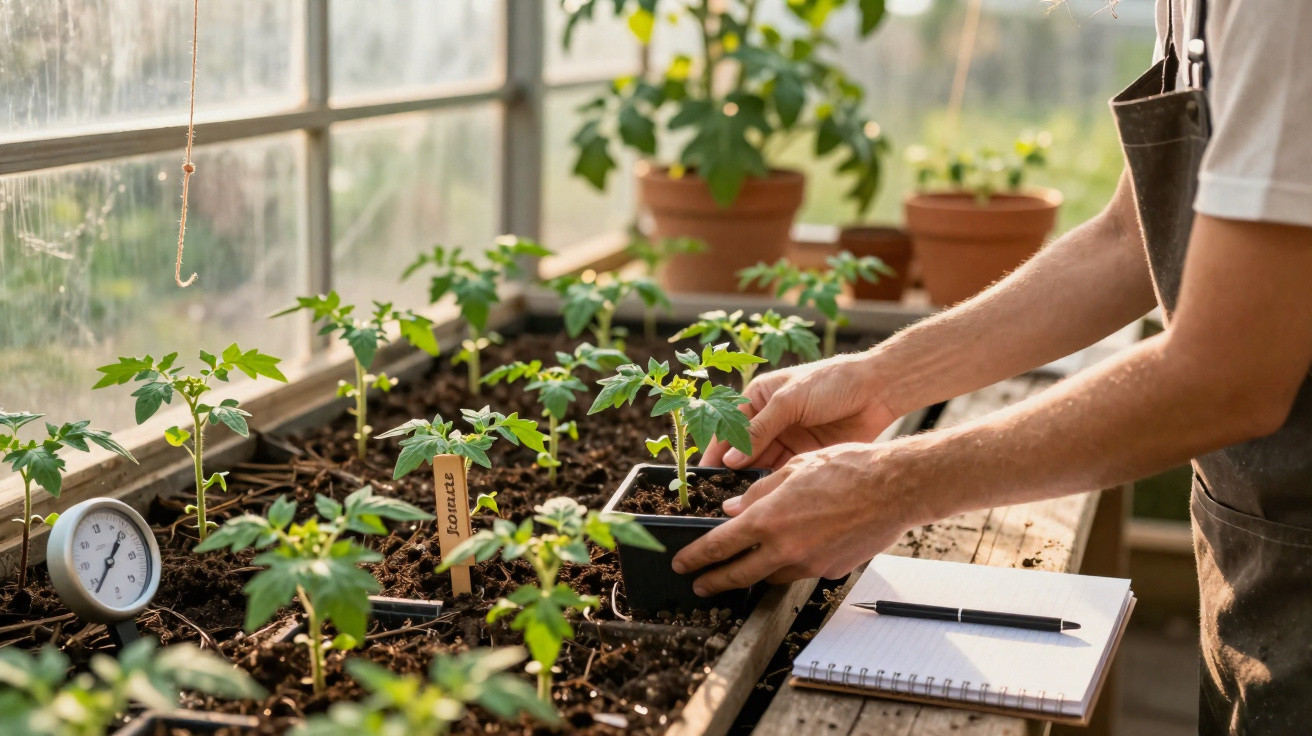
Choosing the right site and preparing a good planting hole
The first consideration is the location: firethorn and holly prefer a bright spot or partial shade. An area beside the house wall, a corner of the garden or a boundary strip next to a neighbouring property are all ideal.
Careful preparation pays off when planting:
- Dig a planting hole at least three times as wide as the root ball.
- Loosen the soil at the bottom so that the roots can establish easily.
- Mix in mature compost – there is no need for aggressive artificial fertilisers.
- Position the plant so that the top of the root ball is level with the soil surface.
- Refill with soil and firm it gently so the shrub stands securely.
The compost gives the young shrub a gentle initial boost. Microorganisms in the soil encourage root growth without overwhelming the plant.
Water and mulch: life insurance for a young shrub
Once the shrub is in the ground, the most important stage follows: watering. Not just a few drops, but a thorough soaking that reaches the deeper layers of soil. This removes air pockets and ensures that the roots immediately make contact with the soil.
Then protect the new planting with a layer of mulch:
- leaves from the previous year
- chipped branches
- grass clippings or plant trimmings from beds, lightly dried first
This covering retains moisture in the soil, suppresses weeds and gradually breaks down into fresh humus. The shrub benefits from a stable microclimate around its root area.
When the garden becomes colourful while everything else turns grey
Berries that easily withstand frost and snow
The main display begins only when the rest of nature enters its dormant period. From November onwards, much can look empty: bare trees, brown flowerbeds and quiet lawns. This is exactly when firethorn and holly berries shine all the more brightly.
The fruit often stays on the shrub for months. Even periods of frost and snowfall do not destroy it completely. While scattered food quickly disappears or spoils, the berries remain in the garden like a natural larder.
A single shrub can make winter survival considerably easier for dozens of birds.
Wildlife watching from the window: robins, tits and more on repeat
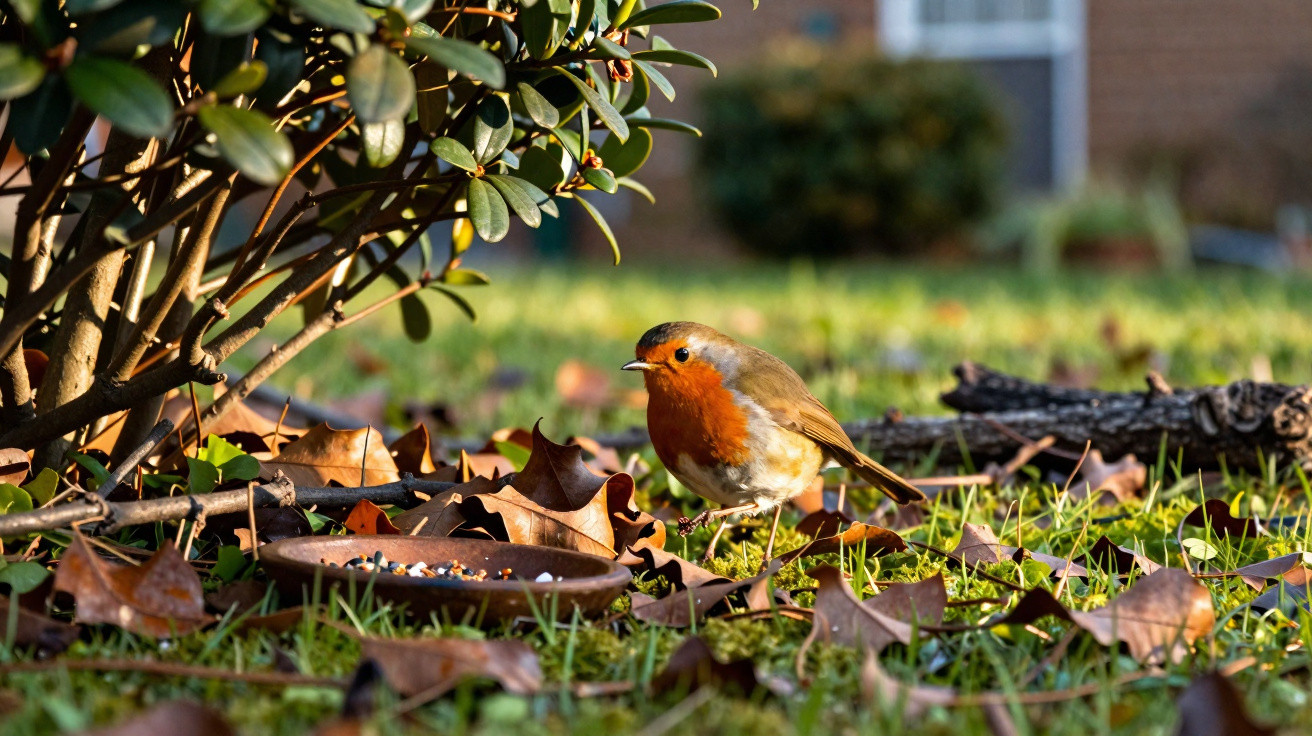
Anyone who planted in March will find themselves going to the window far more often during the colder months. Around a well-positioned berry shrub, there is almost always activity. Tits swing from branch to branch, robins peck intently at the clusters, and blackbirds arrive and depart noisily.
This bustle brings life to the house and garden, especially on gloomy days. Children develop a direct connection with local wildlife, while adults notice how a single shrub can change the atmosphere outdoors.
What this planting means for your small ecosystem
More than a feeding spot: a genuine habitat
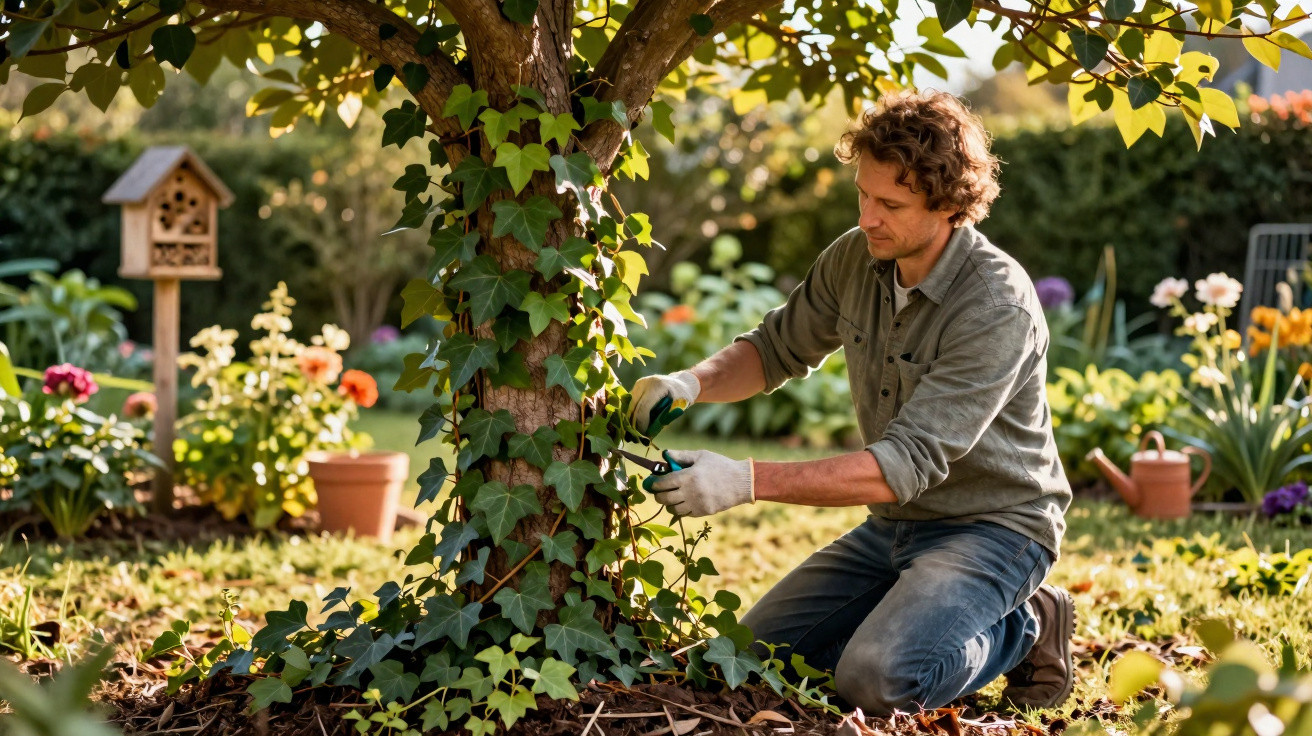
A bird-friendly shrub does not work for only one season. It creates a small ecosystem throughout the year: flowers in spring, shade and cover in summer, and berries in autumn and winter. Insects settle there, spiders find hunting grounds, and birds use it as a perch.
Three simple principles help to keep everything in balance:
- choose native varieties wherever possible
- avoid cutting back too severely so that shelter remains
- avoid highly toxic ornamental forms that hardly any bird will eat
Combining several shrubs – for example, firethorn with privet or rosehips – creates a real hedge that becomes a focal point for many species in the neighbourhood.
Practical advice, risks and useful additions
One point is easily overlooked: some berries are mildly poisonous to people. Children should be taught not to eat these fruits. They pose no problem for birds, which are adapted to this kind of food. If you are unsure, label the shrubs or explain this during a walk around the garden together.
Useful additions nearby include:
- a shallow bird bath with regularly refreshed water
- a few densely planted corners that are not tidied up “neatly”
- a pile of leaves or dead wood as shelter for insects
In this way, a single shrub gradually develops into an entire network of habitats. This is what ensures, over the long term, that your garden not only looks attractive but is also full of life – from the first spring buds to the last day of frost.
Comments
No comments yet. Be the first to comment!
Leave a Comment