
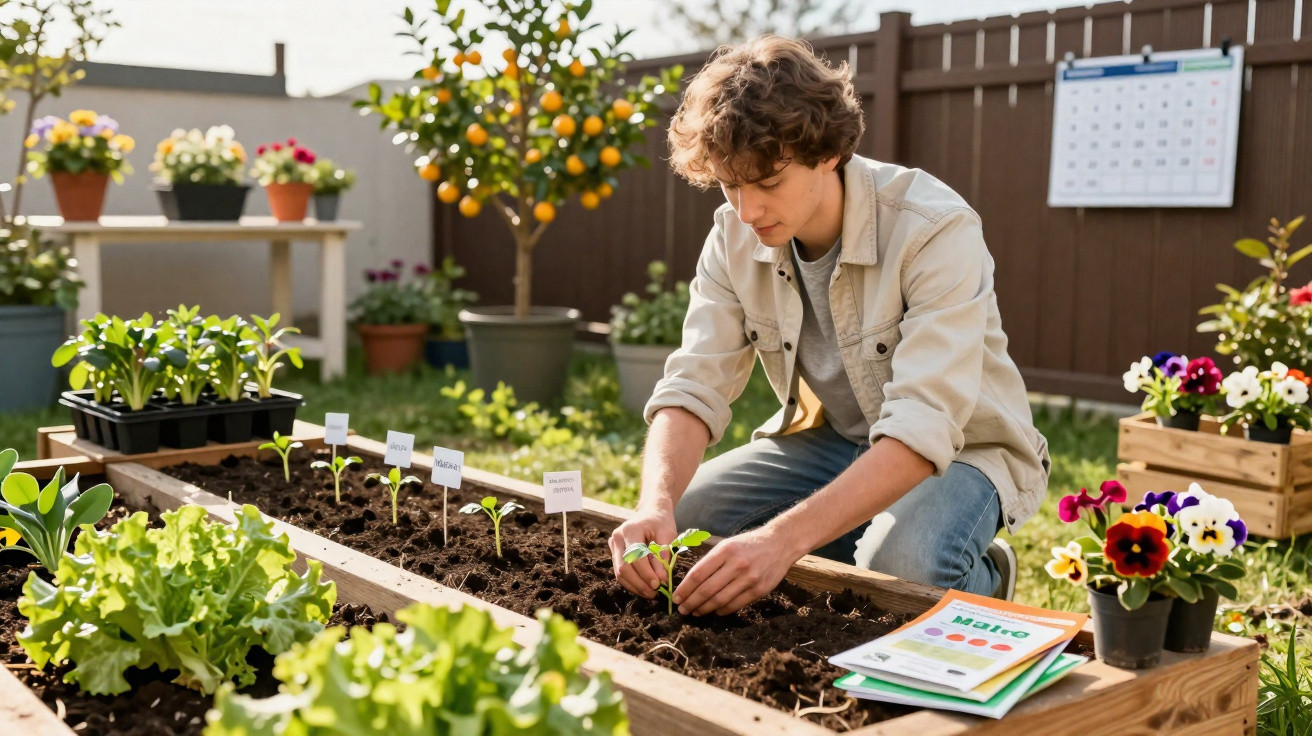
Many amateur gardeners are asking the same question right now: what can go into the ground in March without being wiped out by the next cold snap? The first month of spring offers a surprising number of options, provided you follow a few basic rules and choose suitable plants.
Why March matters so much for gardeners
During March, the garden begins to emerge from its winter dormancy. Soil starts to thaw, the sun climbs higher and daylight hours noticeably increase. This transitional period is exactly when you can lay the foundations for colourful beds and a productive harvest.
“Those who plant and sow wisely in March give flowers, shrubs and vegetables a genuine head start in growth.”
As soil temperatures rise, late frosts become less common, while many hardy plants can cope with brief cold spells. More delicate varieties should still be raised indoors or in a greenhouse first, so they can later be planted outside as strong young plants.
Flowers in March: colour to lift the winter gloom
Brighten balconies and beds with cut flowers
Anyone hoping to fill vases with home-grown cut flowers in summer should start planning in March. Several familiar varieties can already be planted or sown in beds.
Good choices for an early-season start include:
- Marigolds – easy to grow, colourful and ideal for wildlife-friendly gardens
- Pansies and violas – quick to flower and able to withstand cool nights
- Cornflowers – popular with insects and perfect for vibrant mixed beds
- Sweet peas (as young plants) – beautifully scented and well suited to climbing supports
These plants work well in window boxes, containers and flower beds. The soil must be loose and free of stones, allowing roots to spread properly.
“One trick for abundant flowers: regularly cut off or harvest spent blooms, and the plant will produce new buds.”
How to plant flowers correctly in March
Flowers bought from a nursery as young plants should be planted slightly deeper, giving them a secure footing. For direct sowing, cover seeds with a fine, thin layer of soil or sand. This helps to protect them from birds and from drying out.
Plan summer-flowering bulbs and shrubs early
Flower bulbs for summer
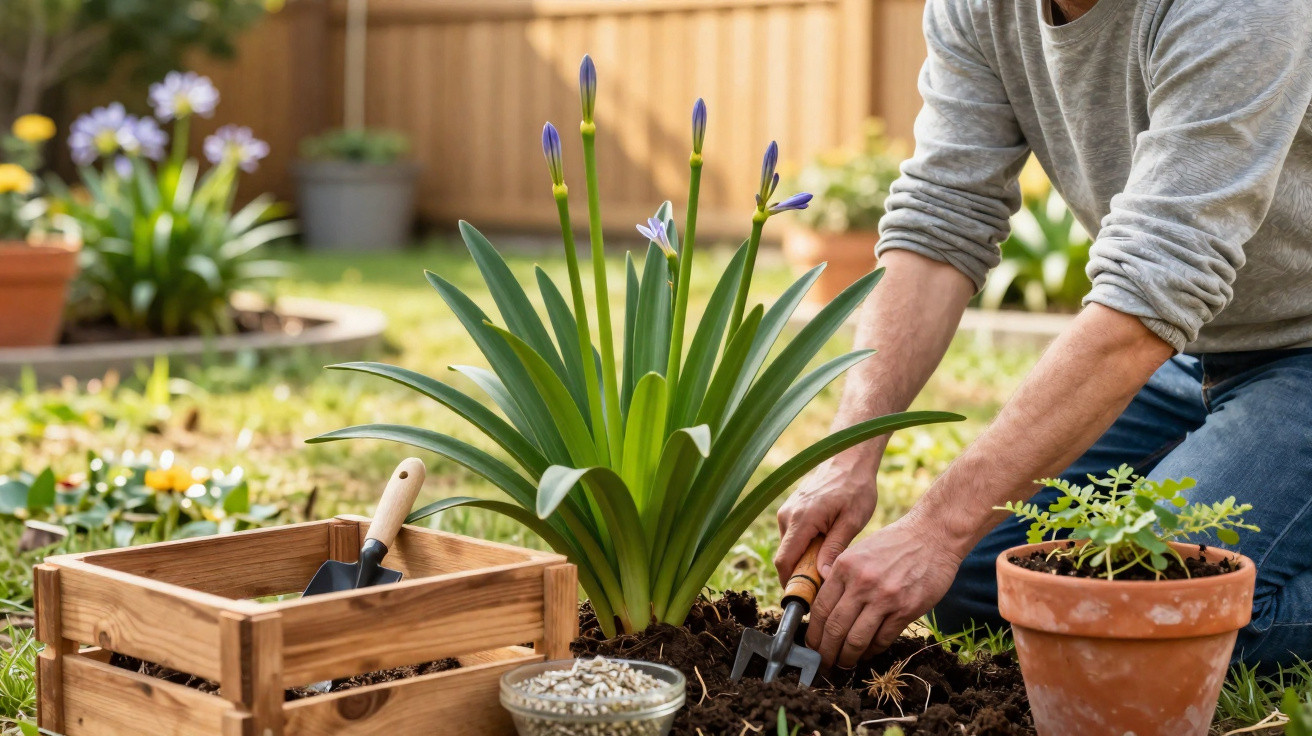
For a spectacular display in June, July and August, get started in March. Many summer-flowering bulbs and tubers can go into the soil now, once the risk of severe, prolonged frost has passed.
Typical examples include:
- Lilies – elegant blooms that prefer partly shaded positions
- Dahlia tubers – from March in mild areas; otherwise, start them in pots
- Shrub hydrangeas (as young plants) – suitable for partially shaded corners
- Rhododendrons – thrive in acidic, humus-rich soil
- Ornamental shrubs such as weigela or “California lilac” – adding structure and flowers to the garden later in the year
All of these plants benefit from humus-rich, well-drained soil. Waterlogging can quickly rot tubers and roots. In heavy soil, add a layer of sand or grit to the planting hole.
“Remember: if in doubt, plant a little later rather than putting bulbs into frozen, waterlogged soil.”
Choosing the right position for shrubs
Shrubs such as hydrangeas and rhododendrons will remain in the same place for many years. It is therefore worth assessing the light, soil and space available carefully. When planting them in March, leave enough room for their eventual mature size and thoroughly clear stones and old roots from the soil beforehand.
Vegetables in March: the starting point for the harvest
What can be sown straight into beds now
Once the ground is no longer frozen and crumbles easily in your hand, it is time for the first hardy vegetables. Many traditional crops can already be sown outdoors.
Typical vegetables for direct sowing in March are:
- Brassicas such as white cabbage and broccoli
- Cauliflower
- Kale
- Lamb’s lettuce
- Watercress for beds
- Peas
- Broad beans
- Onions (sets or seed)
- Parsnips
- Swedes or turnips
Row spacing and sowing depth are stated on seed packets and should be followed. Rows sown too closely will produce weaker plants later on. A light fleece cover protects young plants from cold nights and birds.
Caring for fruit trees and berry bushes
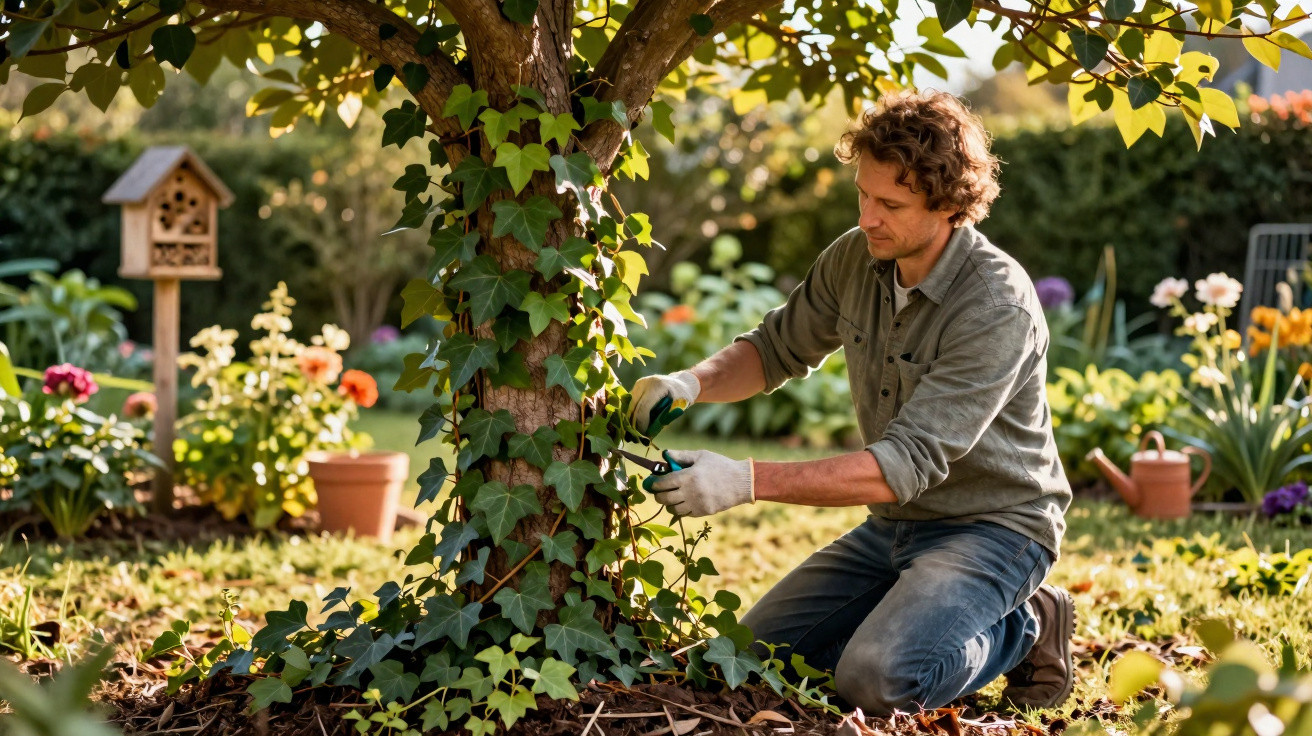
Apple and pear trees need their final shaping prune in late winter or early spring, before their buds open. March is often the last chance to remove dead or inward-growing branches without disturbing new growth too much.
It is also a good time to plant pre-grown berry bushes:
- Blackcurrants
- Gooseberries
- Raspberries
Ideally, plant these in well-loosened, humus-rich soil. Mulching with bark compost or straw retains moisture and suppresses weeds.
Lettuce, tomatoes and chilli: what should be started indoors
Lettuces and leafy vegetables
From mid to late March, it is worth sowing the first lettuces. Depending on the region, this can be done directly in a bed or initially in a tray, cold frame or greenhouse.
Popular early choices include:
- Lettuce
- Leaf lettuce
- Spinach
- Spicy leaf mustard mixes
- Lamb’s lettuce
When the weather is unsettled, simple measures can help, such as using an old window frame covered with plastic to create a mini cold frame. This also helps crops through chilly nights.
Heat lovers: chilli and tomatoes
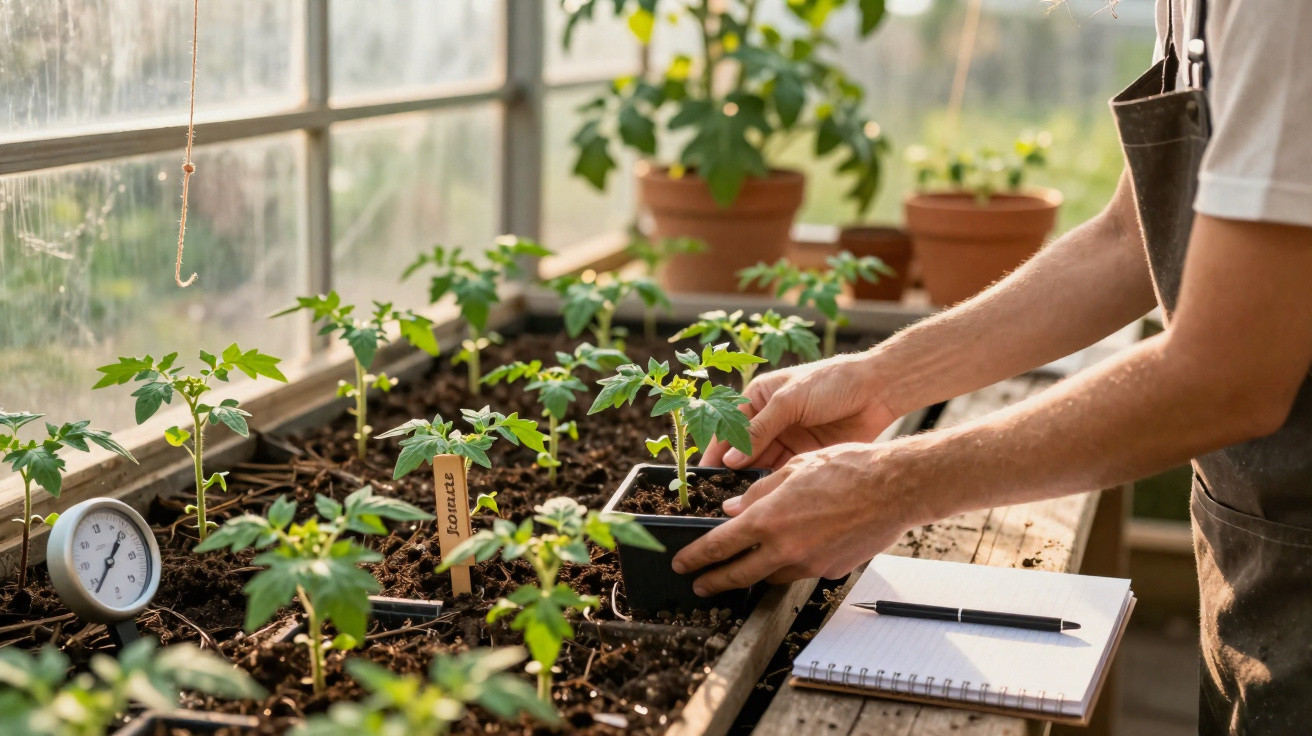
Chilli and tomatoes need to begin much earlier in spring, but indoors. Starting seeds in March gives the plants a long growing season. Sow them in small pots filled with low-nutrient seed compost, then place them somewhere warm and bright – a windowsill above a radiator is ideal.
“For sturdy young plants: plenty of light, moderate warmth and do not keep them too wet – waterlogging is enemy number one.”
Once consistently mild conditions arrive outdoors, gradually acclimatise the plants to outdoor light and cooler air. Only then should they be moved to a bed, container or greenhouse.
Gardening in a changing climate: dealing with warmth and heavy rain
Springs are becoming warmer on average, and many areas are experiencing more extreme weather. This is already apparent in March: early flowering, sudden hot spells, followed by cold winds or heavy rain.
To make a garden more resilient for the future, give greater attention to water management and soil structure:
- Collect rainwater in water butts or cisterns
- Mulch beds so that soil stays moist for longer
- Create hollows or dips where water can soak away slowly
- Reduce paved surfaces and use more permeable paths
These steps do more than prevent soil from drying out; they also lessen the effects of heavy downpours. Plants and animals benefit from a more balanced garden microclimate.
Start thinking about April and the autumn harvest now
Planning in March makes gardening in April considerably more relaxed. Many gardeners are already marking out beds, drawing up rough planting plans and checking seed supplies. This ensures tomatoes, pumpkins and sunflowers reach their seed trays in good time.
In April, the herb garden deserves particular attention. Basil, parsley and chives can be established in pots on balconies and patios, or directly in beds. Although many of these herbs need warmth, they cope surprisingly well with short cool periods when kept in a sheltered spot.
For those wanting to harvest or admire pumpkins, courgettes and sunflowers later in the year, sow indoors from late March or early April. The sturdy young plants can then be moved outdoors after the traditional late-May frost period.
Small extras for greater success in March
| Task | Best time in March | Benefit |
|---|---|---|
| Clear stones and roots from beds | Early to mid-March | Better root development, less competition |
| Final prune for fruit trees | In frost-free, dry weather | A healthier canopy and more light in the tree |
| Apply mulch | After loosening the soil | Moisture protection and weed suppression |
| Sow the first lettuces | Mid to late March | An early harvest from late spring |
Anyone new to gardening should begin on a small scale: a few pots of lettuce, a bed of easy vegetables and a window box with hardy flowering plants. Experience grows with every season – and usually so does the desire to do more.
A simple garden diary is also useful: when did you sow, what was the weather like, what worked and what did not? Notes like these pay off in future years, as you get to know your own growing conditions better and can use March purposefully rather than being caught out by sudden changes in the weather.
Comments
No comments yet. Be the first to comment!
Leave a Comment