
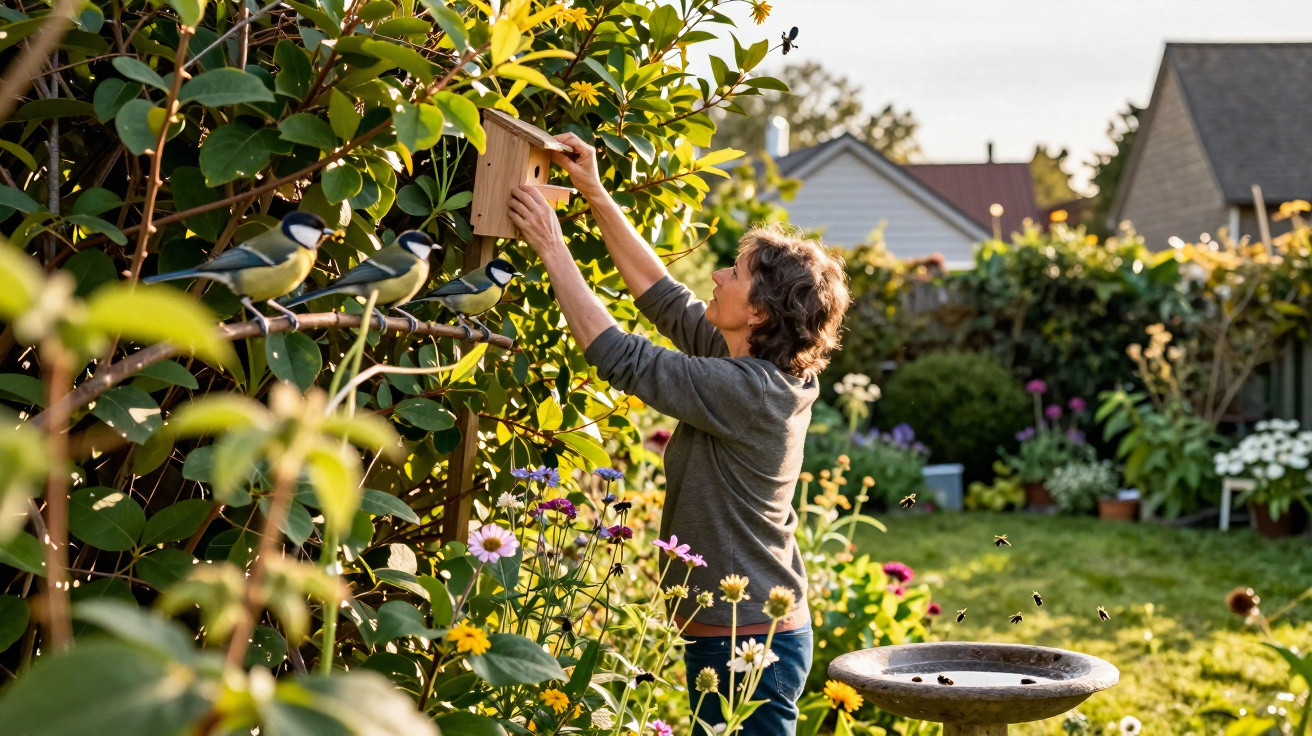
Many garden owners hurriedly put up new nest boxes in spring, hoping to attract feathered tenants. Yet this hope often goes unfulfilled. Bird conservation experts are clear: tits will only settle reliably if the whole garden suits their needs – not merely because there is an attractive box in a tree.
Why tits need a good garden right now
As soon as temperatures remain consistently above freezing, tits enter the busiest period of their year. They look for nesting cavities, assess food supplies and check whether they will be able to raise their young safely later on. Taking the right steps now can turn your garden into a prime spot within their territory.
“Tits are not looking for a decorative paradise, but for a functioning small ecosystem with food, shelter and nesting sites.”
A bare, closely mown lawn may look tidy, but to birds it resembles a desert. It offers no cover, insects or hiding places. Anyone who genuinely wants to attract tits must therefore be prepared to embrace a slightly ‘wilder’ garden.
The overlooked mistake: a nest box on its own is not enough
Nest boxes are useful, but they do not solve everything by themselves. Tits readily use them when the surrounding conditions are right. If food, varied features and natural shelters are missing, the box will remain vacant or receive only a brief inspection.
Preserve natural nesting sites – the real secret
Experts stress the importance of natural cavities and crevices. Older trees, cracks in walls and voids in sheds can provide ideal places to breed. When every part of a garden is thoroughly ‘renovated’ and sealed, these opportunities disappear.
- Keep old fruit trees with cavities wherever possible.
- Avoid sealing every crack and crevice in old walls.
- Accept woodpiles, dense corners and climbing frames as places to hide.
- Put up nest boxes as an addition, rather than treating them as the only nesting option.
Great tits and blue tits in particular, along with other garden birds such as sparrows, black redstarts and swifts, use these sorts of features. A garden that offers such niches can quickly become a meeting point for many species.
A thriving garden rather than a sterile ornamental space
Planting is the most important factor in bringing more tits into the garden in spring. Using only exotic ornamental plants or sterile cultivated varieties disrupts the natural cycle. Many of these varieties produce hardly any pollen or seeds and do not attract insects.
Native plants as insect magnets
Tits feed their young almost entirely on insects: caterpillars, beetles, spiders and larvae. Breeding cannot succeed without this prey. A garden that draws insects will therefore automatically appeal to tits.
“Anyone who supports insects is feeding young tits – that is the heart of the entire strategy.”
Native shrubs, wild perennials and flowers that bloom at different times of the year before producing seeds are especially valuable. Here are a few examples:
- Spring: blackthorn, Cornelian cherry, willow
- Summer: blackberry, elder, knapweed, oxeye daisy
- Autumn: rose hips, and leave wild perennials with seed heads standing
Converting part of a lawn into a wildflower meadow often brings a noticeably higher insect population within just one year – and, as a result, more songbirds.
Hedges as a multi-storey home for birds
Uniform rows of thuja offer very little food. Mixed hedges made up of a range of native shrubs are a much better choice. They supply berries, seeds, cover and nesting places.
Popular shrubs for a bird-friendly hedge include:
- Rowan
- Common elder
- Dog rose
- Privet (single-flowered and fruiting)
- Hawthorn
Such a hedge buzzes with insects in summer and provides berries in autumn. For tits, it is a refuge, food source and flight corridor all at once.
The right nest box – position matters more than design
When nest boxes are used sensibly, they greatly improve the chances of success. Practical details matter far more than appearance.
| Aspect | What to look for |
|---|---|
| Material | Untreated wood, good ventilation, not plastic |
| Entrance-hole size | Around 26–28 mm for blue tits; around 32 mm for great tits |
| Height | At least 2 to 3 metres above ground level |
| Direction | Ideally facing east or south-east, away from prevailing winds |
| Peace and quiet | No constant disturbance from a patio, barbecue area or play equipment |
Nest boxes should be cleaned in late summer. Carefully remove old nests, parasites and droppings while wearing gloves, using a dry brush. Chemical cleaning products have no place in a nest box.
Protection from wind, rain and predators
Tits place great importance on cover. Dense evergreen shrubs, such as yew, holly or cherry laurel (although native alternatives are preferable), provide protection from cats, martens and birds of prey. They serve as stopover points and escape cover.
“A garden with plenty of ‘stopping points’ feels safe to birds – open spaces make them nervous.”
Cat owners can provide extra help by using bells on collars during the breeding season or keeping their pets indoors at certain times. Thorny shrubs beneath favoured perches can also deter hunting cats.
What you can do straight away – practical step-by-step ideas
- Allow part of the lawn to grow longer, or sow it with wildflower seeds.
- Plant at least one mixed hedge containing native shrubs.
- Do not clear away every old pile of wood and stones; deliberately retain some as shelter zones.
- Hang up a suitable nest box with an entrance hole sized for tits.
- Do not use insecticides – every sprayed caterpillar is later missing from a tit’s beak.
If you are unsure which plants are suitable locally, contact nearby nature conservation groups. Many volunteers know regional conditions extremely well and can offer practical advice – often even during a walk around your own garden.
Why tits are so useful – not just pleasant to hear
Tits are not only attractive to watch and enjoyable to listen to. They consume large quantities of caterpillars and other pest insects. A single breeding pair can collect several thousand insect larvae during spring, visibly reducing the pressure on fruit trees and flower beds.
A well-structured wildlife garden is particularly worthwhile in years with severe caterpillar infestations. Many amateur gardeners report that they can avoid sprays when enough birds live in their gardens. This completes the cycle: create a wildlife-friendly garden, use less chemical treatment and enjoy more birdsong.
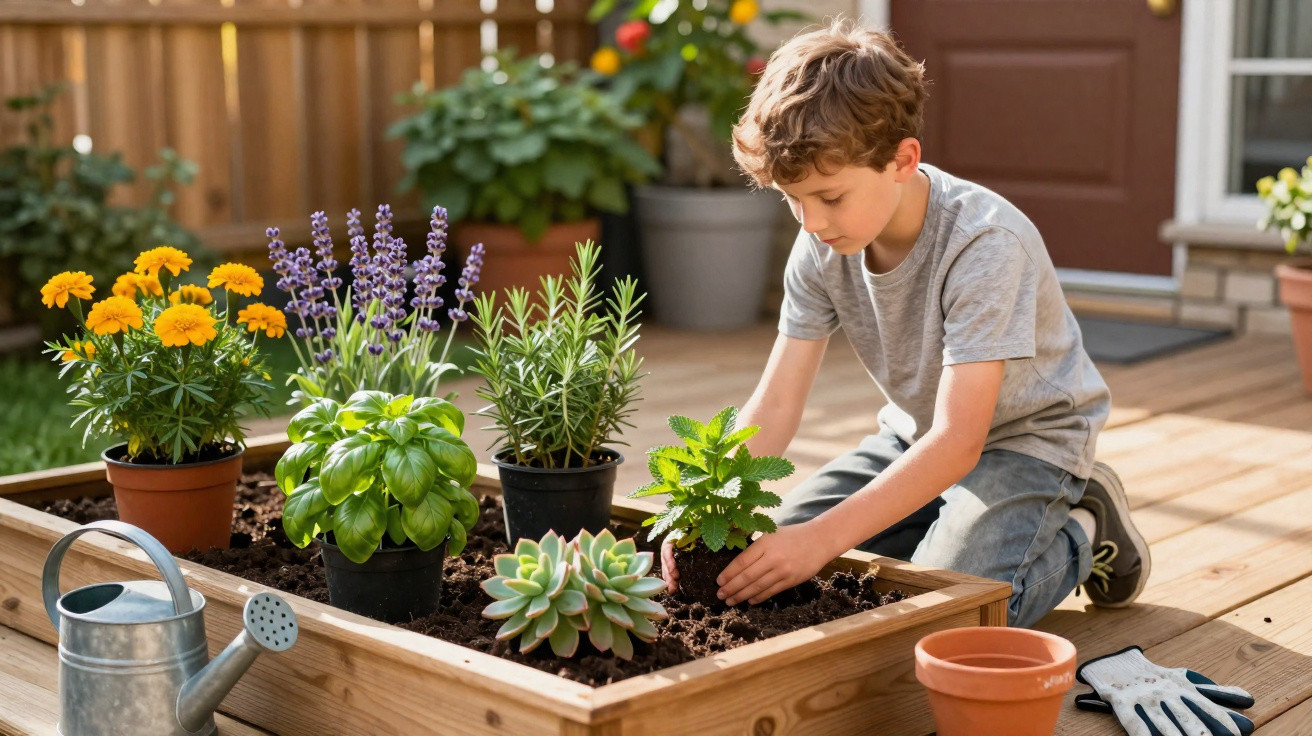
For those who already have children, or garden with neighbours’ children, this can become a shared project: build nest boxes together, plant shrubs and identify bird species. Children then learn playfully how a garden works as a small ecosystem – and delight in seeing the first tit peer curiously from the entrance hole.

Comments
No comments yet. Be the first to comment!
Leave a Comment