
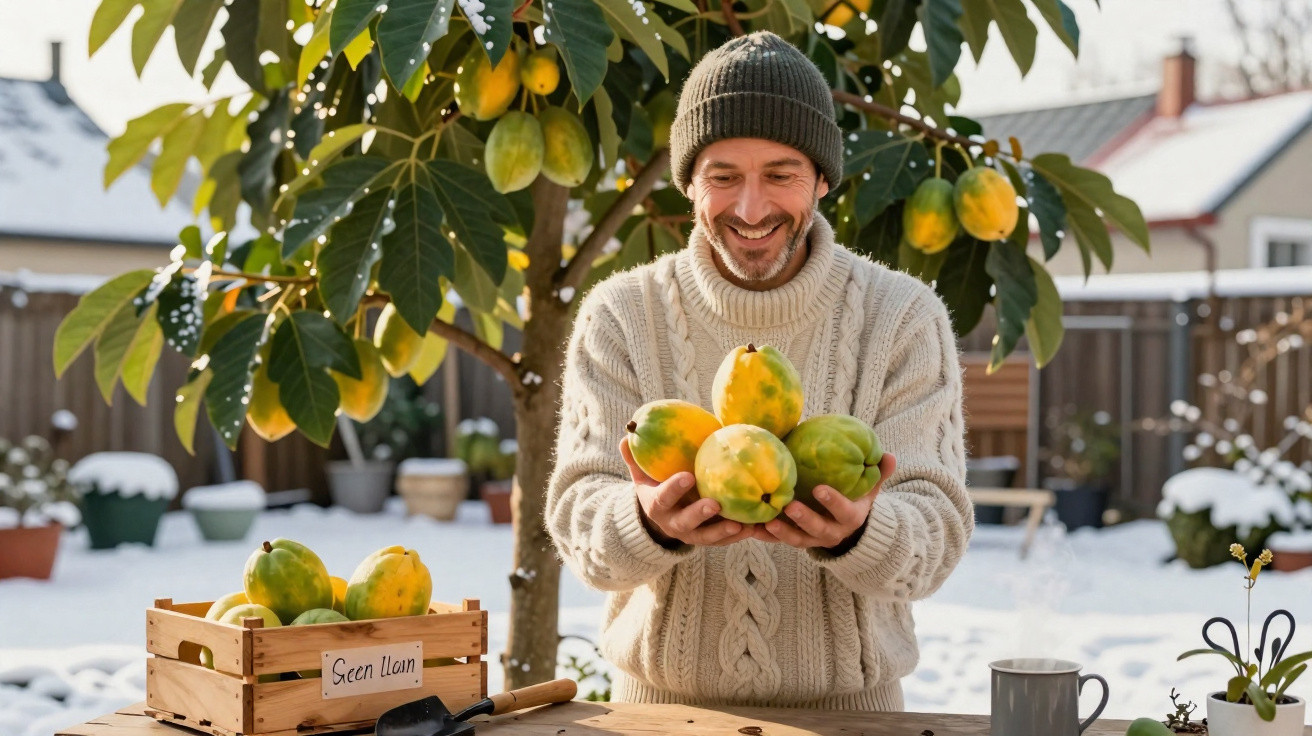
While vegetable beds are frozen and apple trees lie dormant, many amateur gardeners dream of palms, mangoes and warm breezes. Usually, those dreams remain confined to catalogues, because citrus, avocado and similar plants are often considered temperamental here. Yet one little-known fruit tree shows that this view is outdated: it looks as though it belongs in a tropical retreat, but it withstands frosts that push even hardy garden favourites to their limits.
A deceptive appearance: why this tree looks tropical
Anyone seeing this tree for the first time will usually do a double take. Its large, drooping leaves can reach 30 centimetres in length, creating dense foliage and an almost jungle-like feel. Instinctively, you would expect it to need a heated conservatory or, at the very least, a mild Mediterranean climate.
This very appearance held the tree back in Europe for decades. Many gardeners simply assume that it would not survive its first serious frost. Large, soft leaves are automatically associated with a delicate plant.
“The tropical appearance is deceptive: this tree comes from regions with sharply cold winters, not the South Seas.”
In reality, it originates in North America, where it grows in areas that regularly experience double-digit sub-zero winter temperatures. Its looks therefore tell an entirely different story from its genetics.
The pawpaw: hardy down to minus 25°C
The star of this winter tale is the pawpaw (Asimina triloba), also known as the American pawpaw. It grows from the northern United States into southern Canada, regions that are no strangers to severe winters.
While fig trees begin to suffer at around minus 10 to minus 12°C, the pawpaw tolerates considerably colder conditions. It is hardy down to approximately minus 25°C. That makes it suitable not only for relatively mild sites, but also for locations such as:
- the Upper Rhine Valley and southern Germany
- windy northern plains
- cooler upland areas in low mountain ranges
Even when the ground remains frozen for days in January, its roots take this in their stride. The tree simply waits for temperatures to rise before bursting into growth in spring. For anyone hoping to expand their fruit garden without worrying each year about whether exotic trees will survive, that is a compelling advantage.
Mango fragrance from the north: what pawpaw fruits taste like
Its winter hardiness is impressive, but the real surprise hangs from its branches in autumn. Pawpaw fruits are rather unassuming in appearance: greenish to yellow, frequently egg-shaped and covered by a relatively thin skin. Inside, however, is a dessert-like experience that no supermarket can provide.
The flesh has the consistency of a rich, creamy pudding. Its flavour is often described as a combination of:
- banana
- mango
- a hint of pineapple
- and a subtle vanilla note
“No other fruit tree that can be grown locally delivers such pronounced ‘tropical flavours’ while being fully winter-hardy.”
It is hardly surprising that the tree is often called the “mango of the north”. It also has nutritional merits: its fruits contain plenty of vitamins, minerals and amino acids, and outperform apples or peaches in many respects.
One major drawback for commercial retailers works to the home gardener’s advantage: the fruits do not store or travel well. They continue ripening quickly, become soft and keep for only a short time. This makes them impractical for supermarket chains, but ideal for the garden, where eating them straight away is the only option that really makes sense.
How to grow pawpaw in the garden
For this exotic-looking tree to become a reliable source of fruit, a few basic rules matter. The most important is that a pawpaw needs company.
No partner, no fruit
Most varieties are not self-fertile. A single tree may look attractive, but it will often produce no crop. For dependable pollination:
- plant at least two trees
- combine different varieties where possible
- allow a spacing of three to four metres
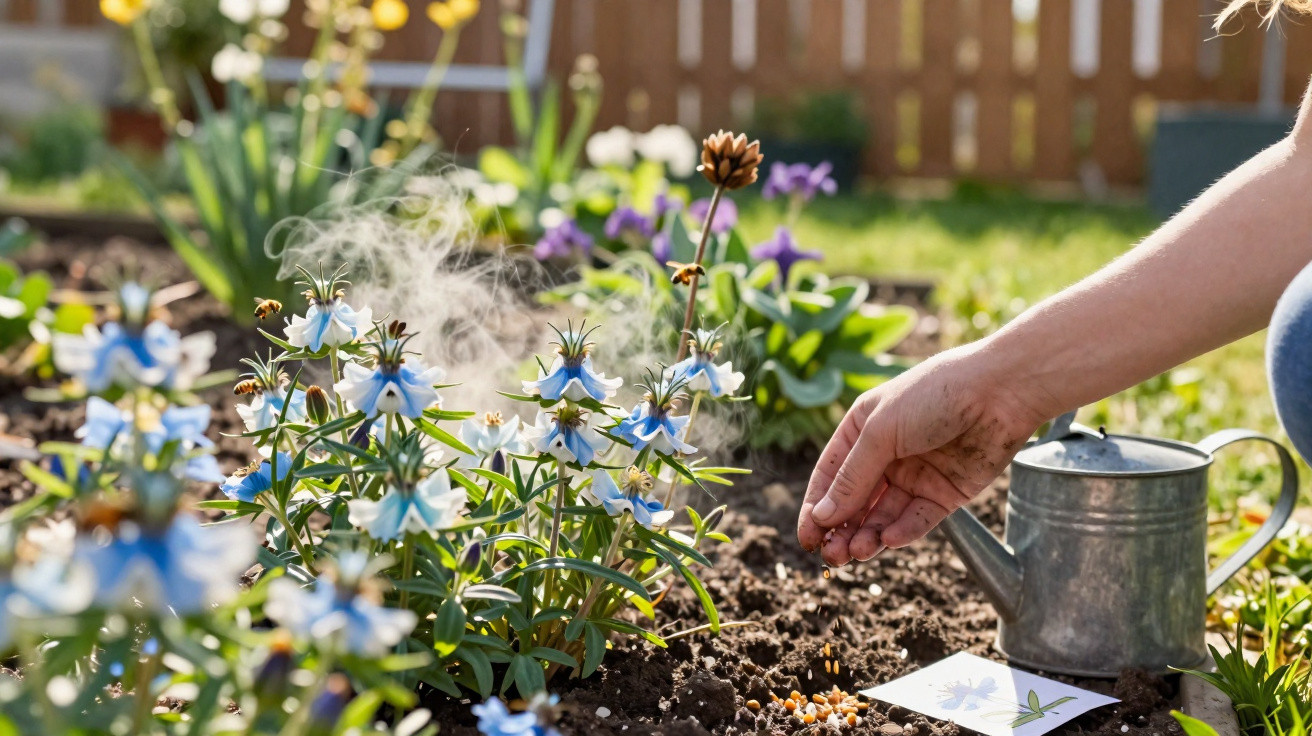
Bees and other insects will then pollinate the flowers between the trees. In some gardens, it helps to make the area around them insect-friendly, for example by planting flowering perennials, so that sufficient pollinators are active nearby.
Site, soil and planting
The pawpaw is not exceptionally demanding, although it does favour certain conditions. Here is a quick overview:
| Aspect | Recommendation |
|---|---|
| Soil | Deep, humus-rich, slightly acidic to neutral, and not overly calcareous |
| Moisture | Evenly moist, with no persistent waterlogging or extreme drought |
| Position | Full sun to partial shade; a sheltered spot is beneficial |
| Young plants | Protect from intense midday sun during the first few years |
Its root system deserves particular care. The tree forms a pronounced taproot, which reacts sensitively to damage.
“Anyone who tugs roughly at the root ball while planting risks years of stalled growth – so handle it gently.”
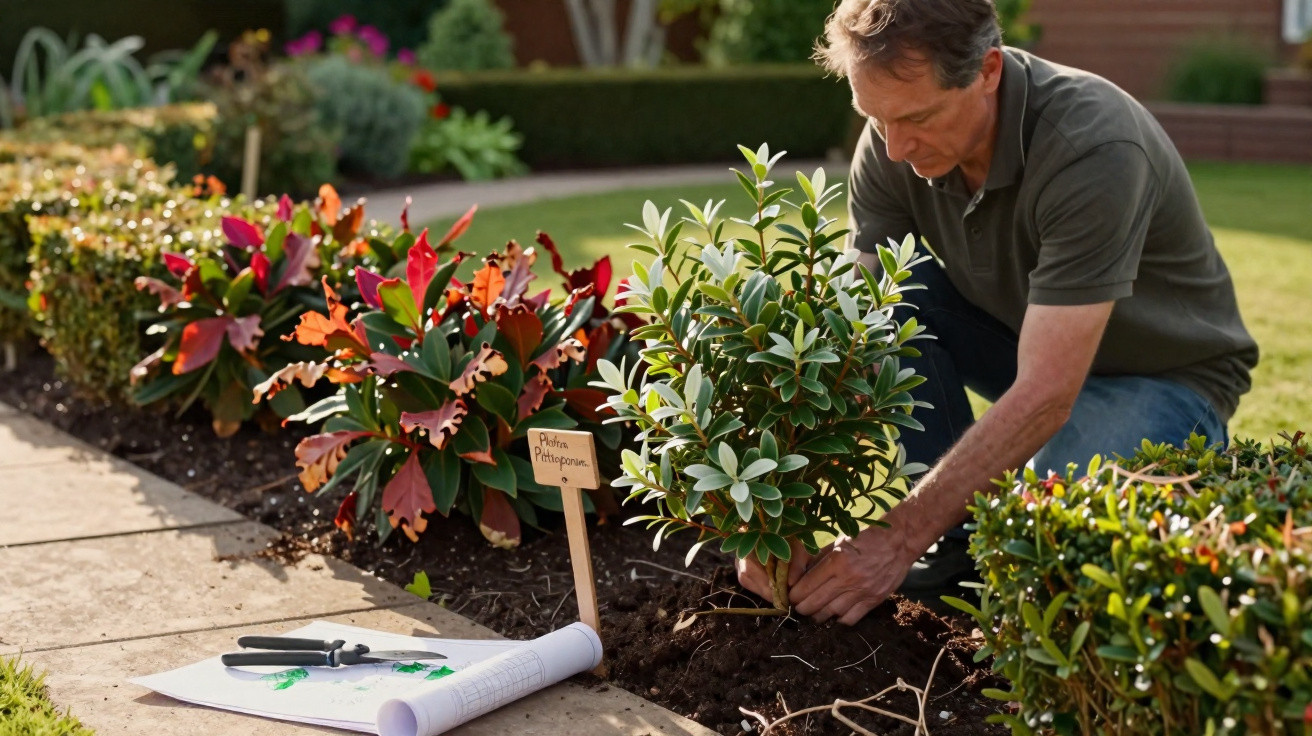
A location where it can remain undisturbed permanently is ideal. Pawpaw trees dislike being moved. Plant preferably during the leafless season, provided the soil is not completely frozen.
Low-maintenance, tough and rarely troubled by pests: an ideal tree for easy-going gardeners
Once established, a pawpaw requires remarkably little attention. Many of the typical problems affecting traditional fruit varieties do not arise in the first place. While peaches battle peach leaf curl and apple trees are regularly hit by scab and maggots, the pawpaw is usually unaffected.
Its leaves contain natural compounds that deter many leaf-eating insects. Sprays are generally unnecessary. This is welcome news for anyone who prefers gardening without synthetic products, while also noticeably reducing the workload.
Its growth habit also suits modern, smaller gardens. Reaching around four to five metres in height, it remains relatively compact. It can be incorporated easily into mixed fruit-growing areas without dominating everything else.
Can it replace apples and cherries?
It is unlikely to displace the garden classics completely, as apples, cherries and plums are too firmly embedded in everyday cooking. However, it stands out clearly when it comes to unusual flavour experiences. For many gardeners, it becomes a quiet favourite because it fulfils several wishes at once:
- an exotic taste experience
- excellent winter hardiness
- minimal maintenance
- hardly any need for plant protection
Anyone wanting to make their fruit garden more modern and diverse will find the pawpaw a strong candidate. Visitors often react with disbelief and amazement, followed by an immediate urge to taste it when the first ripe fruit is opened.
Practical tips for harvesting, storing and using pawpaw fruit
The fruits are generally ripe from late summer into autumn, depending on the region and variety. They yield slightly when pressed and can often then be lifted from the branch almost by themselves. Firm, rock-hard fruits have not yet ripened properly.
There is only a brief window after harvesting. Pawpaws keep for a few days in the refrigerator; at room temperature, they ripen rapidly and turn soft. Many gardeners eat them fresh from the tree or turn them into:
- frozen cream, similar to ice cream or sorbet
- dessert sauces
- smoothies
- jam blends with apple or pear
The skin is not normally eaten, nor are the large seeds inside the fruit. The easiest method is to halve the fruit, scoop out the flesh with a spoon and remove the seeds.
What beginners often misjudge
Those trying pawpaw for the first time commonly fall into two traps. First, many underestimate how long the tree takes to fruit: two to three years after planting is normal, and sometimes longer, before worthwhile harvests begin.
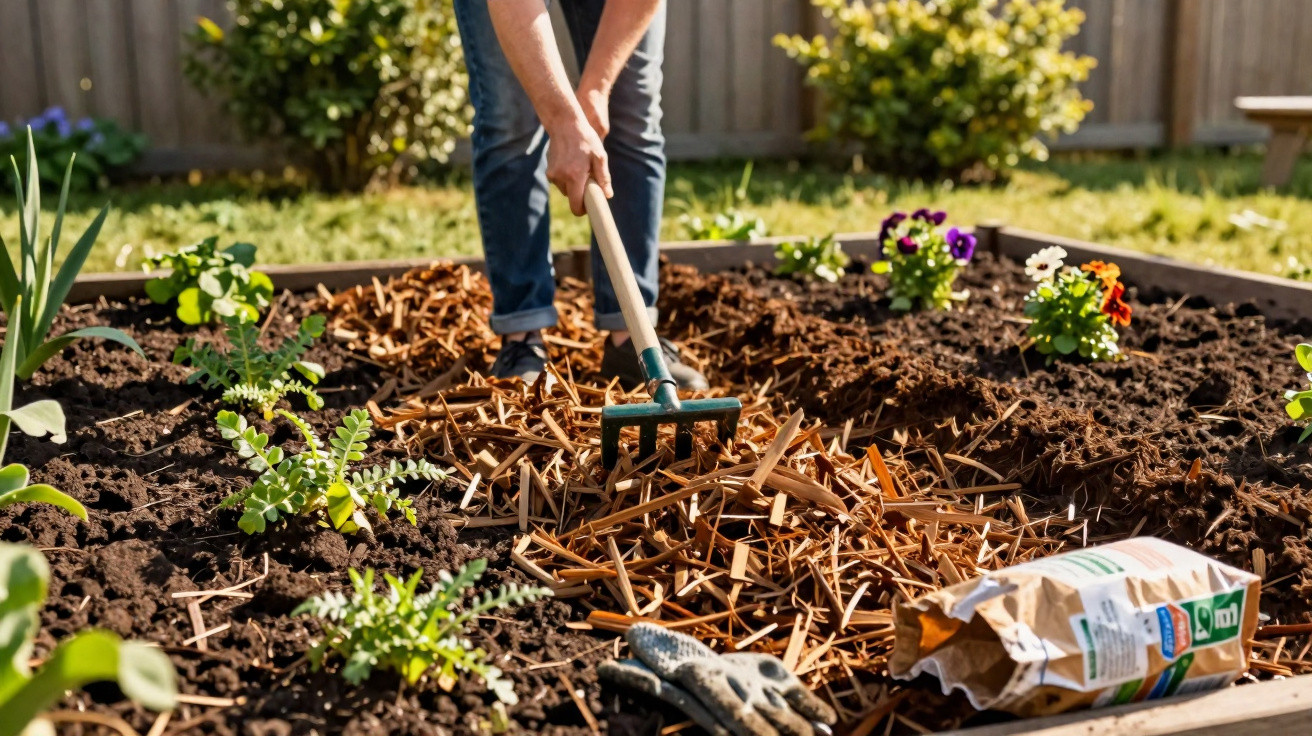
Secondly, some sites lead to disappointment. The tree languishes in very heavy, waterlogged soil, while in bone-dry sandy ground it suffers despite its frost resistance. Improving the soil thoroughly with plenty of compost can often work wonders.
It is also useful to look at the flowers. They appear in spring, are fairly dark in colour and initially seem rather understated. Anyone seeking spectacular blossom would be better served by ornamental cherries. Those prioritising yield and flavour, however, will find the pawpaw an especially exciting choice.
Why it is worth trying a pawpaw planting now
Many people regard winter as a dead period in the garden, yet it is an ideal planting season for robust trees as long as the ground is not continuously frozen. Planting a pawpaw now gives it a head start: by summer, it will have established roots and cope better with dry spells.
At the same time, it equips the garden with a genuine talking point. A tree that looks like a Caribbean holiday, loves biting cold and produces mango-scented fruit is something few people have growing behind their home. That is precisely its appeal for anyone who wants more than the next apple from a standard garden-centre tree.
Comments
No comments yet. Be the first to comment!
Leave a Comment