
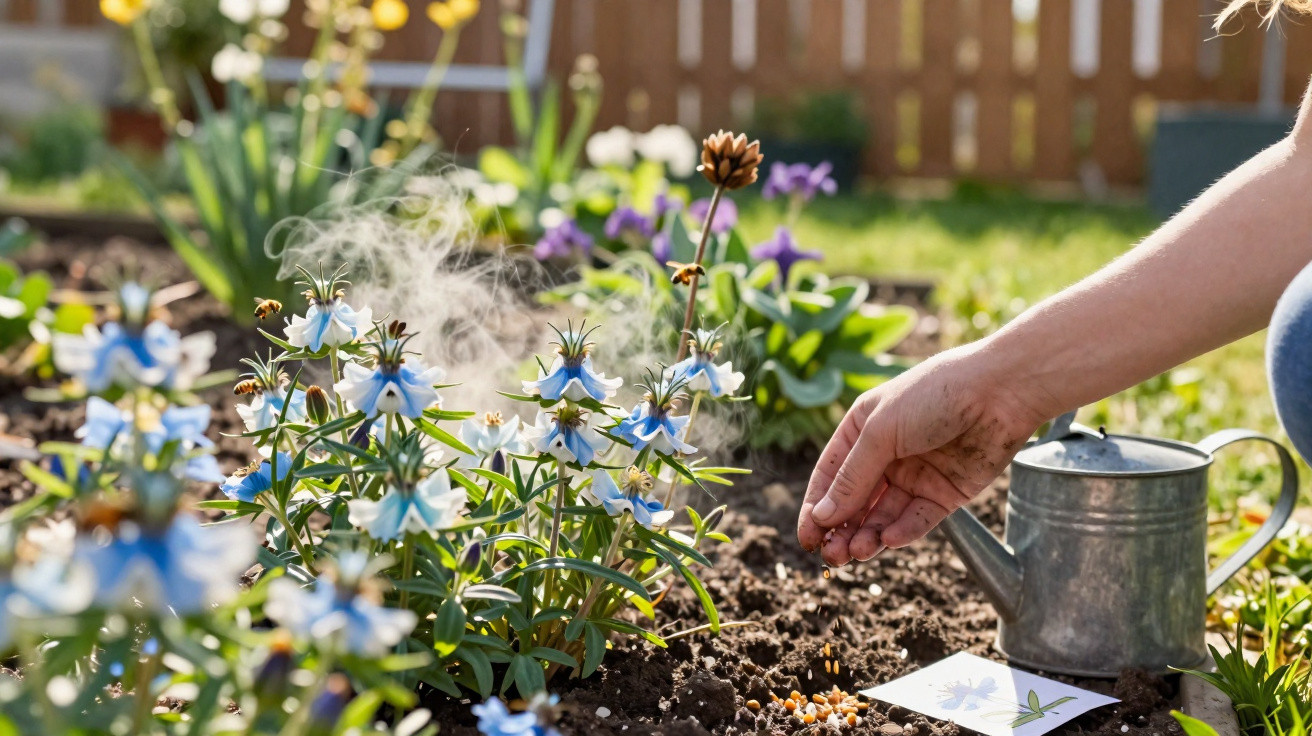
Anyone reaching for a packet of seeds in March can tick off several gardening wishes with one flower: little effort, plenty of colour and a genuine benefit for nature. The plant in question is love-in-a-mist, also known as Nigella damascena. This delicate cottage-garden favourite is currently enjoying a revival because it virtually grows by itself, attracts insects and, later in the year, becomes a natural feeding station for garden birds.
Why love-in-a-mist is the quiet star of the spring border
In many garden centres, packets of Nigella seeds can look rather inconspicuous on the shelves beside much showier varieties. Yet this traditional cottage-garden plant has exactly what today’s amateur gardeners want: it has a delicate appearance, manages with minimal care and also supports the ecological balance of the garden.
“Love-in-a-mist combines a romantic look with practical benefits for birds, bees and the vegetable garden.”
Its finely divided foliage is distinctive, forming a green cloud around the flowers. This gives every border a softer, more lively feel, with nothing looking overly formal or ‘over-designed’. Where bare soil would otherwise show between perennials, Nigella creates an airy sea of blooms in early summer.
Pastel stars that catch the light
The flowers themselves resemble small stars with an intricate shape. Depending on the variety, they shine in sky blue, soft pink or simple white. These pale pastel shades reflect sunlight and can brighten even shadier corners.
This makes the garden seem less grey and tired, particularly on dull spring days. Many amateur gardeners deliberately sow love-in-a-mist in areas that previously felt a little uninteresting: in front of dark hedges, between fruit bushes or along the edge of the vegetable plot.
Early, abundant flowers with little effort
Sowing in March will usually bring the first carpet of flowers by late spring or early summer. The plants develop quickly and fill gaps before other perennials have properly got going. As the soil soon becomes well covered, there is less need for weeding.
- It germinates quickly in moderate temperatures.
- It shades the soil, so fewer weeds emerge.
- It flowers for a long time and generously without frequent feeding.
- It suits borders, front gardens, raised beds and even larger pots.
It is especially useful for anyone wanting an uncomplicated family garden: children enjoy the delicate blooms and, later, the exotic-looking seed pods, while adults appreciate the very limited time needed for maintenance.
Sowing love-in-a-mist in March: site and soil
The good news is that Nigella is one of those plants that prefers to be left alone rather than fussed over. Even so, a few basic guidelines will help ensure that March sowings germinate reliably.
“Plenty of sun, loose soil and little wetness – love-in-a-mist demands very little more.”
Choosing the right garden position
A site in full sun, or at least light partial shade, is best. Overly dark spots result in long, weak stems and fewer flowers. Suitable places include:
- beds in front of a house wall that receives morning sun
- edges of vegetable beds
- spaces between roses or lavender
- strips beside a garden path
The plant is remarkably undemanding about soil. It can cope with poor ground, but the soil should drain water effectively. Waterlogging can easily lead to root rot, especially during wet spring weather.
How to sow: directly into the border, not on the windowsill
Nigella develops a strong taproot, and it does not respond well if this is damaged. Sowing directly outdoors is therefore far more worthwhile than raising plants in pots.
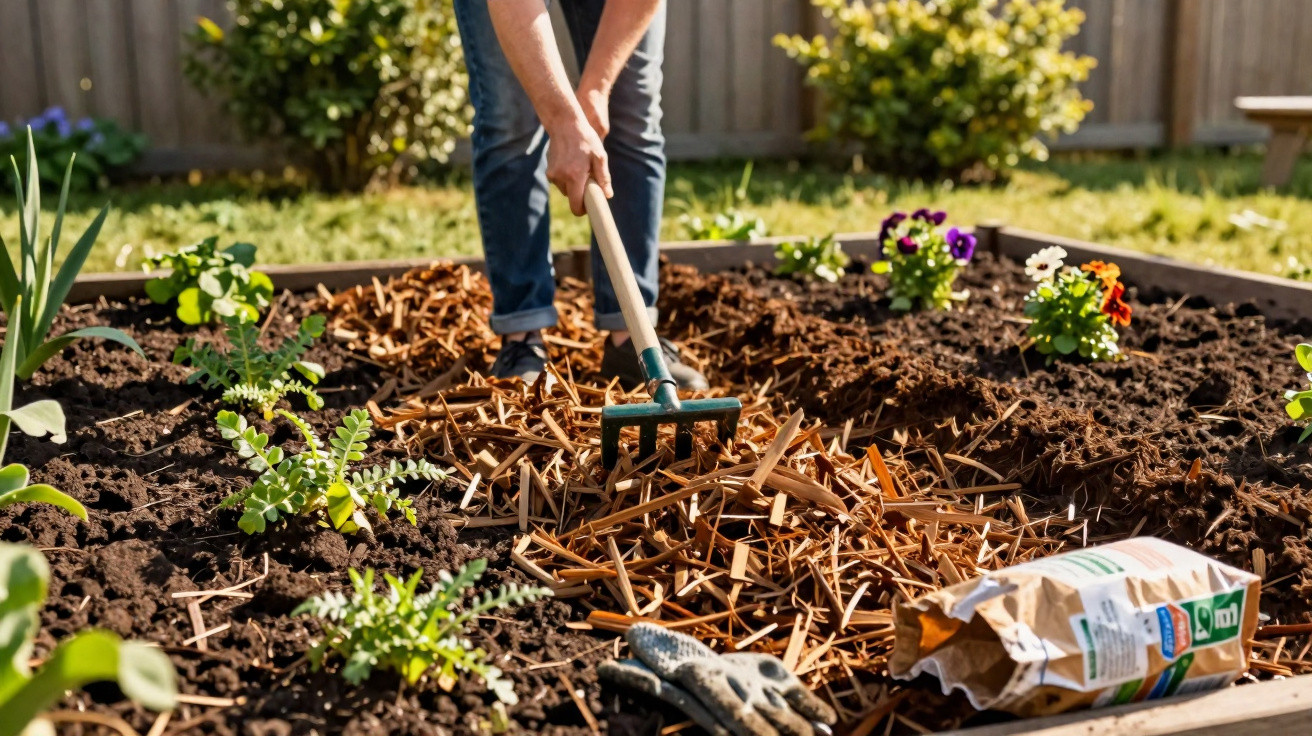
- Loosen the bed roughly, removing stones and large clods.
- Rake the soil lightly; a finely prepared seedbed is unnecessary.
- Scatter the seeds thinly by hand, avoiding overcrowding.
- Press them down gently or cover them with a thin layer of soil.
- Water carefully so that the seeds are not washed away.
Very little else is needed at first. Light rain or gentle watering will keep the soil moist until the first seedlings appear. Afterwards, normal rainfall is sufficient in most locations.
For quicker results: planting young plants
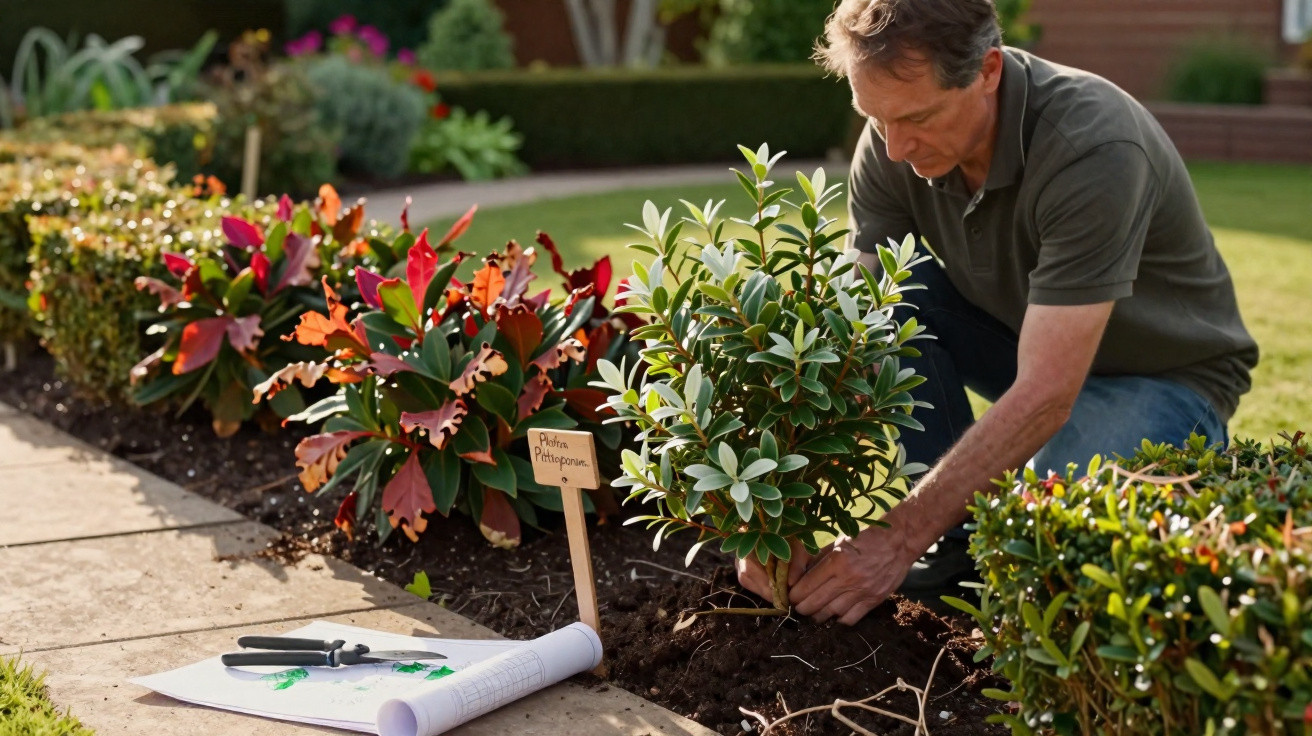
Those who are impatient can also find pre-grown young plants in shops during spring. In that case, disturb the roots as little as possible. Keep the entire root ball intact and place it in a prepared planting hole.
Heavy clay soils can be opened up with a little sand or fine grit. This allows excess water to drain away more easily. Water thoroughly once after planting, then only intervene during prolonged dry spells.
Bee magnet and bird buffet: why the plant matters ecologically
Its attractive appearance is only half the story. Anyone growing Nigella in the garden will soon notice how much more life there is in the air. In terraced housing areas or on balconies in particular, every square metre of habitat is valuable to wildlife.
“Each individual plant acts like a small filling station for wild bees, bumblebees and, later, hungry garden birds.”
Nectar-rich flowers for pollinators
Love-in-a-mist is one of the classic bee-friendly plants. Its flowers provide generous quantities of nectar and pollen at exactly the time when many insects are becoming active again after winter. Typical visitors include:
- honeybees from hives in the neighbourhood
- wild bees nesting in wall crevices or sandy patches
- bumblebees, which are active even in cooler temperatures
- small butterflies that pause briefly on the blooms
Anyone with fruit trees or berry bushes in the garden benefits twice over: more pollinating insects generally also mean more apples, berries and similar crops. Flowering strips of Nigella therefore provide indirect support for the entire productive garden.
Velvet-like pods as winter food for birds
After flowering, the plant produces unusual, rounded seed pods that sit on the stems like small globes or lanterns. If left in place, they dry into an attractive display and begin a new phase in the gardening year.
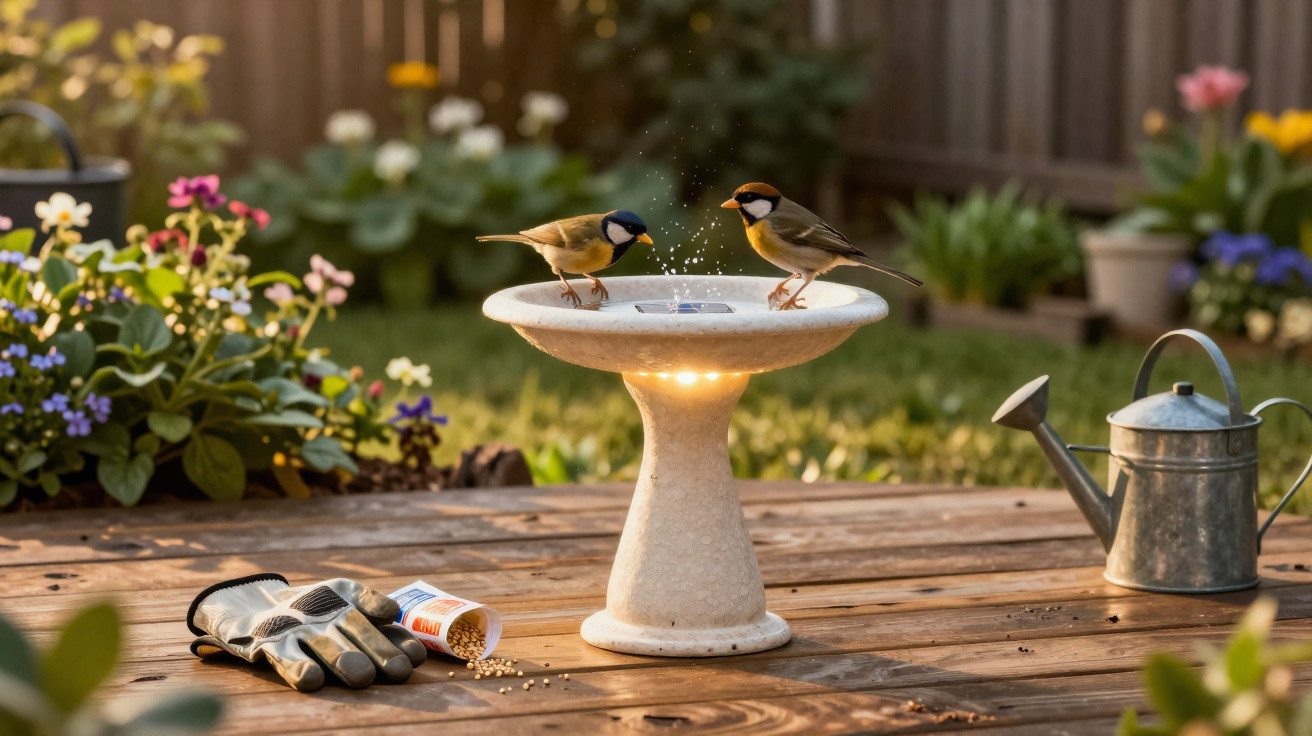
Inside are numerous black seeds. Many bird species pick at them as a welcome snack when natural food becomes scarce in autumn and winter. By not cutting the plants back, you create a natural feeding spot without needing extra fat balls.
This approach also enables the plant to self-seed. At some point the ripe pods split open, the wind distributes the seeds, and fresh young plants emerge in many places the following spring.
Flowers year after year – with almost no intervention
One of love-in-a-mist’s greatest strengths is that it sustains itself in favourable sites. Once established, it barely needs resowing.
| Month | What happens in the garden |
|---|---|
| March/April | Sowing, or the first appearance of self-sown seedlings |
| May/June | Flowering period, with busy activity from bees and bumblebees |
| Late summer | Seed pods ripen and birds help themselves |
| Autumn | Seeds drop, creating a new generation for the following year |
Many gardeners only need to make occasional adjustments, thinning seedlings that are growing too closely together in spring or harvesting selected pods to scatter elsewhere.
Just a few care measures are enough
Simply cut off damaged leaves or bent stems close to ground level. Feeding is usually unnecessary; in soil that is too rich, the plants may grow tall but are more likely to flop over.
Instead, a relaxed planting mix is worthwhile: Nigella works well alongside other low-maintenance plants, such as cornflowers, common poppies or pot marigolds. The result is a natural-looking, colourful display that offers something for almost the whole year.
What else amateur gardeners should know
The black seeds of love-in-a-mist appear in some recipes and old herb books. However, they are not the same as the ‘black cumin’ spice sold commercially. Anyone wishing to explore their culinary use needs reliable information and should not confuse the different varieties.
In small gardens or front gardens, this plant is an excellent introduction to wildlife-friendly gardening: it demonstrates how attractive borders can become when more space is allowed for wildlife. Those who enjoy the approach can later expand it with insect hotels, native perennials or a small wildflower meadow.
Love-in-a-mist also works well as a hands-on plant for children in the family. They can sow it, watch it grow, touch the distinctive pods and observe tits and sparrows pecking at them in autumn. It makes clear that a flowering garden is more than decoration – it is a small, living ecosystem right outside the front door.
Comments
No comments yet. Be the first to comment!
Leave a Comment