
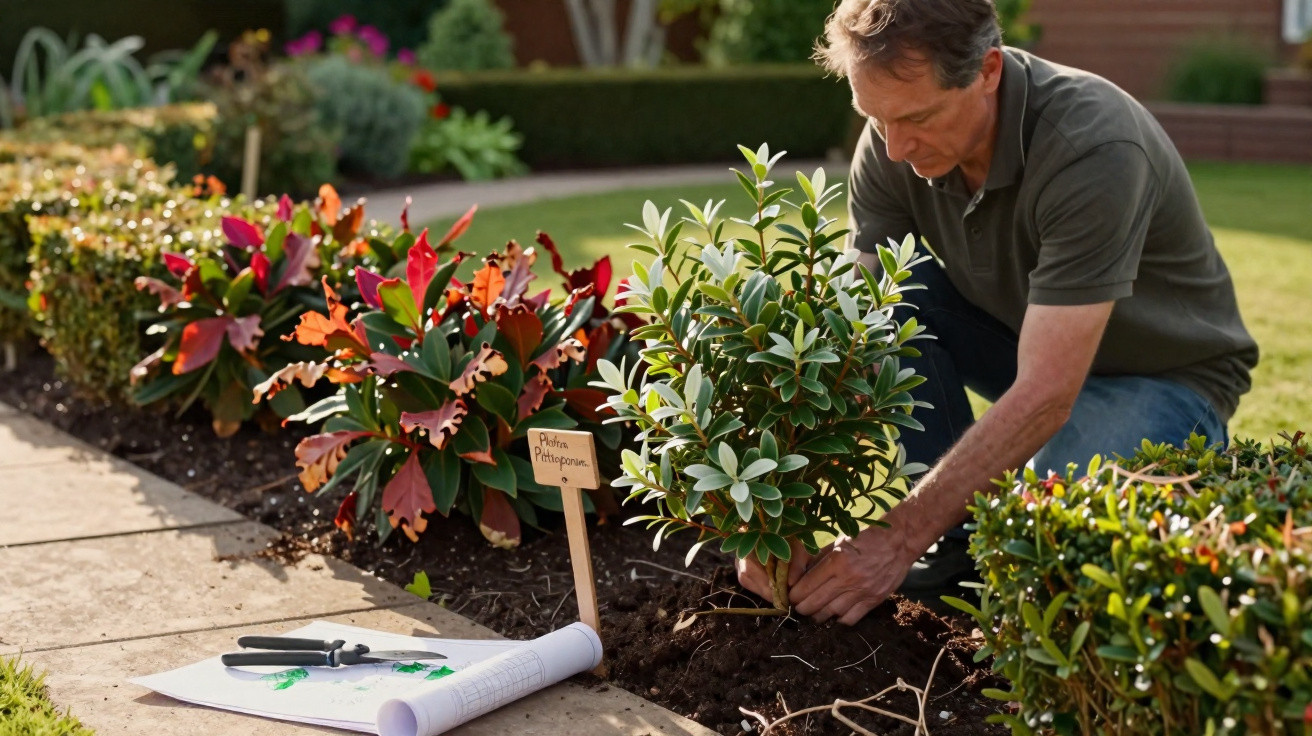
For years, Photinia, with its red foliage, was regarded as the darling of contemporary gardens. Now attitudes are changing: diseases, bare patches and demanding maintenance are frustrating an increasing number of garden owners. At the same time, another shrub is gaining ground. Already tipped in France as a hedge favourite for 2026, it also has every chance of becoming the new standard in Germany.
Why Photinia, the former hedge star, is suddenly causing problems
Photinia, often sold as red tip, was long considered a quick solution: fast growth, dense screening and vivid red new foliage in spring. It seemed ideal for anyone wanting to hide the neighbouring house as quickly as possible.
Changing weather patterns are now revealing its downside. Milder winters and damp springs encourage fungal diseases, leaving foliage spotted and unattractive. Those unlucky enough may barely recognise their formerly smart privacy screen.
Many Photinia hedges now look tired, blotchy and full of holes after only a few years – despite regular care.
Gardeners commonly report the following issues:
- Brown or black spots on the leaves
- Early leaf drop, making hedges increasingly transparent
- Constant trimming to remove bare shoots
- Heavy use of fungicides or home remedies – with limited success
Anyone who originally planted their hedge as an easy-care, lasting solution can therefore end up in a cycle of more work, more frustration and less privacy. This is precisely when many people start looking for alternatives.
The new favourite: Pittosporum as a resilient hedge wonder
One name is appearing more and more often in specialist circles: Pittosporum. In German garden centres, it is generally listed as Pittosporum, often under cultivar names such as “Golf Ball” or “Silver Queen”.
What makes this shrub so appealing for modern hedges?
Strong resilience rather than a troublesome plant
Pittosporum has dense evergreen foliage and copes far more calmly with fluctuating weather conditions. Many varieties tolerate dry spells, withstand wind and are considerably less prone to the common leaf diseases affecting Photinia.
In many regions, Pittosporum is considered a dependable workhorse in the garden – rarely affected by disease and attractive for a long time.
It is particularly appealing for amateur gardeners because it offers:
- Evergreen screening throughout the year
- A markedly lower susceptibility to leaf fungi
- Moderate growth, meaning less drastic pruning
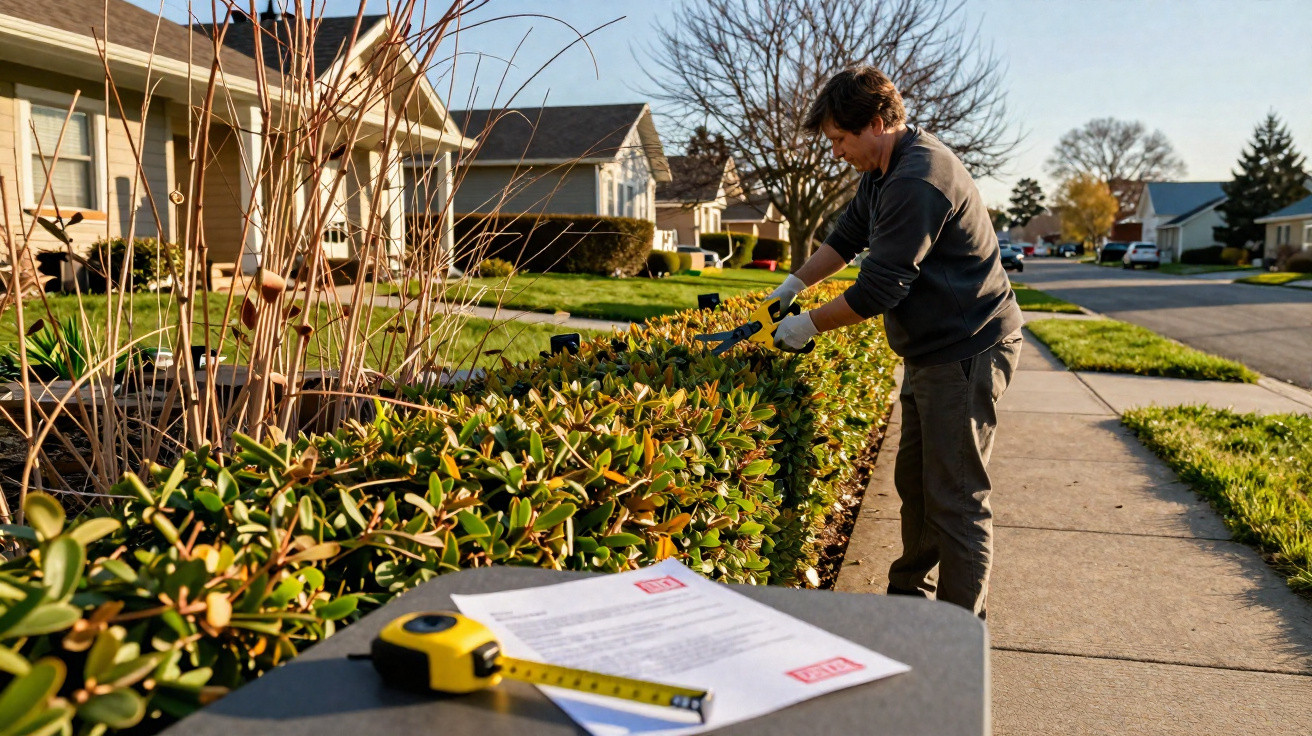
- Usually only one shaping cut per year
Anyone who previously faced their Photinia hedge each spring with a spraying schedule and secateurs often finds Pittosporum liberating: plant it, allow it to establish, trim it occasionally – and that is all.
Suitable for formal gardens and wilder corners
Pittosporum has another advantage: it can be used in many ways. Pruned regularly, it forms a crisp, geometric hedge for modern homes. With a less rigid cut, the shrub has a looser appearance and also suits more natural-style gardens.
Many varieties also offer striking leaf colours, ranging from rich green to variegated foliage with cream edges and slightly silvery tones. This can visually lift the often monotonous ‘green wall’ at the front of a garden.
Mixed hedges: why a varied privacy screen is more robust
Alongside the move away from the Photinia boom, garden experts are increasingly recommending mixed hedges. The thinking behind this comes from forestry and agriculture: diversity makes planting schemes more resilient.
Combining several shrubs spreads the risk – if one species fails, the privacy screen remains in place.
Popular companions for Pittosporum include:
- Elaeagnus (oleaster): extremely robust, wind-resistant and sometimes with silvery foliage
- Cornus sanguinea (common dogwood): red stems in winter and a colourful focal point
- Ligustrum (privet): a classic hedge favourite that tolerates clipping well and grows densely
- Osmanthus (sweet olive): evergreen, with delicate, strongly fragrant flowers
The result is not a uniform block that becomes bare, but a living structure. Depending on the season, something flowers, leaves change colour or bark catches the light in different shades. Birds and insects also find more food and shelter.
Less pruning, more life in the garden
Mixed hedges do not need to be clipped to the same height throughout. Some shrubs can grow a little taller, while others remain more compact. This reduces the annual burden of hedge trimming and creates a more natural look.
Typical benefits of a well-planned mixed hedge include:
- A substantially lower risk of total failure caused by a single disease
- More garden structure instead of a ‘green wall’
- A longer flowering and fruiting period spread across the year
- More wildlife in the garden, from pollinators to songbirds
How homeowners can move away from Photinia
Anyone with an already struggling Photinia hedge does not need to remove everything overnight. A gradual conversion is kinder to both the budget and the nerves.
| Step | Action |
|---|---|
| 1 | Selectively remove diseased, heavily defoliated plants |
| 2 | Replant gaps with Pittosporum or other resilient shrubs |
| 3 | Replace further weak Photinia plants over the following years |
| 4 | Shape the hedge lightly rather than cutting it back severely |
In this way, a mixed hedge gradually develops, with Photinia playing only a minor role – or disappearing altogether if the problems outweigh its benefits.
Site, soil and climate: when Pittosporum is genuinely suitable
Despite its resilience, Pittosporum is not suitable for every situation. For plants that remain healthy over the long term, it is worth assessing local conditions carefully.
- Position: bright to partially shaded; a sheltered spot is advantageous
- Soil: free-draining, with no prolonged waterlogging
- Climate: many varieties are reliably hardy in mild regions; in exposed, harsher areas, choose protected positions
In very cold areas, established hedge favourites such as privet, hornbeam or native wild shrubs may be the better option. What matters is that plants suit the climate in your own garden – rather than merely looking good on social media.
What new hedge planters should consider now
Anyone planning a hedge for 2026 has a wider choice than they did only a few years ago. The key question is: do I want maximum speed, or long-term resilience? Many experts now advise against choosing on growth rate alone.
A future-proof hedge meets several criteria:
- It copes with drier summers and changeable winters
- It needs few chemical plant protection products
- It provides a habitat for wildlife
- It can be kept under control without specialist knowledge
Pittosporum fits this profile remarkably well, particularly when combined with other robust species. Those planting now can spare themselves many concerns later on.
A calmer garden: moving away from fashion and towards a lasting solution
The shift away from the Photinia craze reflects a broader change: gardens should create less stress while still looking good. Purely ornamental plants are giving way to species that are more forgiving of climate extremes, fungi and maintenance mistakes.
Pittosporum is emblematic of this trend. The shrub does not promise dramatic effects such as brilliant red new growth in spring, but it provides what is becoming more important to many people: dependable privacy screening, fewer diseases and manageable care. Combining it with an intelligently planned mixed hedge prepares a garden for the years ahead – without having to worry every spring about whether the hedge will develop spots again.

Comments
No comments yet. Be the first to comment!
Leave a Comment