
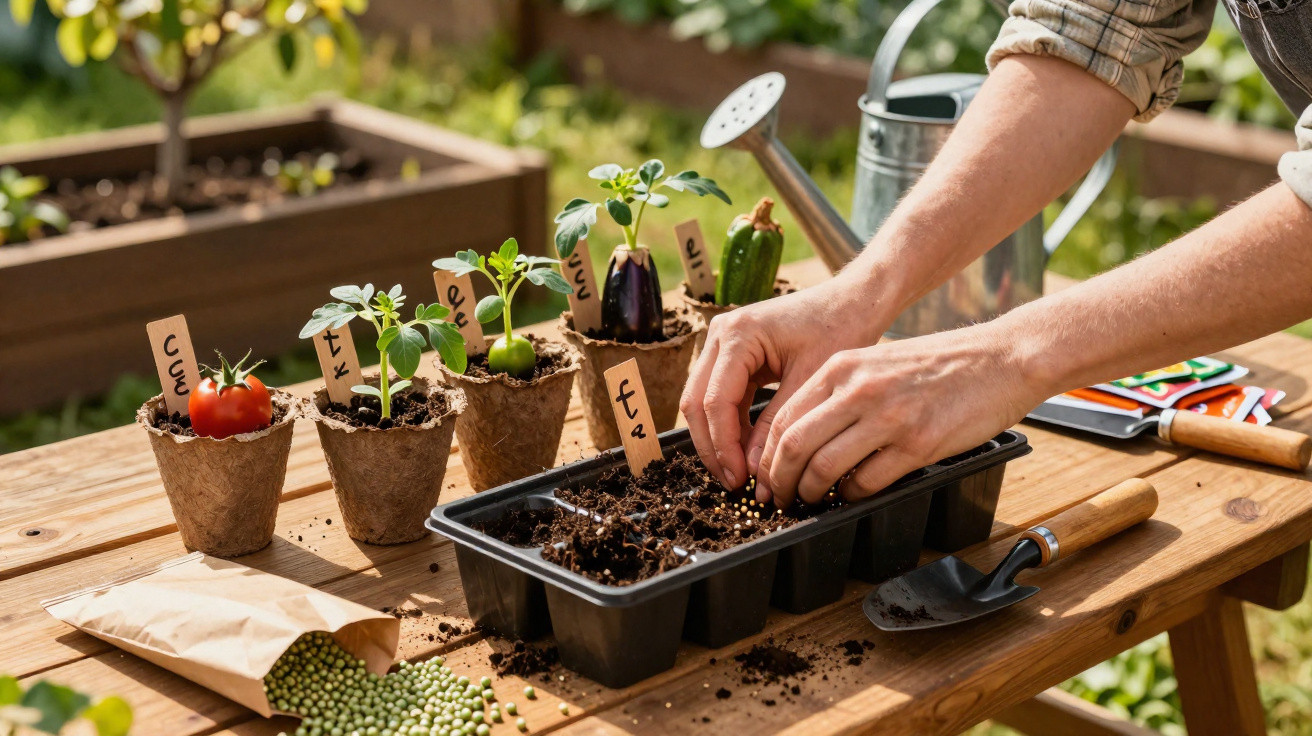
Anyone hoping to harvest their own vegetables in summer must not delay in March – some varieties do not forgive a late start.
At the end of winter, the vegetable plot often still looks bare, yet the desire for sunshine and fresh tomatoes is already growing. The choices made now determine whether there will actually be something on the plate in June and July, or whether harvesting slips back into autumn again. Some vegetables simply need more time than many amateur gardeners realise.
Why March determines the summer harvest
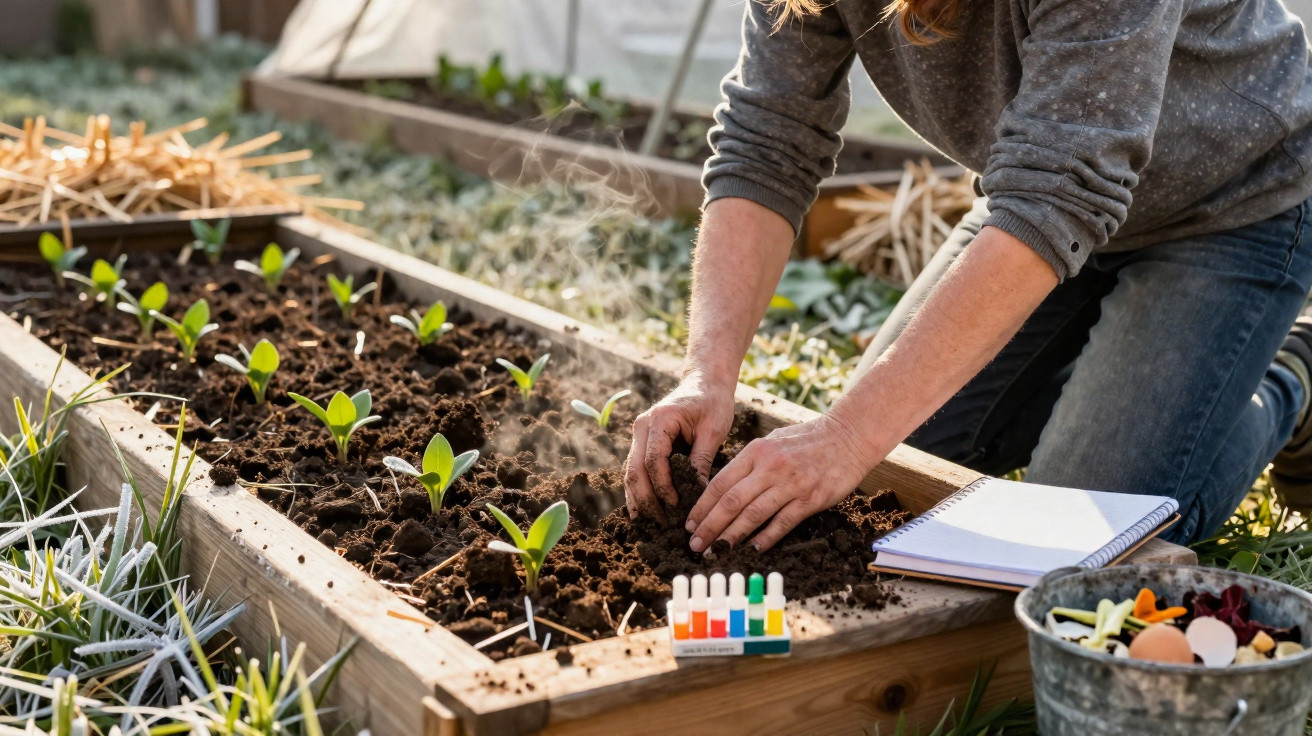
March marks the beginning of active work in the vegetable patch. Days grow longer, the soil begins to thaw and the sun becomes stronger. Sowing and planting now makes full use of that head start.
March gives young vegetable plants several extra weeks to grow – turning late-autumn vegetables into a crisp summer harvest.
Three factors are particularly important:
- Spring temperatures: The first mild days encourage growth without immediately putting plants under stress.
- Root development: In cool soil, roots can establish themselves slowly but reliably before the heat arrives.
- Harvest timing: Those who get started in March can often harvest from June, while anyone who waits may need patience until late summer or autumn.
Slow-growing crops such as peppers or aubergines especially need several months before producing their first fruit. Sowing them in April or May is almost always too late for a plentiful summer harvest.
Tomatoes: summer favourites need an early start
Tomatoes are a favourite vegetable among amateur gardeners, but they also show most clearly why planning matters more than spontaneity. Start raising plants too late and the first harvest often arrives only when the summer holiday is approaching.
The right time for tomatoes
- Now: Start them indoors or in a warm cold frame from now on, at around 18–20 °C.
- Later in the year: Plant outdoors from roughly mid-May, once there is no longer a risk of frost.
How to raise tomato plants successfully
- Sow seeds in small pots filled with loose seed compost.
- Keep the compost evenly moist rather than wet – waterlogging slows germination.
- Move plants outside only once they have developed four to five sturdy leaves.
For an early crop, it is better to choose dependable, quick-ripening varieties instead of exceptionally late specialist cultivars.
Courgettes: rapid growers in the garden
Courgettes are renowned for their exceptional productivity. One or two vigorous plants can often supply an entire family, provided they are started in good time.
When to start courgettes
- Raise them in pots indoors or in a greenhouse during March.
- Plant them out from mid-April in mild areas, or later in cooler locations.
Practical tips for abundant courgettes
- Plant into humus-rich, well-fertilised soil – courgettes are genuinely hungry for nutrients.
- Allow at least 1 metre between plants, as they spread considerably.
- Water regularly and mulch the soil to retain moisture.
An early start often means the first fruits can be picked in June, followed by almost daily harvesting.
Aubergines and peppers: heat lovers with a long growing season
These two vegetables are rightly regarded as southern crops. Without an early warm sowing, the growing season in Central Europe is rarely long enough for an unhurried summer harvest.
Warmth from the outset
- Raise plants indoors in March; 20 °C or slightly more is ideal.
- Plant them outdoors or into an unheated greenhouse after the last late-May frosts.
What the plants need
- Transplant once they have at least six strong leaves.
- Choose a site in full sun that is sheltered from wind and as warm as possible.
- Water consistently without letting the soil dry out severely; mulch helps to reduce heat stress.
Leave it too late and the familiar problem appears: in September, the fruits are still hanging half-green on the plant while nights are already turning cold.
Beans: sow early, harvest for longer
With careful planning, green beans can be harvested over many weeks. The first batch can begin as early as March.
Starting beans
- In mild areas, raise them under a polytunnel from March.
- Plant outdoors once the soil reaches at least 12 °C – usually from April or May.
Growing advice for sturdy plants
- Sow in small clusters of four to five seeds, spaced about 40 centimetres apart.
- Draw up a little soil around the plants so that they stand securely.
- Maintain even moisture while avoiding waterlogging.
Sowing another batch every two to three weeks can noticeably extend the bean season.
Carrots: early sowing for crisp summer roots
Carrots are considered straightforward, but they respond sensitively to compacted soil and dry conditions. An early sowing gives them an advantage on both fronts.
Sowing carrots in spring
- Sow directly into the bed from March, after loosening the soil to a fine texture.
- Cover the row with horticultural fleece if late frost is expected.
Keeping roots tender
- Sow in rows and thin the seedlings once they are about 5 centimetres tall.
- Water regularly; otherwise, the roots tend to split and become woody.
Early varieties can often be harvested by high summer, making them ideal for raw vegetable dishes, juices and light summer meals.
At a glance: what to sow where now
| Vegetable | Sowing in March | Location | Expected harvest |
|---|---|---|---|
| Tomatoes | Yes | Indoors / heated greenhouse | June to August |
| Courgettes | Yes | Indoors / cold frame | June to September |
| Aubergines | Yes | Warm, at least 20 °C | July to September |
| Peppers | Yes | Warm, at least 20 °C | July to September |
| Beans | In mild areas | Under a tunnel / polythene | June to August |
| Carrots | Yes | Directly in the bed | Early summer to autumn |
Tips for strong young plants in March
Anyone sowing indoors or under glass needs to acclimatise young plants to outdoor temperatures. Shock when moving them into the bed is a common mistake.
- Provide protection: Small greenhouses, cold frames or polytunnels keep out wind and cold.
- Water correctly: Keep compost evenly moist, but avoid “puddle cultivation” – otherwise seedlings quickly collapse.
- Give enough light: Bright windowsills or supplementary lighting prevent long, thin shoots.
- Harden off: Put plants outside for a few hours at a time over several days before leaving them outdoors permanently.
The sturdier a young plant is in May, the more calmly it will cope with heat, wind and brief dry spells in summer.
What beginners often underestimate – and how to do it better
Many gardening newcomers quickly put everything they can get hold of into the bed in May. The plants generally grow somehow, but the real harvest is pushed much further back. Keeping an eye on the calendar helps avoid that frustration.
A simple note-taking system is useful: record when each crop was sown, how long germination took and when harvesting began. After one or two years, this creates a personal timetable for the garden, tailored to the region and its microclimate.
More enjoyment through clever combinations
A well-planned March schedule has another benefit: the bed looks structured rather than overcrowded. Fast-growing radishes fit between slower crops such as carrots or parsnips. Lettuce can be planted around the edge of tomato and pepper beds, supplying fresh leaves long before the fruiting vegetables begin to produce.
Those who sow purposefully now can relax and harvest in summer, rather than getting caught up in watering, buying replacement plants and emergency repotting. The real summer vegetable garden is not created beside the barbecue in July – it begins right now, in the still seemingly sparse month of March.
Comments
No comments yet. Be the first to comment!
Leave a Comment