
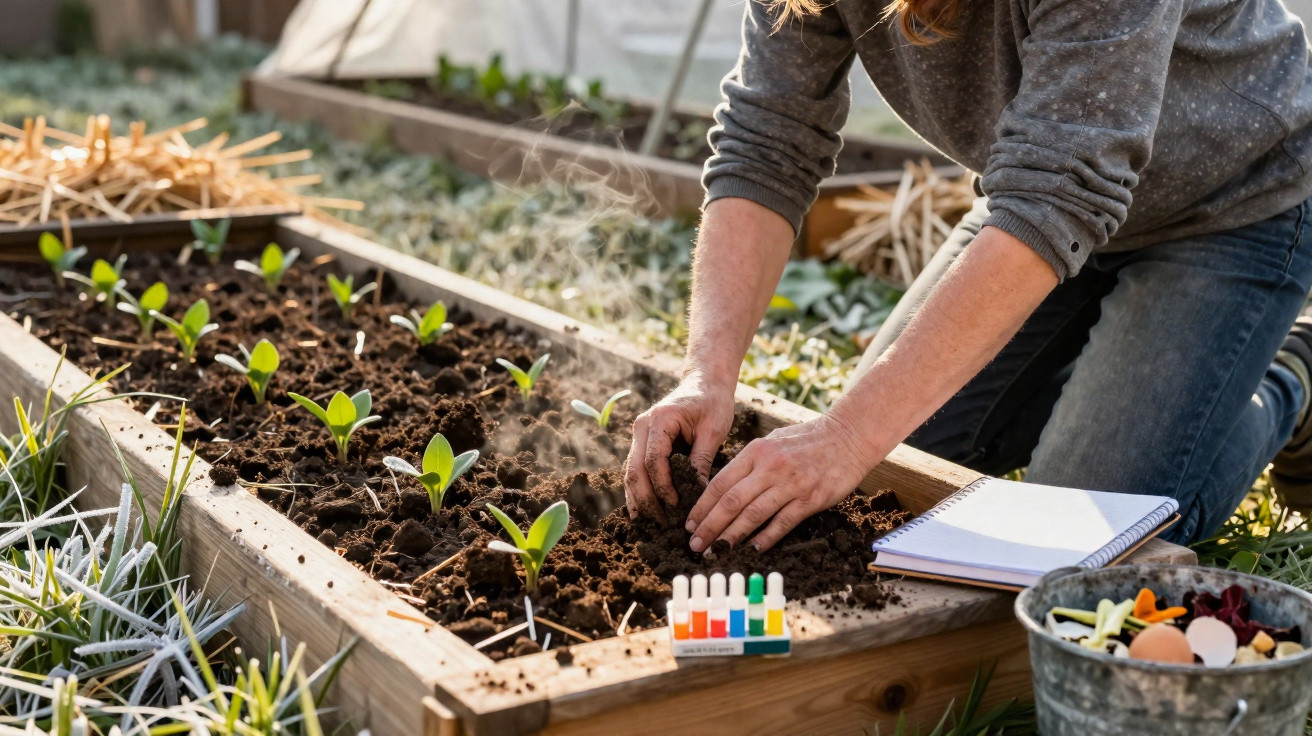
While many amateur gardeners are still waiting for spring, seasoned gardeners begin an understated soil ritual in February.
Anyone hoping for plump tomatoes, crisp salads and overflowing harvest baskets in summer should not wait until sowing time to begin. The real key lies beneath the surface, weeks earlier. Experienced gardeners prepare their soil in late winter so that beds are virtually ready to get going by themselves in spring – producing noticeably stronger plants and, often, almost twice the yield.
Why February is a well-kept secret for soil
In many places, the garden still appears to be in deep winter sleep during February. Yet this transitional period offers a distinct advantage: the soil is gradually stirring, but it has not been overtaken by weeds or dried out completely.
- The soil is still undisturbed: After winter, weeds are generally held back. Working now means fewer competing plants and less laborious weeding later on.
- A head start on spring: Nutrients and soil structure can be built up calmly at this stage. When the first crops begin growing, they already have a “laid-out buffet” waiting for them.
- A suitable weather window: On frost-free days when conditions are reasonably dry, the ground is easy to work. The essential condition is that it must be neither soaking wet nor frozen solid.
“Those who care for their soil in February give their plants a start like one in a turbocharged greenhouse – but without any extra equipment.”
Five steps experienced gardeners use to strengthen their soil
1. Test the soil rather than digging blindly
Before reaching for a spade or hoe, carry out a quick assessment. An old gardening principle is simple: feel first, act afterwards.
- Moisture check: If soil sticks to your hand and can be rolled into a sausage shape, it is too wet. Wait until it dries a little, otherwise it will compact.
- Too dry? If the ground immediately breaks into clods, lightly work the surface with a hoe or cultivator. This introduces air again and encourages microorganisms to become active.
- Check the pH level: A basic testing kit from a garden centre will show whether the soil is more acidic or lime-rich. This determines which fertilisers and crops will thrive best.
Garden soil is alive. Understanding its characteristics allows you to support it precisely, rather than applying fertiliser at random.
2. Loosen the ground without turning it over
The former approach was simple: drive the spade in deeply, dig everything over, and consider the job done. Today, experienced gardeners take a different view. They understand that aggressively reversing soil layers disrupts soil organisms and damages the natural structure.
A gentler approach with a broadfork or digging fork works better:
- Push the tines deep into the soil, then lift it slightly without turning it over.
- This lets oxygen reach lower layers without unnecessarily harming earthworms and microfauna.
- Water can drain away more effectively later, reducing standing water and hard surface crusts.
The result is loose, breathable soil in which roots can grow downwards with ease.
3. Feed the soil with real nourishment, not harsh chemicals
In February, soil needs one thing above all: energy in the form of organic material. Feeding it now creates genuinely lively soil by spring.
- Apply mature compost: A thin layer on the surface is enough. Rain and soil life will gradually draw it in. Compost provides humus, trace elements and abundant soil organisms.
- Use well-rotted farmyard manure: This is particularly suitable for hungry crops such as tomatoes, squash, cabbage or aubergines. Only use properly aged manure, as fresh material can burn roots.
- Natural additions:
- Small amounts of wood ash supply potassium for flowers and fruit.
- Modest applications of lime can help very acidic soil.
- Clay meal or bentonite helps very sandy soils retain water.
“Organic fertilisers work slowly but sustainably – they build up a fertile reserve instead of delivering only short-lived nutrient peaks.”
4. Green manure: a living protective cover for tired beds
One technique used by many long-established gardeners for decades is to avoid leaving beds bare for long. Instead, they grow green manure whenever no vegetable crop occupies the space.
- Plants such as phacelia, clover and certain legumes loosen the soil with their roots.
- They capture nutrients and protect the surface from rain and drying out.
- In spring, they are cut down and left on the bed or worked in lightly, acting like a natural green compost.
In late winter, hardy varieties that tolerate cold are especially useful, including field beans and certain vetches. They cope well with the final frosts and add fresh biomass to the beds.
5. Warmth and protection: treat the soil like a cold frame
Bare ground suffers in winter: rain leaches away nutrients, while frost compresses the soil crumbs. Preparing in February means giving the soil a kind of protective coat.
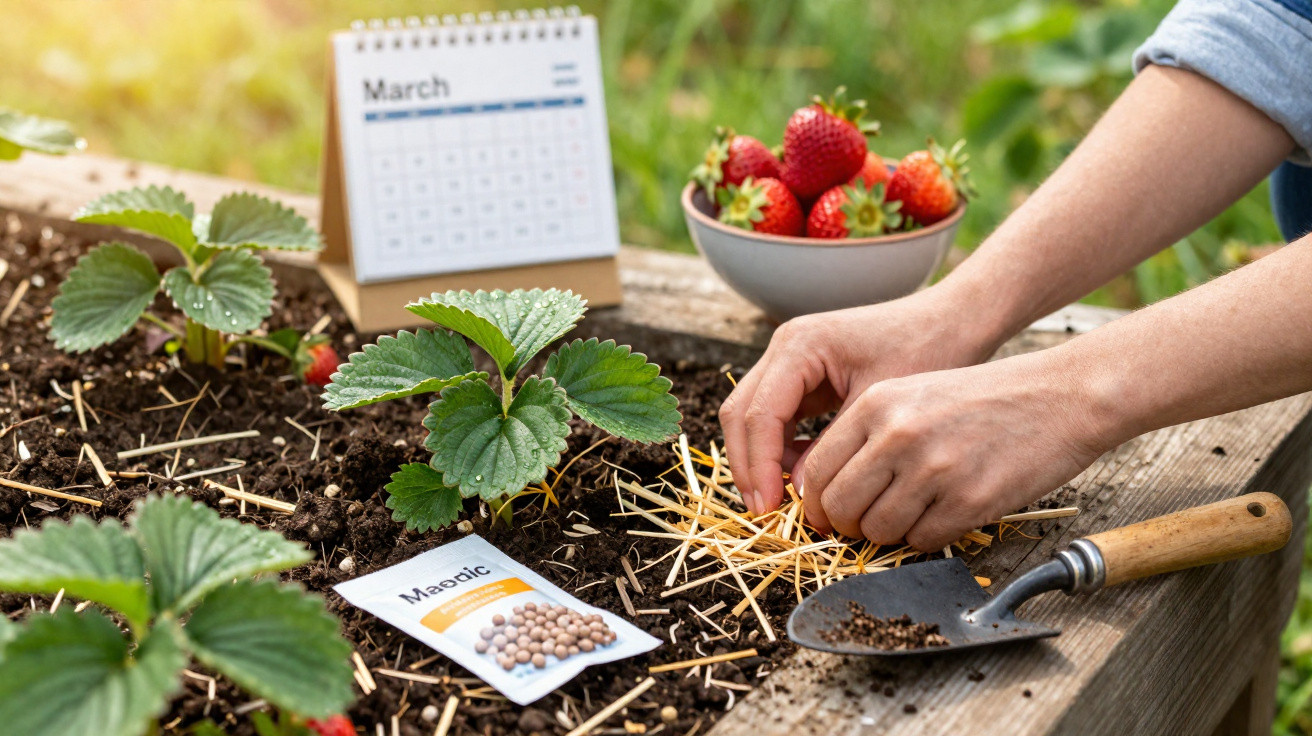
- Mulching: A layer of leaves, straw, grass clippings or chipped wood guards against erosion and limits temperature fluctuations.
- Dark covers: Black sheeting or horticultural fleece placed over a bed captures solar warmth. Beneath it, the soil dries and warms more quickly, making it ideal for early sowings.
This turns a cold winter bed into a form of natural cold frame that brings the season forward.
Common mistakes that can cost you the harvest
Well-prepared soil almost always leads to healthier plants. However, a few wrong moves can completely undo the benefits.
- Working on wet soil: Heavy boots, spades or wheelbarrows compact the ground. Air is lost and roots struggle.
- Digging deeply: Sensitive soil fauna suffer, fungal networks are broken, and the natural structure is lost.
- Ignoring nutrient replacement: Anyone who harvests year after year without feeding the soil depletes it. Plants remain smaller and disease becomes more common.
- Leaving beds uncovered: Wind and rain carry away fine soil particles and nutrients. Such areas are much slower to get going in spring.
Every action should be taken consciously: what does this step give the soil, and what might it take away?
How experienced garden professionals plan February work
Many seasoned gardeners follow a straightforward late-winter routine. A typical schedule for a vegetable bed might look like this:
| Step | February task | Aim |
|---|---|---|
| 1 | Check soil moisture and carry out a pH test | Decide when and how the bed should be worked |
| 2 | Loosen with a broadfork, without digging over | Protect roots and soil life |
| 3 | Spread mature compost | Replenish nutrients and humus |
| 4 | Cut down green manure or sow it where possible | Improve soil structure and retain nutrients |
| 5 | Apply a mulch layer or dark sheeting | Protect and warm the soil |
Why the effort genuinely pays off
Many amateur gardeners invest huge amounts of energy in choosing varieties, buying seed and watering, then wonder why their harvests are disappointing. Focusing on the soil addresses the factor that really matters.
- Stable, loose soils retain water more effectively and cope better with hot spells.
- Plants root more deeply, absorb more nutrients and become less prone to disease.
- Organically enriched soils release nutrients slowly instead of allowing them to wash away like water through a sponge.
“Good soil will forgive the occasional small care mistake – depleted soil punishes every slip immediately.”
Practical examples for typical beds
A classic tomato bed receives a generous amount of mature compost in February, some well-rotted manure and gentle loosening. It is then covered with dark sheeting. By May, tomatoes can be planted there with almost no further preparation, rewarding the effort with vigorous growth.
A bed intended for carrots or parsnips benefits from fine, deeply loosened soil. Compost worked in during autumn is often sufficient here, supplemented by gentle loosening and a thin mulch layer to prevent the surface from forming a crust.
Know the risks and limits
It is possible to overdo a good thing. Thick layers of fresh manure shortly before sowing can scorch delicate roots. Excessive wood ash raises the pH level sharply and may lock up certain nutrients. Covers should also be removed in good time so that the soil does not overheat or dry out.
Even so, the experience of many older gardeners shows that anyone who loosens, feeds and protects the soil carefully in February, without mistreating it, will have a visibly more productive garden in summer. Plants stand more firmly, crop for longer and deliver noticeably more yield per square metre.

Comments
No comments yet. Be the first to comment!
Leave a Comment