
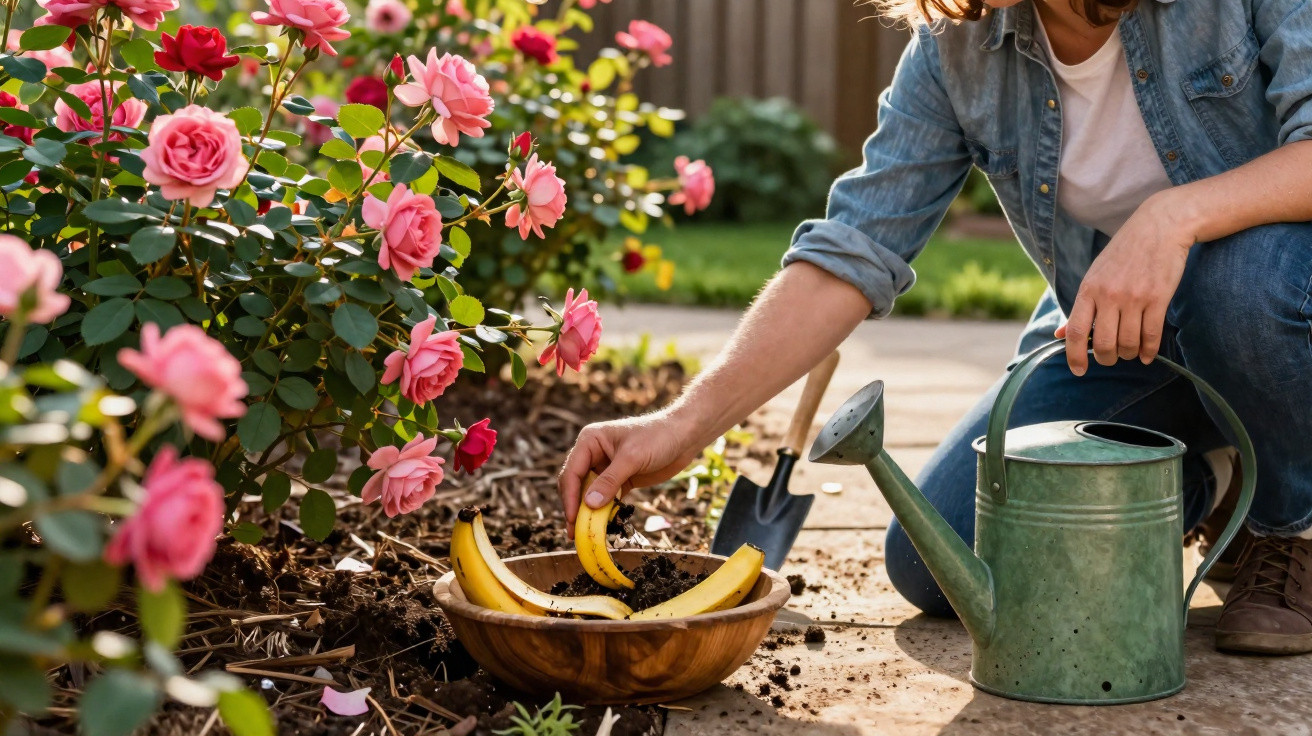
Between spring garden tidying, pruning and soil care, many amateur gardeners overlook a remarkable helper. What appears to be waste from the fruit bowl can encourage rose bushes to flower abundantly for months – while also strengthening the plants’ resilience.
Why the right spring start determines rose flowering
Roses gradually emerge from their winter dormancy in spring. During this period, they set the course for the entire season. Taking action now can make a noticeable difference to both growth and flowering.
Garden experts advise reaching for the secateurs first. Remove anything that weakens the plant:
- Cut away dry and dead shoots.
- Remove crossing branches that rub against one another.
- Thin out the centre of the rose so that air and light can reach it.
This reduces the risk of fungal diseases and gives strong new shoots room to develop. Once pruning is complete, the bush needs one thing above all: nourishment from the soil.
Many people now use a mineral rose fertiliser. However, a combination of mature compost, organic fertiliser and one surprising kitchen leftover is a far more sustainable approach.
“A simple fruit waste product can supply roses with nutrients for months and visibly increase their willingness to flower.”
The overlooked rose booster from banana peel
Earlier generations of gardeners also used kitchen leftovers to strengthen beds and shrubs. One particular leftover has proved especially useful for flowering plants: banana peel.
The peel of this popular fruit is usually thrown away without a second thought. For roses, however, it is a valuable nutrient package. It contains high levels of potassium, along with notable amounts of calcium and magnesium.
Why potassium encourages rose flowers
Potassium is among the most important nutrients in the garden. It reinforces cell structure, improves water regulation and promotes the formation of flower buds in many plants.
- More bud formation: Potassium stimulates the development of flowers.
- Stronger shoots: Plants grow more sturdily, so buds are less likely to snap off.
- Improved stress resistance: Roses cope better with periods of heat and drought.
Calcium also acts as a stabiliser for cell walls, while magnesium is involved in producing chlorophyll – the substance responsible for green leaves and photosynthesis. Together, these nutrients help roses grow vigorously and make them less susceptible to common diseases such as powdery mildew.
“As banana peels break down, they create a natural potassium-rich fertiliser that feeds rose bushes from the roots upwards.”
How to use banana peels correctly in the garden
Simply placing a whole peel on top of the soil is likely to disappoint: it takes too long to decompose and, in the worst case, attracts unwanted animals. The method works much better when used properly.
Step-by-step guide for rose growers
- Chop up the peels: Cut the banana peels into small pieces. The smaller they are, the more quickly soil organisms can break down the material.
- Bury them lightly: Work the pieces into the soil around 5 centimetres deep in the rose’s root area.
- Choose the right period: Apply them from March to September at intervals of roughly three weeks.
- Combine with compost: Sprinkling a little mature compost over the area also improves soil structure and the nutrient mix.
At this shallow depth, microorganisms and earthworms can reach the peels quickly. The nutrients are then released gradually straight to the roots, rather than being washed away unused.
Water correctly to set nutrients in motion
Roots can only absorb nutrients when they are dissolved in water. Completely dry soil prevents this effect, while waterlogging damages rose roots.
- Keep the soil slightly moist, but never wet.
- During dry spells, water less often but thoroughly.
- Remove weeds around the roots so roses do not have to compete for nutrients.
Keeping an eye on soil moisture helps you get the most from banana peels while reducing the need for extra fertiliser.
How often can roses be given this kitchen leftover?
Natural fertilisers can be overused too. An excessive build-up of organic matter can alter the pH value over time and upset the balance of soil life.
| Application period | Frequency | Note |
|---|---|---|
| March–May | every 3 weeks | Start the season and encourage flower formation |
| June–August | every 4 weeks | Support the flowering period and monitor the roses |
| September | max. 1 application | Do not stimulate roses too strongly again too late in the year |
If you are unsure, use the plant as your guide: when it looks strong, has rich green foliage and produces plenty of buds, the interval between applications can be longer.
“The bush itself reveals the best dosage – roses make it very clear whether they are thriving or overwhelmed.”
Common mistakes when fertilising with banana peels
The trick is straightforward, but a few pitfalls occur repeatedly in many gardens:
- Whole peels left on the surface: They break down poorly and attract slugs or wasps.
- Too many peels in a small area: The material starts to rot, the soil smells, and deficiency symptoms may increase.
- Direct contact with the stem: Never place organic material directly against the woody part, as this can cause rot.
- The wrong time of year: In late autumn or winter, peels often remain unchanged in the soil for a long time.
By avoiding these mistakes, you can turn a simple fruit leftover into a surprisingly effective part of a rose care routine.
Combining banana peels with other natural fertilisers
Used alone, banana peels mainly provide potassium. Roses also need nitrogen and phosphorus for balanced growth, so other organic sources are useful additions.
- Mature garden compost: Supplies a broad range of nutrients and improves soil structure.
- Horn shavings or horn meal: Add nitrogen gradually, particularly supporting shoot growth.
- Plant feeds, such as nettle feed: Work as a liquid supplementary fertiliser and strengthen plants.
Combining banana peels, compost and a little horn material creates an almost complete organic nutrient cocktail – without any synthetic fertilisers.
What gardening beginners should also know about rose care
Many newcomers wonder why their roses remain weak despite fertilising. Often, the cause is not a lack of nutrients but a problem with the position.
- Roses need at least four to five hours of sunshine each day.
- The soil should be loose, humus-rich and well drained.
- Standing water causes more harm than short dry spells.
Only when these basics are right can the kitchen leftover show its full potential. Regularly removing faded rose heads will also encourage the plant to produce fresh buds. As a result, vases can almost fill themselves with fresh summer flowers.
Ultimately, what ends up in the bin can be surprisingly valuable in the garden. Using discarded banana peels purposefully gives rose bushes not only more flowers but also a stronger immune system – and can save you from buying the occasional bag of specialist fertiliser from the garden centre.

Comments
No comments yet. Be the first to comment!
Leave a Comment