
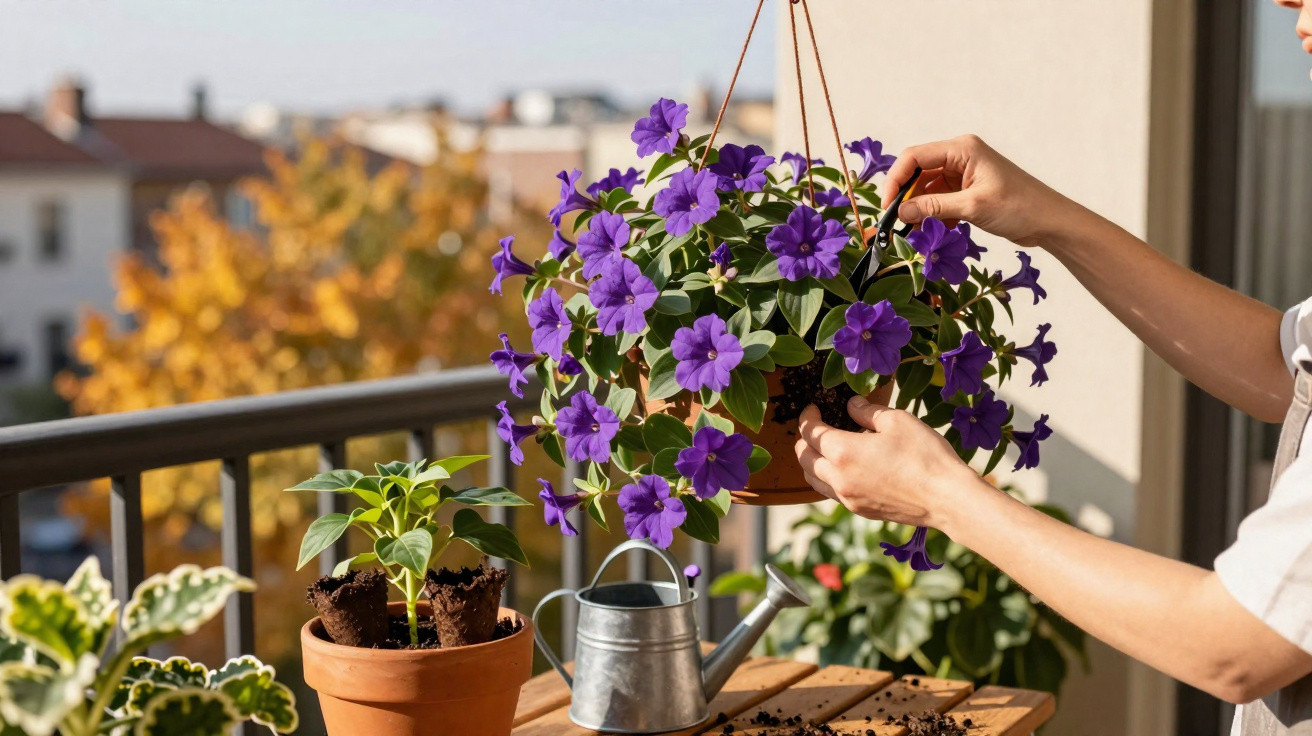
Many window boxes and hanging baskets look spectacular in spring, then seem tired by late summer. The usual choices, such as fuchsias and petunias, demand plenty of attention and quickly pass their best. A little-known purple-flowering perennial from South Africa proves there is another way: more colour, less work and a much longer season.
The purple perennial hardly anyone talks about
This plant’s botanical name is Plectranthus ‘Magic Mona Purple’, although it is also often sold as Plectranthus ‘Mona Lavender’. It originates from South Africa and was selected by breeders specifically for containers and hanging baskets. Unlike many summer bedding plants, it does not need replacing completely every year and can last for several seasons, provided it is kept frost-free.
Its habit resembles that of a compact shrub. The plant develops into a densely branched mound around 60 to 70 centimetres tall and up to 75 centimetres wide. Rather than trailing down, it fills a basket or pot like a rounded cushion, creating a particularly lush effect in hanging baskets.
The special feature: dark, glossy foliage on top, intensely purple leaf undersides and long purple flower spikes in autumn – a double ornamental benefit.
Even before it flowers, this plant remains eye-catching, as its dark green leaves and purple undersides create an appealing colour contrast. When blooms emerge, it looks like a blend of lavender, sage and a houseplant – very modern and highly Instagrammable.
Why Plectranthus ‘Magic Mona Purple’ is ideal for hanging baskets and shady balconies
Many trailing plants require sunshine, yet scorch or dry out quickly on hot days. This is precisely where Plectranthus ‘Magic Mona Purple’ excels:
- Ideal for partial shade and bright shade
- Compact, dense growth rather than sparse shoots
- Autumn flowers when other plants are already being discarded
- Relatively easy to care for, with no daily deadheading required
- Melliferous: attracts bees and other pollinators
Its greatest advantage may be its main flowering period in autumn. While conventional balcony plants often look like weary remnants by August, this perennial is only then beginning in earnest, covering itself in purple flower spikes. It therefore extends the season on balconies and patios considerably, often into October, depending on the region and weather.
The best position: bright shade rather than blazing sun
Plectranthus ‘Magic Mona Purple’ enjoys warmth but does not tolerate relentless midday sun. It performs best in the following locations:
- on an east-facing balcony with morning sun
- on a north-facing balcony with plenty of light but no direct heat
- beneath a canopy, protected from heavy rain and intense sunshine
- under a lightly shaded tree that provides filtered light
This perennial is especially effective in urban courtyards, narrow backyards and internal courtyards, where roses and traditional sun-loving flowers stand little chance. It brings colour to places where often only geraniums or periwinkle would otherwise survive.
Temperatures and winter: helping the plant last for several years
In mild, frost-free areas, Plectranthus is a true perennial that returns each year. In central European winters, however, it will die outdoors even in a light frost. Anyone wishing to keep it longer should therefore treat it as a non-hardy container plant.
The rule of thumb is simple: move the plant indoors once temperatures consistently approach 0°C. A bright, frost-free place inside is ideal:
- a conservatory or unheated, bright stairwell
- a bright windowsill in the living room, away from direct heat from a radiator
- a cool guest room with plenty of daylight
It needs substantially less water during winter. Allow the compost to dry slightly, but never let it become completely dust-dry. This “second-life strategy” – outdoors in summer, indoors in winter – makes it possible to enjoy the plant for several years.
How to plant Plectranthus ‘Magic Mona Purple’ in baskets and pots
For a strong start, the plant primarily needs a free-draining container with sufficient room and sensible drainage. It copes far less well with waterlogging than with a few days of slight dryness.
| Step | Recommendation |
|---|---|
| Choose a container | Use a hanging basket or pot with large drainage holes; wider is preferable to exceptionally deep |
| Mix the growing medium | Use high-quality potting compost with some compost and a portion of expanded clay or sand |
| Plant | Position the plant in the centre, fill gaps with compost and press down only lightly |
| Water in | Water thoroughly, allow excess water to drain away and avoid waterlogging |
In large hanging baskets, several specimens can be combined or supplemented with other shade-loving plants, such as white-flowering busy Lizzies or trailing ivy. This creates a layered arrangement in which Plectranthus takes the leading role.
Everyday care: little effort, plenty of impact
Maintenance remains manageable as long as a few basic principles are followed:
Watering correctly
Keep the compost evenly and lightly moist. Completely saturated root balls can cause root rot, while dried-out pots quickly lead to leaf drop. A suitable routine is:
- in summer: every 2–3 days, depending on position and heat; daily in very hot weather
- in spring and autumn: usually once or twice a week
- in winter quarters: far less often, only when the surface is genuinely dry
Feeding and pruning
From April to August, the plant benefits from regular nutrients. Applying a liquid fertiliser for flowering plants in the watering water every two weeks is entirely sufficient. This encourages it to produce plenty of buds and fresh shoots.
A light trim, or pinching out the shoot tips in spring, helps the plant retain a bushy shape. Once flowering has finished, faded spikes can be removed and overly long shoots shortened. This encourages even denser growth.
Easy propagation: grow new plants for free
Anyone who takes a liking to Plectranthus ‘Magic Mona Purple’ can propagate it with very little effort. Tip cuttings often root within just a few weeks. Here is how:
- Cut off non-woody shoot tips measuring around 8–10 centimetres long.
- Remove the lower leaves, leaving only 2–3 pairs of leaves at the top.
- Place the cuttings in a glass of water or directly into seed compost.
- Keep them bright but out of direct sunshine, and maintain slight moisture.
Once roots have formed, transfer the young plants to small pots. In this way, shady balconies, patios and even offices can be filled with the same variety without buying new plants every year.
What amateur gardeners should also know
The plant is sold under both names, ‘Magic Mona Purple’ and ‘Mona Lavender’. Both labels refer to the same type: compact foliage, purple leaf undersides and purple flower spikes in autumn. If unsure, look for photographs and the description “for partial shade, autumn-flowering”.
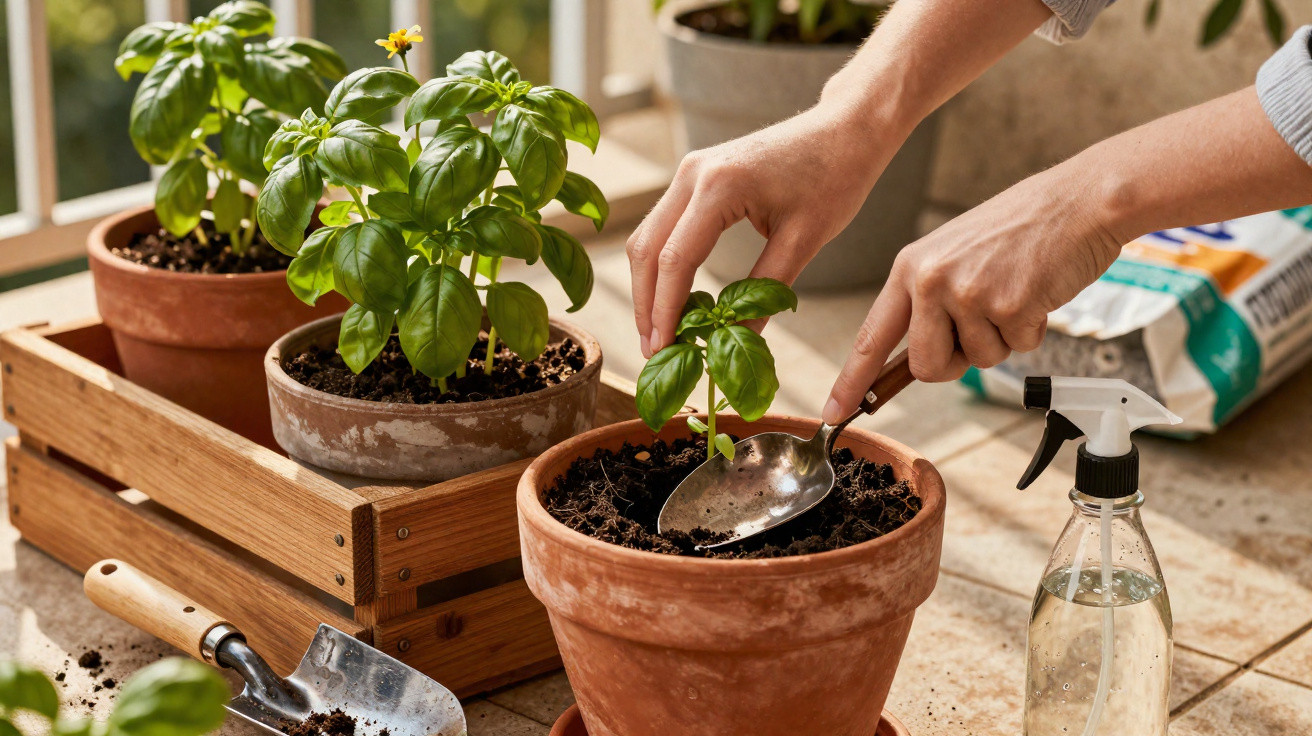
Botanically, Plectranthus belongs to the mint family, alongside sage, mint and basil. This accounts for its distinctive flower shape with elongated spikes. Such plants are often particularly attractive to insects. Anyone wanting to make their balcony or patio more insect-friendly can therefore make a strong contribution with this perennial, without sacrificing a neat ornamental appearance.
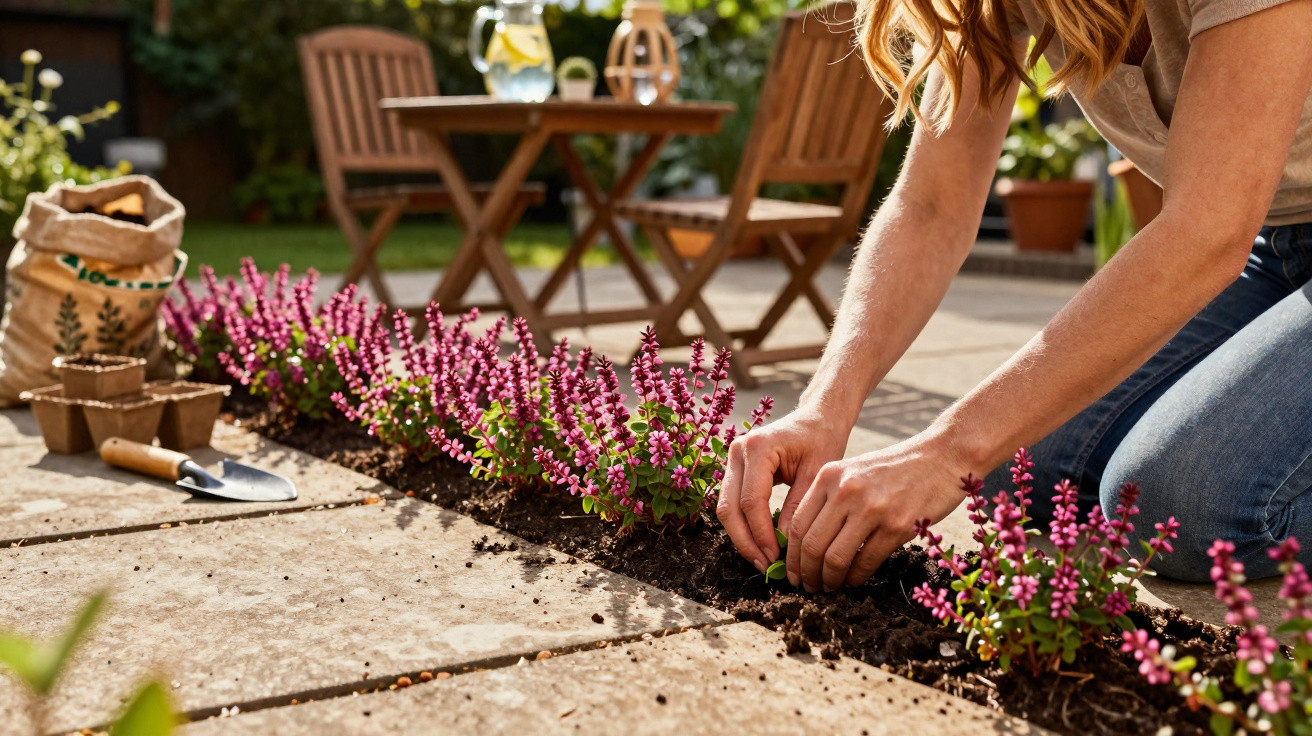
It also combines well with other late-flowering plants. Pairing it with autumn-flowering heather, small ornamental grasses or white asters produces contrasts that remain enjoyable well into October. For a more contemporary look, place the plant on its own in a simple dark pot; this highlights the distinctive leaf colouring and gives a balcony or entrance a particularly high-quality appearance.
Comments
No comments yet. Be the first to comment!
Leave a Comment