
Between lawn upkeep, heatwaves and biting pests, an unassuming groundcover can make a real difference.
It flowers for months, releases a delicate fragrance and copes well with dry conditions. Plant it now and you can enjoy scent, colour and more peace - without constantly reaching for the garden hose.
Red sand thyme: a flowering carpet that unsettles mosquitoes
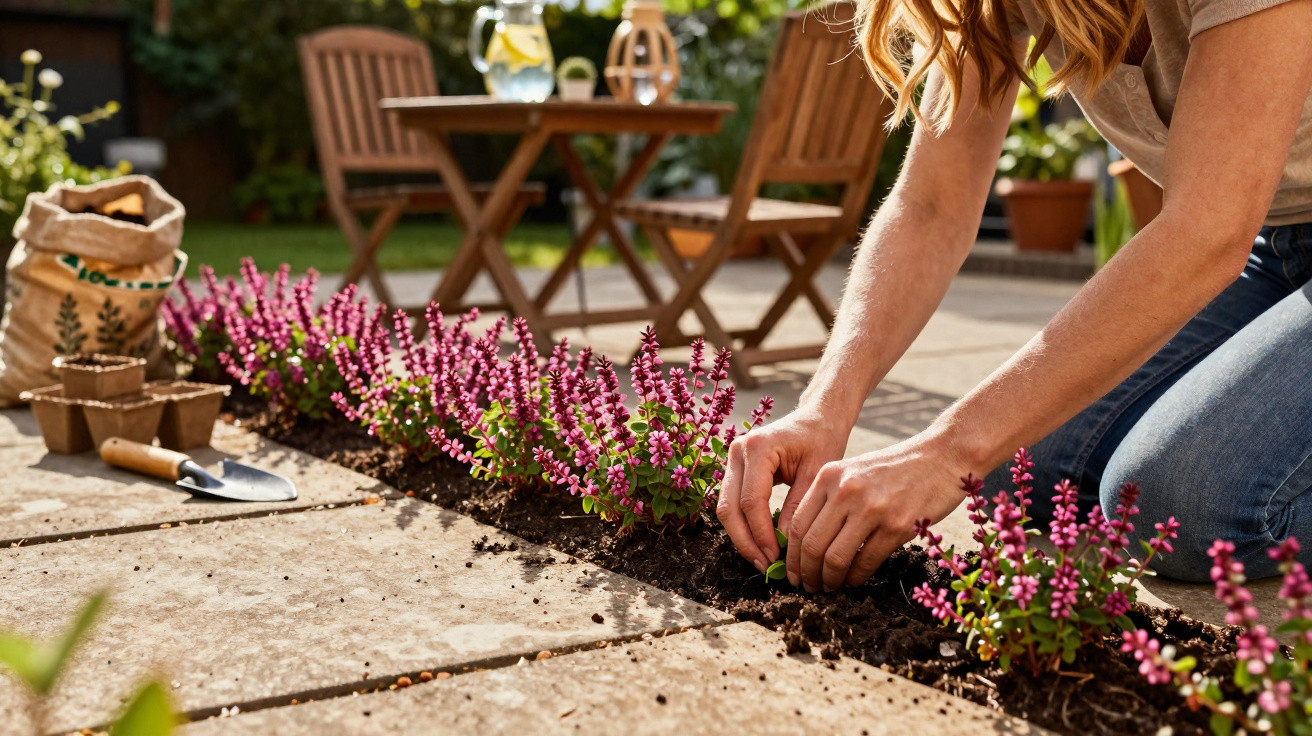
Red sand thyme (Thymus serpyllum, red-flowering varieties) reaches only around 8–10 centimetres in height, gradually forming a dense carpet that tolerates light foot traffic. From May to September, it is covered in purple to pink flowers, while remaining ornamental through winter. Its leaves contain essential oils that enhance an evening outdoors for people - but can confuse mosquitoes.
“The aroma of sand thyme is unattractive to mosquitoes, particularly when you walk over the cushions shortly before sitting down or crush a few leaves.”
This groundcover is ideal for sunny gaps between paving, stony banks, dry borders and areas you no longer want to mow. Bees and butterflies are reliably drawn to its flowers.
Why plant now
By the end of the month, the plant will be well established: the soil has warmed up but still holds sufficient moisture. Young plants root quickly and begin growing straight away. Leave planting until later and you will need to water more often.
“Plant now, benefit from summer onwards: fragrance, colour and noticeably fewer mosquitoes around the seating area.”
Site, soil and spacing for red sand thyme
Sand thyme thrives in full sun and poor, well-drained soil. Waterlogging damages it. When planting in heavy ground, incorporate coarse sand and horticultural grit. Do not fertilise it, and there is no need for compost.
| Feature | Recommendation |
|---|---|
| Position | Full sun, warm and exposed to air movement |
| Soil | Poor, sandy-gravelly and free-draining |
| Plant spacing | 30–40 cm |
| Planting density | 9–12 young plants per m² |
| Height | 8–10 cm |
| Flowering period | May–September |
| Care | Light trim in late winter |
How to create an aromatic carpet
- Prepare the area: remove weeds thoroughly, loosen the soil to a depth of 20 cm and, where necessary, work in sand and horticultural grit.
- Set out the plants: distribute 9–12 pots per square metre evenly, leaving 30–40 cm between each one.
- Water in: give the plants one thorough watering immediately after planting, then water only during dry spells in the first few weeks.
- Encourage the cover to thicken: in gaps and around edges, gently lay down a few shoots and secure them with soil.
The first gaps should fill after around three months. After one year, 60–70 percent of the area will be covered; after two years, the display will be at its best.
Care throughout the year
This groundcover largely looks after itself. You only need to intervene occasionally and ensure the area remains open to sunlight.
- Watering: only during the establishment month and through extended dry periods in the first year.
- Trimming: give it a light cut with shears in late winter to encourage a dense cushion.
- Feeding: do not fertilise. Nutrient-poor soil keeps the carpet compact and aromatic.
- Foot traffic: light use is beneficial, as it releases fragrance and keeps the growth low.
“Many households save a noticeable amount of water with thyme-covered areas because regular lawn watering is no longer needed.”
How effectively does the fragrance repel mosquitoes?
Essential oils from thyme act as a repellent in tests. In everyday use, the protection is mainly created where the leaves are touched. Just before an evening on the patio, rub a few stems between your fingers. This releases a scent that makes mosquitoes less inclined to approach. For long evenings, pair the plant with a gentle airflow from a fan or targeted skin protection.
The carpet is not a replacement for an insect screen, but it can noticeably reduce activity close by. It has the greatest effect directly beside seating areas, steps and path edges.
Design ideas for seating areas
Sand thyme performs best when planted close to the table and between stones. It fills paving joints, softens the edges of stepping stones and frames gravelled areas naturally.
Clever planting companions
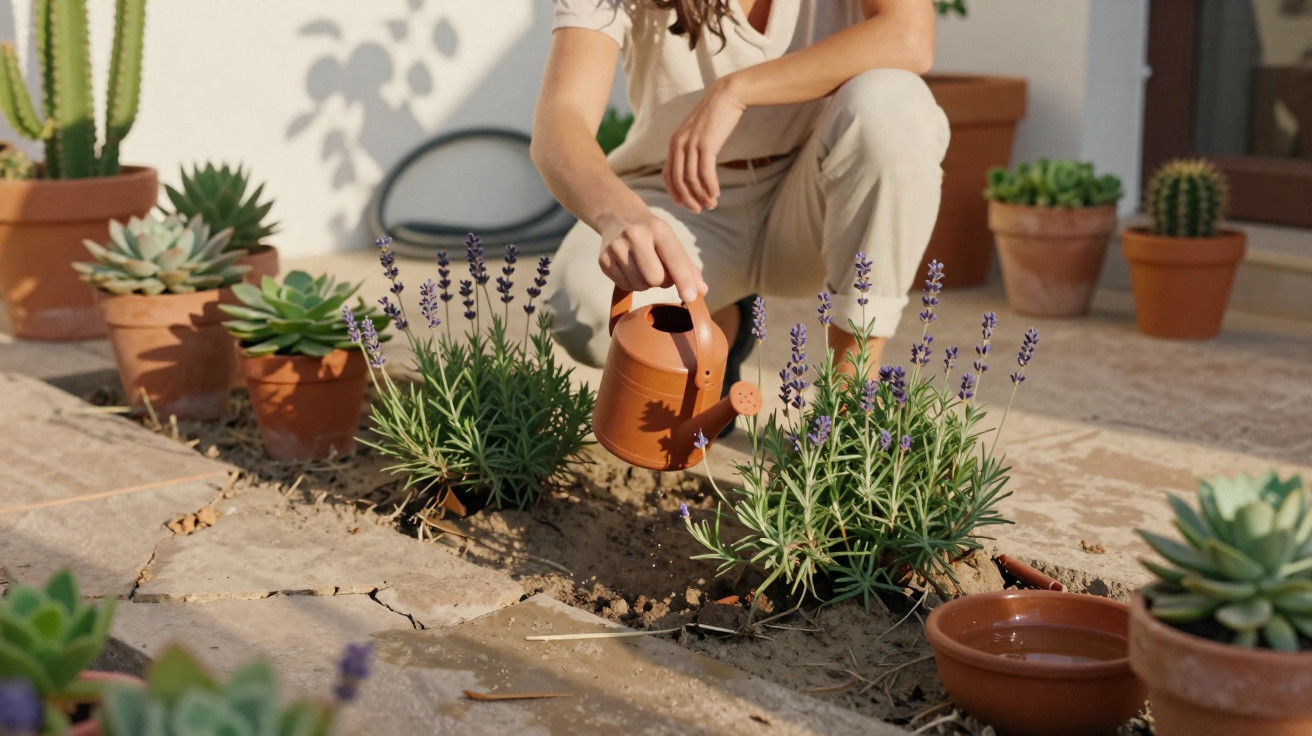
- Lavender and catmint add further flowers and layers of fragrance.
- Rosemary gives border edges structure and provides seasoning for the kitchen.
- Lemon thyme strengthens the fresh note along the edge of a patio.
- Ornamental alliums create clear colour accents above the cushions in early summer.
Common mistakes - and how to avoid them
- Soil that is too rich: thyme becomes leggy, flowers less freely and has a weaker scent. Keep the soil poor instead.
- Waterlogging: trapped water causes the roots to rot. Create drainage using horticultural grit.
- A position that is too shady: the cushions remain patchy. Allow for more sun.
- Planting too closely: the cushions become matted. Maintain the recommended spacing.
A practical calculation for your area
For a 12 m² patio, you will need around 120 young plants at a density of 10 plants per square metre. A 9-cm pot usually costs £2–£4 at garden retailers. This puts the approximate planting cost at £240–£480 - a one-off expense instead of investing in water, fertiliser and mowing time every year.
“Replacing a lawn saves time, water and hassle - while adding fragrance, pollinators and the pleasure of walking barefoot.”
Two further useful points
Thymus serpyllum is regarded as bee-friendly and non-toxic to pets. Children can walk over the carpet, as the plant withstands light foot traffic. If it will receive heavier use, install stepping stones across the area so the cushion remains attractive over time.
Enjoy cooking? Harvest sparingly. The tiny leaves add a strong flavour to marinades and roasted vegetables. Always cut a few centimetres above the base so new shoots can emerge. This groundcover also works well in a shallow balcony planter, provided it receives full sun and has a layer of gravel at the bottom for drainage.
Comments
No comments yet. Be the first to comment!
Leave a Comment