
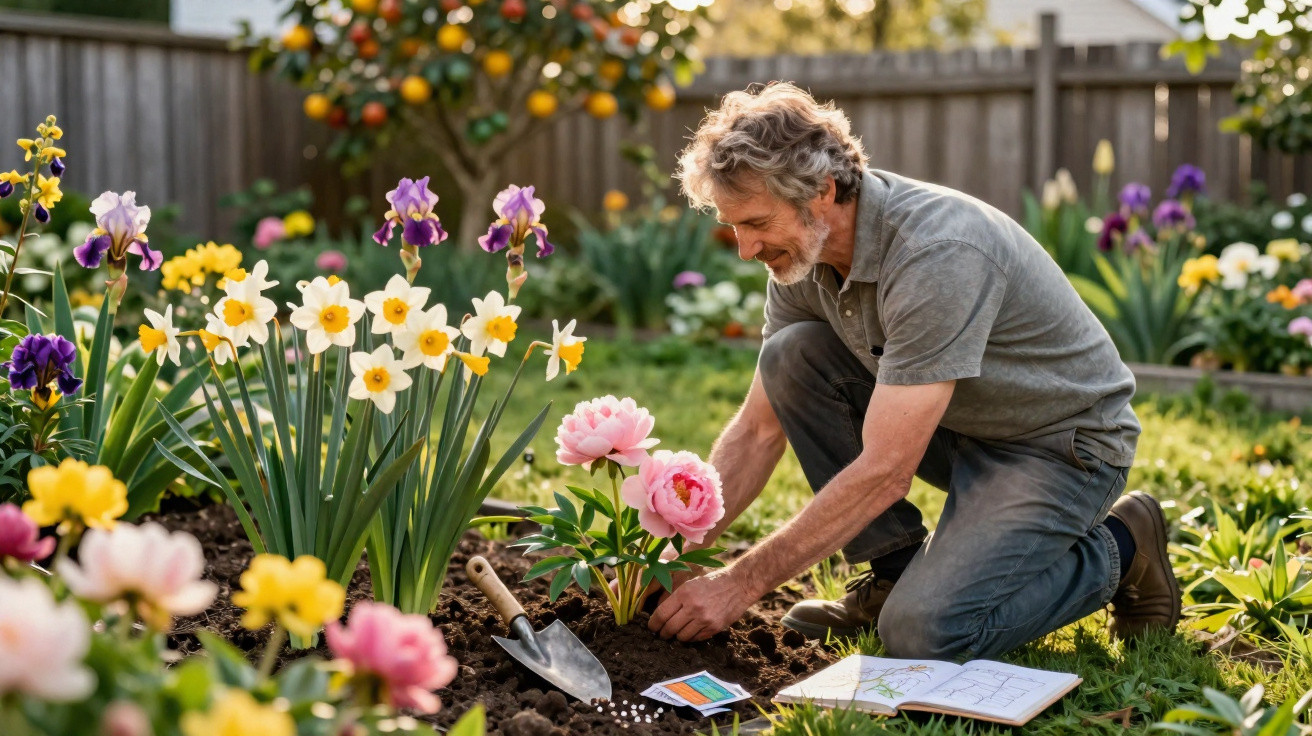
Many gardens look bleak at the end of winter. The borders are bare, the soil is cold and nothing appears to be stirring. Yet planting wisely at this seemingly unremarkable time can lay the foundations for a garden that returns to flower almost by itself, year after year - without having to start again each season.
Why perennials are every garden’s hidden treasure
When spring arrives, most people head to the garden centre and fill their trolley with colourful bedding plants. They create a dramatic display quickly, but within a few months they are gone. Everything ends up on the compost heap in autumn, and the same routine begins again the following year.
Perennials work in an entirely different way. Although their growth above ground dies back in winter, their roots, rhizomes or tubers remain in the soil and produce fresh growth the next year. Over time, they form a dependable framework in the border that becomes fuller and more established.
“Anyone who chooses perennials is investing not in one summer, but in decades of gardening pleasure.”
Provided that the soil and light levels suit them, some varieties can remain happily in the same spot for half a human lifetime. These long-lasting plants are precisely what makes a garden both low-maintenance and impressive.
The long-term border star: enduring peonies
Peonies (Paeonia) are among the best examples. They may seem slow to establish at first, but they gain strength with every passing year. Given free-draining, nutrient-rich soil and a sunny position, they can stay in place for 50 years or longer without needing to be moved.
Getting the initial planting right is especially important:
- Position: at least half a day of sun; avoid planting directly in front of walls that trap heat
- Soil: deep, humus-rich and never waterlogged
- Planting depth: buds should sit only 2–3 cm below the surface
Peonies planted too deeply often fail to flower for years. Positioned correctly, they produce full, often fragrant blooms in May and June, making the garden look like a painting.
Early in the year: daffodils as reliable returners
Daffodils are among the most rewarding spring-flowering plants of all. They grow from bulbs that multiply steadily in the ground. A handful of bulbs can gradually become a bright carpet of yellow or white over the years.
A few basic rules make growing them very straightforward:
- Planting time: autumn, while the soil is still frost-free
- Planting depth: roughly three times the height of the bulb
- Arrangement: plant in groups of 5–7 bulbs rather than in straight rows
- Leave the foliage: cut the leaves back only once they have turned yellow naturally
Allowing the foliage to die back undisturbed lets the bulbs store energy for the following year. In this way, a small clump slowly becomes a true spring focal point, with no need for annual replanting.
Structure and height: garden irises as a robust backbone
Garden irises (Iris germanica) add not only colour but also structure to a border. Their sword-shaped leaves and tall flowering stems, reaching around 90 centimetres, provide strong vertical accents.
Their resilience comes from the rhizome: a thickened, horizontally growing stem that sits just beneath the soil surface. It stores water and nutrients, enabling the plant to cope even with dry spells.
For vigorous plants, follow these guidelines:
- Keep the rhizome partly visible: do not bury it completely; it can remain slightly exposed
- Choose a sunny site: more light produces better flowering
- Use lean soil: excessive fertiliser creates lush leaves but fewer flowers
“Peonies provide emotion, daffodils the early start, and garden irises the structure - together they create a border that becomes more reliable every year.”
The lasting dream border: the powerful perennial trio
For a genuinely long-lived border requiring very little maintenance, combine these three plants: daffodils, garden irises and peonies. Each has a distinct role during the growing year.
| Plant | Flowering period | Main role in the border |
|---|---|---|
| daffodils | February to April | an early burst of colour after winter |
| garden irises | May to June | height, structure and bold colour |
| peonies | May to June | large, showy flowers and a focal point |
When planted well, this trio provides colour throughout several months of spring and early summer. Other perennials, such as coneflowers, Japanese anemones or autumn asters, can then take over later in the season and can easily be planted between them.
Flowers that self-seed
The display becomes particularly interesting when a few self-sufficient plants are added to long-lasting perennials. Some annual flowers return under their own steam because they self-seed reliably.
These include:
- cornflowers (Centaurea)
- cosmos (Cosmos)
- love-in-a-mist (Nigella)
- sunflowers
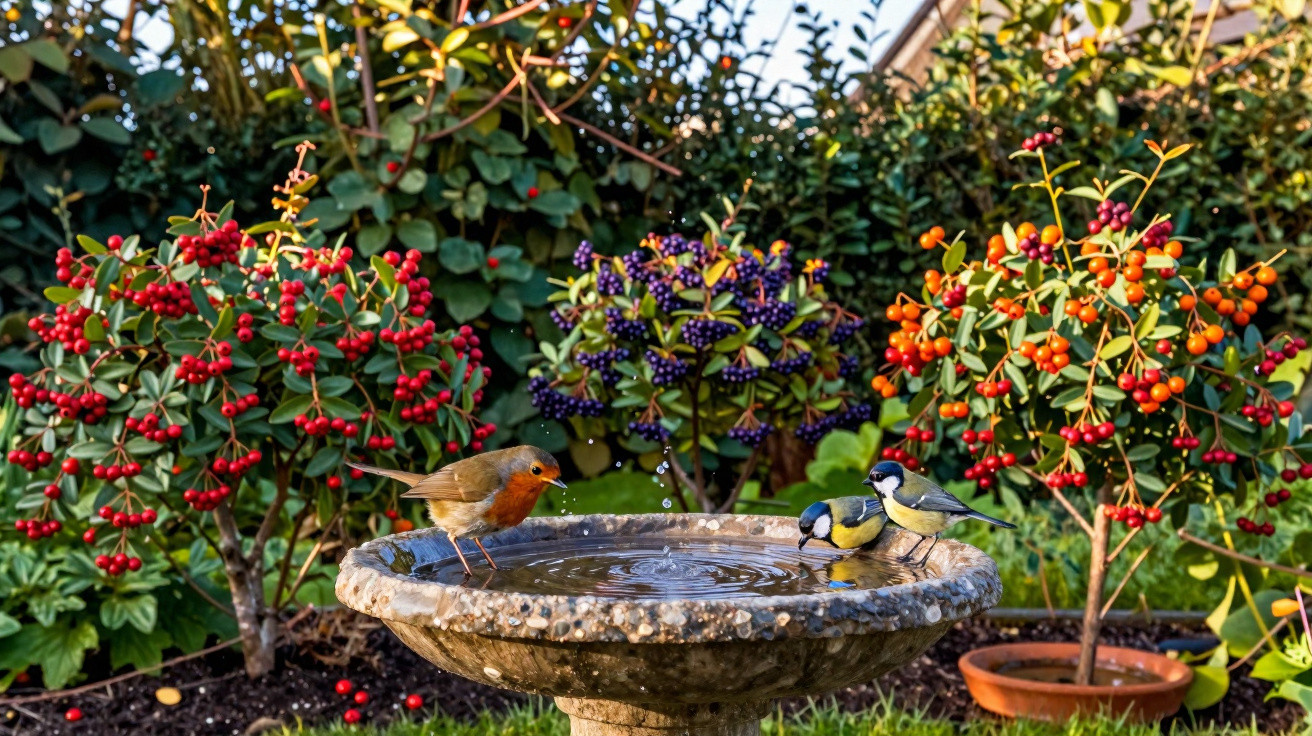
If at least some of the flowers are left to ripen, their seeds fall to the ground and germinate by themselves the following spring. Some seeds remain in the soil, while others provide food for birds and insects - a useful side benefit.
“Those who do not remove every faded flower are often rewarded with unexpected splashes of colour in new places.”
How to plan a border that largely looks after itself
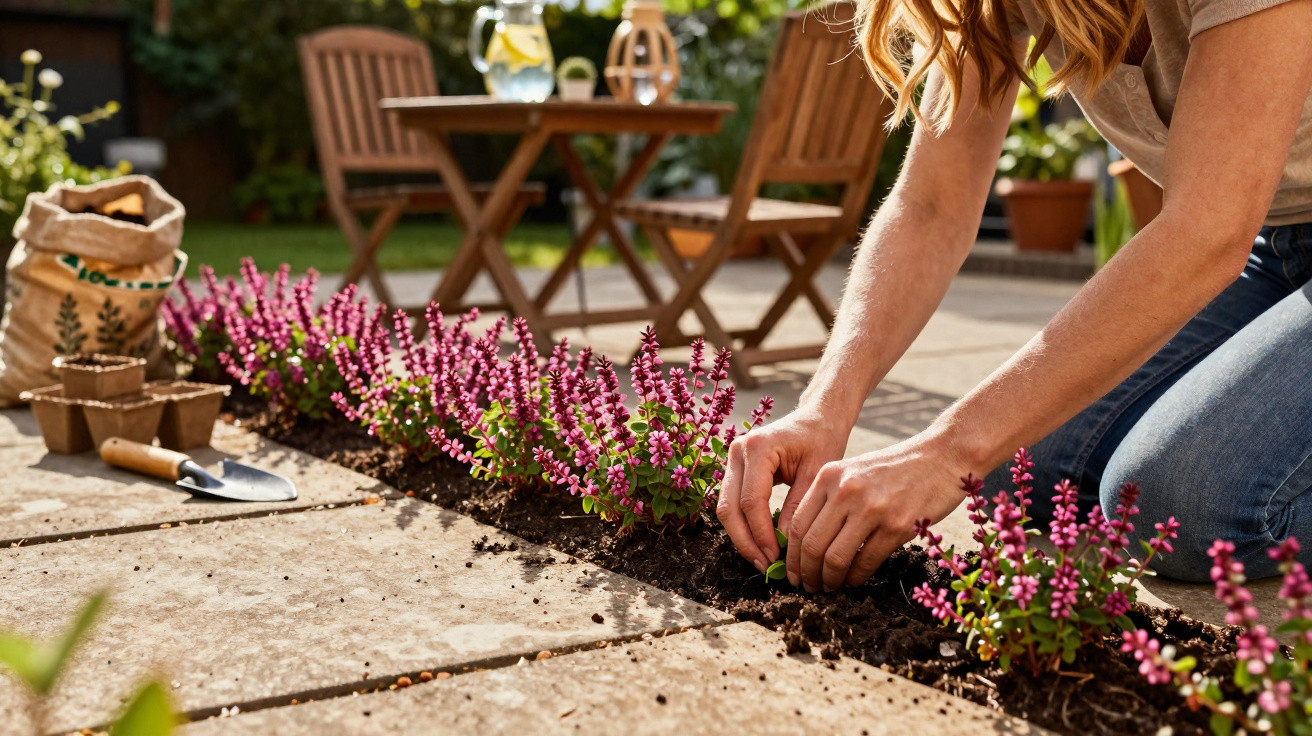
The key is to combine durable perennials, flower bulbs and self-seeding annuals. A loose overall layout is useful, so the border does not appear chaotic.
- Create the framework: arrange peonies and garden irises in informal groups.
- Build in an early spring display: plant daffodil bulbs among the perennials.
- Scatter self-seeders: sow cornflowers, cosmos and Nigella loosely.
- Fill any gaps: add coneflowers, cranesbills or lady’s mantle later in the year.
The picture changes with the years: perennials spread, while annuals emerge in fresh places. By intervening gently, thinning plants and moving them occasionally, you can maintain a natural, lively effect without redesigning the border every year.
Common mistakes that reduce flowering
Many disappointing gardening experiences can be avoided simply by recognising a few common pitfalls:
- Planting peonies too deeply: their buds must remain close to the surface.
- Over-fertilising: too much nitrogen produces leaves rather than flowers.
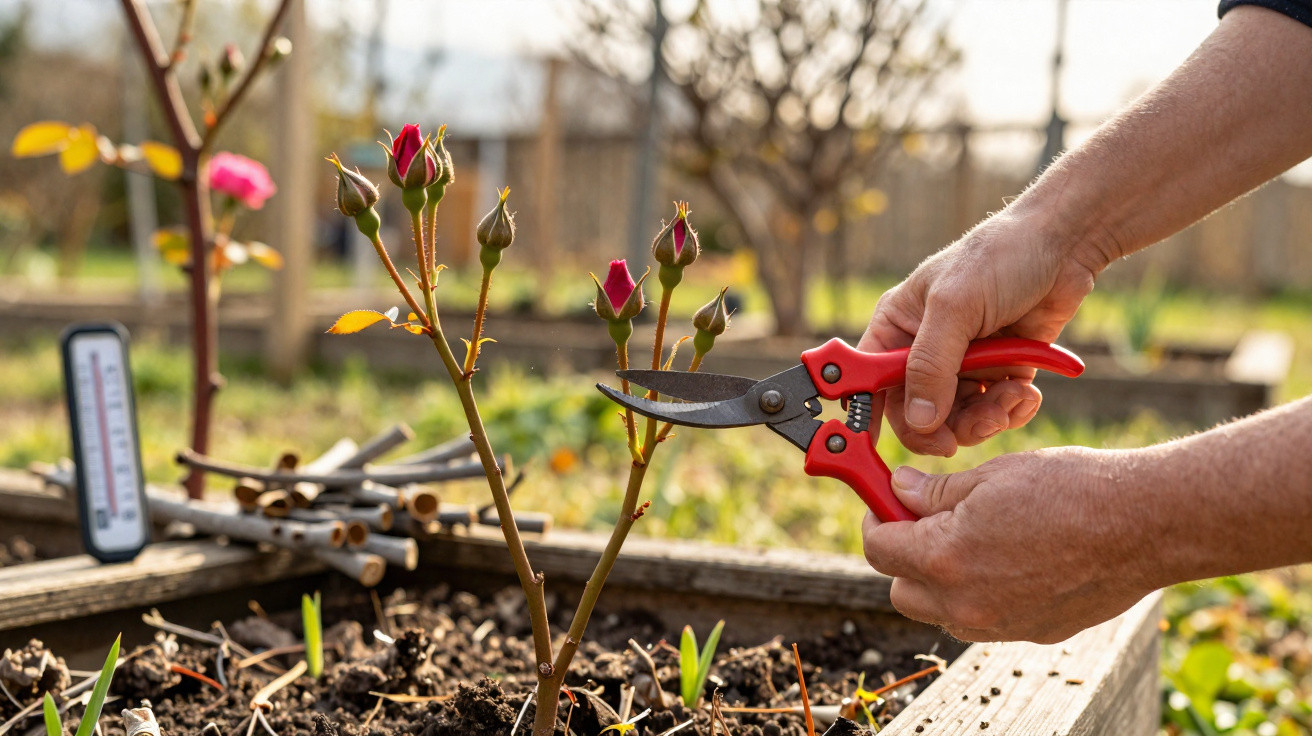
- Cutting back faded perennials too severely: leave dead material in place as winter protection instead.
- Impatience: some perennials need two to three years before they truly get going.
Avoid these errors and the amount of maintenance gradually falls. Rather than planting afresh every spring, you can concentrate on a few targeted tasks: cutting back, mulching and dividing plants here and there.
Why long-lasting borders make sense for the climate and your wallet
Perennials and self-seeding flowers save more than time: they also reduce costs. Once planted, a peony does not need replacing for decades. Daffodil bulbs multiply independently. After several years, many plants can be divided for use elsewhere in the garden or swapped with neighbours.
There is an environmental benefit too: fewer plastic trays from the garden centre, less peat-based compost and less transport. Permanent planting schemes offer insects, birds and small animals a more consistent supply of food and shelter over many years.
A border of perennials, bulb flowers and self-seeders works quietly in the background. The vital activity happens beneath the surface: roots branch out, bulbs divide and seeds wait in the soil for the right moment. By working with these processes, one weekend of planting can become a long-term promise of flowers.
Comments
No comments yet. Be the first to comment!
Leave a Comment