
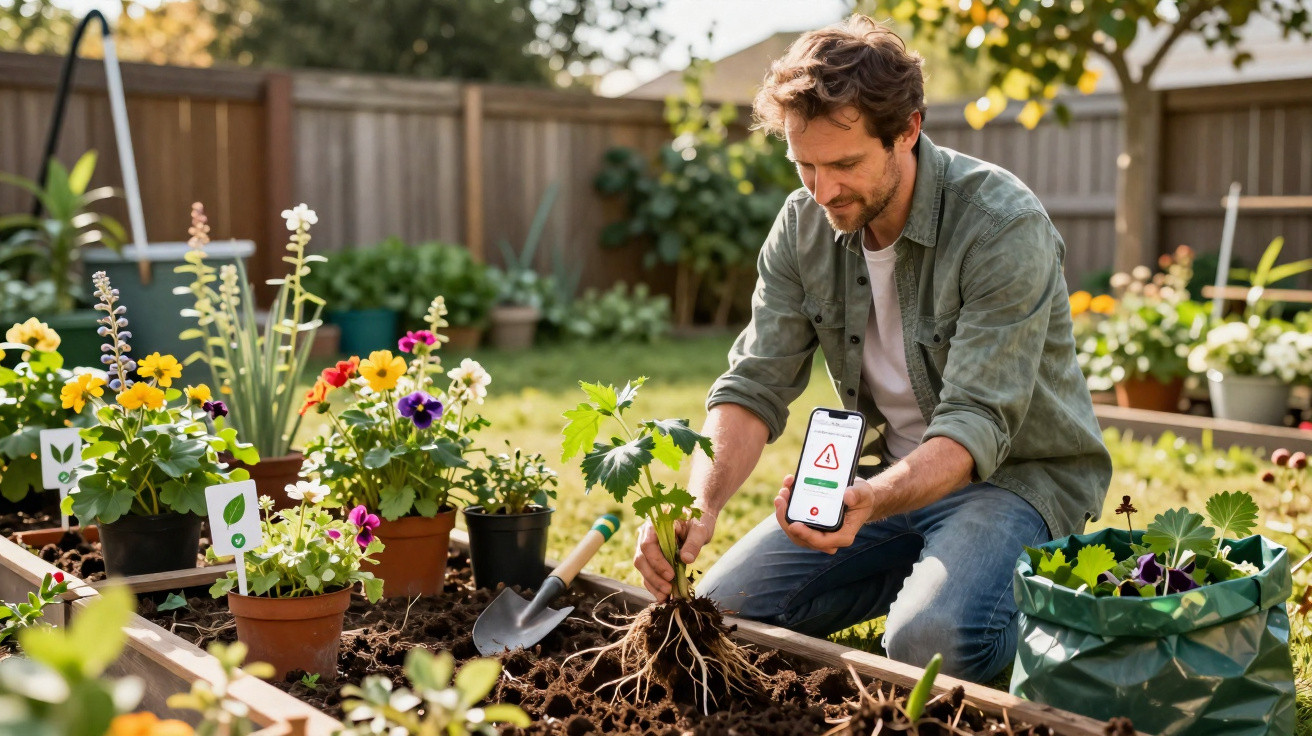
Not every attractive plant is suitable for a garden. Some ornamental species grow so vigorously that they can spread into natural habitats, compete with native plants and harm biodiversity. For this reason, many countries maintain lists of invasive species whose sale, planting or propagation is restricted by law. Before buying a plant, it is worth checking whether it is permitted where you live.
What is an invasive plant?
An invasive plant is one that can spread easily beyond the area in which it was originally grown. It may produce large numbers of seeds or have roots and rhizomes that quickly generate new plants, making it difficult to keep under control.
These species can take over extensive areas, limit the space available to native plants, disrupt ecosystems and even damage buildings, pavements and pipework. As a result, many countries have introduced measures that restrict their cultivation and sale.
Which plants commonly feature on prohibited species lists?
The list differs according to the country and local legislation, but certain species are frequently included because of their particularly invasive behaviour. Before planting any of them, check the regulations that apply in your area.
Well-known examples include plants that spread rapidly through seeds or rhizomes, which can make them hard to manage:
- Fallopia japonica (Japanese knotweed)
- Pampas grass (Cortaderia selloana)
- Acacia saligna (blue-leaved wattle)
- Ailanthus altissima (tree of heaven)
- Some Himalayan balsam species
- Other plants classified as invasive non-native species under local legislation
How can you avoid problems when choosing garden plants?
Before purchasing a plant, find out whether it is regarded as invasive in your town, region or country. Many ornamental species look similar to permitted plants, so it is sensible to buy from reputable nurseries and confirm that the plant has been correctly identified.
It is also advisable to choose species native to your area whenever possible. As well as supporting biodiversity, they tend to be better suited to the local climate and require less maintenance over time.
- Check whether the species is permitted in your area
- Choose native plants whenever possible
- Buy plants from reputable nurseries
- Avoid sharing plants of invasive species
- Manage plants that spread quickly
- Find out the species' mature size
What should you do if you already have an invasive plant in your garden?
The appropriate action depends on the rules where you live. In some countries, particular species can no longer be sold or propagated, while plants already in place may only require measures to prevent them from spreading. It is therefore important to consult the environmental regulations that apply in your area before making any decision.
Taking responsible action helps prevent these plants from reaching natural areas and damaging local biodiversity.
Choose plants that enhance the garden without harming nature
A beautiful garden can also help protect the environment. By selecting species that suit your local climate and comply with the legislation in your area, you can support biodiversity and avoid future problems with plants that are difficult to control.
With a little research before planting, you can create a flowering, balanced and sustainable space for many years to come.


Comments
No comments yet. Be the first to comment!
Leave a Comment