
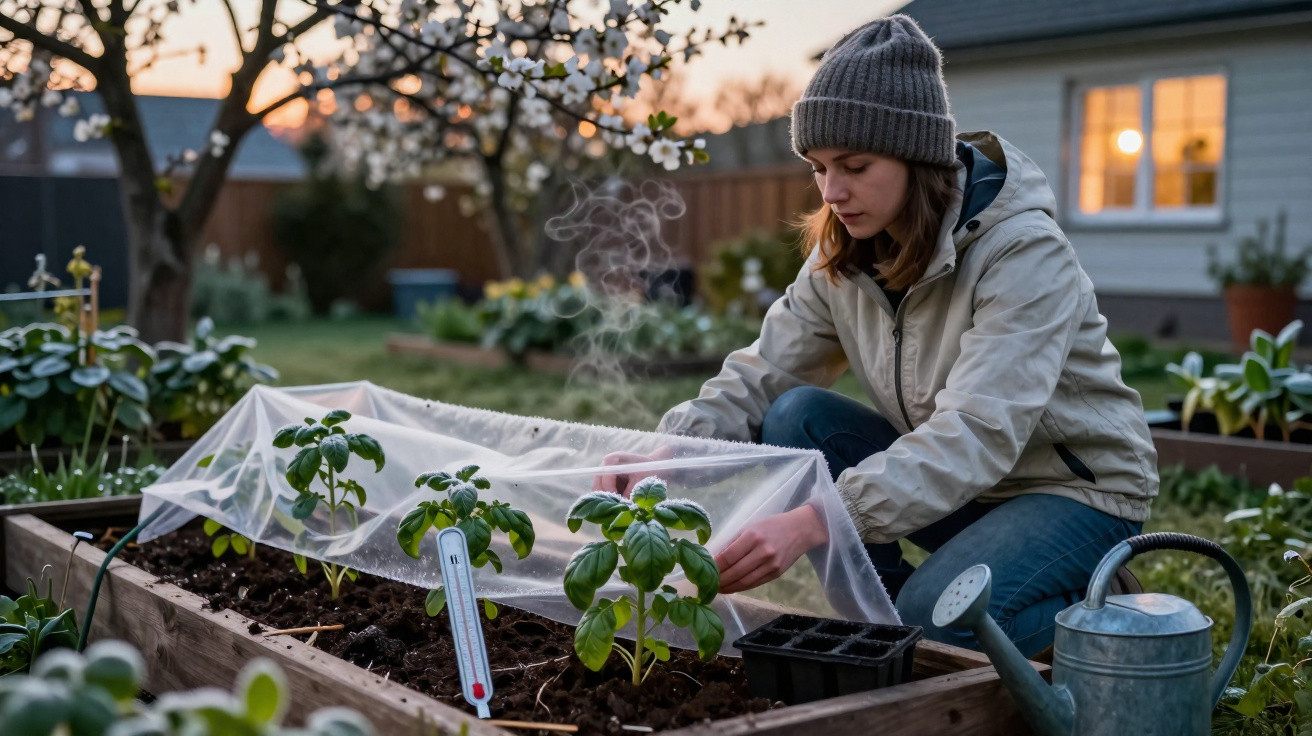
Many beds look like a spring success story by May – then a single frosty night arrives and wipes out tomatoes, pumpkins and basil. Traditional weather lore warns of precisely this cold snap around the Ice Saints. The period remains the same in 2026, but modern weather records have significantly changed how it is interpreted.
When the Ice Saints really pose a risk in 2026
The traditional Ice Saints are fixed to the same dates in the calendar every year. As usual, for 2026 they are:
- Monday, 11 May: Mamertus
- Tuesday, 12 May: Pancras
- Wednesday, 13 May: Servatius
Traditionally, these three days are regarded as the final critical period for late ground frosts. Anyone devoted to their vegetable garden should watch the night-time forecast especially closely around this window.
In many areas, however, the period is viewed more broadly. Several additional names are included in the extended May “frost corridor”:
- 14 May: Boniface
- 15 May: Sophia (often called “Cold Sophia”)
- 19 May: Ivo
- 25 May: Urban – a date that is particularly significant in wine-growing regions
“The Ice Saints represent a typical risk of cold weather in May – not an exact switch in the calendar.”
Wine growers know the danger particularly well: a brief cold spell at the end of May can severely damage young vines. This is why 25 May often matters more in vineyards than the three traditional saints’ days.
Where belief in the Ice Saints comes from
The tradition dates back to the early Middle Ages. Farmers in Central Europe repeatedly noticed the same pattern: a mild spring, vigorous new growth – followed by a sudden cold snap in early or mid-May. They linked this experience to church feast days that happened to fall within the same period.
Over time, these observations became fixed meteorological reference points in the farming calendar. People sowing, planting or turning livestock out to pasture used these saints’ days as a guide. Practical rules of thumb developed into memorable sayings passed down from generation to generation.
What modern weather data shows
Analysis of long-term records paints a more nuanced picture. Statistics covering several decades show that:
- In many lowland areas, the final frost night often occurs after 13 May.
- In around two out of three years, the last night with temperatures below 0°C came later than the traditional Ice Saints.
- Areas with a continental climate or at higher elevations regularly report frost as late as the end of May and, occasionally, even in early June.
Climate change is also challenging the old rules. Earlier springs and warmer average temperatures can make it easy to overlook the fact that individual nights can still become very cold. Temperature patterns are becoming more unsettled: longer mild spells, interrupted by isolated sharp incursions of cold air.
“The Ice Saints are not always accurate, but they mark a sensitive period in which frost damage is still statistically common.”
What gardeners can plant before the Ice Saints in 2026
Anyone who does not want to stand by idly in May 2026 can take a two-track approach: plant hardy crops early, while leaving frost-sensitive plants until later – or protecting them well.
These plants can go into the bed before mid-May
Many species cope with cool nights far better than their reputation suggests. The following are among the less problematic options:
- Root vegetables: carrots, parsnips, beetroot, turnips, radishes
- Spring vegetables: peas, broad beans, spinach, chard, various lettuces
- Potatoes: fairly robust in cool nights when lightly earthed up
- Spring flowers: pansies, primroses, forget-me-nots
- Hardy herbs: chives, parsley, thyme, oregano
Choosing these plants helps bridge the wait until it is time for the true “divas” of the vegetable garden.
Frost-sensitive plants are best planted later
Warmth-loving species that originally come from much milder climates are particularly vulnerable. As a rule, they should not be planted outdoors before the second half of May:
- Tomatoes
- Peppers and chillies
- Aubergines
- Courgettes, pumpkins and other cucurbits
- Cucumbers and melons
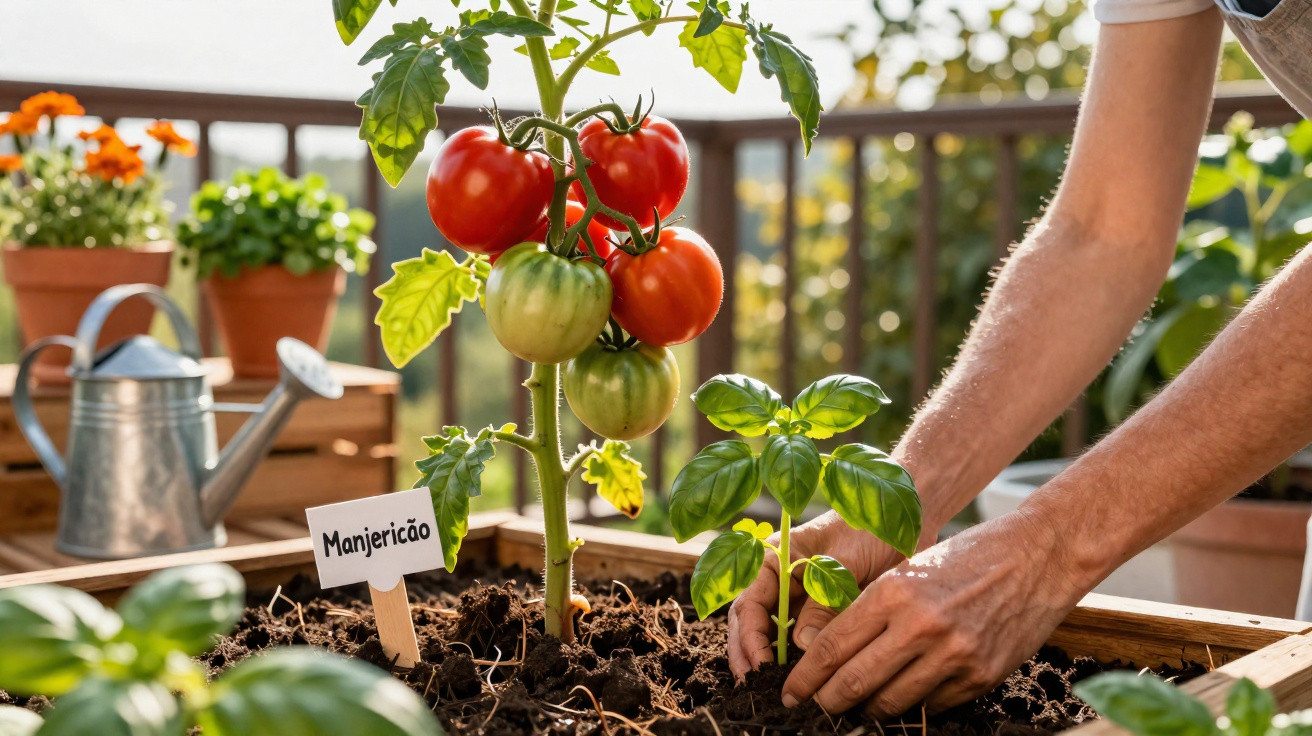
- Basil and other Mediterranean herbs, such as lemon verbena
Those gardening in a cool location or in the Alpine foothills often wait until the end of May, or use sheltered positions such as walls of the house, raised beds and polytunnels.
Practical protection around the Ice Saints
The hardest decision in May is often whether to plant now or wait a little longer. Well-planned frost protection can considerably reduce the risk.
| Problem | Practical solution |
|---|---|
| Night frost forecast | Loosely place horticultural fleece or old bed sheets over plants in the evening |
| Young tomatoes outdoors | Use tomato cloches, cut-off plastic bottles or small polytunnels |
| Sensitive container plants | Move them overnight into a garage, hallway or under a carport |
| Cold, wet soil | Warm the soil with mulch or black plastic, and avoid waterlogging |
“Anyone who keeps an eye on the weather app, soil temperature and a simple piece of horticultural fleece is much better protected from the whims of the Ice Saints.”
Regional differences: not every garden freezes alike
The biggest trap for amateur gardeners is becoming fixated on a particular date. Location and microclimate are what matter most.
Factors that increase the risk of frost in May
- Altitude: the higher the garden, the longer the frost window remains open.
- Hollow locations: cold air collects in dips, making frost more likely there.
- Exposed, open areas: windy positions cool down more quickly.
- Distance from towns and cities: densely built-up areas experience the urban heat-island effect, so nights are often milder.
Anyone new to gardening should deliberately observe one night each year when cold weather is forecast: where does frost settle? Which beds are more badly affected in the morning? That observation is more valuable than any rule of thumb.
How climate change affects the Ice Saints
Winters are becoming milder on average and the growing season begins earlier, which makes many amateur gardeners more impatient. At the same time, measurement records indicate an increase in extreme weather patterns: late cold spells, but also sudden hot periods in May.
This is where the contradiction lies: while statistics suggest that the number of traditional frost nights is falling, the perceived risk of damage is increasing. Plants begin growing earlier and have more delicate shoots, so a brief temperature drop causes more harm than it did 50 years ago.
Practical rules of thumb for May 2026
- Start warmth-loving species in pots rather than sowing them outdoors.
- Do not rely on the calendar alone; check the forecast for the next five nights.
- Give important plants double protection: keep one in the bed and one in a pot as a reserve.
- Pay attention to soil temperature: below around 10°C, tomatoes and similar plants will still not be comfortable.
Anyone who takes these points on board will no longer see the Ice Saints in 2026 as a rigid prohibition, but as a prompt to stay alert. That keeps the garden productive – and helps the nerves stay calm even if another cold night threatens in mid-May.



Comments
No comments yet. Be the first to comment!
Leave a Comment