
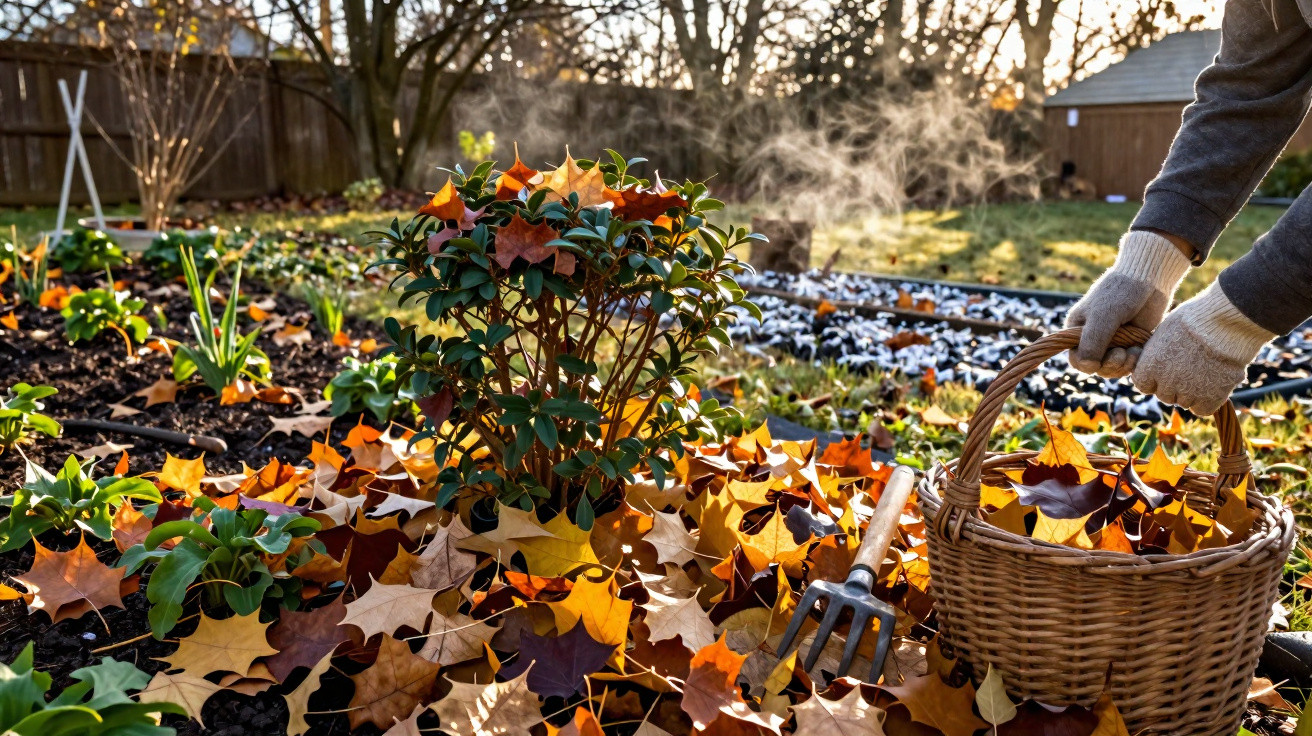
What sounds like a miracle product from the garden centre is actually available free of charge outside the front door all year round. A simple change in how you deal with what seems to be troublesome green waste can make the difference between frost-damaged beds and a vigorous, lively garden in spring.
Why plants so often lose out in winter
When the thermometer suddenly drops below freezing in January, home gardeners can quickly become alarmed. Sharp frost, icy winds and split perennials: the same scene plays out every year. Many people turn to costly fleece covers, specialist sheeting and frost-protection products. Yet hardly anyone considers whether the real issue lies much deeper in the soil.
The mistake usually starts in autumn. Lawns are raked meticulously, beds are “tidied”, and every leaf goes into a bag before being taken to the recycling centre. It may look neat, but from a gardening perspective, this removes the soil's natural protective layer.
“Bare soil in winter is about as pleasant for plant roots as T-shirt weather at minus five degrees is for people.”
A tidy garden may look good, but it is bad for the soil
The ideal image for many front gardens is a carpet-like lawn with no leaves or stems, everything looking “clean”. Nothing like this exists in nature. Woodland soils are always covered by leaves, needles or dead plant matter. This layer provides protection, retains nutrients and gradually creates fertile humus.
Anyone who consistently removes fallen leaves and plant debris takes large quantities of biomass away every year. Along with it go precisely the materials that the soil has painstakingly built up from water, air and minerals. Natural plant cycles are interrupted, while the soil loses structure, life and nutrient reserves.
What happens to unprotected soil in winter
Without a covering layer, rain, hail and snow strike the soil directly. This produces several consequences:
- Heavy rainfall washes nutrients such as nitrate and potassium into deeper layers, so plants in the bed lose their “store cupboard”.
- The soil surface becomes compacted and muddy, then dries into a hard, air-poor crust. Roots and soil organisms suffer from a lack of oxygen.
- Cold penetrates deeply into the ground, water in the pores freezes and expands, and fine roots can literally be forced apart.
The results become apparent in spring: plants emerge late, grow slowly, appear weakened and are more susceptible to disease.
Fallen leaves as a winter coat: how a natural layer keeps frost at bay
The answer to this problem is loaded by the trailer-full from many gardens in autumn: fallen leaves. Those who see them as a raw material rather than waste can avoid frost damage and save money.
How fallen leaves provide insulation
A loose layer of leaves traps plenty of air. Air is a poor conductor of heat, which is the same principle used by down jackets and mineral wool insulation in homes. In the garden, fallen leaves fulfil this role.
Beneath a leaf layer, temperature fluctuations are considerably smaller. While the air may fall to minus ten degrees overnight, conditions in the soil a few centimetres below remain substantially milder. The roots of perennials and shrubs do not have to withstand severe temperature drops, allowing their cell structures to remain intact.
“Fallen leaves act like free insulation: they keep the soil frost-free for longer and soften extreme temperature swings.”
Protection against winter drying
Winter damage does not always look like frost damage. Many plants effectively dry out even when the soil appears damp. The cause is known as physiological drought: the soil is frozen in deeper layers, so roots cannot access water, while plants continue to lose moisture through their leaves and shoots.
A layer of fallen leaves greatly reduces this effect. It slows wind at the soil surface, limits evaporation and keeps the soil layer evenly moist. Unlike plastic sheeting, it still allows water to soak in and lets the soil breathe. The risk of mould and rot is reduced.
Fallen leaves as a slow-release fertiliser: winter protection that feeds in spring
Fallen leaves do more than offer physical protection. They also act as a slow-release fertiliser that improves soil over the long term.
How leaves become humus
An army of micro-organisms, fungi, tiny insects and earthworms works beneath the leaf cover. They shred and break down the leaves gradually. This creates humus: the dark, crumbly substance that characterises healthy soil.
Humus can absorb large amounts of water and release it again like a reservoir. It holds nutrients, making them available to plants over an extended period. Soils with a high humus content are looser, easier for roots to penetrate and more resistant to erosion.
Noticeable savings on fertiliser and growing media
Anyone who consistently keeps fallen leaves in the garden will notice the difference at the garden centre by spring. Many products become less necessary:
- Less bagged topsoil is needed because the existing soil becomes more crumbly and fertile.
- Less mineral fertiliser is required because fallen leaves replenish nutrients.
- Fewer costly organic soil improvers are needed, as the garden produces them itself.
Leaves contain minerals such as potassium, calcium and magnesium, which the tree has drawn up from deeper soil layers through its roots. When the leaves remain on the property, they complete this cycle. The garden recycles its own nutrients without synthetic products.
Mulching properly: preventing fallen leaves from smothering plants, beds and lawns
For leaf layers to work to their full potential, a little judgement is needed. The aim is a protective coat, not a suffocating blanket.
The right layer depth for different areas
| Area | Recommended leaf depth | Note |
|---|---|---|
| Perennial beds and ornamental shrubs | 5–10 cm | Spread the leaves loosely; do not press them down |
| Empty vegetable beds | 15–20 cm | Be generous, as they will break down considerably by spring |
| Young or low-growing plants | max. 3–5 cm | Keep the stem base and central leaves completely clear |
Leave a small ring clear around the root crown of roses, lavender and strawberries. This allows moisture to dry away and prevents rot caused by waterlogging.
Ways to stop leaves blowing away
Loose leaves are vulnerable to wind, particularly in exposed locations. For dependable protection, proceed as follows:
- Apply leaves in dry weather, then lightly dampen them with a watering can so that they bind together.
- Run a mower over piles of leaves beforehand: shredded leaves stay in place more effectively and decompose faster.
- Add a few thin branches or a fine layer of finished compost on top; this weighs the leaves down and supplies additional micro-organisms.
Important: do not compress leaves into thick, airtight mats. The layer should remain loose so air and rain can reach the soil.
The risk from diseased leaves: what must go into general waste
Not every fallen leaf is suitable. Leaving everything in place indiscriminately can introduce diseases into the bed.
Leaves that are better not used as mulch
The first rule is to sort out diseased material. Typical warning signs include black spots on rose leaves, crusty or blotched apple and pear leaves, and brown, glassy patches on outdoor-grown tomato leaves. Such debris carries fungal spores that can strike again immediately in spring.
Material with obvious fungal infection should be disposed of separately, or composted only in a compost heap that reaches very high temperatures. Healthy leaves from fruit trees, ornamental woody plants and deciduous trees, on the other hand, are ideal for winter protection.
Why avoiding the leaf bin pays off several times over
Anyone who deliberately leaves their garden a little less tidy in winter benefits in three ways: plants cope better with harsh spells, the soil becomes more fertile and the workload falls. Trips to the recycling centre are no longer needed, while spending on fertiliser and soil is reduced.
The effect increases year after year. Each winter produces more humus, earthworms multiply, the soil becomes looser and retains more water. Plants benefit again during hot summers because the soil does not dry out as quickly.
For beginners, a trial on a small area is worthwhile: leave one bed as “clean” as usual and give another a carefully planned layer of fallen leaves. The comparison the following spring rarely favours bare soil. Once people have seen the difference, they are unlikely to take fallen leaves away so readily.



Comments
No comments yet. Be the first to comment!
Leave a Comment