
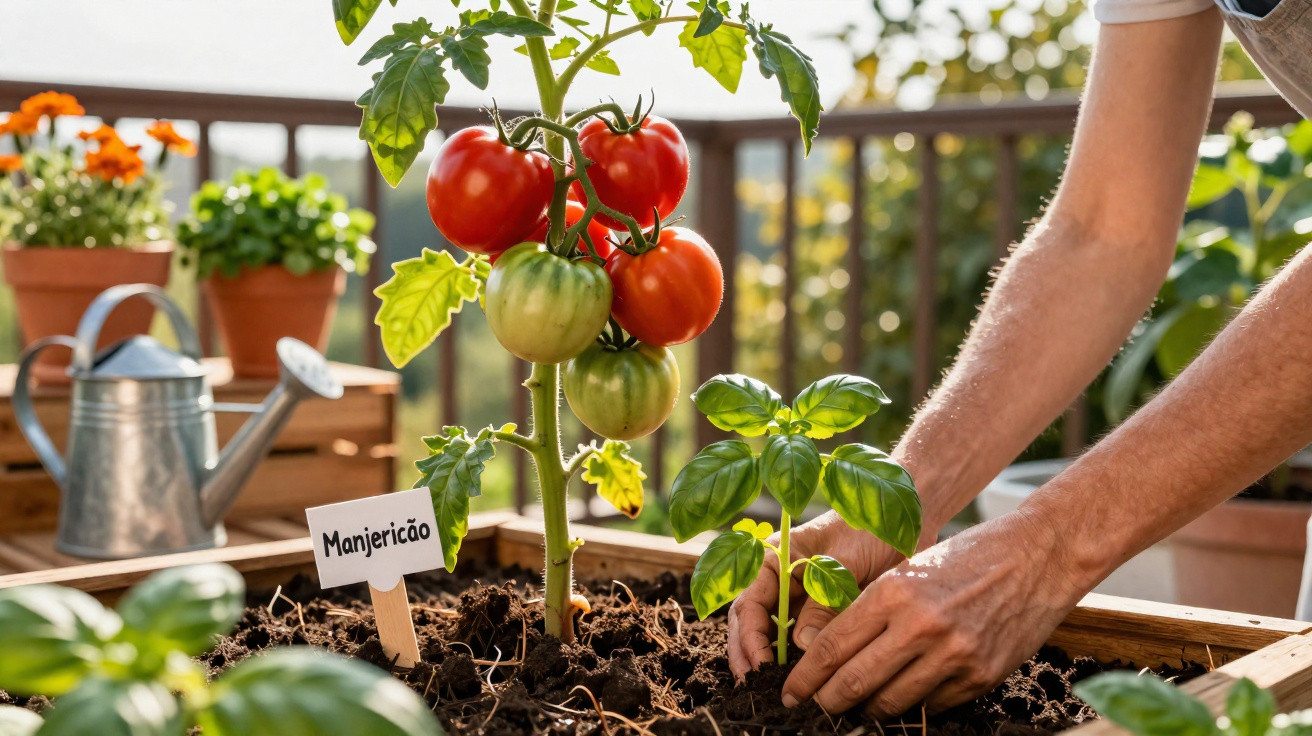
Watered, fertilised, side shoots removed, expensive varieties bought – yet the flavour often still falls short of expectations. What many people overlook is that the solution is not more fertiliser or specialist products, but a simple culinary herb that almost everyone knows. It can give tomatoes a clear boost, whether they are grown in a bed or a container.
Why a culinary herb can improve tomato flavour
In vegetable gardens, pairing tomatoes with a particular herb has long been a classic combination. The partnership is best known from the kitchen, but its benefits begin in the growing bed. Gardeners report that their fruit tastes fuller, sweeter and less watery after planting the two crops close together.
“A simple culinary herb can protect tomato plants, increase yields and noticeably alter their flavour.”
There is nothing mysterious about how this works. The strongly scented herb releases aromatic compounds that confuse or deter certain pests. Fewer aphids and whiteflies mean less stress for tomato plants. Stressed plants direct energy towards defence; relaxed plants can focus on growing and ripening – which is precisely where more flavour develops.
At the same time, the herb provides slight shade for the soil. This helps the compost or soil retain moisture more consistently, stops the root zone from overheating as much and allows tomatoes to ripen more evenly. Many gardeners find that the fruit then tastes sweeter, more rounded and less sharply acidic.
How the tomato–basil duo works in the garden
The herb in question is basil. Already the standard companion to tomato mozzarella dishes and pasta in the kitchen, it creates a small ecosystem around the tomato plant in the bed.
Natural protection against pests
The essential oils in basil can disrupt, among other things:
- whiteflies
- aphids
- certain sap-sucking and chewing insects
Tomato plants are highly sensitive to heavy pest pressure. When sucking insects weaken leaves and shoots, growth slows, fruits stay smaller, ripen unevenly and produce less sugar. Basil acts as a kind of scented protective screen. It does not replace a plant-protection strategy, but it can considerably reduce the pressure on the system.
The benefit is straightforward: less stress means a more resilient plant and improved metabolic activity, allowing fruit to remain on the vine until fully ripe. This is where most of the flavour develops.
More flowers, more fruit, more flavour
Basil offers more than its scent; its flowers are valuable too. During summer, they attract bees, bumblebees and other pollinators in large numbers. Tomatoes growing nearby benefit from this. Although tomatoes are mainly self-pollinating, wind and insects improve the distribution of pollen within the flowers. This can result in:
- more fruits setting on each plant
- more evenly shaped tomatoes
- stronger trusses of fruit
Reports from gardeners suggest yield increases of a good 20 per cent, and in some set-ups even approaching 30 per cent. Not every plot achieves figures like these, but many accounts point to the same positive trend.
The ideal planting distance: positioning tomatoes and basil correctly
For this partnership to work, both plants need similar conditions: sunshine, warmth, a sheltered position and loose, nutrient-rich soil. Both tomatoes and basil thrive in exactly these circumstances.
The following spacing has proved effective for growing beds:
| Plant | Spacing within the row | Spacing between rows |
|---|---|---|
| Tomato | 50–60 cm | 70–80 cm |
| Basil | Plant every 30–40 cm between the tomatoes | Incorporated into the tomato row |
A simple rule of thumb is one tomato, then a gap, then one basil plant, followed by another gap and the next tomato. This creates a chequerboard-style pattern along the row. The basil fills the spaces without taking light away from the tomatoes.
Tomatoes and basil in a container or on a balcony
Anyone without a garden can easily apply the same principle on a balcony. A vigorous cherry tomato plant and a basil plant work well together in a large pot or planter.
- Pot size: 40 to 60 litres in volume
- Position: as sunny and sheltered from wind as possible
- Growing medium: high-quality vegetable or tomato compost
When watering, aim for regular moisture without waterlogging. Basil is sensitive to permanently wet roots, while tomatoes dislike alternating extremes. A thin mulch layer of grass clippings or straw helps retain moisture without enclosing the stem.
To keep basil bushy, pinch out the shoot tips regularly. New side shoots will emerge from the leaf axils. This produces plenty of fresh leaves and intensifies the scent around the tomatoes in the container.
More than a duo: plants that can strengthen the team
Many home growers add a third companion plant to tomatoes and basil: the annual flower borage. It produces sky-blue star-shaped blooms that are highly attractive to pollinators.
Borage offers several advantages:
- deep roots that loosen the soil
- nectar-rich flowers for bees and bumblebees
- light shading of the soil during high summer
This trio creates a lively growing area: tomatoes stand tall, basil grows between them, and borage is planted in the gaps or around the edge. The result is mixed planting that confuses pests, encourages beneficial insects and can make sprays unnecessary or less frequent.
Practical tips for more flavour in tomato fruit
Anyone hoping to get more flavour from their tomatoes can adjust several factors – basil is one of them, but not the only one.
- Variety choice: Flavour-focused varieties, heritage varieties and cherry tomatoes often provide more intense flavour profiles than varieties bred purely for high-volume production.
- Water management: Consistent moisture supports sugar production. Major shifts between drought and saturation encourage splitting and watery fruit.
- Position: Full sun for several hours a day increases the production of flavour compounds.
- Harvest timing: Tomatoes are best picked when fully coloured and slightly soft to the touch.
Basil adds a gentle extra boost to these measures: it steadies the microclimate, attracts pollinators and keeps some pests at bay. Together, these effects can make the difference between a decent harvest and a truly delicious one.
What beginners should bear in mind
Beginners often put basil outdoors too early. The plant is sensitive to cold nights. It should only be moved outside once temperatures remain reliably above 10°C and there is no longer a risk of frost. Tomatoes are usually planted out at roughly the same time, often from May onwards.
Sowing basil directly in blazing midday sun can sometimes lead to an unpleasant surprise: seedlings may dry out within a few hours. It is better to cover the seed lightly, keep it moist and provide a little shade during the first few days. Once the plants have grown stronger, they cope with sunshine much better.
Basil can be harvested regularly throughout the summer. Gently picking leaves one by one or repeatedly removing the tips encourages fresh growth until autumn. Tomatoes and basil will then grow side by side not only in the bed, but also arrive together on the plate straight from the vine – often with exactly the flavour hoped for from a home-grown harvest.
Comments
No comments yet. Be the first to comment!
Leave a Comment