
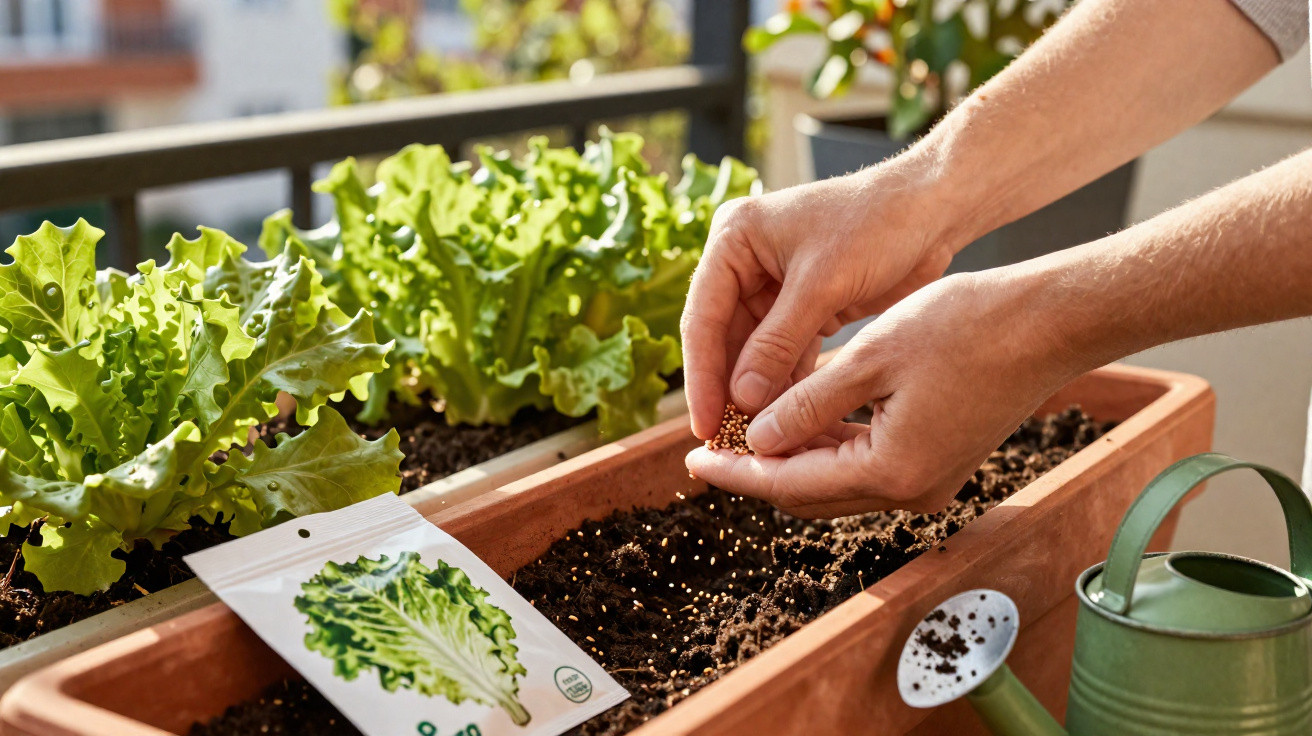
While many shoppers are groaning about rising supermarket prices, increasing numbers are reaching for a hoe, window box and packet of seeds. Growing your own lettuce saves money, reduces stress and lets you know precisely what will end up on your plate. One option is particularly appealing: a compact packet of seeds for a particular leaf lettuce variety, available for less than two euros and capable of producing fresh leaves throughout spring and summer.
A low-cost start to the season: lettuce for under two euros
One current offer stands out on the garden shelves of DIY stores: a packet of seeds for a pale-green leaf lettuce variety, known as oak leaf lettuce, costs just €1.79. It contains around 4 grams of seed – considerably more than a bag of ready-washed mixed leaves from the chilled supermarket aisle.
“Choosing seeds rather than ready-prepared lettuce means paying once and harvesting for weeks.”
This variety is regarded as both tender and resilient. It copes with cooler spring nights, tolerates summer warmth and is less likely to bolt quickly. In other words, it does not immediately form stems and flowers, but remains in the leafy stage for longer, when it tastes best.
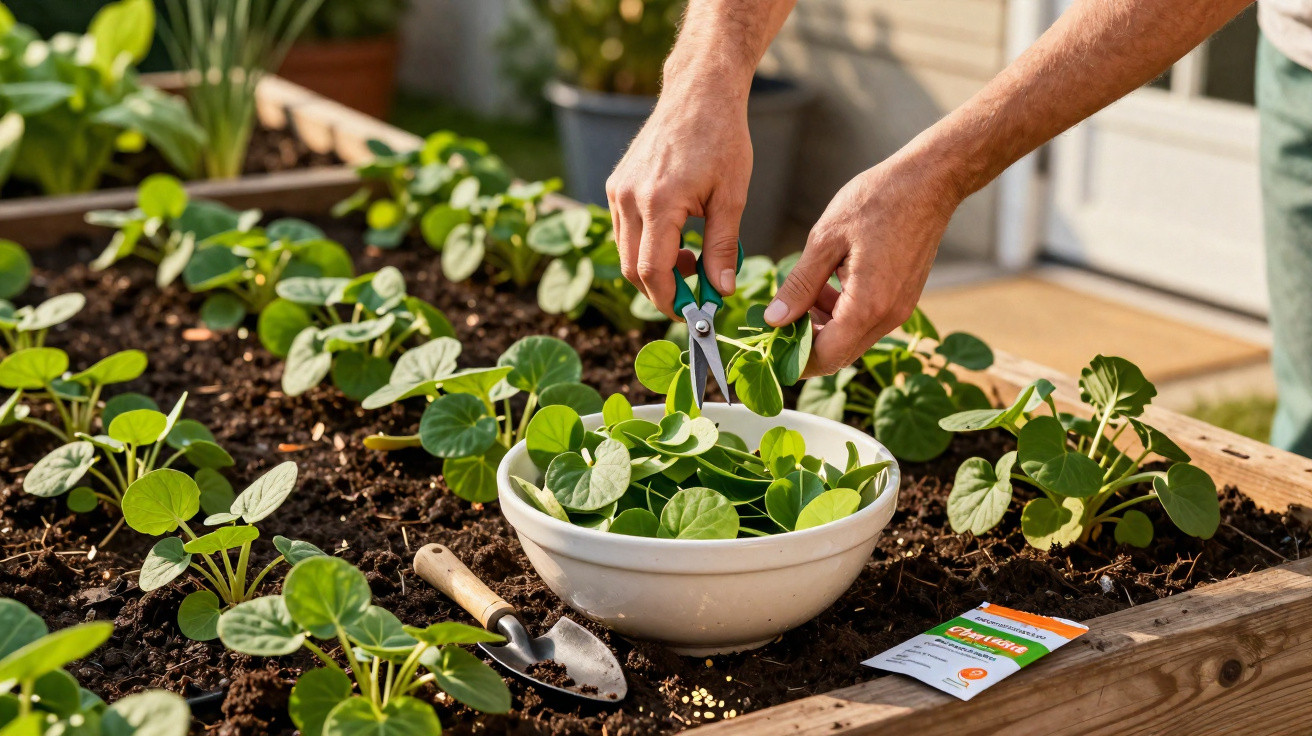
There is another benefit: its leaves grow loosely and are deeply serrated, so they can simply be cut or picked as needed. Rather than harvesting whole heads, you take only the amount required for the kitchen. The remaining leaves continue to grow.
From seed to your first salad: easy growing with no experience needed
This variety is also well suited to beginners growing vegetables. Its sowing window is remarkably generous: rows, pots and balcony planters can be sown from February through to July.
Anyone starting in late winter or early spring can expect their first harvest from around May. By sowing successive batches at intervals of two to three weeks, a household can keep supplied with fresh lettuce well into autumn.
The right conditions: temperature, light and position
- Temperature: Germination needs temperatures of around 12°C, which are already reached in many areas during early spring.
- Position: Choose a bright spot with plenty of sun, particularly in spring and autumn. During high summer, partial shade is welcome.
- Container: A garden bed, raised bed, window box or large planter will all work, provided the soil stays loose and free-draining.
For a south-facing balcony, a long planter is the best choice. Seeds can be started in smaller trays on a windowsill, with young plants moved into larger containers later.
“Just one metre of balcony planter is enough to provide a small family with fresh leaves regularly.”
How to sow oak leaf lettuce: a step-by-step guide
- Fill the container with loose, humus-rich soil and press it down lightly.
- Make shallow drills around 0.5 to 1 centimetre deep.
- Scatter the seeds thinly, leaving enough space for the plants to develop properly.
- Cover with a little soil and water gently, without washing the seeds away.
- Keep the soil evenly moist during the first few days, until the seedlings emerge.
Once the young plants have developed several leaves, thin out any that are growing too close together, or harvest them straight away as baby-leaf salad.
A larger harvest with clever neighbours in the bed
Leaf lettuce grows particularly well alongside many other vegetables. Well-planned combinations can improve growth, soil life and, in some cases, protection from pests.
| Good companions | Why they work well |
|---|---|
| Carrots | They use a different rooting depth, help loosen the soil and still allow enough light through for lettuce. |
| Onions | Their scent deters some pests that would otherwise nibble the leaves. |
| Beetroot | It grows more slowly and takes away very little light or space from the lettuce. |
| Brassicas | Their large leaves provide pleasant shade for lettuce in summer heat. |
| Beans and other legumes | They improve long-term soil fertility, which benefits the lettuce. |
In a raised bed, lettuce can be used to fill gaps. Sown between young brassica plants or carrot rows, it makes use of space that would otherwise be empty at first. By the time the main crops grow larger, the lettuce will already have been eaten.
Natural protection from slugs and other threats
The biggest danger to young leafy vegetables remains the usual culprit: slugs. On damp spring nights, they can devour entire rows in a single visit.
“A simple ring of wood ash can save your young plants from slugs.”
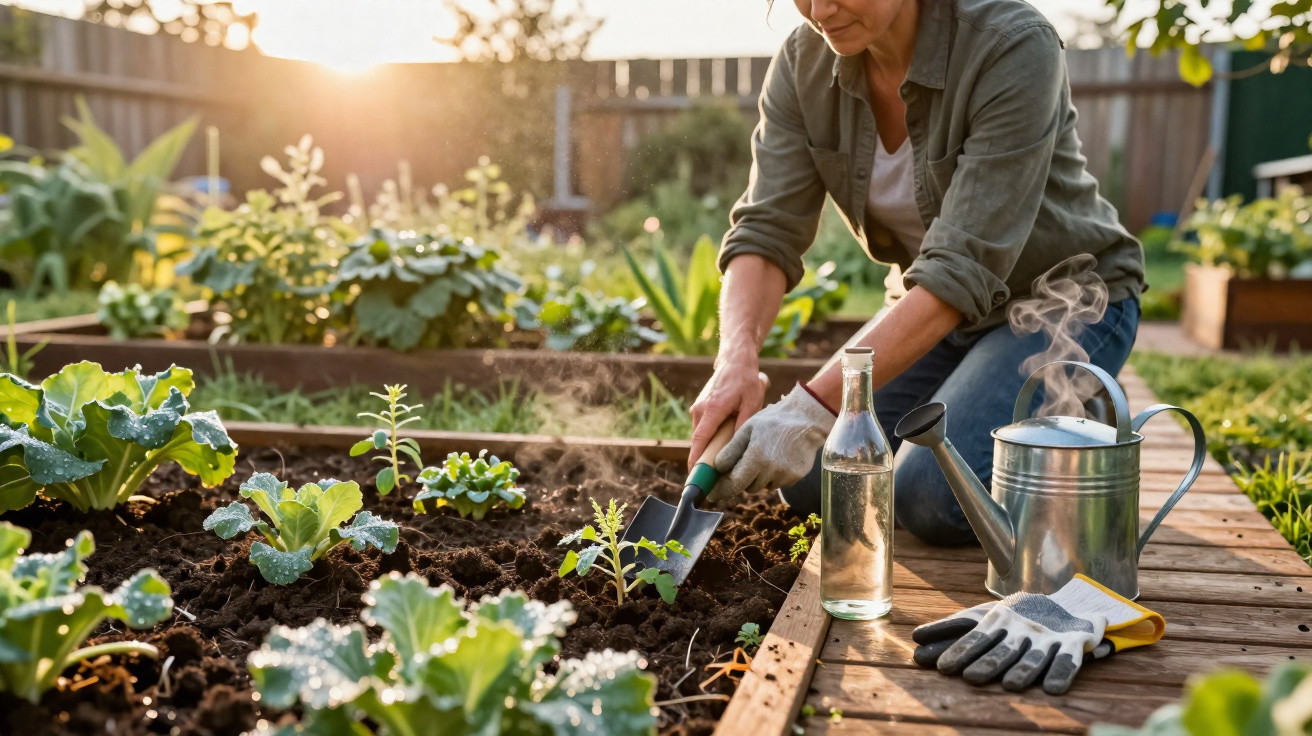
For an inexpensive, chemical-free approach, use wood ash, such as ash from a fireplace or stove where only untreated wood has been burned. A thin band of ash around beds or containers deters many slugs. However, it needs to be renewed after heavy rain.
Other helpful measures include:
- Collecting slugs from the garden in the evening.
- Checking hiding places such as boards or stones during the day and removing any slugs found.
- Using tall planters or raised table beds on balconies and patios, which are more difficult for slugs to reach.
For balcony planters positioned high up, slugs are usually only a minor concern anyway. Here, regular watering and nutrient-rich soil matter most.
Balcony, patio or garden: where this lettuce thrives
This pale leaf lettuce suits almost every type of home. It grows just as successfully in a traditional garden bed as it does in a pot on a windowsill. If space is limited, place several small containers in different corners of the balcony.
The maintenance required is modest: water regularly, add a little organic fertiliser from time to time and keep harvesting leaves. The plants forgive small mistakes, whether that is cutting them back too late or allowing a brief dry spell.
“From ‘I’ve never grown anything’ to ‘raised-bed hobby gardener’: this variety suits every level.”
Many garden centres rate the difficulty level as suitable for beginners through to more experienced growers. Retail feedback is in a good range, with ratings clearly above average. This suggests that the balance of flavour, yield and ease of care works well.
Why buying lettuce seeds is worthwhile right now
With food prices rising, the calculation is worth considering: a packet costing under two euros will usually yield considerably more than ten lettuce heads in the form of leaves that regrow repeatedly. Buying the same amount from a supermarket would cost many times more.
There is also the freshness factor. The leaves go straight from the planter to the kitchen, with no long transport distances, plastic packaging or preservation involved. For anyone interested in mindful eating, a project like this offers a straightforward starting point.
There is an additional benefit for families with children: youngsters who help with sowing, watering and harvesting are often more willing to try the lettuce too. Affordable seed therefore becomes a small educational project about food and nature.
Those who enjoy experimenting can add further varieties later, from darker oak leaf lettuces to red-and-green mixes. Combined with herbs such as chives, parsley or basil, even a few balcony planters can create a surprisingly versatile miniature vegetable garden.



Comments
No comments yet. Be the first to comment!
Leave a Comment