
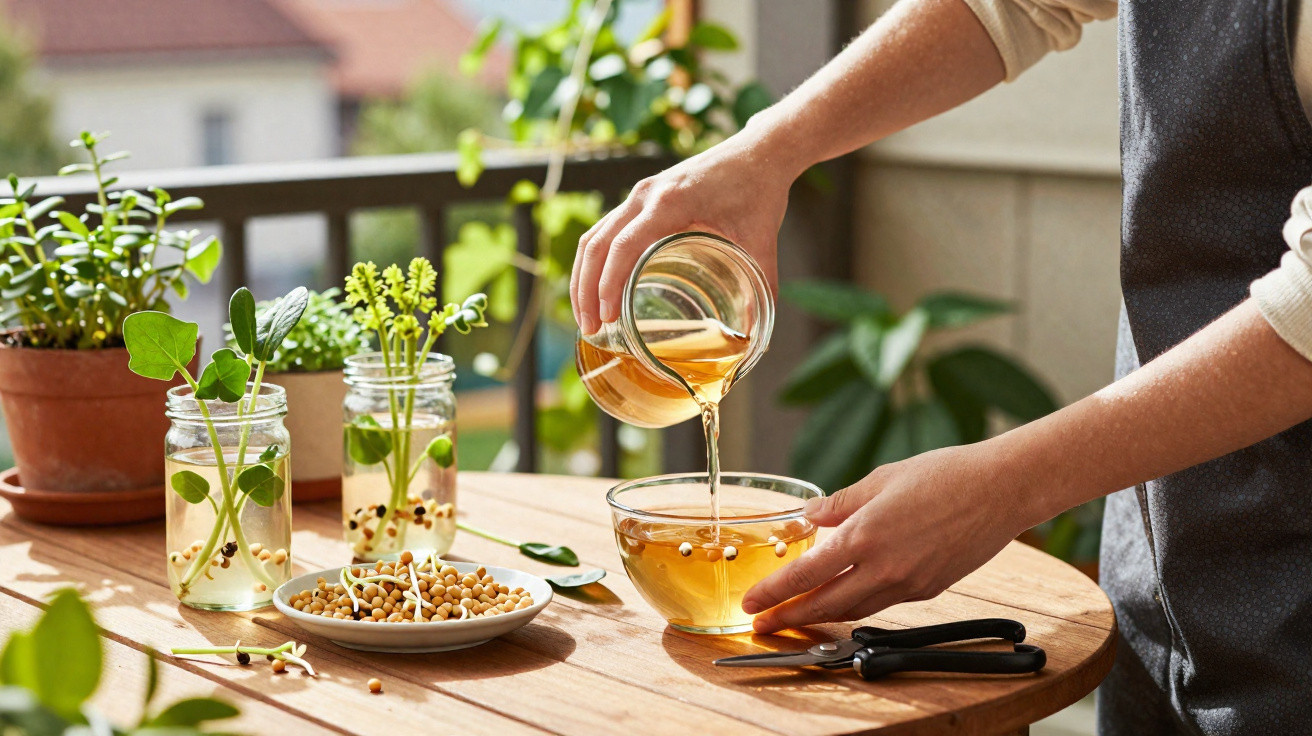
Making a natural rooting agent for cuttings from simple ingredients has become common practice among people who want to propagate plants at home without using commercial products. This method encourages roots to form on stems or plant sections and, together with basic care involving growing medium, light and moisture, can significantly improve the chances of successful propagation.
What is a natural rooting agent for cuttings and how does it work?
A natural rooting agent is any solution or preparation made from organic ingredients that helps promote root development in cuttings. Rather than synthetic hormones, it uses substances found in foods and plants, including vitamins, sugars and minerals, which support the regeneration of cut plant tissue.
These preparations may provide the cells with a quick source of energy, offer mild protection against fungi and bacteria, and help keep moisture stable around the base of the cutting. Used properly, they are not a miracle solution, but they can improve the success rate when paired with healthy plant material and suitable growing conditions.
How do you make a natural rooting agent with lentils and other sprouted grains?
One of the most popular mixtures takes advantage of the properties of lentils or other germinating grains. At this stage, seeds release compounds that support root and shoot growth, making them an interesting basis for homemade solutions.
A straightforward lentil rooting-agent recipe can follow these basic steps, which can be adjusted according to the number of cuttings you intend to prepare:
- Wash 1 cup of lentils, cover them with water and soak for 8 to 12 hours.
- Drain them, keep them moist and allow them to germinate for 1 to 2 days, rinsing them morning and evening.
- Blend the sprouted lentils with 3 to 4 parts water, then strain the liquid.
- Keep it in a clean container in the fridge for up to 2 or 3 days, using small amounts at a time.
Which simple natural rooting agents can be used besides lentils?
In addition to lentils, other everyday ingredients can be included in the routine of anyone who enjoys propagating plants. Some work mainly by protecting the cut surface, while others provide a mild nutritional boost that can help the cutting cope with its first days under less stress.
Below are several examples frequently discussed by home gardeners. They can be tested on a small scale before being used more widely on your plants:
- Ground cinnamon: applied as a thin layer to the cut base, it helps provide antimicrobial protection.
- Willow water: made by infusing young twigs, it is used to soak cuttings for a few hours.
- Diluted whey: applied sparingly to moist growing medium as a nutrient boost.
- Unsalted vegetable water: occasionally reused as a supplementary watering option for newly planted cuttings.
How can natural rooting agents be used on cuttings safely and effectively?
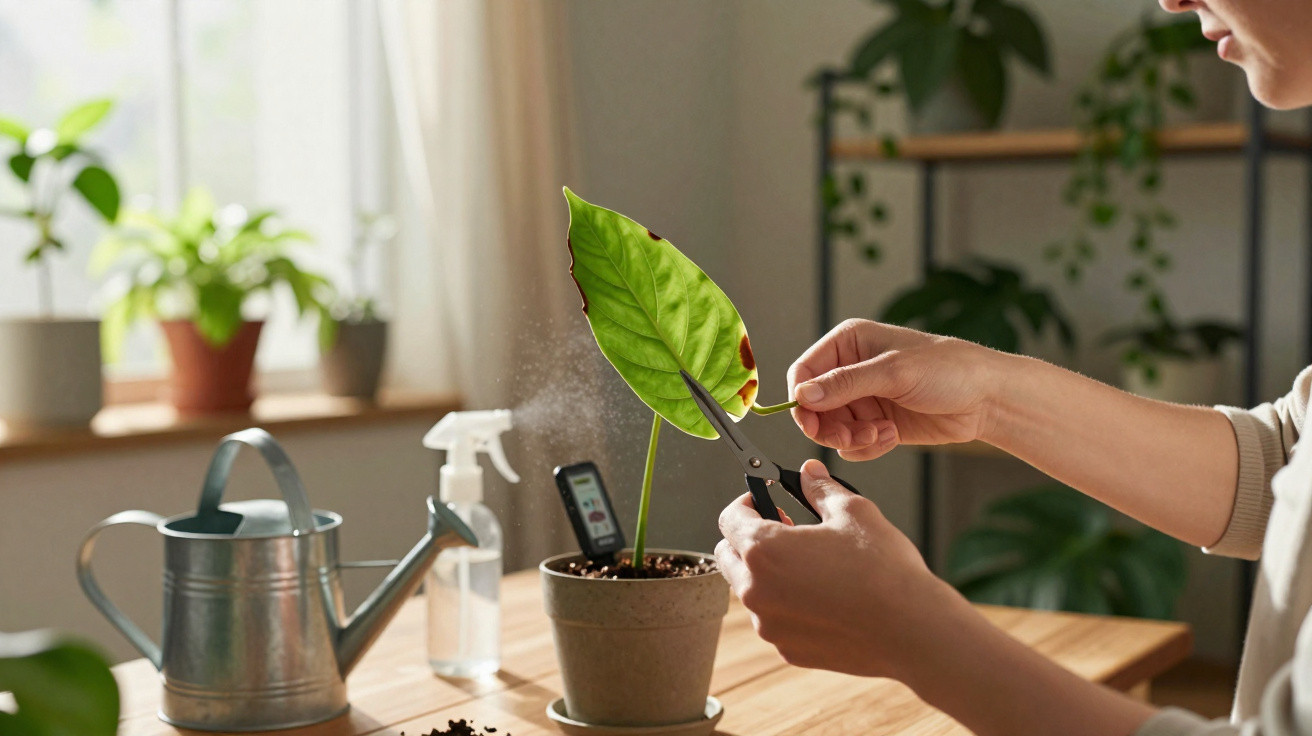
For a natural rooting agent to be genuinely helpful, begin with healthy cuttings measuring 10 to 20 cm and containing at least 2 or 3 nodes. Make a clean cut with a sharp, sanitised tool, remove excess leaves and leave only a few at the top of the cutting.
After soaking the base of the cutting in the chosen solution for the recommended time, plant it in a light, free-draining growing medium and maintain consistent moisture without waterlogging it. Firmness in the medium, new shoots and greater resistance when lightly touched may indicate that rooting is under way. Keep in mind that every species develops at its own pace and will not always respond in the same way to homemade mixtures.
Comments
No comments yet. Be the first to comment!
Leave a Comment