
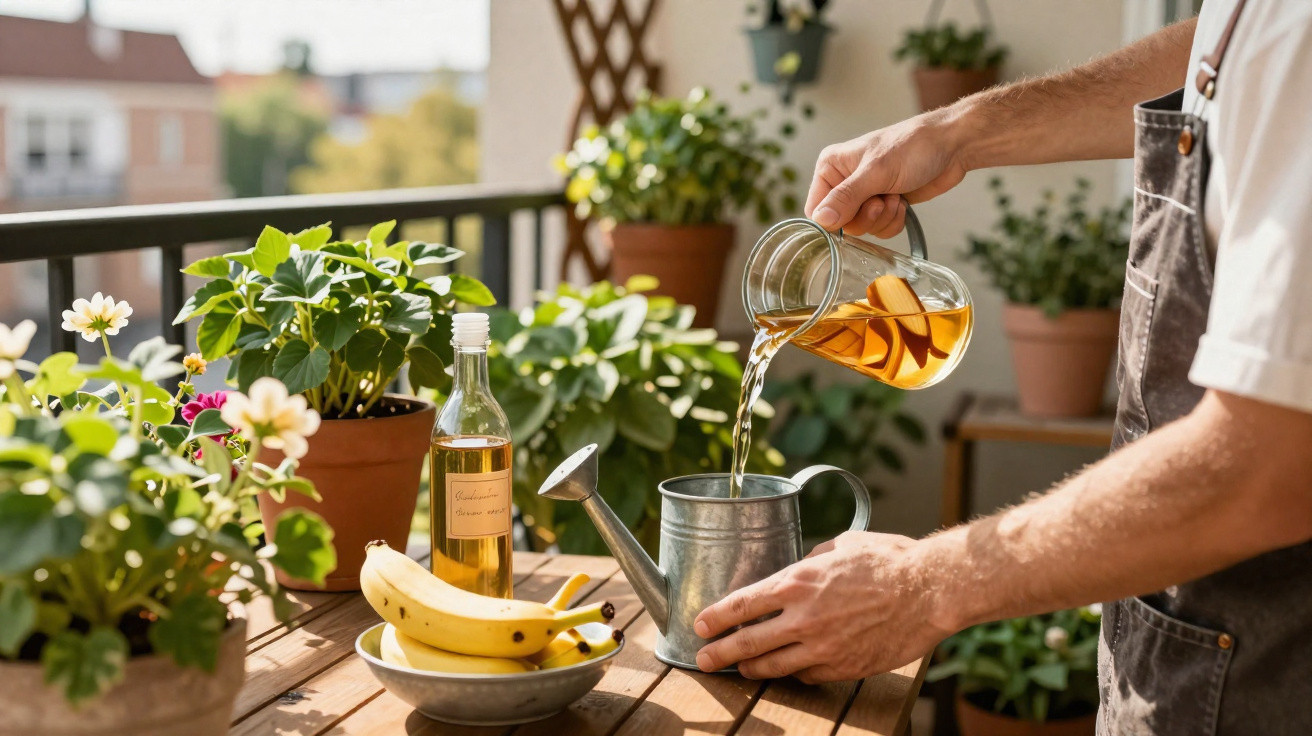
Using natural liquid fertiliser made from banana peels is becoming increasingly popular among people who grow vegetable patches, gardens and potted plants. It turns an everyday kitchen waste product into a fertiliser that supports plant growth, cuts waste and reduces reliance on manufactured products. It works equally well in compact spaces and larger gardens.
What is banana peel liquid fertiliser and what is it used for?
Banana peel liquid fertiliser is a mixture made by steeping fresh or dried peels in water for a set period, allowing nutrients to be released. It is typically rich in potassium, with smaller amounts of phosphorus, calcium and magnesium, all of which contribute to plants’ overall strength.
This fertiliser is mainly used to supplement nutrition, particularly during flowering and fruiting, supporting stronger flowers and better-developed fruit. In urban gardens, it is commonly combined with solid organic compost and a mulch of dry plant matter, creating a more complete and sustainable growing approach.
How do you make natural liquid fertiliser from banana peels?
There are several ways to make this fertiliser, with differences in steeping time and storage method. Water infusion is the simplest option: it requires no specialist equipment and can be prepared in small batches to prevent waste and strong smells.
A common homemade version can be prepared as follows:
- Set aside the peels: Keep freshly used banana peels, avoiding any sections that are mouldy or heavily darkened.
- Rinse them lightly: Run the peels under water to remove any traces of dirt.
- Cut into pieces: Chop the peels into smaller pieces to help nutrients pass into the water.
- Choose a container: Use a very clean glass or plastic container with a lid.
- Add water: Fully cover the peels with filtered water or tap water that has been left to stand.
- Leave to steep: Keep the container in a ventilated place away from direct sunlight for 24 to 72 hours.
- Strain the mixture: Once the steeping period has ended, remove the peels and retain only the liquid.
- Store it: Keep the liquid fertiliser in the fridge or another cool place, and use it within a few days.
The steeping time should not be extended too far, as this can cause excessive fermentation and attract insects. The strained peels can go into a compost bin, be buried in growing beds or mixed with other organic waste, making fuller use of the material.
How can banana peel fertiliser be used safely on plants?
Using natural banana peel liquid fertiliser safely depends on appropriate dilution and careful application frequency. As a general guide, mix one part fertiliser with three to four parts clean water, then apply it directly around the base of plants without soaking the soil.
The following practical guidance can make correct use easier across different growing situations:
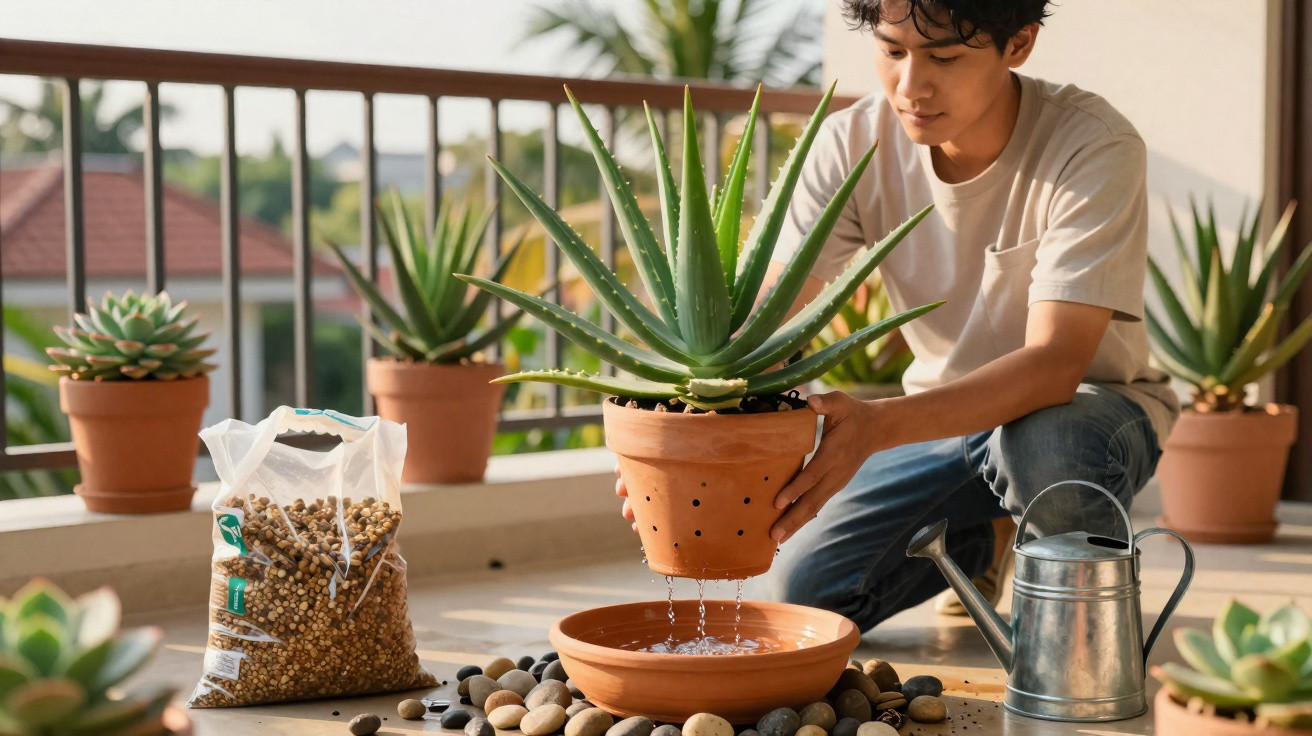
- Potted plants: Apply the diluted fertiliser every 15 to 20 days, checking that water can drain through the pot’s holes.
- Home vegetable patches: Use the fertiliser close to the stem, without applying it directly onto very sensitive leaves.
- Ornamental plants: Apply less often and monitor how each species responds.
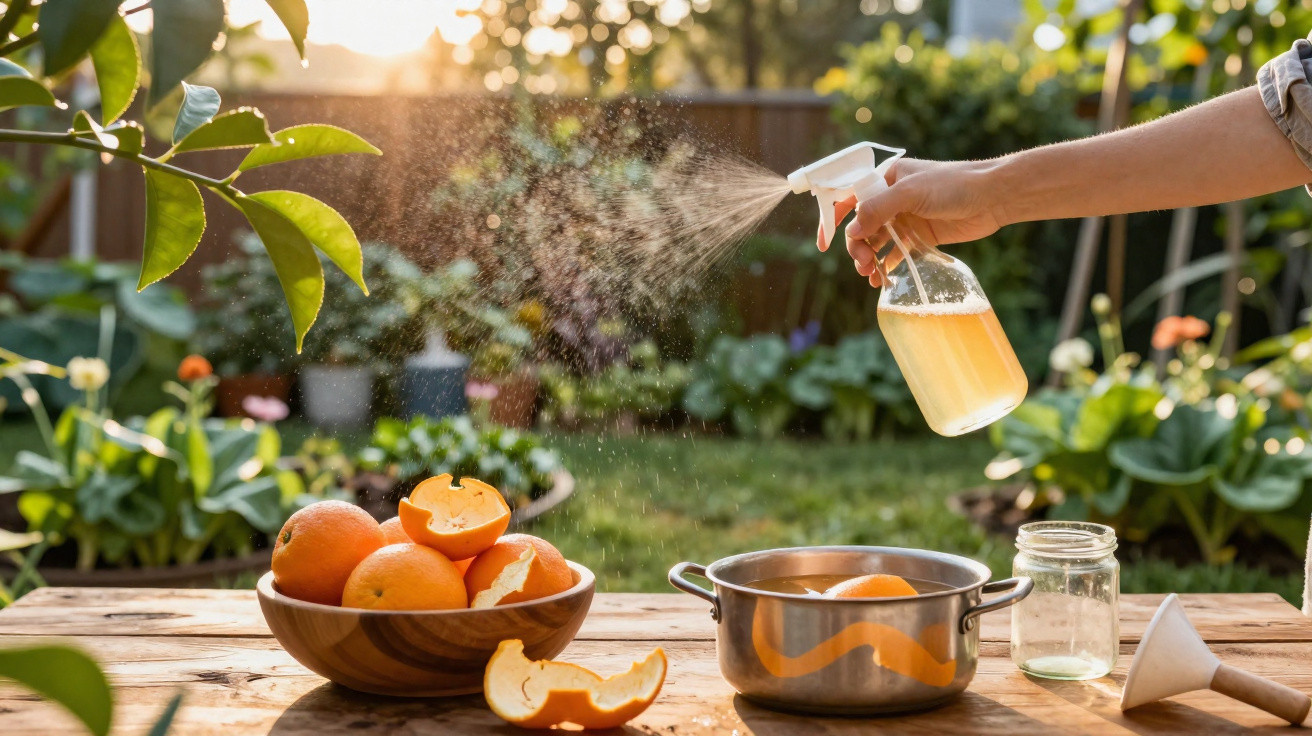
- Foliar spraying: When spraying the leaves, dilute it further and use it at times of lower sunlight.
This fertiliser should not be the only source of nutrition. Instead, use it to complement well-maintained soil containing organic matter and receiving balanced watering. This helps reduce the risk of excess salts and nutritional imbalances.
What precautions and variations can improve this type of fertiliser?
Making natural liquid fertiliser calls for clean containers, a moderate steeping period and storage in cool conditions to prevent strong odours and the growth of unwanted micro-organisms. It is therefore better to make small quantities and use them within a few days rather than storing large volumes.
There are useful alternatives, including drying the peels in the sun or oven, grinding them into a powder and mixing them with water only when needed, which makes storage easier. Banana peels can also be combined with crushed eggshells or a small amount of coffee grounds to create more complete mixtures. These work best when used alongside good soil drainage, suitable watering and light exposure appropriate to each plant species.

Comments
No comments yet. Be the first to comment!
Leave a Comment