
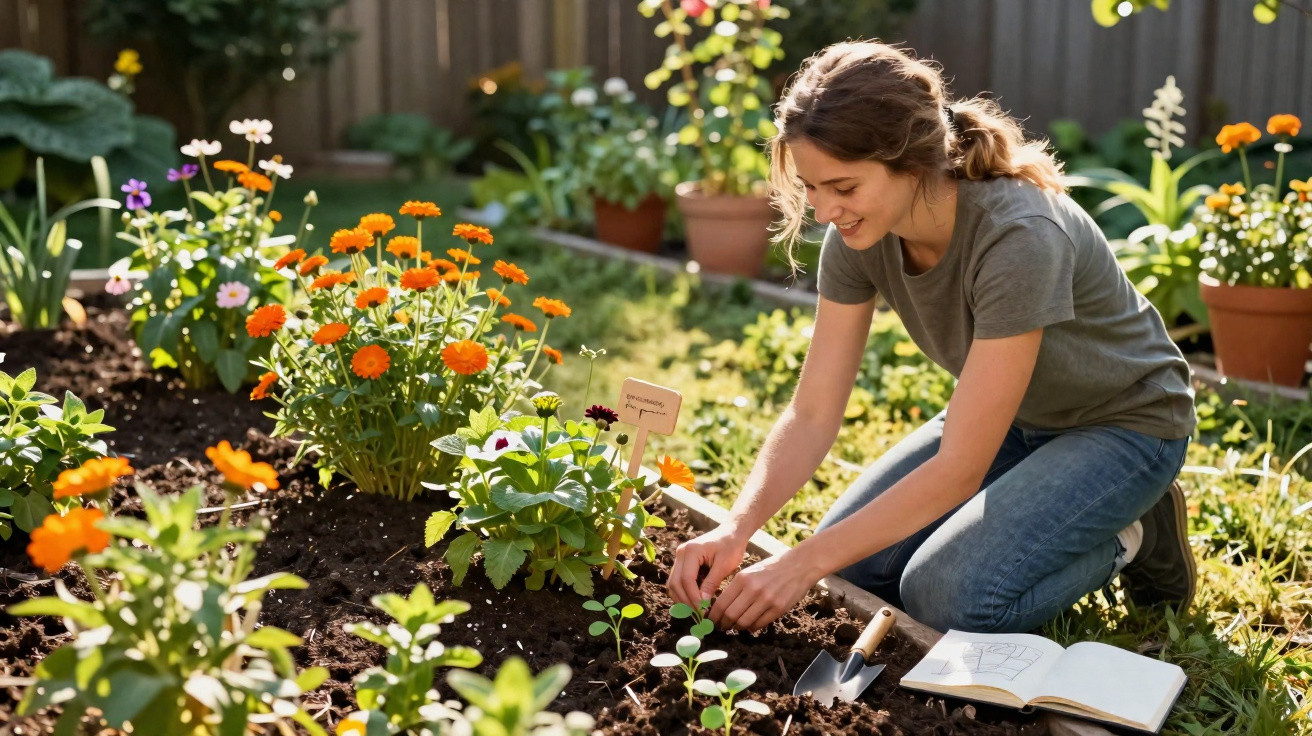
In many gardens and balconies, there are plenty of beautiful flowers that seem as though they demand a great deal of work. In many cases, though, the secret is simply choosing the right plants. Some species grow, spread and return on their own year after year, as if the garden could “look after itself”. With these plants, there is no need for constant pruning or regular replanting: consistent basic care is enough to keep everything healthy and flowering, even in small spaces.
What are plants that multiply by themselves in the garden?
When people refer to a plant that “manages by itself”, they usually mean species that spread through self-seeding, root shoots or runners. In practical terms, they produce new seedlings without needing to be replanted, like a family growing around the parent plant.
In everyday garden care, these plants can fill bare patches, cover the soil and keep the space looking lush throughout the year. To make this work properly, simply water a little more at the beginning, keep the soil loose and avoid overly vigorous weeding, so that developing seedlings are not pulled out.
Which plants multiply by themselves most easily?
Among the favourites of people who want a low-effort garden, several plants stand out for their hardiness and ability to return independently. Calendula, for instance, produces cheerful yellow and orange flowers and releases plenty of seeds, which fall to the ground and germinate readily.
Impatiens, often found in pots and shady corners, also spreads with little effort, appearing around walls and in damp areas. Portulaca, the well-known silk flower, is ideal for warmer regions, prefers drier soil and often returns in pavement cracks, along bed edges and in shallow planters.
How can you organise a garden using self-renewing plants?
To keep the garden attractive without allowing it to become untidy, it is worth planning where each species can grow and how far it may spread. This lets you benefit from natural multiplication while keeping the overall arrangement balanced, without one plant taking over the entire space.
A straightforward way to begin is to follow a few basic steps, watching how the plants behave through the seasons and making gradual adjustments:
- Choose 2 to 3 species suited to your local climate.
- Allocate specific corners to each plant at the outset.
- Reuse self-sown seedlings to fill gaps in planting beds.
- Water lightly, remove competing weeds and prune dry stems.
What care helps control and make the most of natural multiplication?
Although these plants are easy to grow, a few details make a difference when balancing their growth and maintaining a well-kept appearance. Setting boundaries, removing or transplanting excess seedlings, and monitoring how each species responds to the climate will help keep everything under control.
Generally, it is best to keep the soil light and well drained, provide the amount of light each plant prefers and water generously during the initial stage. Removing spent flowers, in species that respond well to this, encourages further blooms and extends the garden’s colour. With the help of calendula, impatiens, portulaca and other low-maintenance companions, the garden can begin to look almost self-sufficient.

Comments
No comments yet. Be the first to comment!
Leave a Comment