
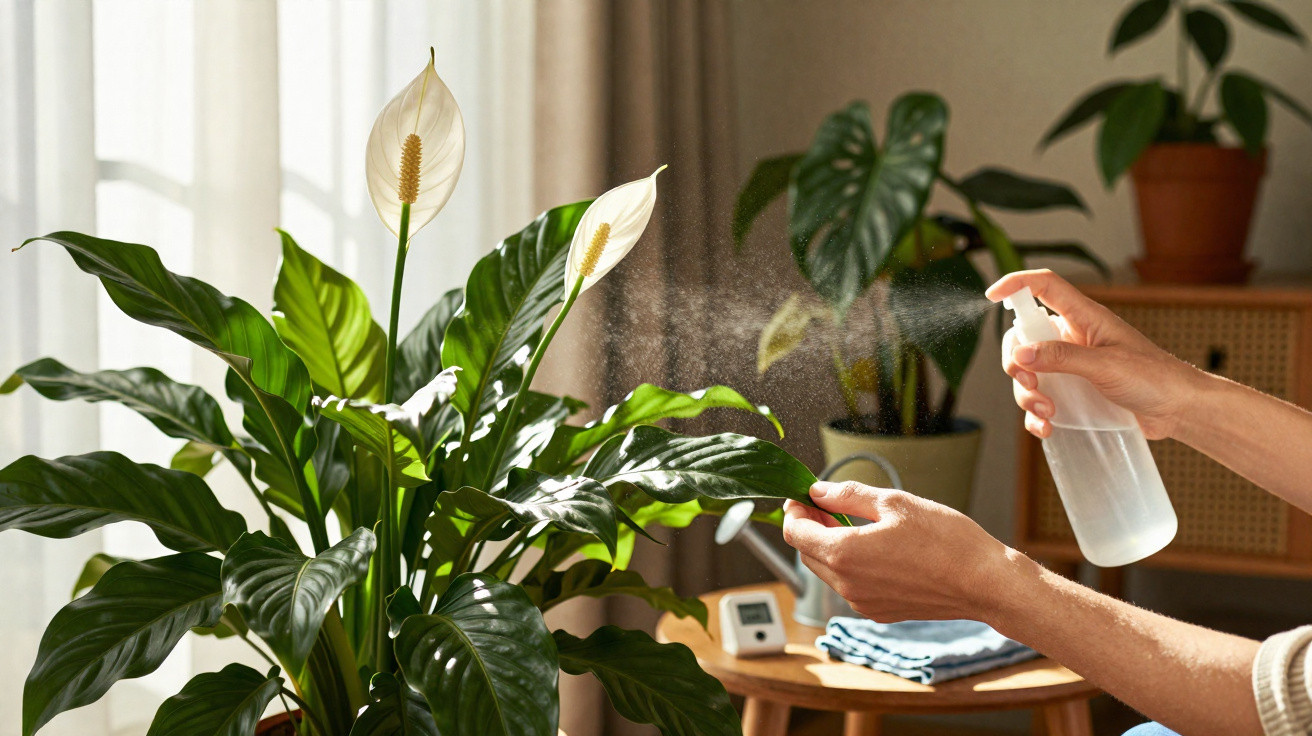
Keeping a peace lily indoors brings considerable beauty and wellbeing to the whole family. This wonderful ornamental species helps to purify the air in the home, but it needs appropriate care for its beautiful white flowers to emerge in abundance time after time.
What are the main varieties of this plant?
Several sizes of the same species are available from plant retailers for growing in houses and flats. The traditional variety has long, narrow leaves that resemble rabbit ears, while the giant type has more oval foliage and a particularly robust, charming appearance.
Alongside these common options, there is also a variegated version with leaves marked in white or cream. This mutation gives the pot an exotic look, although it requires more attentive care and is known to produce fewer buds during healthy growth.
Below are some notable details about this plant’s origins and physical attributes:
- Colombian origin: The traditional type is native to Colombia as well as Venezuela.
- Giant version: The larger plant has strong origins in Mexican lands.
- Textured leaves: The variegated hybrid stands out for its distinctive textures.
- Air purification: It absorbs airborne pollutants and raises humidity levels.
- Induced flowering: It needs the right level of light to produce its beautiful pale structures.
How can you get the lighting and temperature right?
The peace lily needs moderate warmth and a daily amount of gentle light to flower properly. If it remains in complete shade, it will produce few flowers or develop structures that are entirely green because they lack sunlight stimulation.
To prevent the delicate leaves from suffering serious scorch damage, place the pot in very mild morning sun. This simple measure, together with protection from cold draughts, ensures the right humidity and keeps the plant very healthy.
Watch the content published on the My Plants YouTube channel for useful guidance on growing it at home:
What are the signs of overwatering?
The harmful combination of insufficient natural light and excessive watering can cause serious root problems. Water collecting in the growing medium makes the stems wilt noticeably and encourages rot at the base of the leaves, damaging the plant.
Take care with moisture
Critical fungal symptoms
Too much water combined with low light creates fungi that harm the condition of ornamental foliage.
These dangerous fungal marks begin around the leaf edges and display a very distinctive, pronounced yellow border.
Another very common issue linked to unsuitable light is the complete yellowing of foliage after prolonged exposure to excessively strong sun. This sun scorch differs from fungal markings because it alters the colour of the entire leaf structure, harming its continued growth.
Look out for these physical signs from the plant, which indicate serious mistakes in weekly watering:
- Excessive wilting of the stems even when the compost is completely wet.
- Leaves coming away easily from the rotted base in the pot.
- The appearance of dark marks surrounded by a striking yellow ring.
Why do peace lily leaf tips dry out?
Dry leaf tips are usually caused by low humidity in the air within the home. Enclosed rooms that use air-conditioning units can seriously harm tropical foliage, so move your peace lily away from this equipment immediately to prevent constant deterioration.
In addition, irregular marks and scorched edges scattered across the leaves may signal a chronic lack of suitable feeding or the use of incomplete fertilisers. Overly cramped pots, where roots circle around without room to spread, can also cause this aesthetic damage to your plant’s foliage.
To address these problems and preserve its ornamental condition, adopt the following practical care habits:
- Cover the surface of the pot with a thick protective layer of straw.
- Feed it regularly each month using bokashi organic compost.
- Follow the manufacturer’s instructions on the product label carefully.
How should you clean the leaves and protect them from pests?
Small, aligned holes appearing in new leaves indicate nighttime beetle attacks while the foliage was still tightly rolled up. Keeping the compost regularly nourished provides an excellent protective barrier against these unwanted pests, leaving the plant far more resistant and protected.
To remove dust and restore shine to the foliage, use only a soft cloth dampened with water. This straightforward cleaning routine removes residues and keeps the plant attractive; it is also useful to understand why you might place a peace lily in the bathroom without making everyday mistakes.




Comments
No comments yet. Be the first to comment!
Leave a Comment