
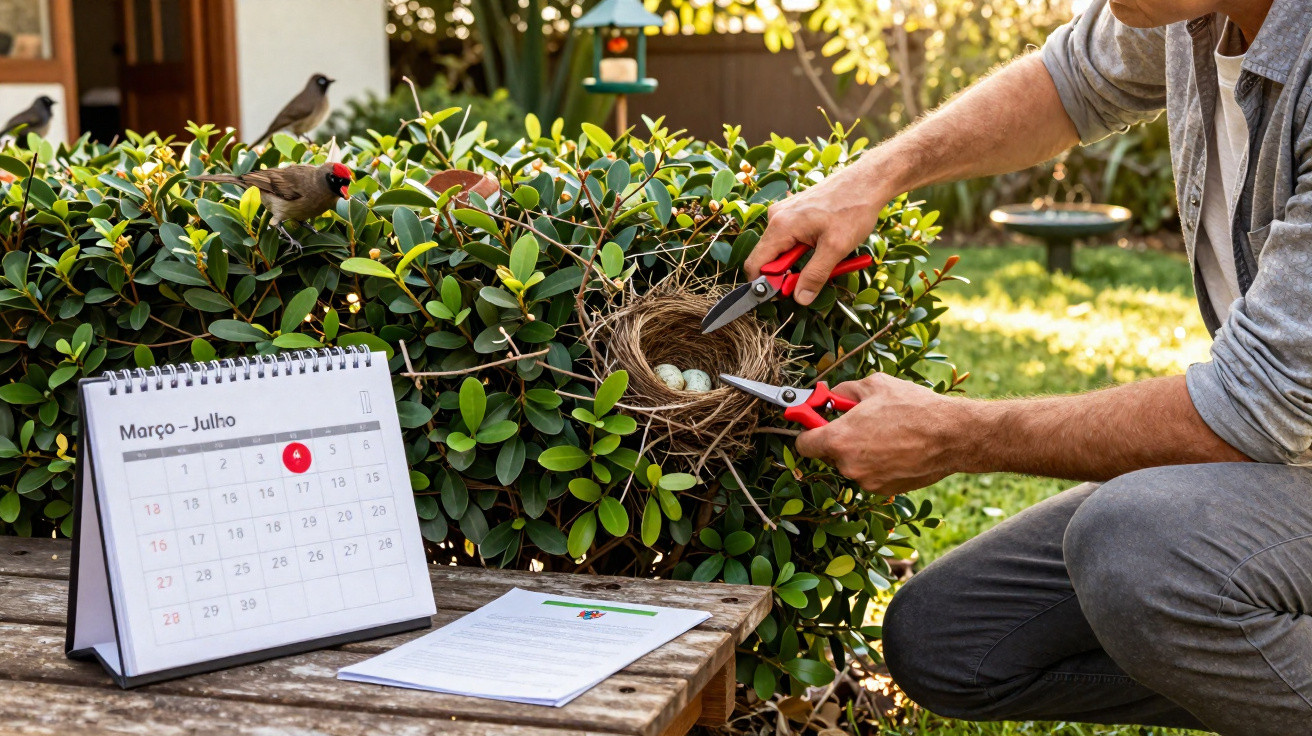
For birds, it can become a matter of survival.
Many amateur gardeners plan a major hedge cut in spring. Yet this is precisely when the sensitive breeding season begins for countless bird species. Anyone reaching for a chainsaw now may, in the worst case, destroy nests, eggs and young birds – and could even face a fine, depending on the area. What has long been tightly regulated in agriculture is increasingly relevant to private gardens too.
Why hedge cutting in spring is problematic
Hedges are far more than green boundary lines between properties. They provide birds, insects and small mammals with habitat, food and protection from predators. From March to July, they are exceptionally busy places: nests are built, eggs are incubated and chicks are fed.
“Anyone cutting their hedge in spring is interfering directly with the bird world’s nursery.”
The species particularly affected include many we see and hear every day: blackbirds, chaffinches, robins, tits and greenfinches. Many make their nests hidden away in thick vegetation. Often there is no outward sign of them – until hedge cutting exposes their shelter.
Bird protection takes priority over garden design
The desire for a “tidy” hedge comes into direct conflict with species protection. Experts are clear in their advice: the breeding season should be a closed period. The wider trend is already moving away from the perfectly clipped, ruler-straight garden towards natural, richly structured hedges that provide flowers, berries and dense cover.
What farmers are already required to do
Strict closed period for hedge cutting
Agricultural rules are stringent: from 1 April to 31 July, farmers must not cut back field hedges and strips of woody vegetation. This requirement forms part of the EU’s Common Agricultural Policy and is intended to protect nesting sites, insects and small mammals.
Anyone breaking these rules risks serious consequences:
- reductions in EU agricultural support payments
- substantial fines for serious breaches
- criminal penalties in extreme cases
The message is unmistakable: birds’ breeding season takes precedence over visually immaculate field boundaries.
What private garden owners need to know
Owning a garden is not a free pass
Private gardens often do not have a single nationwide rule setting an exact date, but that does not mean everything is permitted. In many areas, nature conservation legislation and local by-laws prohibit heavy pruning or cutting hedges back to the base during the breeding season.
“Private individuals can also receive a letter from the local authority if they cut their hedge back radically in spring.”
Nature conservation organisations additionally recommend stopping hedge cutting from mid-March onwards. This is when many species begin building nests. Depending on the region and weather conditions, birds may become active even earlier.
Check your local authority’s small print
Before starting up a powered trimmer, it is worth calling your town or local council, or checking its website. You will often find information about:
- closed periods for hedge and tree cutting
- rules applying in landscape protection areas or nature reserves
- special protection for individual species
Anyone living close to fields, watercourses or within a protected area should not simply rely on instinct.
The best times for hedge cutting
Late winter: the key maintenance window
The most suitable time for substantial maintenance pruning is towards the end of winter. Plants are gradually leaving their dormant phase but have not yet produced new shoots. At the same time, the bird breeding season has not begun.
Useful guidelines include:
- shaping and maintenance pruning: February to early March, on frost-free days
- radical rejuvenation: preferably schedule it for this period and tackle it in stages
Cutting early in the year gives the hedge a healthy start to the season while avoiding conflict with nesting birds.
Late summer: gentle follow-up trimming is possible
A second favourable window comes at the end of summer, once most birds have finished breeding. Light shaping cuts are then generally unproblematic, provided there are no active nests.
“Before every cut, take a quick look inside and check whether a nest is hidden anywhere.”
If you are still unsure, spread the work into several smaller stages over a number of years. This ensures that part of the hedge always remains as a safe refuge.
Treat flowering shrubs differently
Flowering shrubs such as forsythia, deutzia and flowering currant react badly when pruned at the wrong time. They often form their flowers on the previous year’s growth. Cutting them back hard in spring removes the entire display for the current year.
A rule of thumb for flowering shrubs:
- spring-flowering plants: prune immediately after flowering
- summer-flowering plants: cut back in late winter before new growth begins
This keeps the garden colourful while also supplying insects with nectar and pollen.
How to make your garden bird-friendly
Understanding breeding season: what happens between March and July
During this period, birds lay several clutches, feed their young and defend their territories. Many species manage two or even three broods in succession. Every disturbance uses up energy, and every destroyed nest can ruin an entire season.
Thickly grown hedges in particular provide:
- concealed nesting places
- protection from cats and martens
- food in the form of insects and berries
By protecting this habitat, gardeners directly support species that are already under pressure in built-up areas.
Practical steps for garden owners
A few straightforward choices can make a major difference:
- schedule hedge cutting for late winter and late summer
- deliberately search for nests before every cut
- allow one or two shrubs to grow as a “wild corner”
- plant native species instead of sterile ornamental shrubs
- avoid pesticides so birds can find enough insects
“Every garden that is allowed to look a little imperfect becomes a safety net for birdlife.”
Shrubs birds love
Anyone planting new shrubs or extending a hedge can deliberately choose bird-friendly species. They offer nesting opportunities, food and shelter at the same time.
| Shrub or tree | Benefits for birds |
|---|---|
| Black elder | abundant flowers, berries in late summer, dense growth |
| Wild cherry and wild roses | attract insects; rose hips and cherries provide food |
| Hornbeam, privet | ideal for dense hedges and tolerate pruning well |
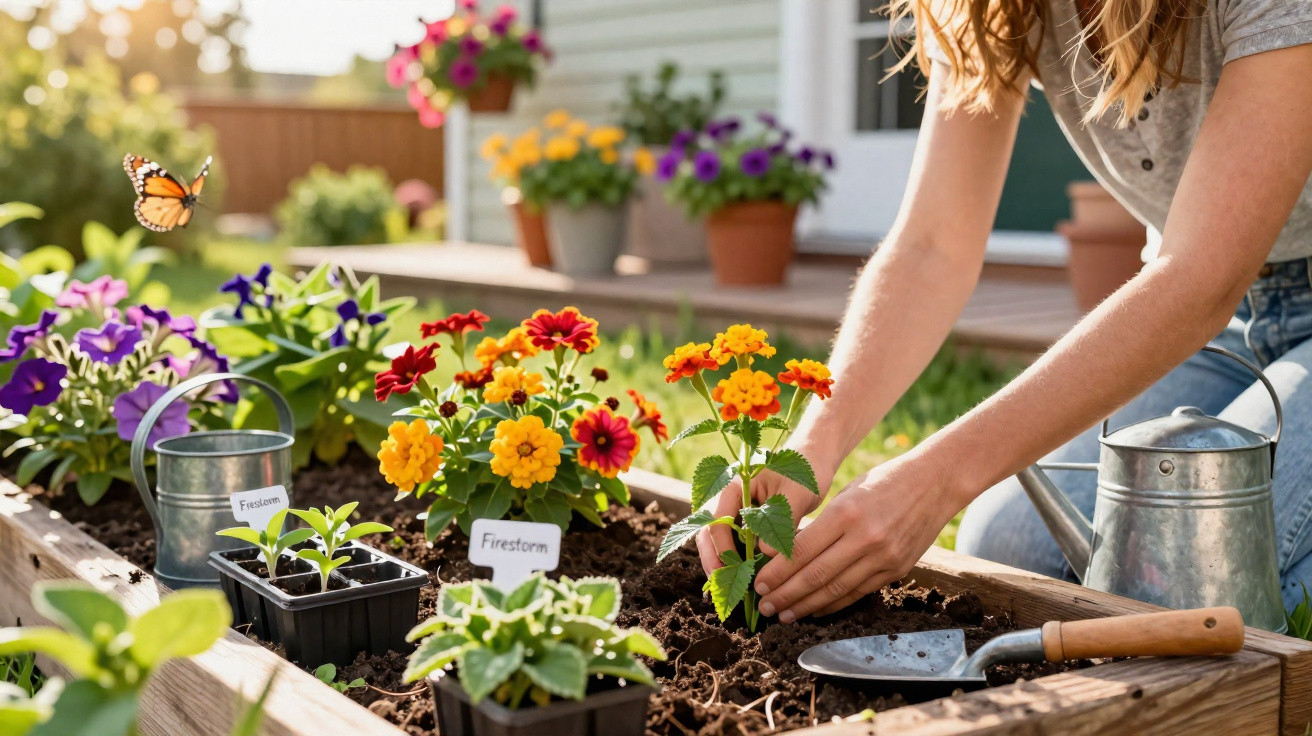
| Firethorn, hawthorn | thorny protection from predators and plentiful berries |
A mix of dense, evergreen and fruit-bearing species will develop over the years into a lively small habitat.
More life in the garden: food, water and nest boxes
Feeding birds – but doing it properly
Feeding stations can be useful in winter when natural food sources become scarce. Between November and March, suitable mixes of seeds, nuts and fat balls can help many species through the cold period.
Once spring is properly under way, feeding stations should gradually be scaled back. Birds can then find sufficient insects and wild seeds again. Year-round summer feeding makes them sluggish and can sometimes attract unwanted visitors.
Nest boxes as an addition to hedges
Nest boxes do not replace a hedge; they complement one. Especially in very tidy residential areas, boxes provide tits, sparrows and starlings with extra nesting places. Important factors are:
- the correct entrance-hole diameter for the target species
- a sheltered position, preferably facing east or south-east
- cleaning in late autumn, after all broods have finished
Combined with a hedge that has not been cut back too severely, nest boxes create a dense network of refuges whose benefits extend well beyond your own garden.
Ultimately, it is a simple exchange: a few centimetres less of a perfectly neat hedge line in return for more morning birdsong, more life among the shrubs and the reassuring knowledge that your garden is genuinely making a difference.

Comments
No comments yet. Be the first to comment!
Leave a Comment