
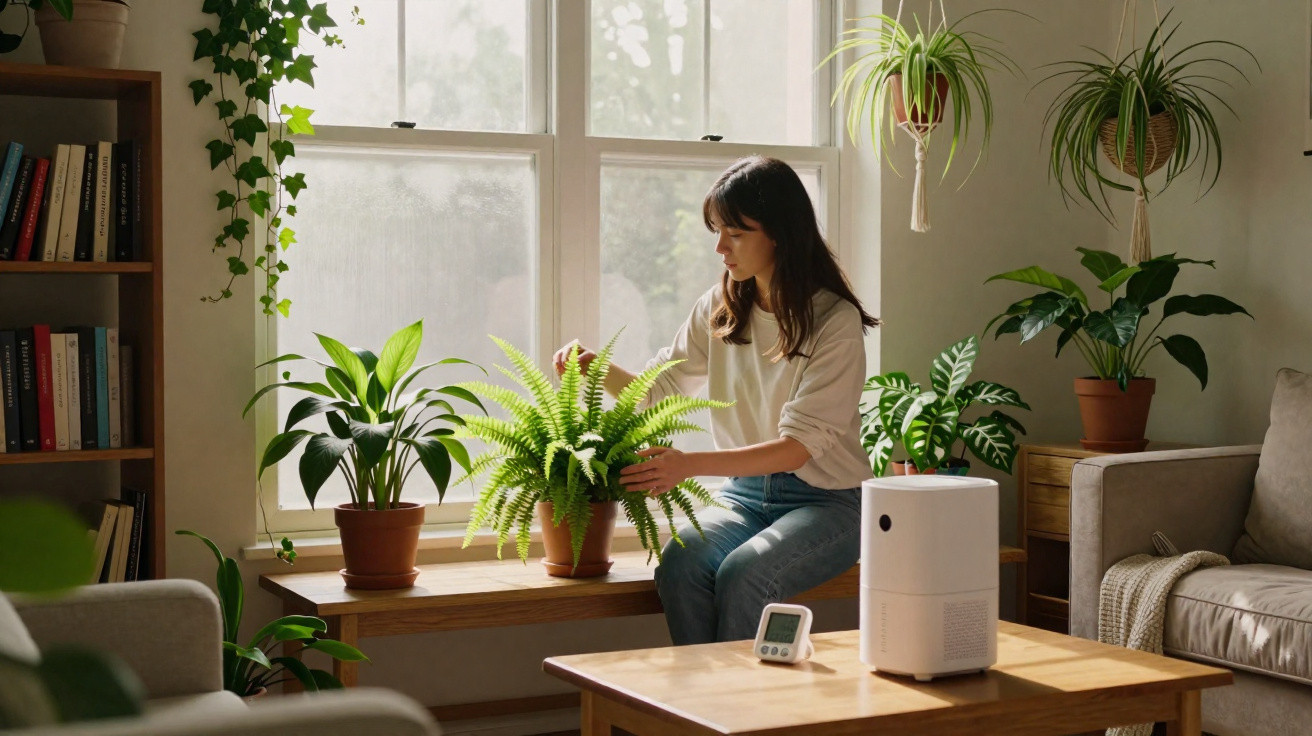
Many people will recognise the signs: misted-up windows, damp corners behind wardrobes, and small patches of mould in the bathroom or bedroom. Excess moisture can become a real nuisance, particularly in older properties or rooms with inadequate ventilation. Alongside airing rooms and heating them, another approach is gaining attention: carefully chosen houseplants that draw water from the air while making the room look better too.
How plants genuinely affect humidity
Excessive humidity is not merely uncomfortable; it also encourages mould, dust mites and musty odours. As a result, many people immediately turn to electric dehumidifiers – noisy, power-hungry and hardly attractive. Yet some houseplants can make a surprisingly useful contribution.
Plants absorb water through more than just their roots: their leaves also take it in. Tiny pores on the undersides of leaves continually exchange moisture with the surrounding air. Where indoor humidity is high, this works rather like a gentle pull, with the plant retaining some of that moisture and helping to steady the room’s climate.
“Certain houseplants work like small natural dehumidifiers – with no plug, noise or chemicals.”
They can be particularly helpful in:
- internal bathrooms without windows;
- basements and utility rooms;
- bedrooms with cold external walls;
- kitchens where plenty of steam is produced.
These green helpers can make a difference, provided they are placed correctly and looked after properly.
Overlooked varieties: more than decorative pot plants
The same familiar choices appear in many homes time and again: rubber plants, pothos and monstera. They are attractive, certainly, but other varieties respond far more strongly to humidity and are therefore more practical than their reputation suggests.
“Choosing species that thrive in humidity not only improves the look of a room, but also measurably enhances its indoor climate.”
These less celebrated houseplants often offer another advantage: they cope well with difficult conditions, including dim corners, fluctuating temperatures and permanently slightly moist compost. This is precisely what makes them suitable for bathrooms, utility rooms and cool bedrooms.
The most effective “moisture killers” at a glance
Boston fern: a classic for stale damp air
With its soft, trailing fronds, the familiar Boston fern is more than a nostalgic decorative plant. Its exceptionally large leaf area creates plenty of contact with the air in the room, allowing it to make a noticeable contribution to dehumidification in an average-sized space.
It is especially useful when placed:
- on a high shelf in the bathroom;
- in a hanging pot above the kitchen sink;
- beside a semi-shaded window in the hallway.
The fern prefers compost that remains evenly moist, but it does not tolerate waterlogging. Watering it thoroughly once a week, lightly misting it in between and keeping it out of full sun will usually reward you with dense, fresh green growth.
Peace lily (Spathiphyllum): a humidity regulator with an added benefit
The peace lily, with its white flowers, has long been an office favourite – and for good reason. Its broad, glossy leaves provide a substantial surface for absorbing airborne moisture. At the same time, the plant filters certain pollutants from the air, including those released by furniture and carpets.
Typical places where a peace lily can prove useful include:
- a bedroom windowsill where condensation forms regularly;
- beside the shower on a small stool or side table;
- an entrance hall, where it copes well with changing temperatures.
Its care requirements are modest: water it once a week, remove dead leaves from time to time and add a little fertiliser in spring. The peace lily dislikes direct midday sunshine, but bright, indirect light is entirely sufficient.
Ivy, spider plants and more: everyday heroes that work quietly
Alongside these two “stars”, other plants also do their part without fuss:
- Ivy: trails along shelves or plant supports and retains moisture, especially in older homes with cold external walls.
- Spider plant: tolerates temperature changes, produces plenty of plantlets and is well suited to utility rooms, narrow hallways or windows above radiators.
- Calathea: has striking leaves with patterned markings, loves high humidity and in return helps to keep it within a comfortable range.
- Lucky bamboo: known as a symbol of good fortune, it is also a keen “water drinker” that works well in consistently damp corners.
Combining several of these varieties creates a cumulative effect: each plant works independently, while together they regulate the indoor climate more evenly.
Where plants do the most to tackle damp
| Room | Typical problems | Recommended plants |
|---|---|---|
| Windowless bathroom | Shower steam, wet towels, condensation | Peace lily, Boston fern, lucky bamboo |
| Bedroom | Damp external wall, cool corners | Ivy, peace lily, spider plant |
| Kitchen | Steam from cooking and washing up | Boston fern, spider plant, calathea |
| Utility room / basement | Drying laundry, poor ventilation | Lucky bamboo, spider plant, ivy |
How to incorporate the plants into your interior
Strategic placement rather than putting a pot in any corner
For these green helpers to work effectively, the species matters, but so does its position. Simply placing any plant anywhere means wasting potential.
“Even the ideal plant achieves very little in the wrong spot – the aim is to position it close to the source of moisture.”
Practical ideas include:
- Hang a Boston fern high up where steam rises, such as above the washing machine or bath.
- Put a peace lily on a stool or small shelf directly next to misted windows.
- Allow ivy to trail across bookcases positioned against a cold external wall.
- Place a spider plant on the windowsill above a radiator to balance the shift between damp and dry air.
A decorative combination of hanging and standing plants, paired with simple ceramic or terracotta pots, works particularly well. It creates a visually green area that also deals with moisture.
Care mistakes that undermine the effect
Overwatering plants creates the opposite result: waterlogged compost encourages mould and can cause the plant to die, taking away the natural dehumidifier as well.
Points to remember:
- Always pour away water left in the saucer after a few minutes.
- Check with a finger before watering: the top two centimetres of compost can be allowed to dry slightly.
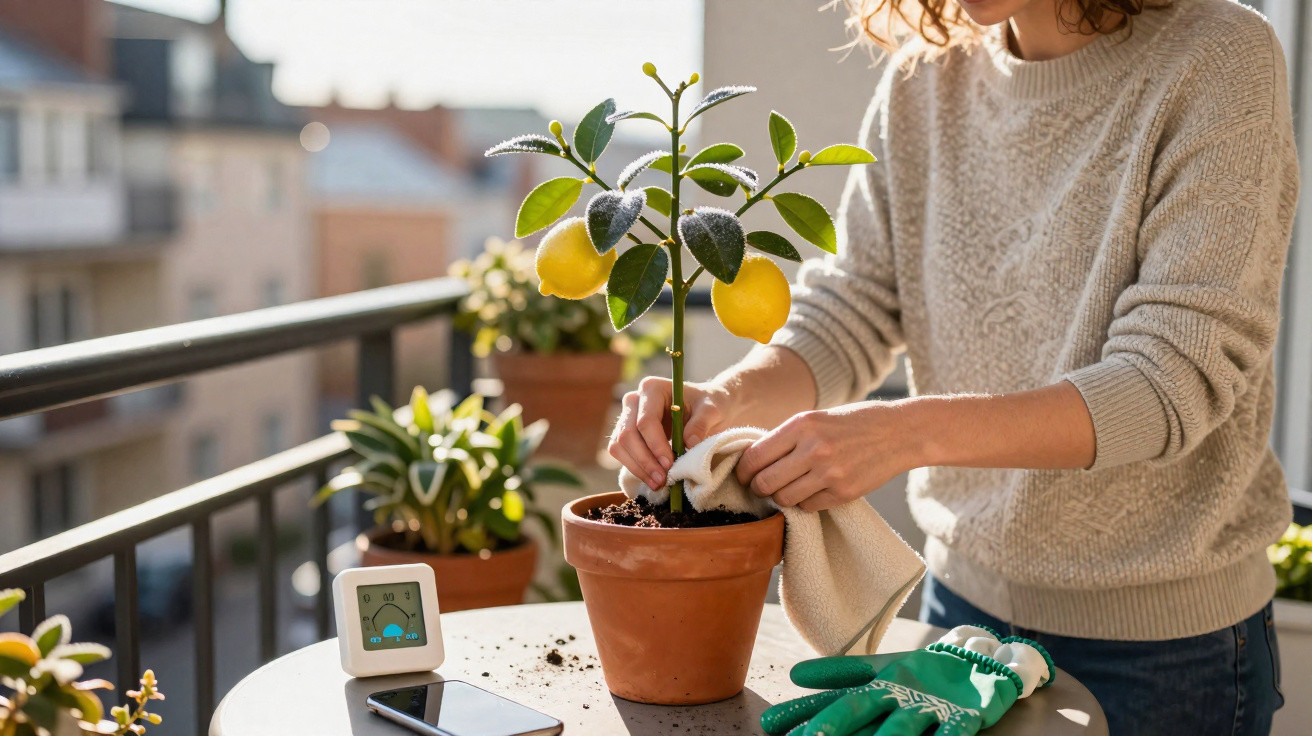
- Wipe the leaves once a week with a lightly damp cloth so that the pores remain clear.
- Turn plants once or twice a year to encourage even growth.
When radiator air is very dry, occasional leaf misting is worthwhile. This stimulates the natural regulation between the air and the plant without soaking the compost.
How far plants can replace technical dehumidifiers
Plants alone cannot solve an extreme damp problem caused by structural defects or burst pipes. They are not a substitute for proper ventilation, sealing and heating; instead, they are one part of a wider set of measures.
“Houseplants are not a miracle cure, but they smooth out peaks and create a more stable, pleasant climate.”
Many households notice the effect primarily because:
- windows are less often completely misted up;
- laundry dries faster indoors;
- there is less of a musty smell after showering;
- condensation on cold surfaces is reduced.
Adding short, intensive ventilation sessions, keeping furniture slightly away from external walls and avoiding letting very damp rooms become completely cold can create a considerably healthier environment with manageable effort.
Risks, limitations and sensible combinations
Anyone with severe allergies or asthma should consider pollen, fragrances and the possible risk of mould in the pot. Hardy varieties such as peace lilies, spider plants and ferns are considered comparatively well tolerated, but they should still be checked regularly. Dead leaves and old compost belong in the bin, not inside the decorative outer pot.
Plants are particularly useful when combined with:
- regular short, intensive ventilation sessions several times a day;
- a simple hygrometer to monitor humidity levels (ideal range: around 40–60 per cent);
- targeted heating – neither too cold nor too hot.
If levels remain above 70 per cent despite the support of plants, it is advisable to have structural causes investigated. In normally damp living conditions, however, houseplants can buffer a surprising amount – quietly in the background, with an effect visible on the windows every morning.

Comments
No comments yet. Be the first to comment!
Leave a Comment