
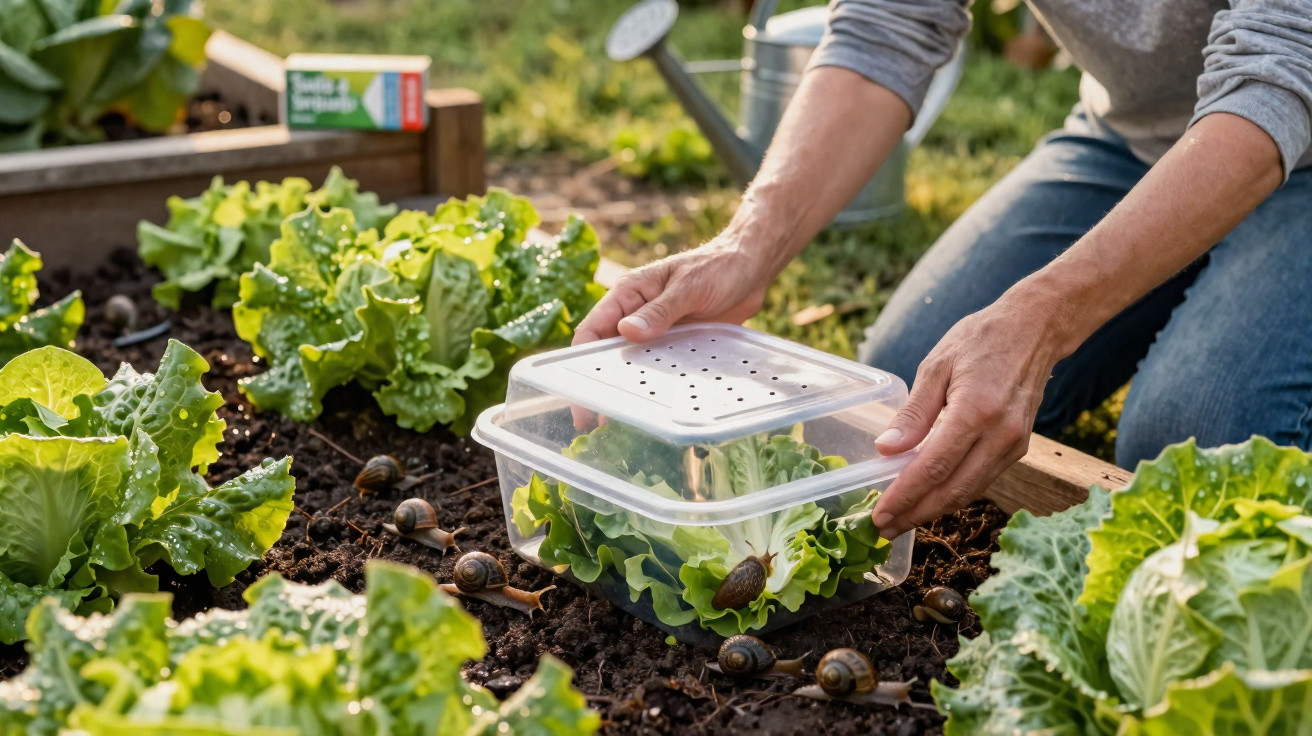
A simple plastic container can bring this frustration to a surprisingly gentle end.
Many amateur gardeners know the feeling: you have spent weeks sowing, watering and tending plants, only for a few damp nights to leave the beds looking as though they have been eaten bare. Rather than immediately reaching for chemicals, there is a remarkably straightforward way to draw slugs reliably away from the vegetable patch without killing them or turning the garden into a toxic area.
Why slugs thrive in the vegetable patch
Slugs are not monsters; they are ordinary inhabitants of a lively garden. They favour damp, shaded spots and anything tender and fresh – precisely what a vegetable garden provides in abundance.
- Damp soil after rain or evening watering
- Tender leaves on lettuces and young plants
- Fruity scents from strawberries and fallen fruit
- Shady shelter beneath pots, boards or dense foliage
They emerge from their hiding places particularly during the evening and at night, heading for:
- Lettuce and other leafy vegetables
- Newly germinated seedlings
- Strawberries and other sweet fruit
- Plants with soft foliage, such as hostas or dahlias
“A single adult animal can consume almost half its body weight in plant material in a day – and with a whole group, the difference is immediately visible in the bed.”
In a balanced garden, this barely registers. Yet when conditions come together – wet summers, dense planting and plenty of food – a handful of crawlers can quickly become a genuine slug infestation.
Poison or beer traps? Why harsh methods can backfire
In desperation, many gardeners choose measures that appear to provide quick relief: blue or green slug pellets, beer traps or homemade poisons. They may look effective initially, but over time they create further problems.
Slug pellets can be eaten by hedgehogs, birds or pets, sometimes even when these animals only eat poisoned slugs. Beer traps do not merely kill slugs; their smell can also attract additional slugs from the surrounding area.
“Anyone spreading poison in the garden weakens the very animals that would otherwise help – including hedgehogs, toads and ground beetles.”
For this reason, an increasing number of gardeners use approaches that collect and relocate the animals rather than eradicate them. This is where a surprisingly simple idea comes in: a repurposed plastic box that becomes a slug trap.
The clever salad container: turning packaging into a slug trap
The principle is simple: slugs are drawn to damp, dark refuges and sweet-smelling food. Offer exactly this inside a sheltered container and they will gather there, largely leaving the vegetable patch alone.
What you need for the slug box
- A transparent plastic container, such as one from a packaged supermarket salad
- A very ripe piece of fruit or vegetable, such as a piece of apple, melon rind or wilted lettuce leaves
- A sharp knife or pair of scissors
- Some damp soil or moss
- A small stone or piece of wood to prop it up
How to make the trap step by step
- Use a knife or scissors to cut several small openings into the side walls of the container, around two centimetres above its base. The holes should be large enough for a slug to pass through, but not so large that the container dries out quickly.
- Place a thin layer of damp soil or moss inside the box. This creates a familiar environment for the animals and encourages them to remain inside for longer.
- Put the ripe fruit or vegetable bait in the centre. Strongly scented, slightly overripe pieces work particularly well.
- Close the container, then place it upside down in a damp, shaded part of the garden – ideally near the vulnerable bed.
- Raise one edge of the inverted box slightly with a stone. This creates a gap through which slugs can crawl in easily.
“The combination of scented bait, moisture and a safe shelter acts like a magnet – many animals enter the box of their own accord.”
At night, the slugs crawl into the box, feed on the bait and remain in the darkness. The transparent material makes it harder for them to find their way back out quickly, while still providing a microclimate that suits them.
Why the plastic box slug trap works so well
Slugs rely heavily on scent and moisture for orientation. The musty-sweet smell of fruit signals that easy food is available, while the damp soil in the container imitates a natural retreat. As they sit and feed there, they largely leave your beds undisturbed.
The trap therefore works with the animals’ needs instead of fighting them. It requires little effort, yet its everyday effect is clearly noticeable, especially in wet years or densely planted gardens.
Regular checks and collection of the slugs noticeably reduces pressure on the vegetable patch without upsetting the garden’s balance.
Common mistakes that ruin its effectiveness
- The box is placed in full sun: it then overheats, the bait dries out and slugs avoid it.
- The bait has fermented completely: heavily rotting fruit soon attracts flies, ants or wasps.
- The box is emptied close to a neighbouring garden: this simply moves the problem a few metres away.
- Checks are too infrequent: when too many animals gather in a confined space, conditions inside the container deteriorate and the trap becomes less effective.
“Anyone who empties the slug box one to three times a week and replaces the bait will often keep the infestation well below the point of real frustration.”
Suitable release sites include wild areas: an overgrown ditch, a hedge, a strip of tall grass or a natural margin at the edge of a field – ideally well away from productive gardens.
Making the whole garden more resilient
One slug box will not solve every problem, but it is one part of a robust garden strategy. Those who make the garden less welcoming to slugs overall will need considerably less work in the long run.
More allies, not more poison
Natural slug predators can be encouraged deliberately, for example with:
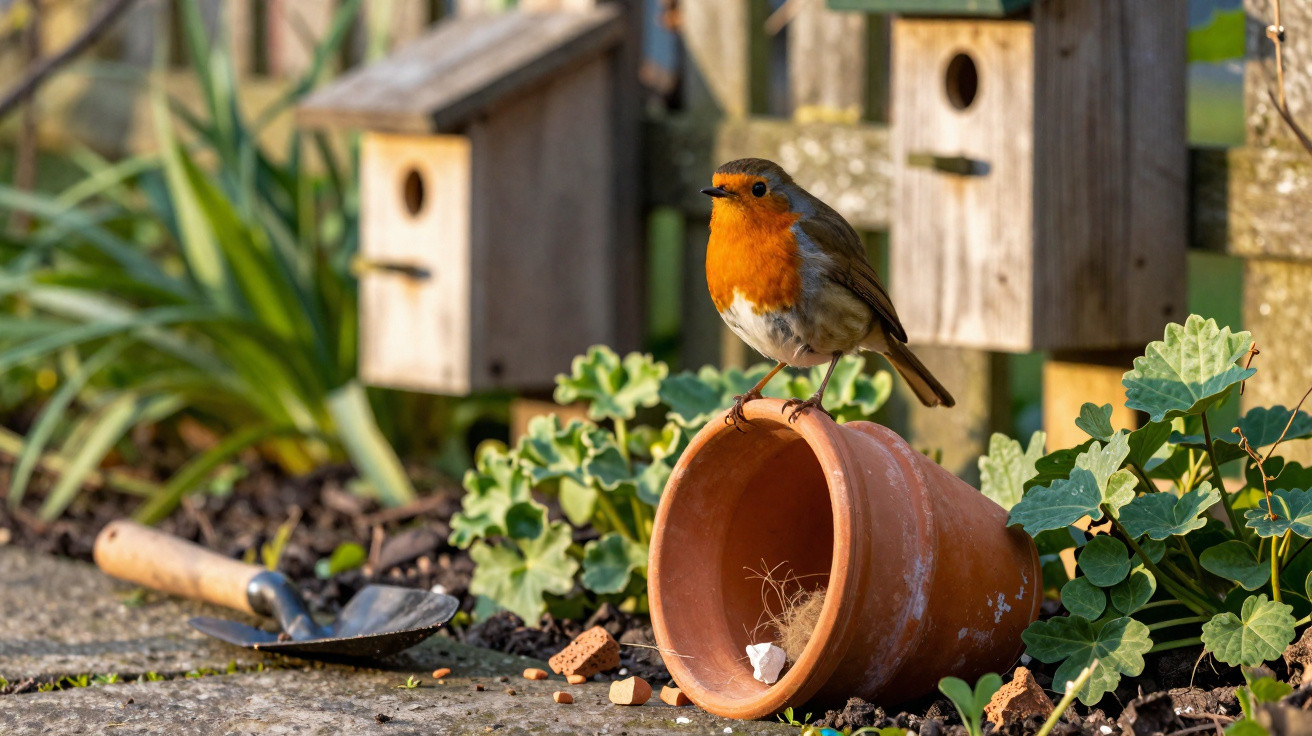
- Small piles of stones and stacks of wood as shelter for ground beetles, toads and lizards
- Dense hedges and shrubs where birds feel at home
- Shallow water features that attract toads, for instance
- Leaf piles where hedgehogs can hibernate
Gardeners who create these features often notice after just one to two years that slug populations become more stable, without disappearing completely.
Practical measures around the bed
Alongside the trap, simple steps can help reduce feeding damage:
- Adjust the watering routine: water in the morning where possible, so beds are not soaking wet in the evening.
- Use mulch thoughtfully: coarse mulches such as straw or woodchips offer fewer hiding places than dense grass cuttings.
- Scatter rough material as a barrier around vulnerable beds, such as crushed eggshells or coarse sand.
- Start particularly threatened plants in pots until they have developed strong leaves.
Using a combination of traps, habitats for beneficial wildlife and adapted watering makes the vegetable garden far more relaxing. Instead of looking in frustration at chewed rows of lettuce every morning, a routine develops: briefly inspect the boxes, relocate the slugs, renew the bait – done.
At the same time, this approach sharpens awareness of how closely everything in a garden is connected. The plastic box that held salad yesterday becomes a tool for treating animals more gently. The slugs stay alive, children can see what happens in the garden, and the vegetables finally get the chance to grow properly.

Comments
No comments yet. Be the first to comment!
Leave a Comment