
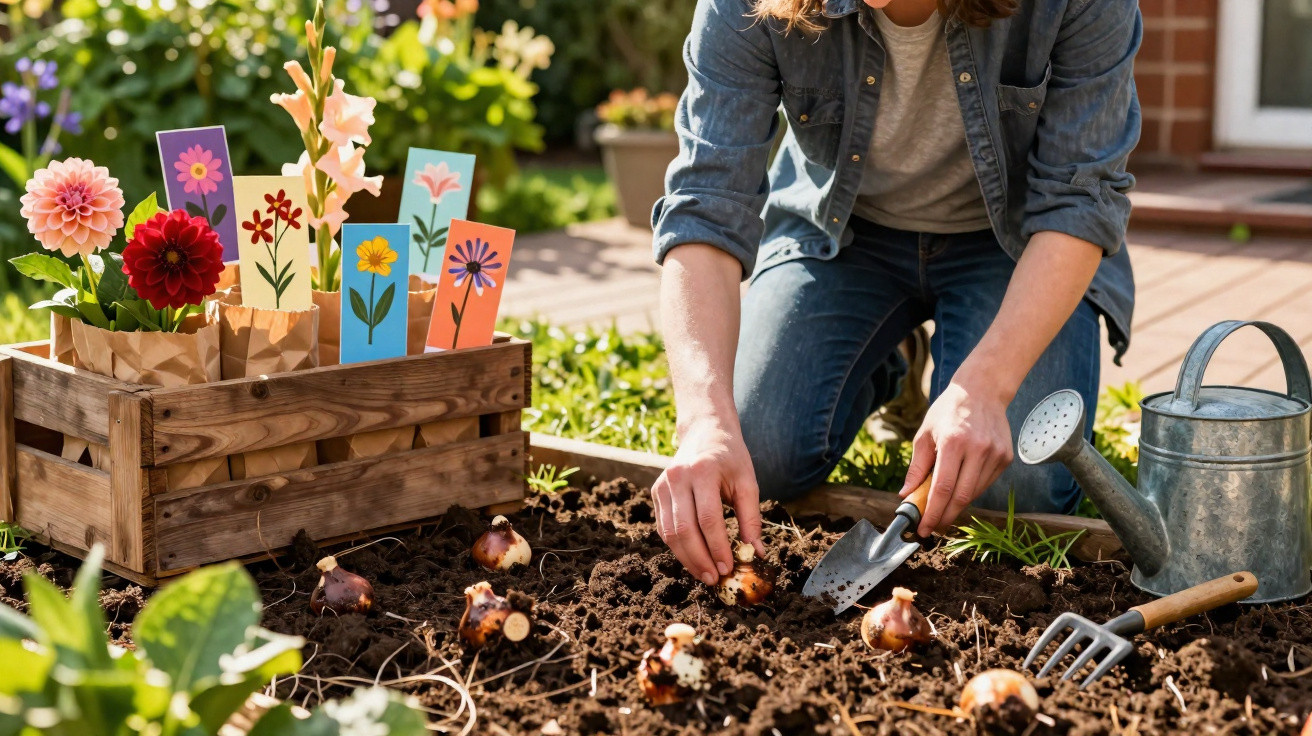
Between bare beds and damp soil, the appearance of your garden in July and August is decided almost unnoticed. During this unassuming period, every minute spent with a hand trowel pays off: summer-flowering bulbs begin their season early, establish deep roots and, months later, reward you with densely planted beds, lavish containers and a steady supply of vase flowers.
Why March is the secret starting point for summer flowers
In March, nature is in transition: winter rain has left the soil pleasantly moist, yet it is beginning to warm up. This is precisely the combination that many summer-flowering bulbs enjoy. It allows them to develop a strong root system undisturbed before the first heatwave arrives.
“Those who plant in March save water and worry in midsummer – and get sturdier plants that flower for longer.”
In Germany, the planting period for summer-flowering bulbs broadly runs from March to May. The ideal starting date varies by region:
- Mild regions / wine-growing areas / suburban locations: plant from the beginning of March
- Central Germany: usually safe from mid to late March
- Higher-altitude areas and places at high risk of frost: wait until early April, or start them in pots under cover
Brief late frosts are tolerated by many bulbs, provided they have not produced much new growth. Fresh shoots can often be protected overnight with horticultural fleece or a layer of leaves.
Essential guidance for planting flower bulbs in March
Before getting started, inspect the planting material carefully. Rotten or shrivelled bulbs will offer little reward, even with excellent care.
How to spot good bulbs
- They should feel firm rather than soft or spongy
- There should be no visible mould or dark patches
- Their outer skin may be slightly damaged, but not extensively split
- They should have been kept somewhere cool and dry, not in blazing sunshine
Soil is equally important. For most summer-flowering bulbs, waterlogging is more damaging than a light frost.
Preparing the soil properly
- Improve heavy clay soil with sand and well-rotted compost
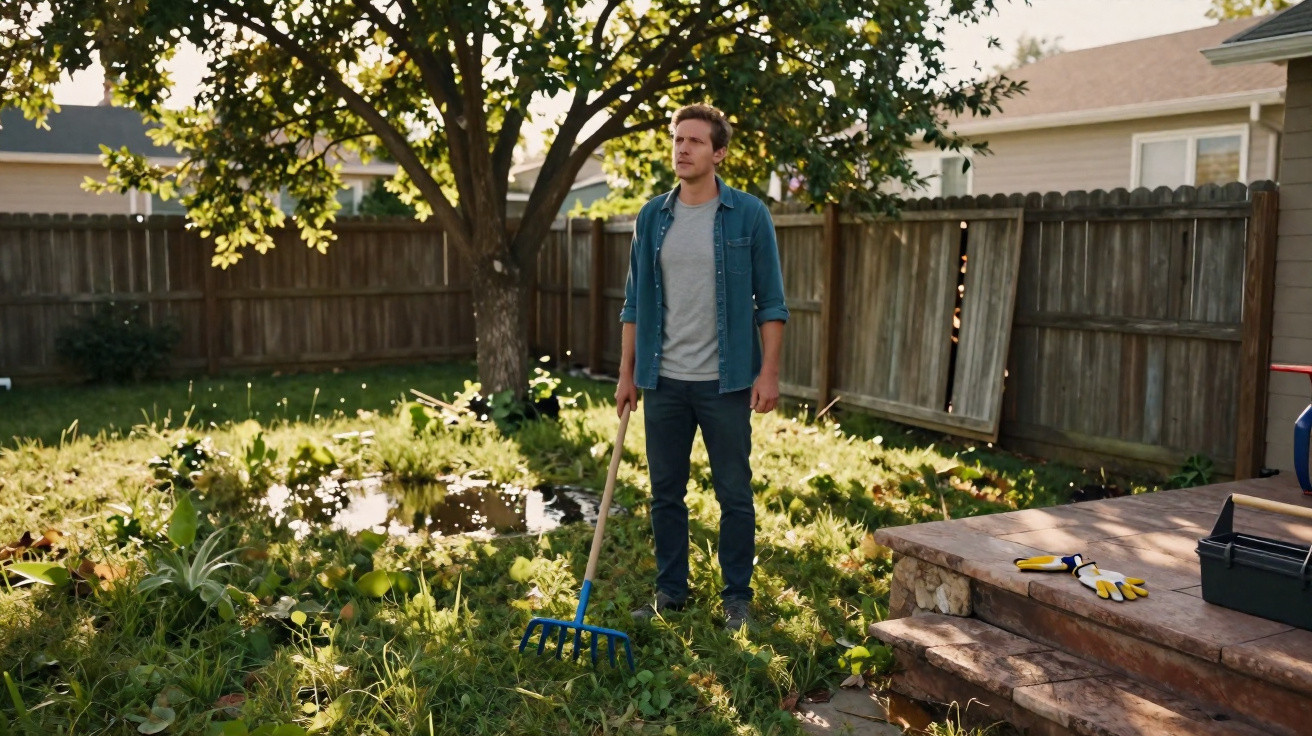
- Break up compacted areas thoroughly with a garden fork
- Avoid low spots where water remains after rain
- In very wet ground, create slightly raised beds instead
The traditional rule for planting depth is 2.5 to 3 times the height of the bulb. A bulb measuring five centimetres high should therefore be planted around 12 to 15 centimetres deep. Position the pointed end upwards; lumpy tubers simply need to be placed as horizontally as possible.
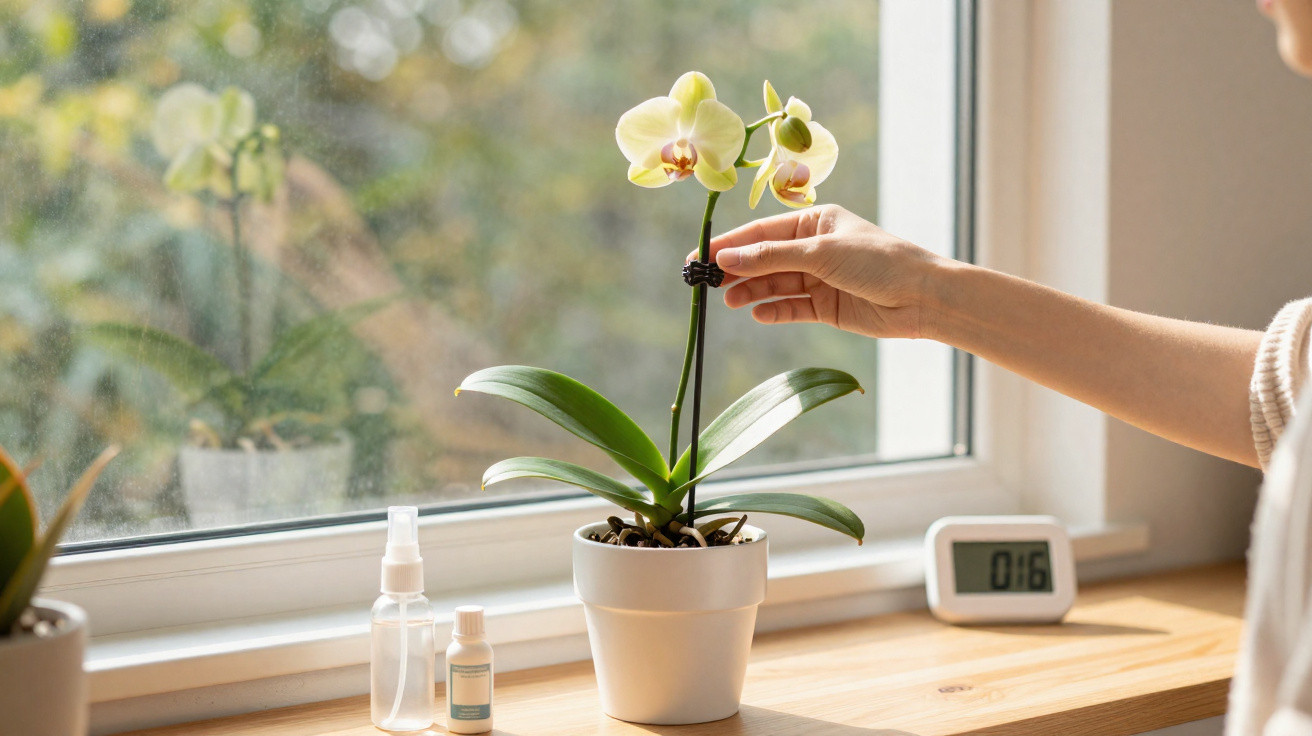
Once planted, refill the hole loosely with soil, firm it gently and water thoroughly once. After that, the soil only needs to stay moderately moist, never permanently wet. Add a support cane when planting tall or wind-prone varieties, so that roots are not damaged later.
These 7 bulb flowers will make your summer garden stand out
By combining flowering periods thoughtfully, you can keep beds colourful almost without interruption from June into autumn. The following seven favourites are considered reliable, relatively easy to care for and highly effective.
Dahlias – long-flowering favourites for beds and vases
Depending on the region, dahlia tubers can go into the ground from March or April. They favour a sunny, nutrient-rich position and, when deadheaded regularly, may continue flowering until October.
- Suitable for: colourful perennial borders, cottage gardens, cut flowers
- Position: full sun, sheltered from wind
- Special feature: an enormous choice of varieties, from miniature to giant dahlias
In cooler areas, many home gardeners begin dahlias in pots in a frost-free space. Plant them outdoors once severe frost is no longer expected.
Lilies – elegant, scented stars with height
Lilies add structure to borders because they grow noticeably tall. Depending on the variety, their flowers open between June and August and often release a strong fragrance.
They thrive in humus-rich soil with good drainage. One practical trick is to shade the root area, for example with low-growing perennials, while keeping the blooms in the sun. This prevents the soil from drying too quickly while still giving the plants plenty of light.
Tuberous begonias – bright colour for shady places
Tuberous begonias are hard to beat when a garden has more than just sunny spots. Flowering from July into autumn, they brighten shaded corners, balconies and north-facing areas.
- Ideal for: window boxes, hanging baskets, shaded border edges
- Position: partial shade to shade, sheltered from wind
- Care: keep evenly moist, while avoiding waterlogging
Many people start tuberous begonias indoors in early March, using shallow trays filled with loose compost. They can be planted outside once the nights remain mild.
Gladioli – spectacular flower spikes for summer
With their tall, intensely coloured spikes, gladioli make a real statement. When planted in succession, they flower over many weeks, which makes them especially popular for cut-flower arrangements.
“Anyone who plants a few gladiolus bulbs every two weeks will harvest fresh flowers for the home all summer long.”
As their stems can easily bend in the wind, it is worth tying them to canes in good time. Choose a sunny site that does not become overly dry so they can produce strong blooms.
Cannas – tropical character for borders and containers
Cannas instantly create an exotic feel with their large leaves and vivid flowers. They are ideal beside patios, in front of walls or as specimen plants in large containers.
- Position: very sunny, warm and sheltered
- Soil: nutrient-rich and evenly moist
- Tip: in cold regions, it is better to grow them in pots and overwinter them frost-free
In mild locations, canna tubers can be planted out from March. In harsher areas, start them indoors before moving the plants outside later.
Crocosmias – delicate arches in orange, red and yellow
Crocosmias, often also called montbretias, bear delicate flowers on elegantly arching stems. They generally bloom from July to September and attract many insects.
They prefer sunshine and freely draining soil. In very cold regions, protect the tubers with a thick mulch layer, or lift them in autumn and store them somewhere frost-free.
Agapanthus – spherical flowers for a terrace centrepiece
Agapanthus, commonly known here as African lilies, produces striking flower heads in shades of blue or white from June onwards. It looks particularly refined and orderly in a container on a balcony or patio.
“African lilies reward consistency: the better the pot is cared for in summer and stored frost-free in winter, the more abundant the flowering will be the following year.”
Agapanthus needs plenty of sun, regular feeding and fairly tight pots. Containers that are too large often result in lots of foliage and few flowers.
How to extend flowering times cleverly
With a little planning, you can keep the garden colourful from June until the first frost. Three straightforward strategies help:
- Staggered planting: plant gladioli, dahlias and similar flowers in stages rather than all in one weekend.
- A mix of early and late flowerers: lilies and crocosmias begin earlier, while begonias and dahlias take over later.
- Combining them with perennials: place bulb flowers among perennials that fill the gaps once one species has finished flowering.
The result is a lively garden that constantly changes without appearing bare in between.
Common mistakes with summer bulbs – and how to avoid them
A few simple adjustments can prevent many disappointments in a bulb bed. These are the most frequent pitfalls:
- Soil that is too wet: choose a raised bed, a sloping site or highly free-draining soil instead.
- Planting too shallowly: plants are more likely to topple over and dry out more quickly.
- Overfeeding with nitrogen: lots of leaves and few flowers – feed moderately, ideally with compost and organic fertiliser.
- Irregular watering in pots: major fluctuations stress plants, particularly cannas and agapanthus.
Planting ideas for different garden types
| Garden type | Suitable bulb flowers | Particular advantage |
|---|---|---|
| Small city balcony | Tuberous begonias, agapanthus, low-growing dahlias | Plenty of colour in a small space, easy to maintain in pots |
| Cottage garden | Dahlias, gladioli, lilies | Abundant flowers for bouquets and colourful mixed borders |
| Modern patio | Cannas, agapanthus, crocosmias | Exotic impact, clean shapes and bold focal points |
| Partially shaded garden | Tuberous begonias, some lily species | Colour even where sunshine is scarce |
A closer look at care, risks and clever combinations
Many summer-flowering bulbs originate from areas with dry winters and warm, wet summers. Germany’s climate only partly matches these conditions. Sensitive types such as dahlias, cannas and some gladiolus tubers are therefore usually overwintered in a cellar or garage. Agapanthus remains in its pot and is moved to winter quarters.
One risk remains: late frosts in April or May. Dahlias and cannas that have already started growing are particularly sensitive to them. Keeping an eye on the weather forecast and protecting plants in time with horticultural fleece, buckets or upturned crates can often save the entire season.
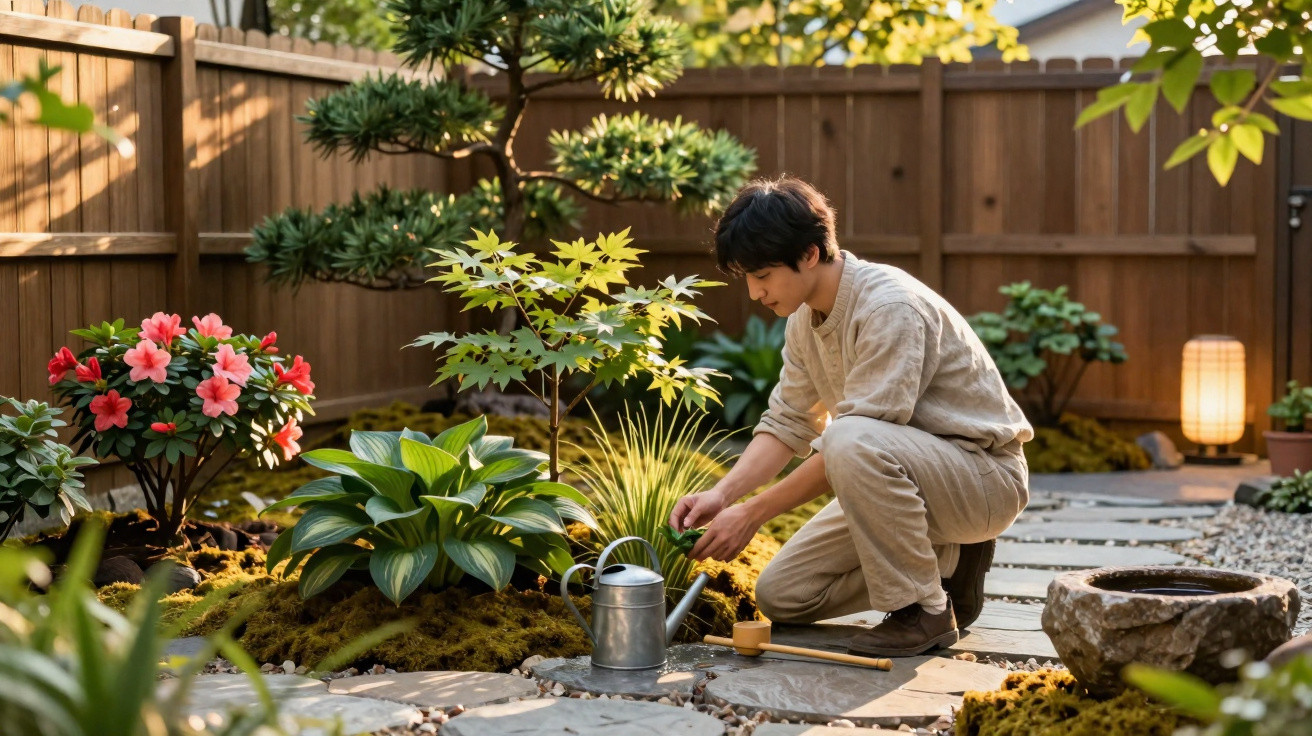
Combining bulb flowers with perennials, grasses or annuals makes the planting even more interesting. Tall gladioli look less rigid among loose ornamental grasses. Dahlias work beautifully with cosmos or zinnias. Tuberous begonias fill gaps beside hostas in shaded borders.
For beginners, a small container experiment is worthwhile: use one large pot, good compost and two or three different bulb flowers with similar requirements – for example, canna with crocosmias and a low-growing begonia variety. Over one summer, you will quickly discover which plants suit you, your site and your gardening style. That experience is exactly what makes the difference between a few scattered blooms and a truly impressive summer garden.
Comments
No comments yet. Be the first to comment!
Leave a Comment