
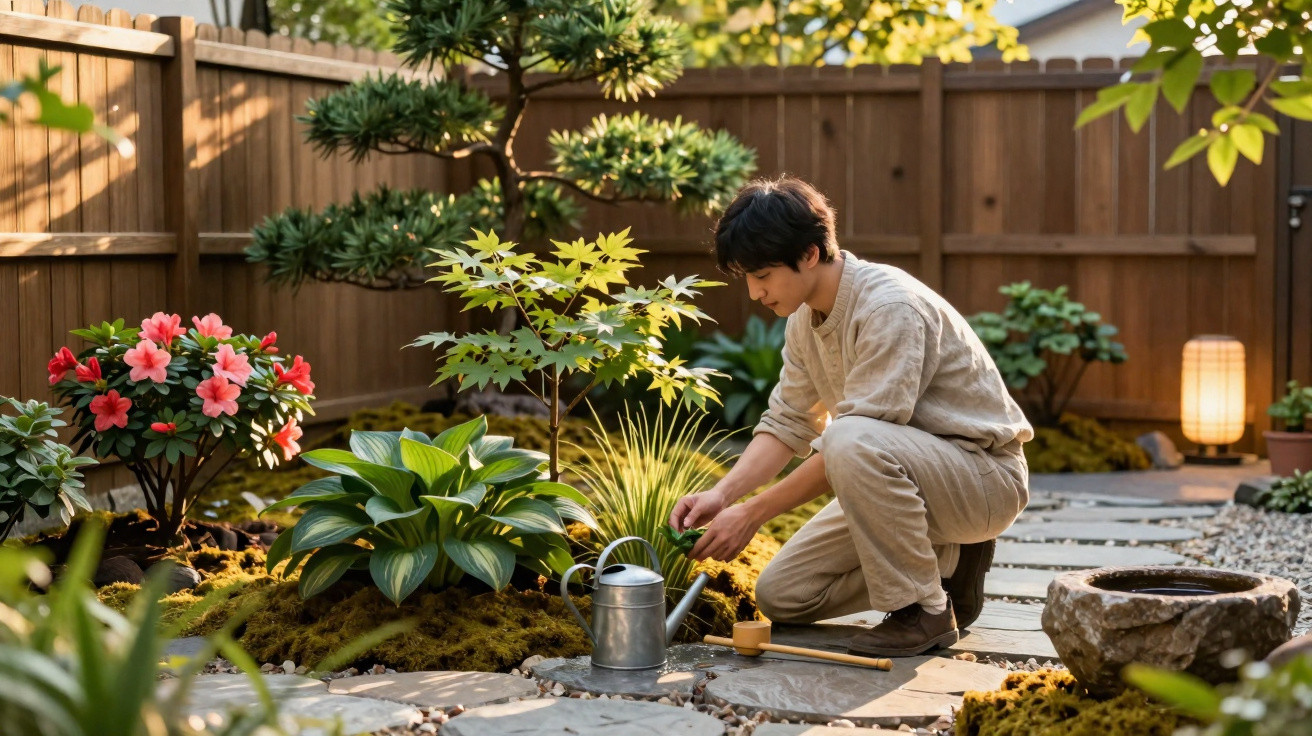
A vibrant, colour-filled garden that does not require endless hours of tiring upkeep is the ambition of many home gardening enthusiasts. Several evergreen oriental species deliver magnificent shades while needing very little maintenance.
Which plants are best for a practical garden?
Growing shrubs suited to particular climates can create a beautiful landscape for decades without placing demanding daily care requirements on householders. Choosing hardy plants can turn residential gardens into genuinely flower-filled retreats in a simple and fully efficient way.
These plant varieties thrive when they are placed in the right positions and given basic essential care. Large pots and outdoor borders can be decorated to striking effect, bringing plenty of practicality and beauty to the outdoor environment.
Discover five excellent long-lasting plant choices to decorate your home with ease:
- Japanese flowering cherry: Produces a spectacular, distinctive display of blossoms during winter.
- Japanese camellia: Notable for its firm petals and glossy dark-green foliage.
- Japanese azalea: Creates dense, colourful shrubs that are exceptionally easy to maintain.
- Japanese iris: Produces elegant blooms that add great delicacy to flowerbeds.
- Japanese wisteria: A vigorous climber that forms spectacular cascades of flowers in the garden.
How can lighting be optimised for these species?
Direct sunlight is essential for these ornamental varieties to flower fully when grown outdoors. Making sure young plants receive suitable natural light deepens petal colours and supports the healthy growth of the entire botanical structure.
In especially hot areas, placing pots in cooler spots with morning light prevents excessive wear on the leaves. This straightforward approach safeguards plant health while preserving the rustic beauty and vigour of the plants over long periods.
Watch the full content on the Spagnhol Plantas YouTube channel for valuable practical growing advice:
What is the secret to ideal watering?
Managing the moisture level in the growing medium prevents premature root rot and gives the selected shrubs excellent longevity. Watering only once the soil surface shows clear signs of dryness ensures the right water balance in a safe and highly sustainable manner.
Controlled Watering
Pay attention to moisture
Too much accumulated water damages ornamental roots.
Check whether the soil is dry with your fingers before watering again.
Using well-draining pots allows excess rainwater to run away, preventing serious biological problems. This simple drainage measure preserves healthy foliage and keeps the soil suitable for spectacular new growth with minimal effort and high efficiency.
Avoid these key daily watering mistakes:
- Soaking the growing medium without first checking soil moisture.
- Using containers without suitable drainage holes.
- Watering when the sun is excessively strong.
How should fertiliser be applied correctly?
Feeding the soil at regular intervals supplies the essential chemical components that allow flowers to display vivid, long-lasting colours. Providing quality nutrients consistently encourages natural biological vigour and strengthens plant tissues against weather conditions in a practical and very healthy way.
Applying fertiliser every three months provides ongoing nourishment without overloading householders' routines. This spaced-out maintenance produces wonderful results in the annual flowering cycle, keeping the outdoor area attractive and beautiful in a quick and completely safe way.
The direct benefits of well-planned fertilisation include:
- A significant increase in the number of flower buds produced.
- Greater natural resistance to pests and leaf-cutting ants.
- Overall strengthening of the root system in compact pots.
Which regions are ideal for growing them?
Brazil's southern and south-eastern regions offer the most favourable climatic conditions for developing these oriental species. Cooler weather and seasonal variations encourage the plants' natural cycle, creating striking landscapes in a natural and highly consistent manner.
People living in mountainous locations find them even easier to cultivate thanks to the mild temperatures typical of these beautiful geographical areas. Adjusting care according to the regional climate helps the garden stay healthy and visually appealing with complete ease, free from unnecessary routine complications.
Read also: The Japanese tree that looks like a candyfloss cloud and flowers with a light, delicate and sophisticated scent

Comments
No comments yet. Be the first to comment!
Leave a Comment