
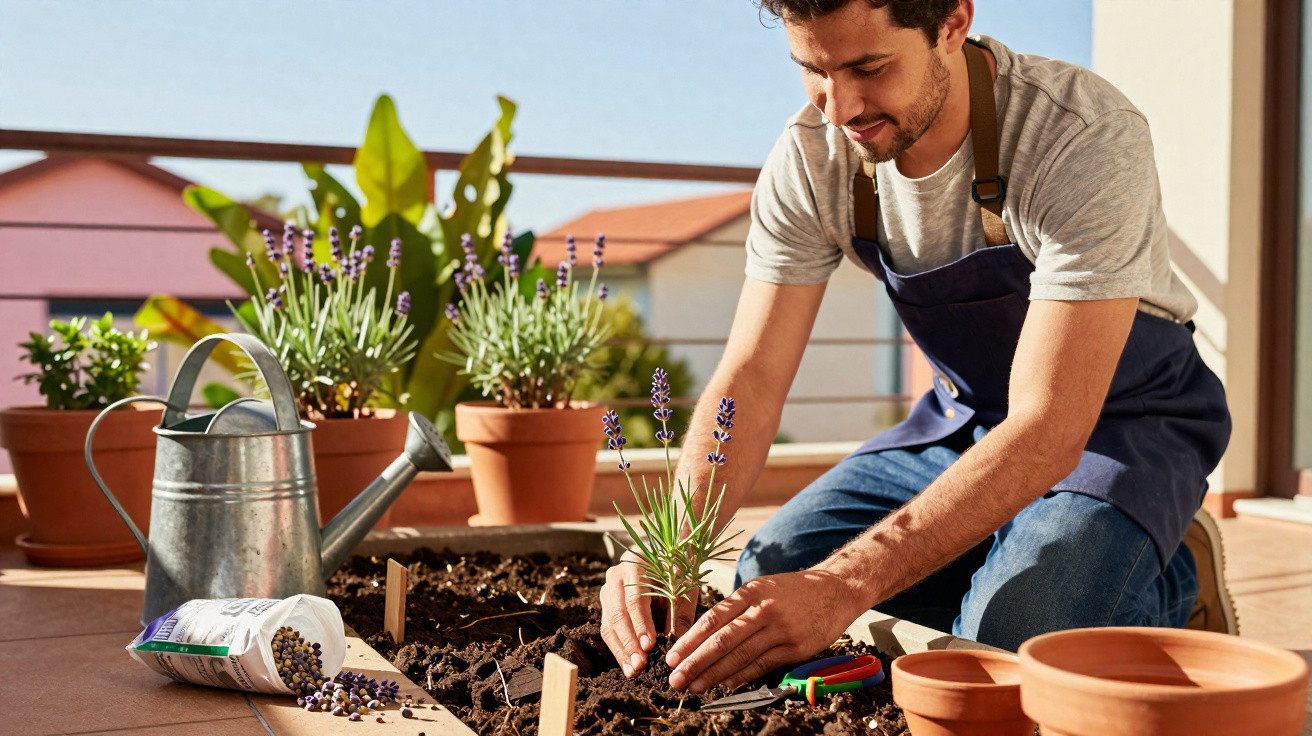
Creating a fragrant garden with hardy species appeals to anyone wanting beauty without demanding maintenance. Growing vibrant lavender in pots or sunny beds provides a wonderful scent for a long time, provided it receives the right care.
How to choose the best lavender species for the Brazilian climate?
There are 25 species of this plant worldwide, although two are especially suited to tropical conditions. The well-known Lavandula dentata and angustifolia cope with warmer, more humid weather, growing vigorously and producing a distinctive fragrance in home flowerbeds.
Despite originating in the Mediterranean, where summers are dry, these varieties adapt well to local conditions. They are considerably easier to grow in the cooler months or at the very start of the spring season, rather than during extreme summer heat.
The following points are essential for healthy development of these aromatic plants in a flowerbed:
- Ideal species: Lavandula dentata and angustifolia are excellent choices for Brazil’s tropical climate.
- Perfect light levels: Around eight hours of full sun each day are needed for abundant flowering.
- Sandy soil: The best mix contains one part sand to two parts growing medium.
- Organic fertiliser: Using bokashi helps the shrub remain healthy and attractive for many years.
- No straw: Do not cover the soil with protective straw, so it can dry quickly.
Why is direct sunlight important for lavender flowering?
The amount of light the shrub receives has a direct effect on flower production and its overall health. In full sun, it forms shorter, sturdier stems and attracts large numbers of pollinating bees and beautiful butterflies.
If it is grown in partial shade or beneath trees, it undergoes a process known as etiolation. The plant stretches towards the light, resulting in long, weak stems, sparse foliage at the base and a greatly reduced number of flower buds.
For a visual guide to recognising etiolation and preparing a suitable growing medium, watch the full explanations on the Minhas Plantas YouTube channel.
How to prepare the ideal soil for planting in beds and pots?
The key to successful in-ground planting is ensuring excellent drainage, which prevents the roots from rotting. The planting hole must be at least 20 centimetres deep, with loose soil that has a predominantly sandy texture to cope with rainfall.
Correct proportions for the growing medium
The ideal blend for growing lavender in both pots and flowerbeds consists of one third fine sand, evenly mixed with two thirds growing medium intended for young plants.
This combination replicates the plant’s naturally sandy habitat. It allows water from watering or rainfall to drain quickly, preventing harmful build-up and keeping the roots healthy.
For container growing, choosing the right pot makes a major difference to the shrub. Select a large pot at least 40 centimetres deep, with several drainage holes at the bottom to ensure efficient water drainage.
Also take note of these technical details when planting:
- Add an organic fertiliser such as bokashi to enrich the mix.
- Avoid placing mulch or protective straw over the soil.
- Leave the soil completely uncovered so that it dries rapidly.
What care is essential for spacing and watering?
When arranging several plants in one flowerbed, proper spacing prevents serious growth issues. Leave approximately 40 centimetres between each plant, allowing them to become full and retain healthy leaves from the base upwards.
Placing them too close together causes the plants to become etiolated and quickly lose their lower foliage. As for watering, lavender requires carefully controlled moisture, with the growing medium needing to dry out fully before receiving another watering.
Follow these key recommendations to manage water correctly:
- Never allow water to collect at the bottom of the pots used.
- Check the moisture by touching the soil directly before watering again.
- Allow full exposure to wind to speed up the necessary drying process.
How can you propagate lavender successfully?
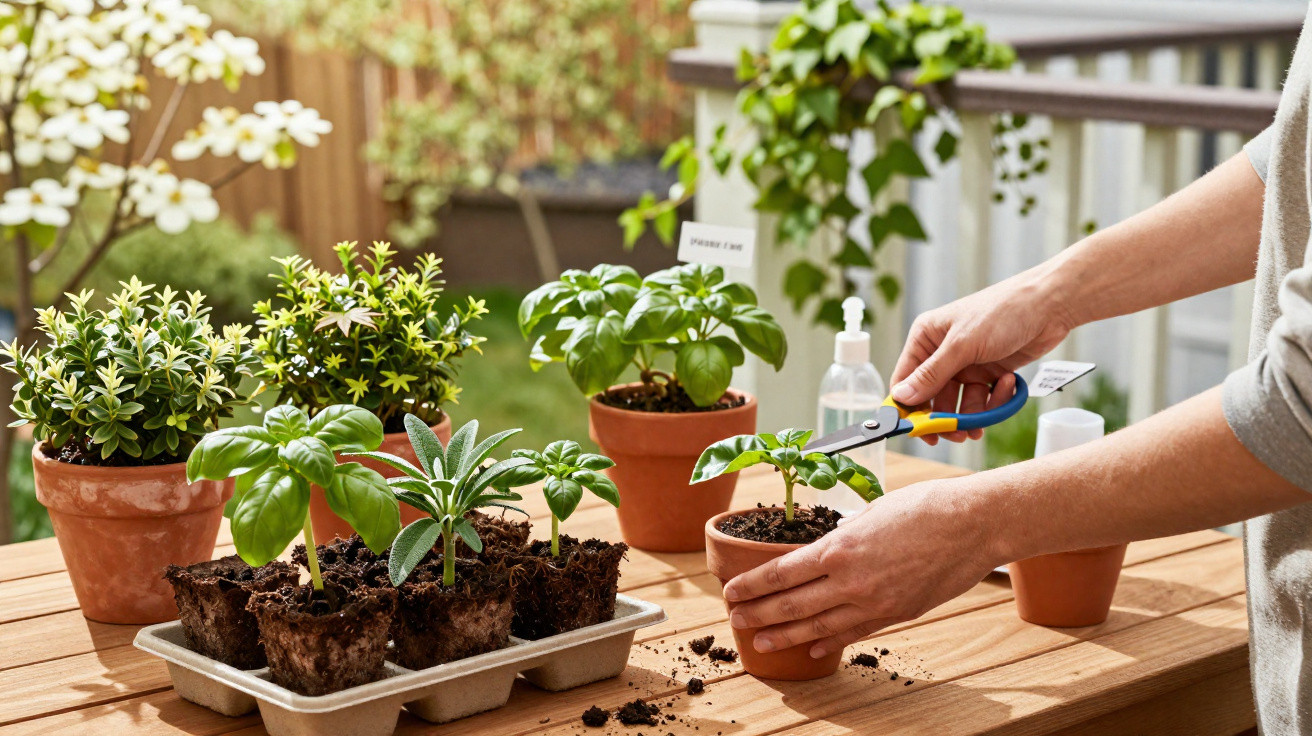
Lavender can be propagated from seed if you live in highland or colder regions. In other parts of Brazil, cuttings are the recommended method, using green stems taken directly from a mature, very healthy shrub.
To prepare a cutting, strip the leaves from the section that will be buried and remove any dried flowering stems. If the plant dries out completely in hot regions, rescuing it through pruning is difficult, requiring letting go and trying again.
Read also: The climber that flowers in a pot and gives a wall the look of a soap-opera garden

Comments
No comments yet. Be the first to comment!
Leave a Comment