
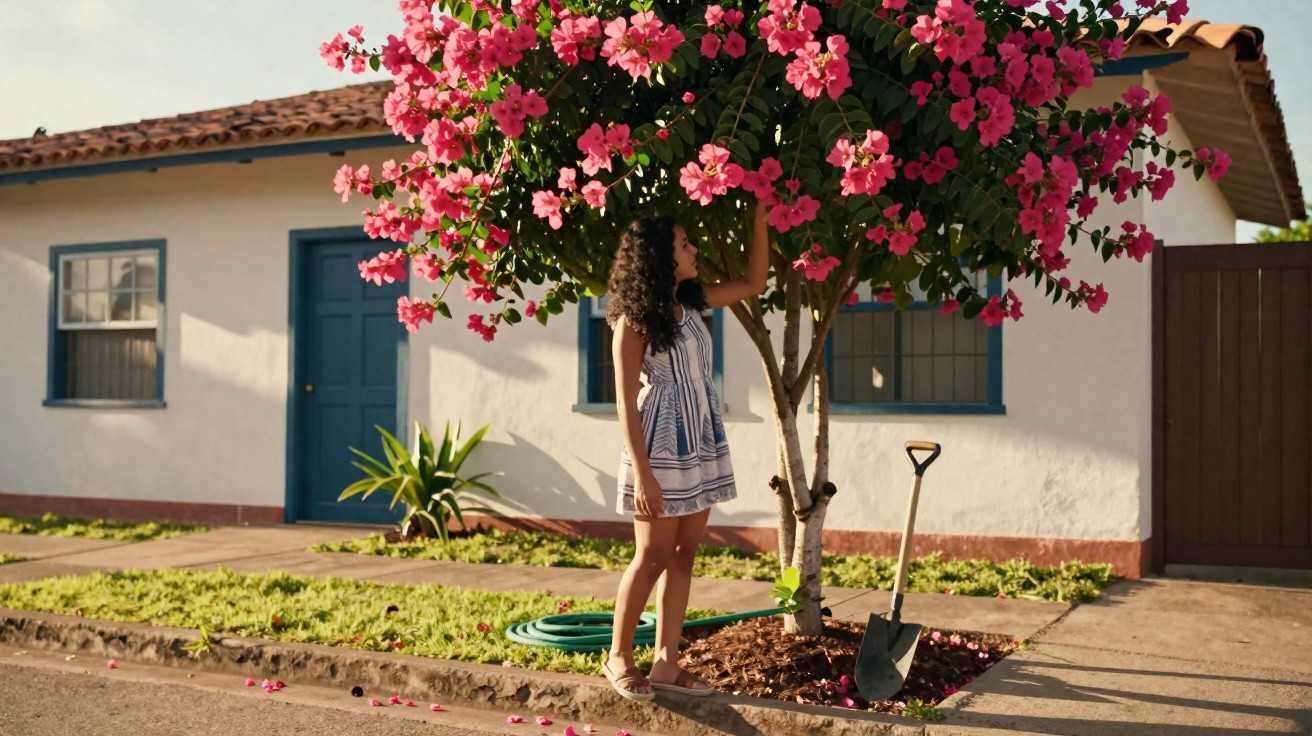
If you have ever walked past a house with a tree covered in colourful flowers and thought, “how lovely, but it must be hard work”, the Resedá is quite different. This plant is becoming increasingly popular in gardens and pavements throughout Brazil because it combines beauty, resilience and low maintenance in one package.
The tree that catches your eye before you know its name
Scientifically called Lagerstroemia indica, the Resedá is a small tree that can grow to six metres tall. During the warmer months, it produces abundant flowers in shades of pink, lilac and white. It has become more widely used in urban landscaping because its refined appearance is matched by a considerate growth habit: its roots grow deep rather than spreading aggressively, so the surrounding concrete or stone pavement remains undamaged.
Its cleanliness is another feature appreciated by gardeners and residents. Unlike some ornamental species that continually shed leaves and blossoms, the Resedá creates far less debris, making everyday upkeep much easier. It brings colour without requiring the pavement to be swept every morning.
- Vibrant flowering: pink, lilac and white blooms turn any pavement into a colourful garden
- Non-aggressive roots: it does not crack nearby pavements, surfaces or low walls
- Sun tolerance: it thrives in full sun, making it ideal for Brazil’s climate
- Little mess: it produces minimal debris, simplifying the cleaning of pavements and gardens
- Suitable for pruning: it responds very well to shaping, developing a neat and elegant canopy
What happens when you plant it properly
Placing the Resedá in the right spot makes a significant difference. Because the tree needs full sun to flower intensely, the first essential step is choosing a position without shade. On pavements facing north or east, it generally grows more vigorously and produces much denser flower clusters, creating the striking display that makes people stop and admire it from the street.
Formative pruning is essential during its first few years. This involves guiding the main trunk upwards while allowing the canopy to expand at a height that does not obstruct pedestrians. Over time, the plant develops an elegant, impressive form that enhances the property’s frontage without needing continual intervention.
Care that ensures years of intense flowering
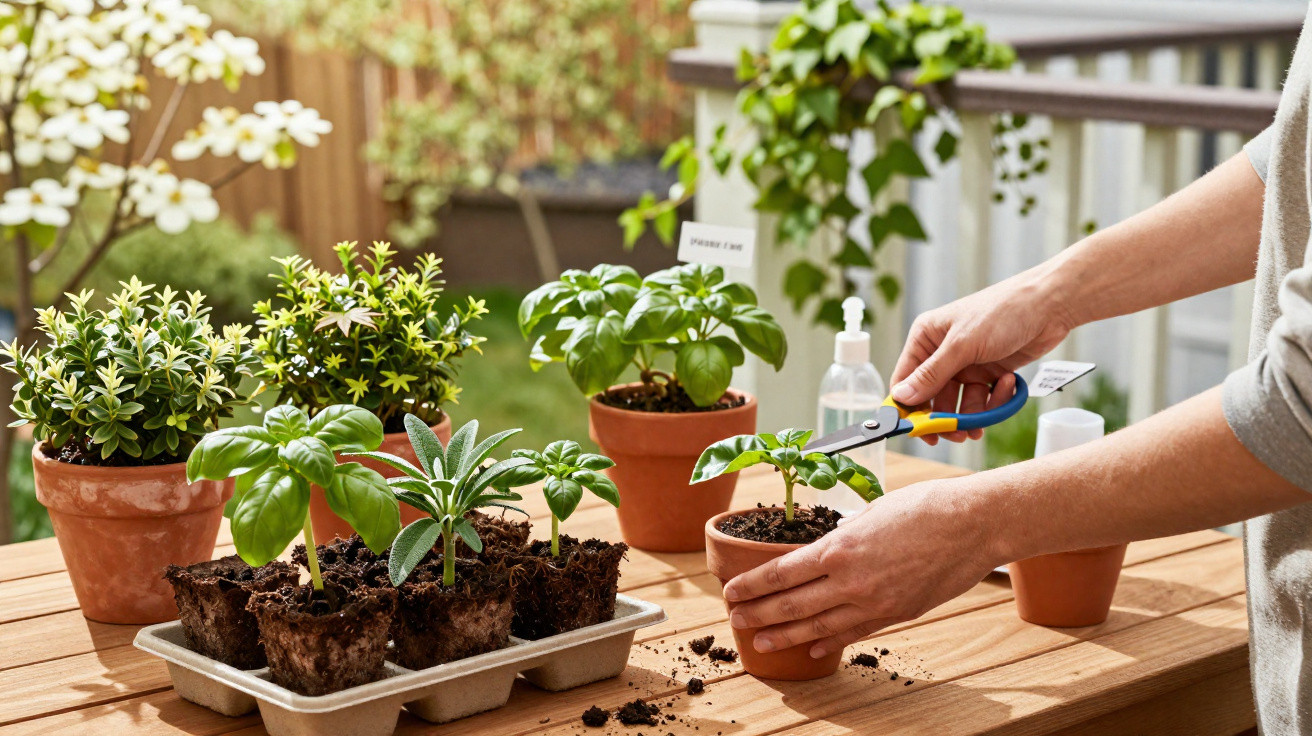
One of the Resedá’s greatest strengths in landscaping is its hardiness. Even so, a few straightforward measures will help the tree achieve its full ornamental potential. Watering should be more frequent immediately after a young plant is put in the ground, while its roots are becoming established. Once it has settled in, it can cope with moderate dry spells without major difficulty.
Resedá care routine
Easy to look after, provided the right details receive attention.
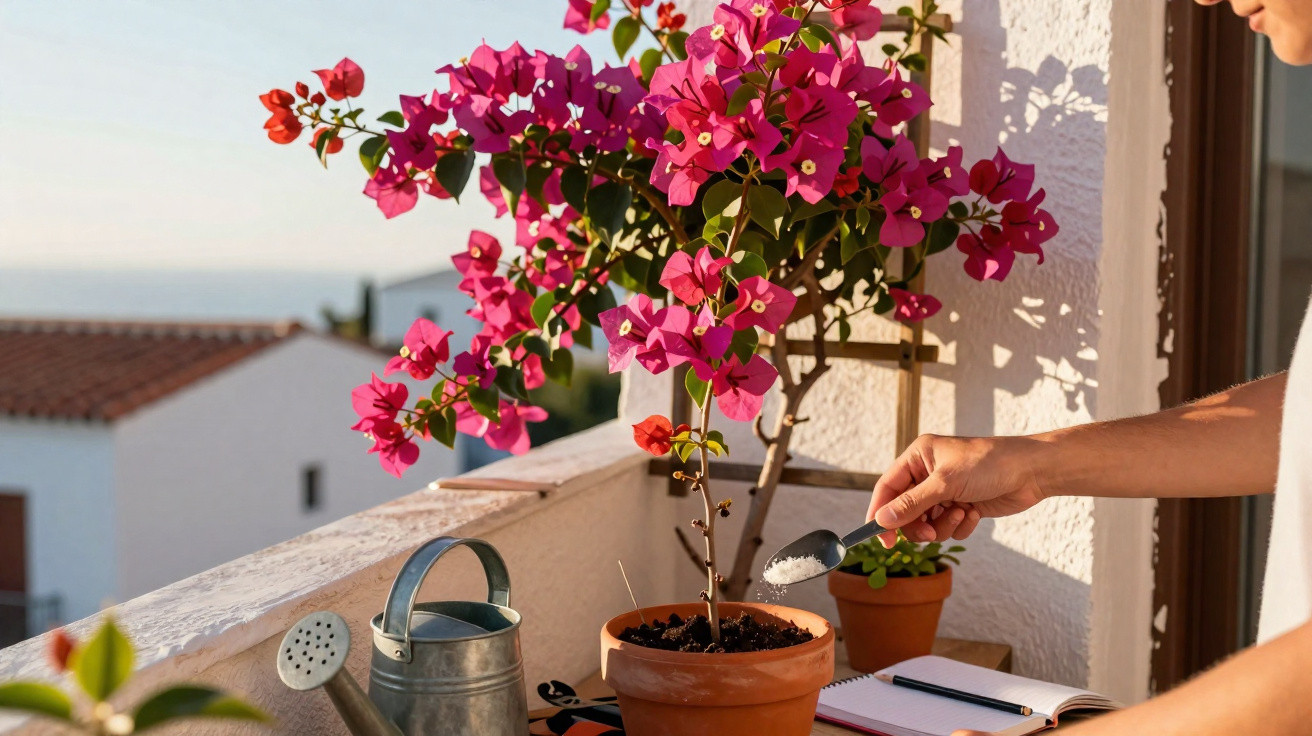
Applying organic fertiliser once a year, ideally before spring, is the key to plentiful flowering. Phosphorus-rich compounds help the plant direct energy towards flower production, resulting in fuller, more colourful clusters. This simple measure makes a considerable visual difference in a garden or on a pavement.
In winter, light maintenance pruning to remove dry and crossing branches prepares the tree for its next flowering cycle. It is also worth watching for aphids, which often attack new shoots. A naturally derived insecticide can solve the issue without harming neighbouring plants or garden animals.
By following this basic routine, the Resedá will reward you with many years of intense flowering. It is the kind of landscaping investment that grows alongside your home and becomes more attractive over time.
Why this tree makes such a difference outside your home
From an urban landscaping perspective, the Resedá offers something unusual: genuine visual impact without unnecessary trouble. Many people hesitate to plant trees along the pavement because they fear future issues with roots lifting the surface or blocking pipes. With this species, that risk is virtually removed, making the choice to plant one far easier and more reassuring.
The shade provided by the tree in summer also helps lower the temperature around the house, making outdoor spaces more pleasant. In hot cities, as in much of Brazil, this has a tangible effect on everyday comfort, particularly in the afternoon.
Where it comes from and why Brazilians now favour it
Native to Asia, the Resedá is already highly popular in countries such as China, Japan and Korea, where it has been grown in public and private gardens for centuries. In Brazil, the species has gained momentum in landscaping in recent years, driven by social media and the growing appreciation of ornamental plants that withstand tropical heat. Demand for young plants is expected to continue rising as more people discover how well it suits the country’s climate and pavements.
Anyone looking for a tree that brings together beauty, practicality and durability in the garden will find the Resedá one of the soundest choices in modern Brazilian landscaping. It shows that a flowering, shaded and well-kept pavement is possible without turning home maintenance into a second job.
If you enjoyed discovering that such a tree exists, share this with someone who also dreams of making the front of their home more beautiful without giving up practicality.


Comments
No comments yet. Be the first to comment!
Leave a Comment