
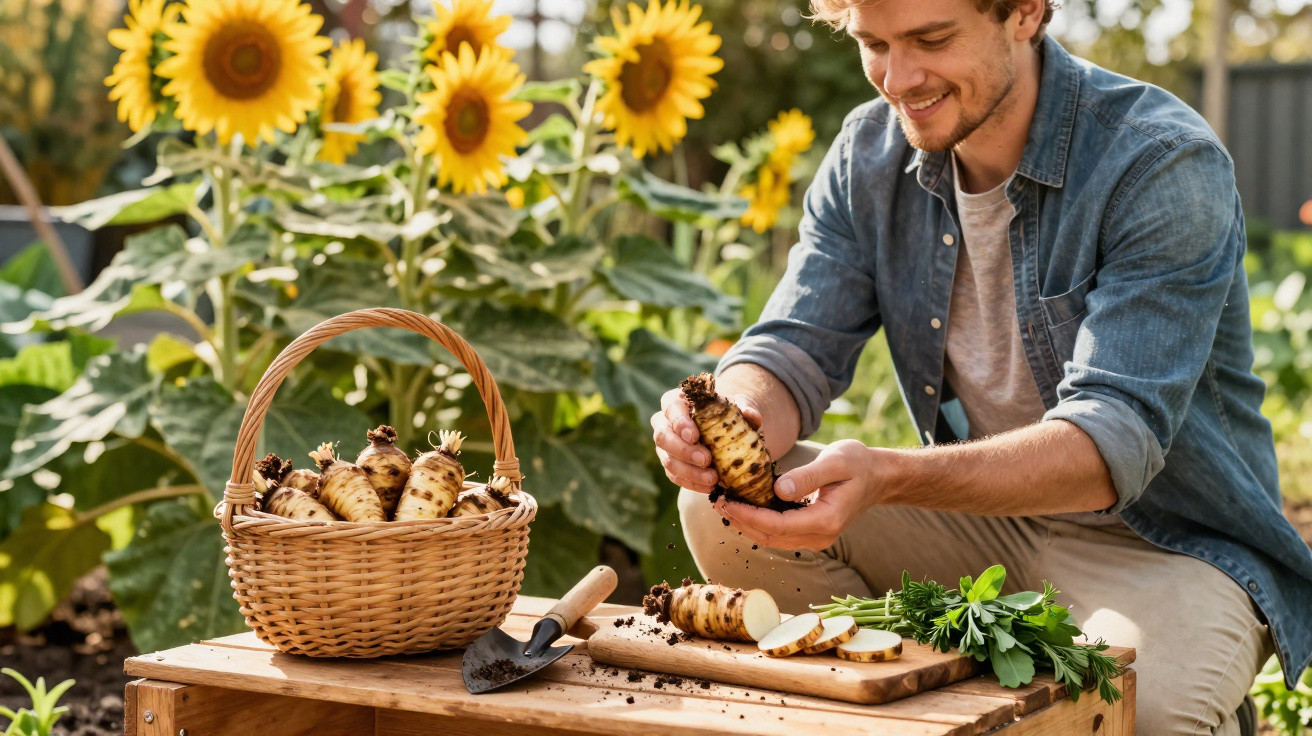
Anyone browsing seed catalogues, gardening blogs or market stalls at the moment will increasingly come across a knobbly-looking tuber with huge potential: Jerusalem artichoke. For decades, it lingered in obscurity, dismissed as “poor people’s food” or an eccentric grandmother’s plant. Now it is returning to contemporary kitchens and urban gardens – and it is doing so with real momentum.
Old tuber vegetable, new craze: why Jerusalem artichoke is back in fashion
Jerusalem artichoke is perfectly suited to the present day: it is local, hardy, easy to grow and far more exciting in flavour than its irregular shape suggests. While exotic varieties such as sweet potatoes and unusual hybrids once took centre stage, a vegetable grown by our grandparents is now making a comeback.
Many traders at farmers’ markets say demand is noticeably increasing. Amateur gardeners are specifically looking for tubers, cookery magazines are devoting full double-page spreads to the plant, and it is appearing ever more frequently on tasting menus in fine-dining restaurants.
“Jerusalem artichoke is becoming a symbol of a renewed appetite for simple, honest food – with history and character.”
Its appeal lies in the combination of nostalgic garden charm, the modern sustainability debate and a taste that stands apart from potatoes, carrots and similar vegetables. Anyone with enough room for a bed can, with just a few tubers, create an almost years-long supply of their own.
Jerusalem artichoke in the garden: almost indestructible and ideal for lazy gardeners
Many gardeners readily admit that, between work, family and everyday life, there is little time for demanding gardening. This is exactly where Jerusalem artichoke comes into its own. It is regarded as one of the easiest tuber vegetables to look after.
- Undemanding about soil: loose garden soil is ideal, but even depleted beds can still produce respectable crops.
- Very little maintenance: once planted, it needs scarcely more attention than occasional watering during prolonged dry spells.
- Hardly any disease pressure: fungal diseases and pests rarely cause major damage to the plants.
- Perennial “self-sufficiency”: tubers left behind will sprout again the following year.
Jerusalem artichoke is usually planted in March or April. Place the tubers around 10 to 15 cm deep, leaving roughly 30 to 40 cm between them. A sunny to partially shaded position is entirely sufficient. During summer, the plants form tall stems, often reaching two to three metres, with yellow flowers that resemble small sunflowers.
“Jerusalem artichoke is so vigorous that a single overlooked piece of tuber is enough to produce an impressive row of plants in the bed again next year.”
That very vigour is both a blessing and a curse. Many experienced gardeners advise growing Jerusalem artichoke in a contained area – at the edge of the plot, for instance, or in a separate bed that is not replanted every year.
Harvest from October until spring: it hardly gets fresher
Another advantage is its exceptionally long harvesting period. The tubers can be lifted from around October and well into late winter. As long as the ground is not deeply frozen solid, the bed will continue to provide fresh produce.
Jerusalem artichokes are best stored in the soil itself. In the fridge, the tubers shrivel relatively quickly and lose flavour. If you do want to keep some in reserve, pack them into lightly damp soil or boxes of sand, much as you would carrots.
A flavour between artichoke and nuts: Jerusalem artichoke in the kitchen
Many people trying Jerusalem artichoke for the first time are surprised: this tuber has a distinctly more delicate taste than a potato. Its flavour brings together artichoke and hazelnut, with a lightly sweet note. Depending on how it is prepared, the texture ranges from soft and creamy to pleasantly firm.
The best ways for beginners to prepare it
- Roasted in the oven: wash the tubers thoroughly (the skin can be left on), cut them into pieces, toss with oil, salt, pepper and herbs, then roast at 180–200 °C for around 25–35 minutes.
- As a creamy soup: cook with potatoes, onions and vegetable stock, then blend and finish with a little cream or a plant-based alternative.
- As a pan-fried dish: slice and fry with mushrooms and onions, then add fresh parsley at the end.
“Anyone wanting to ease their way into Jerusalem artichoke can simply replace one third of the potatoes in their favourite potato dish with the tuber.”
The possible combinations are almost endless. It pairs particularly well with:
- root vegetables such as carrot, parsnip or celeriac
- gentle herbs including thyme, rosemary and parsley
- sharp elements such as apple or a little lemon juice
- nutty flavours, for example hazelnuts or walnuts
How healthy is Jerusalem artichoke really?
Jerusalem artichoke is not only an uncomplicated garden plant; it also has nutritional benefits. The tuber contains, above all, inulin – a soluble fibre that differs significantly from ordinary starch.
| Nutrient | Special feature |
|---|---|
| Inulin | supports the gut flora and has a prebiotic effect |
| Fibre | helps you feel full for longer |
| Vitamins and minerals | including potassium, iron and several B vitamins |
People with a sensitive digestive system should introduce it gradually. Larger quantities of inulin can cause wind, especially if the body is not used to it. Small portions at first, or combining it with potatoes and other vegetables, is advisable.
It could hardly be more sustainable: why the tuber suits the climate debate
Jerusalem artichoke grows with little water, manages without chemical treatments and needs very little fertiliser. This makes it particularly suitable for areas where summers are becoming drier and irrigation water is in short supply. Anyone hoping to make their vegetable beds more resilient for the future will find a dependable ally in this tuber.
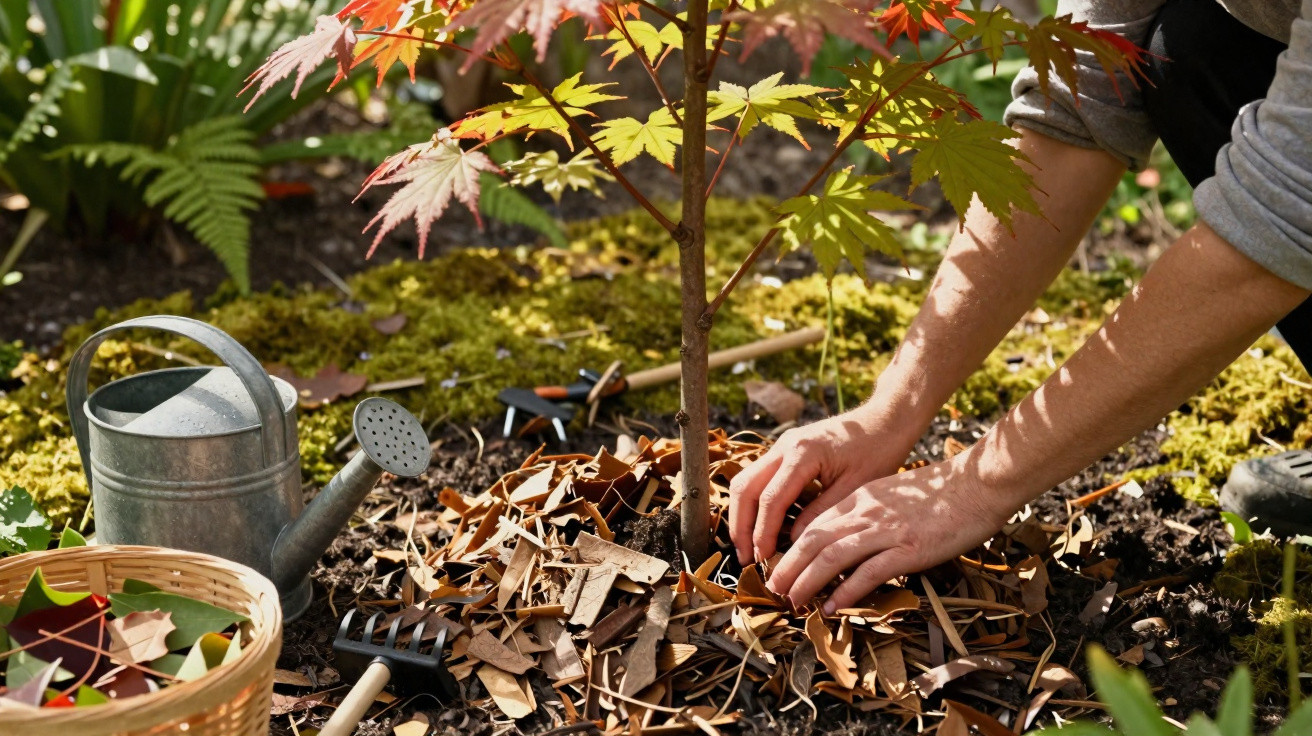
In addition, the above-ground stems can be used as mulch in autumn and winter. They protect the soil, retain moisture and gradually provide nutrients. This creates a small circular system right outside the door.
“Jerusalem artichoke is not a fashionable ‘trend plant’ that disappears again after two years, but a quiet long-term favourite for everyone who plans ahead.”
Practical tips for getting started in your own garden
Anyone now keen to try it for themselves does not need much equipment. A few tubers are entirely enough to establish a new bed.
How to get started step by step
- Choose a location: sunny to partially shaded, preferably not immediately beside sensitive crops.
- Loosen the soil: remove large stones and, if desired, work in a little compost.
- Plant the tubers: 10–15 cm deep, with at least a hand’s width between plants.
- Water them in: water thoroughly after planting, then water again only during extended dry periods.
- Control spreading: if needed, use lawn edging, boards or a root barrier.
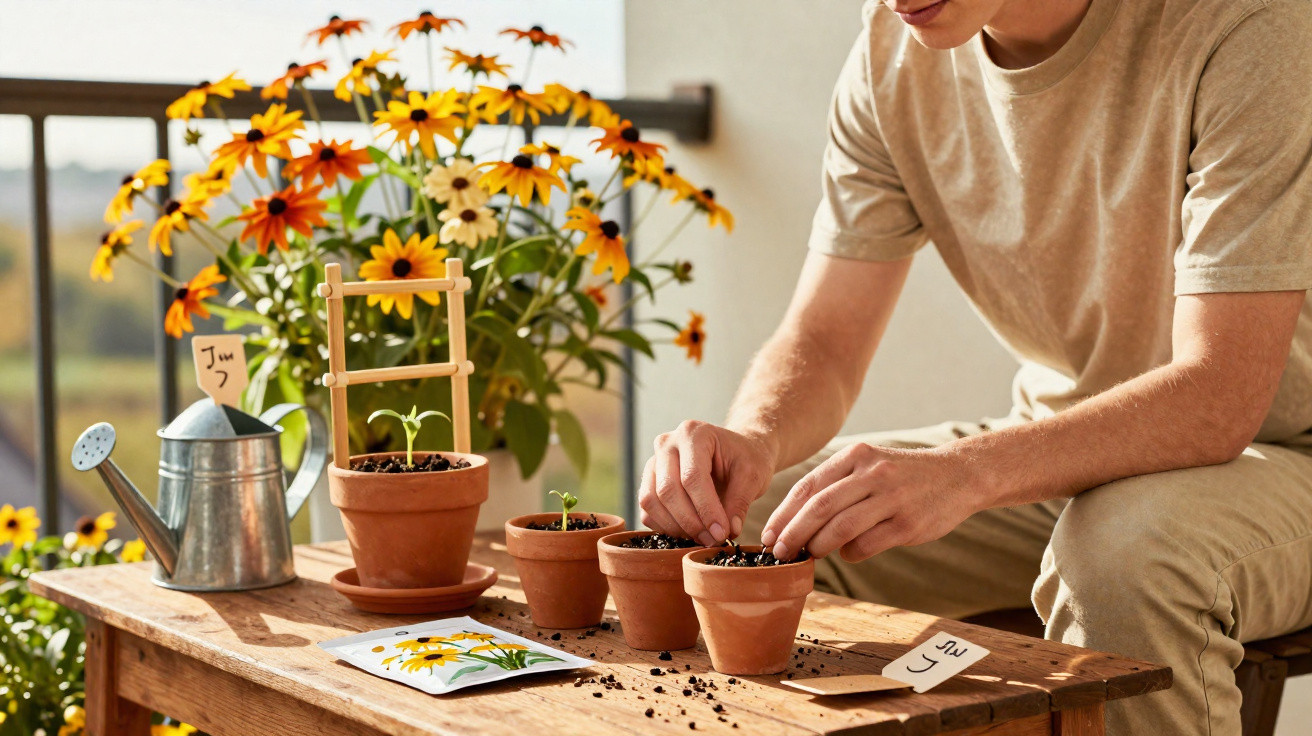
If you do not have a garden, Jerusalem artichoke can also be tried in a large container. It is important to use a sturdy pot holding at least 40 litres, as the plant grows tall and becomes quite heavy. The harvest will be somewhat smaller, but it is still an intriguing balcony experiment.
A final note on smell, digestion and everyday practicality
Many people hesitate because they have heard about the “side effect”: Jerusalem artichoke can cause gas. This is linked to its high inulin content, which bacteria process in the large intestine. Those who start slowly, chew thoroughly and plan smaller amounts at first generally cope well.
Some cooks briefly blanch the tubers before continuing with their recipe. This is said to improve digestibility. Others swear by serving Jerusalem artichoke with caraway, fennel or anise every time. These spices are traditionally considered gentle on the stomach.
One point remains very clear: Jerusalem artichoke is not a fashionable “superfood import”, but a native plant with both a past and a future. For anyone who enjoys growing their own vegetables, has little time but a big appetite for new flavours, this old tuber vegetable is more worthwhile than ever.
Comments
No comments yet. Be the first to comment!
Leave a Comment