
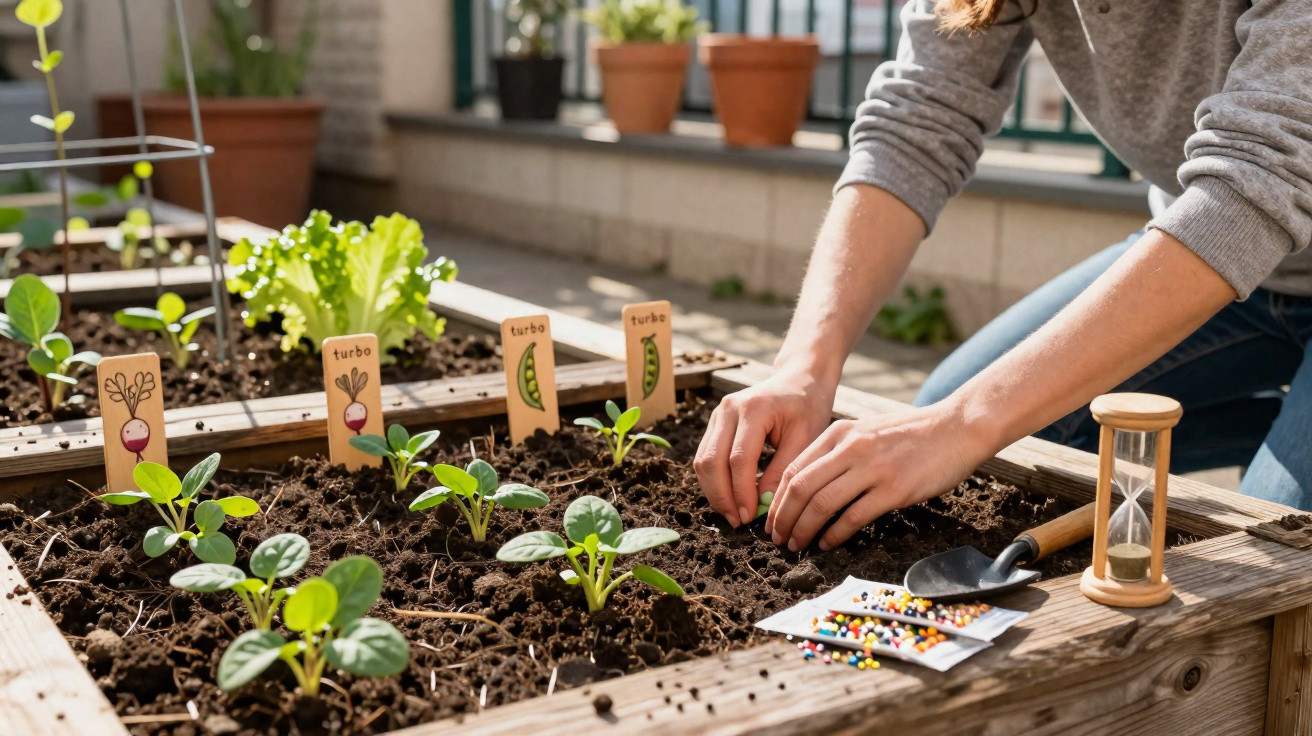
Many amateur gardeners still associate March with frost and bare beds. Yet this is precisely when the season begins for several unexpectedly hardy vegetables that grow at remarkable speed. With a little preparation, suitable varieties and a few simple measures, the first fresh greens from your own garden can be on the plate in around 30 days.
Why March is ideal for fast-growing vegetables
After winter, the soil is still cool, but it is also moist and well aerated. That is exactly what several vegetable-garden favourites enjoy. They cope well with low temperatures and get growing as soon as the days begin to lengthen.
“Those who sow now will be cutting or harvesting while others are only starting to dig over their beds.”
This is an especially good time for beginners: beds are still empty, weeds are limited, and unsuccessful attempts feel less discouraging. Put four particular crops into the soil now and you can expect impressively quick results.
Preparing the soil: the key step before sowing
Before a single seed goes into the bed, the soil needs a small spring refresh. You do not need specialist knowledge or expensive equipment to do it.
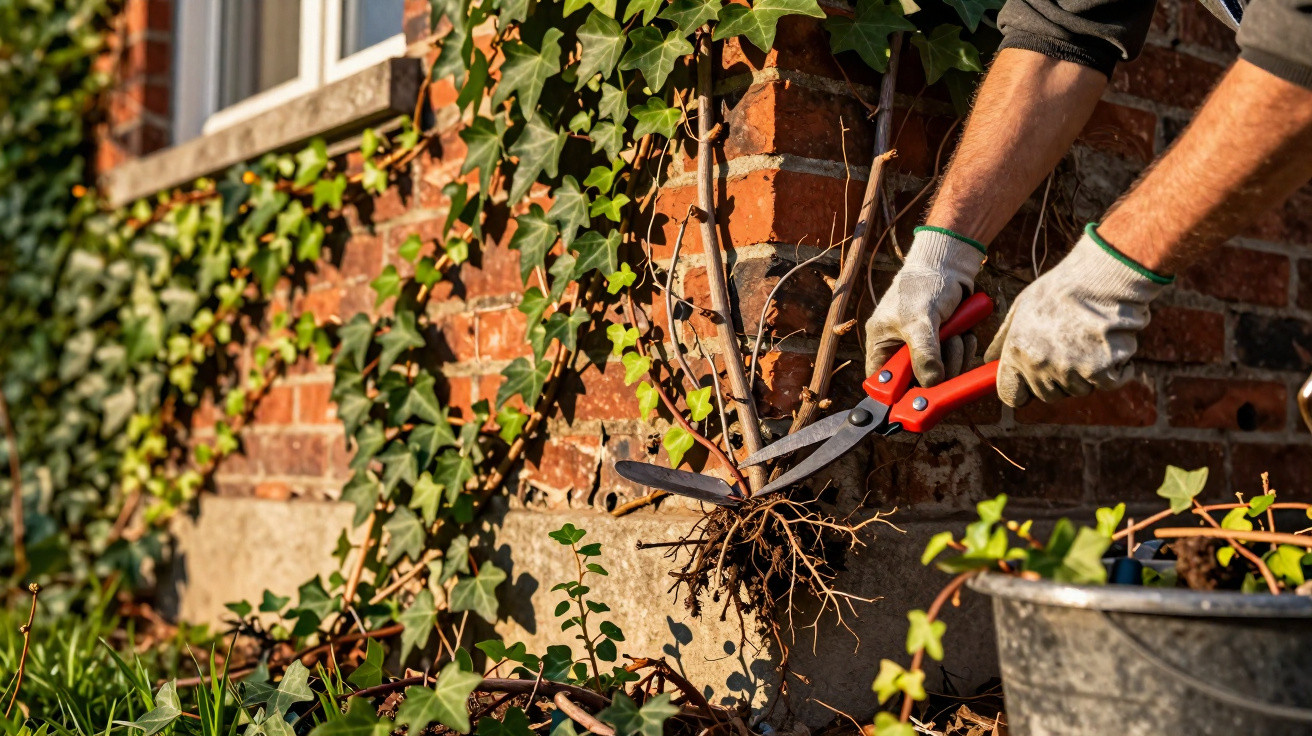
Clear away the old to make room for new growth
Start by inspecting the bed carefully:
- remove dead plant remains, stems and fallen leaves
- dig out branches and roots that could obstruct growth
- break up or remove stones and hard clods
Dead plant material often contains fungal spores or pests. Removing it now significantly reduces the risk of disease, particularly for tender young plants.
Loosen lightly rather than digging over
Many amateur gardeners routinely dig over the whole bed. For quick spring vegetables, however, it is enough to loosen the top layer gently:
- use a garden fork or broadfork to lift the soil rather than turning it completely
- work only around 10–15 centimetres deep
- use a rake to crumble large clods until the soil has a fine, crumbly texture
This protects soil life, allowing earthworms and microorganisms to remain in their own layer and supply plants with nutrients more effectively.
Gentle fertiliser for vigorous young plants
A light nutrient boost is generally enough for rapid harvests. Suitable options include:
- mature homemade garden compost
- organic vegetable fertiliser from a garden centre
- well-rotted farmyard manure, used sparingly
Work in only a thin layer. Too much fertiliser makes plants soft and vulnerable, especially in early spring.
The 4 turbo vegetables for a harvest in around 30 days
Four crops stand out in March. They tolerate cold surprisingly well and grow far faster than many people expect.
1. Radishes: the classic crop for impatient gardeners
Radishes are among the quickest vegetables of all. The first seedlings appear just days after sowing, and the roots can be added to salads after about four weeks.
“Radishes are the ideal ‘guarantee of success’ for anyone creating a bed for the first time.”
Tips for getting started:
- leave around 15–20 centimetres between rows
- cover seeds only lightly with soil in the row, approximately 1 centimetre
- avoid sowing too densely, otherwise the roots will be small and woody
- keep the soil evenly moist, but avoid waterlogging
Radishes are particularly practical between slower-growing crops such as carrots or cabbage, where they fit neatly into the gaps. They will be harvested before the other plants need the space.
2. Cut-and-come-again lettuce: tender leaves after only a few weeks
Many people believe lettuce needs warmth, but that is only partly true. Cut-and-come-again lettuce and some varieties of hearting lettuce cope well with cool nights. In March, they are usually happier in the bed than in summer heat.
Mixing varieties extends the enjoyment: colourful leaf-lettuce blends with green and red leaves provide a quick harvest while also looking attractive in the bed.
- sow thinly, or plant young plants 25–30 centimetres apart
- carefully cut the first leaves from the outside, leaving the centre intact
- water regularly, but if possible do not wet the leaves in the evening
The lettuce will then keep growing back. This easily extends the harvest over several weeks.
3. Peas: sweet pods and a sturdy climber
Peas thrive in spring. They germinate even at low temperatures and grow well as long as the ground is not frozen. They need support to stop them from falling over.
“With a simple climbing frame, peas quickly become a productive ‘snacking corner’ in the garden.”
Here is how to grow them successfully:
- make rows around 40–50 centimetres apart
- sow at a depth of approximately 3–4 centimetres
- set up a simple trellis, taut strings or thin branches as a support
Depending on the variety, young peas and tender pods can be picked early. Harvesting regularly encourages new flowers and therefore more pods.
4. Spinach: the first leaves after one month
Spinach is regarded as a classic spring vegetable. It grows much better during cool spells than in high summer, when it can quickly run to seed.
There is good news for impatient gardeners: you do not have to wait for plants to reach full size to harvest baby spinach. The first young leaves can be cut after about four weeks.
- sow in rows or broadcast the seeds
- cover lightly with soil and firm it down well
- water regularly in dry conditions, otherwise growth will stall
If you harvest only the outer leaves, spinach can be used over a longer period. Later in the year, it can be sown for a second time in partial shade.
Planning your mini harvest window in March
A rough bed plan helps keep the four quick crops organised. Use this as a guide:
| Vegetable | Spacing | First harvest |
|---|---|---|
| Radishes | Rows: 15–20 cm, 3–4 cm within the row | approx. 25–30 days |
| Cut-and-come-again lettuce | Plants: 25–30 cm | first leaves after 3–4 weeks |
| Peas | Rows: 40–50 cm, 5–7 cm within the row | depends on the variety; early harvest after a good 4 weeks for young pods |
| Spinach | Rows: 20–25 cm | baby leaves after around 4 weeks |
Protection from cold, wind and hungry visitors
In March, setbacks caused by unpredictable weather are normal. A few simple aids can safeguard an early harvest:
- horticultural fleece: keeps the soil temperature slightly higher and protects against overnight frost
- small polytunnels: particularly useful in exposed, windy locations
- fine mesh netting: deters birds and insects without blocking light
Slugs also often return early in the year. Beer traps, slug barriers or consistently collecting them in the evening can stop tender young plants from disappearing overnight.
What balcony gardeners can do
No large garden? Many of these fast starters are equally happy in containers. Radishes, cut-and-come-again lettuce and spinach in particular grow without difficulty in window boxes or larger pots.
“Anyone with a sunny balcony and a few containers with drainage holes can start their own mini bed.”
The essentials are:
- high-quality, loose vegetable or herb compost
- containers at least 15–20 centimetres deep for radishes and lettuce
- regular watering, as pots dry out more quickly
Peas in pots need a small climbing support, such as several bamboo canes tied together to form a frame.
Making the most of the short growing period
The major advantage of these four vegetables is that they can be sown in succession. Rather than sowing everything at once, sowing small amounts week after week provides fresh produce from the garden for longer.
A typical staggered plan for one bed is:
- Week 1: first rows of radishes, spinach and some cut-and-come-again lettuce
- Week 2–3: a new row of radishes and another strip of lettuce
- Week 4: the final round of radishes, and possibly a second spinach area
This prevents a harvest backlog and means you will not be faced with ten bunches of radishes on the same day.
Risks, limits – and why it is still worth trying
Of course, not every sowing will succeed perfectly. Persistent cold rain, late frost or hungry slugs can disrupt the plan. Variety choice also matters: for early sowings, always choose varieties clearly labelled “early” or “for growing outdoors in spring”.
Even with minor setbacks, an early vegetable project has a clear benefit: it helps you find your gardening rhythm again after winter, get to know your own soil and gain quick successes. Even a single bed of radishes, lettuce, peas and spinach feels like a small market stall of your own in April.
Comments
No comments yet. Be the first to comment!
Leave a Comment