
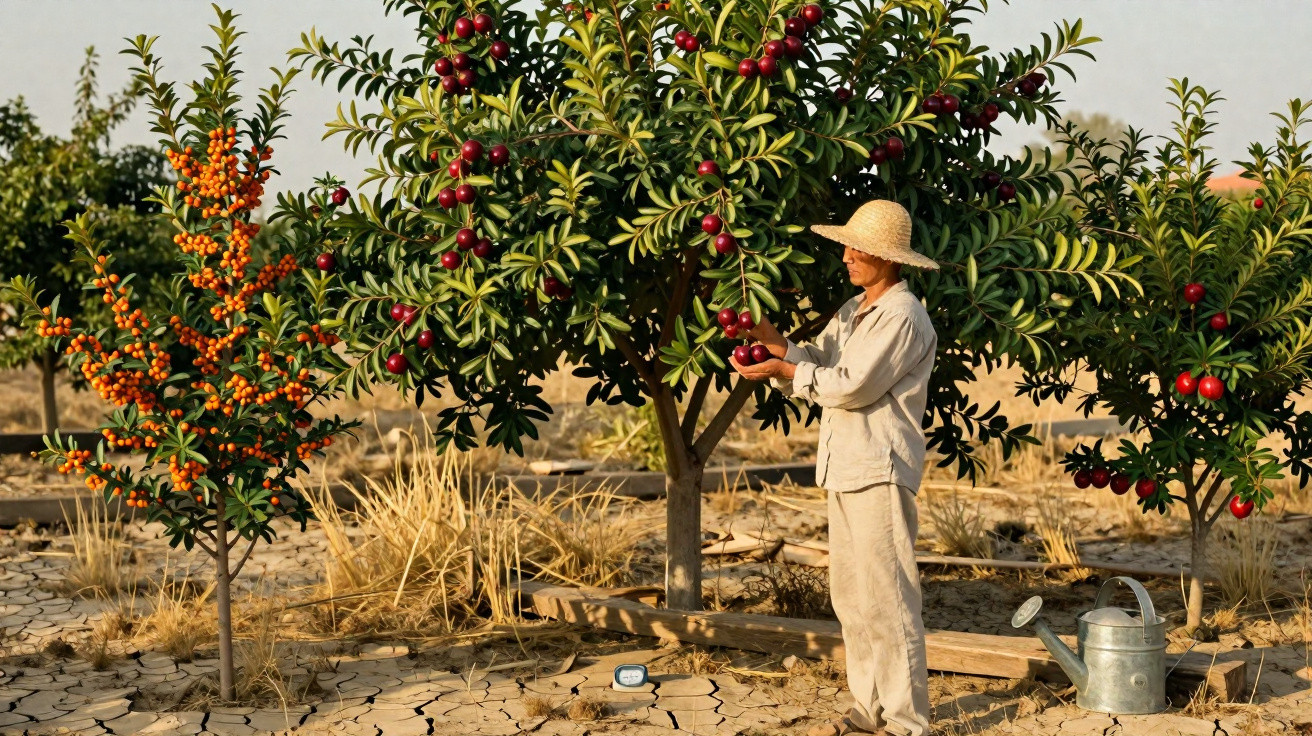
While apple, cherry and plum trees in many areas are struggling through ever more frequent heatwaves, a name that was scarcely known a few years ago is appearing in gardens across Germany. A fruit tree from Asia is now regarded as an insider tip for anyone who cannot, or does not want to, water much but still wants to harvest home-grown fruit. Anyone preparing their garden for future dry spells should take a closer look at this candidate.
The near-indestructible fruit tree from Asia
The tree in question is the jujube, botanically Ziziphus jujuba, often called the Chinese date in the UK. It originates from northern China and parts of Mongolia, where it has to withstand extreme contrasts: winters down to -25°C, summers reaching 40°C, very dry air and little water.
This background is exactly what makes it so interesting for dry gardens in central Europe. In southern France, specimens more than 100 years old have already endured scorching summers and poor soils without complaint. Gardeners now describe it as a “fruit tree of the future” because it copes remarkably well with climate projections.
The jujube is considered a fruit tree for periods of heatwaves, watering restrictions and parched soils – without special treatment.
Why the jujube withstands heat and drought so well
In its native range, the jujube grows in soils that many other fruit trees would reject immediately: sandy, stony, compacted and low in nutrients. The key requirement is good drainage. The tree does not tolerate waterlogging at all, so wet hollows and peaty soils are clear deal-breakers.
Once established, the jujube proves exceptionally undemanding:
- It requires very little watering.
- It produces fruit reliably even in dry summers.
- So far, it is rarely affected by pests or fungal diseases.
- It is self-fertile and produces a crop every year, without fallow years.
For so-called dry gardens – plots that receive very little watering – this profile seems almost like an answer to recent drought summers. While apple trees may droop at the first heatwave, the jujube remains strikingly calm.
What jujube fruits taste like and how to use them
Jujube fruits resemble small olives that turn reddish-brown. Once ripe, they have thin skins and pale, firm flesh. Depending on the variety, their flavour recalls a blend of apple and date: gently sweet, with a little crunch.
They can be used in everyday cooking in several ways:
- eaten fresh from the tree as a snack
- dried like dates or raisins
- made into compote, chutneys or jams
- added to tea or warm drinks
In parts of Asia, the fruits have been used as a household remedy for centuries, including in teas during the colder months. For amateur gardeners here, however, the more immediate benefit is this: the harvest still arrives when the lawn has long since turned brown.
Planting a jujube successfully in spring
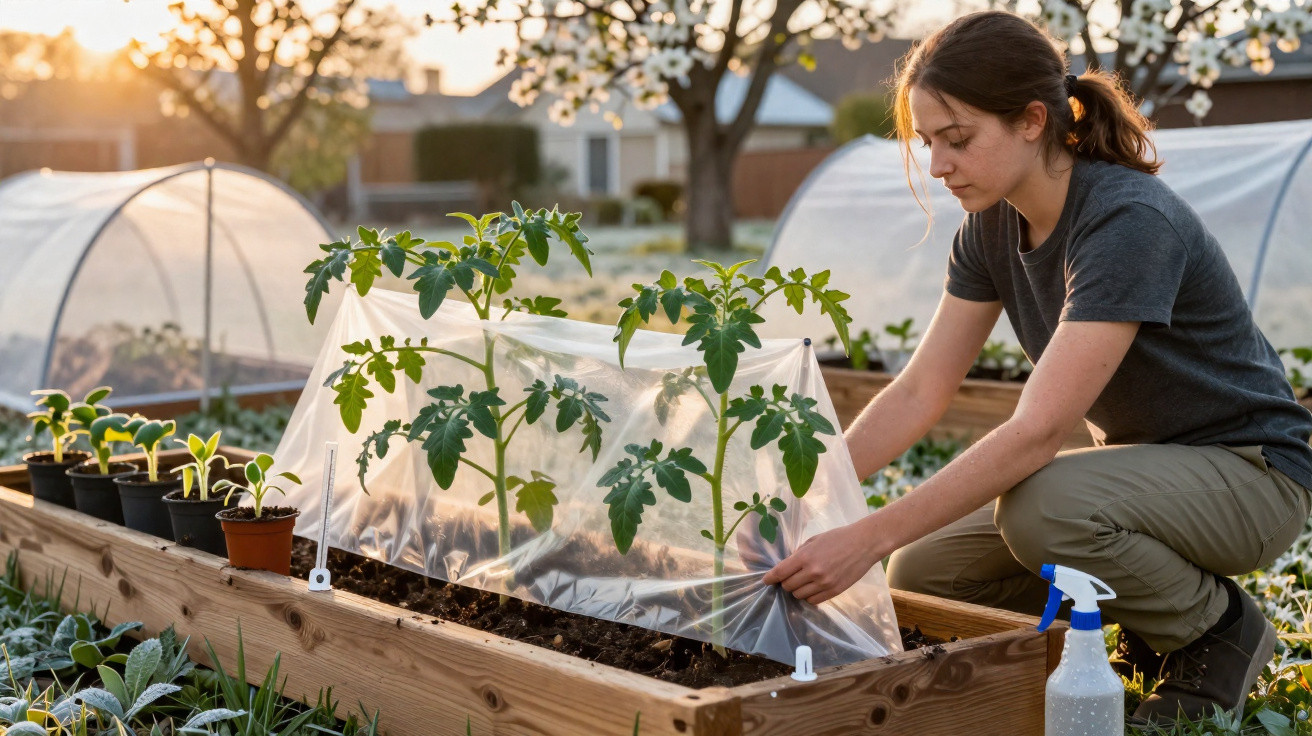
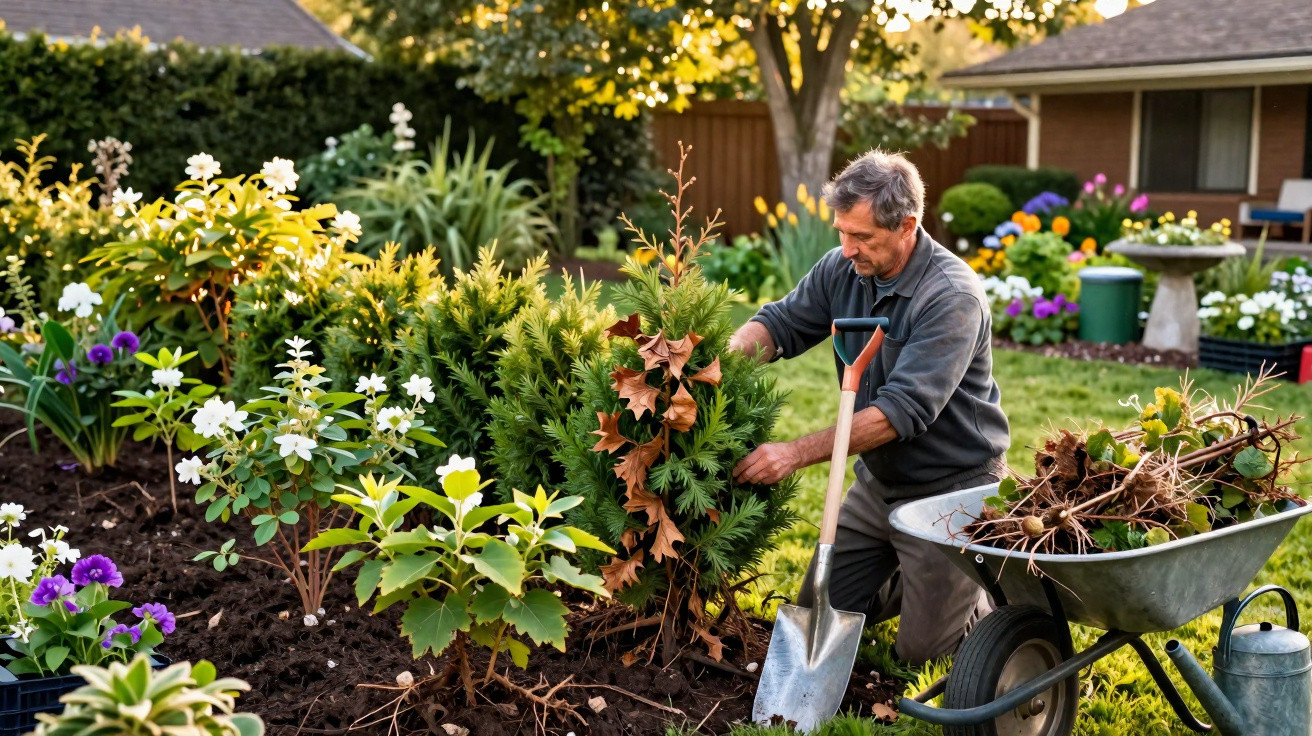
Spring is the best time to plant, once the ground is no longer frozen and has begun to warm up. The jujube then has several months to establish its roots before the first severe dry period arrives.
Step-by-step guide
Planting is much the same as for other heat-loving fruit trees, such as pomegranates. The essential steps are straightforward:
- Dig a planting hole that is noticeably wider and slightly deeper than the root ball.
- Mix the excavated soil with compost or well-rotted manure to give the tree an easier start.
- Place the tree so that the root collar sits level with the soil surface.
- Refill with the soil and firm it gently to remove air pockets.
- Water thoroughly straight after planting, then keep the soil lightly and evenly moist during the first year.
The jujube needs attention at first, but later repays it with decades of resilience and little work.
One further point matters: a sunny position is essential. The more light and warmth the tree receives, the better its fruits will ripen. In cool, shady sites, yields remain well below their potential.
The perfect garden trio: jujube, sea buckthorn and pomegranate
Anyone who does not simply want to plant one tree, but instead plans a small and very low-maintenance dry fruit garden, can pair the jujube with two other species: sea buckthorn and pomegranate.
Sea buckthorn: a vitamin C powerhouse for the poorest soils
Sea buckthorn (Hippophae rhamnoides) is native to Europe and Asia, thriving where other shrubs have long given up. It tolerates hard frosts, strong winds and extremely poor, sandy soils. Through a root symbiosis, it can fix nitrogen from the air and thereby improve the soil as an added benefit.
Its bright orange berries, which ripen from late summer onwards, contain particularly high levels of vitamin C. They are suitable for juices, jellies and syrups, while also providing a valuable food source for birds once other shrubs have already been stripped bare.
Pomegranate: Mediterranean character despite climate change
The pomegranate tree (Punica granatum) completes the picture. Originating in Mediterranean regions, it handles hot, dry summers very well. Some varieties, including those from southern France, can even tolerate brief double-digit sub-zero temperatures in a sheltered position. A fully sunny site with well-drained, fairly light soil is important.
Its fruits generally ripen from late September into October. This creates a well-spaced harvesting season: sea buckthorn marks late summer, pomegranate takes over in early autumn, and jujube provides fruit from October into November.
| Species | Special feature | Ripening period |
|---|---|---|
| Sea buckthorn | Extremely undemanding, berries very rich in vitamins | Late summer |
| Pomegranate | Mediterranean fruit, resilient in sunshine | September–October |
| Jujube | Heat-resistant, needs very little water, rarely prone to disease | October–November |
What garden owners should bear in mind
Although the jujube tree sounds highly appealing, a few considerations deserve attention. In colder areas with very long, wet winters, bud break may be delayed. Anyone living in such a location should choose the garden’s warmest, most sheltered spot, for example in front of a south-facing house wall.
Young plants need somewhat more care during their first one to two years. This includes checking regularly that the root area is genuinely not sitting in water, as well as applying a light mulch layer to retain soil moisture. Afterwards, the amount of work drops noticeably.
Families with children should also consider where the tree will stand. As with many fruit trees, some varieties have fine thorns on their branches. If a play area is planned, leave sufficient space or choose suitable pruning forms.
Why the trend for dry fruit gardens is growing
The drought summers of recent years have prompted many amateur gardeners to rethink their approach. Fruit trees that survive only with constant watering fit less and less easily into everyday life as water becomes more expensive and scarce. Instead, attention is turning to species that originally evolved in regions with heat, wind and limited rainfall.
The combination of jujube, sea buckthorn and pomegranate shows what this new approach can look like in practice: three species that manage with little care, bear fruit throughout late summer and autumn, and offer plenty of visual appeal too – from glowing orange berries to exotic-looking pomegranates.
Anyone already dealing with drying apple or cherry trees does not need to redesign the entire garden immediately. A first step could be to plant a jujube tree in the driest, sunniest spot and observe its development over several years. Many people who have tried this later report that this quiet newcomer suddenly became the most dependable fruit tree in their whole garden.
Comments
No comments yet. Be the first to comment!
Leave a Comment