
Experts are sounding the alarm – and advising a radical change.
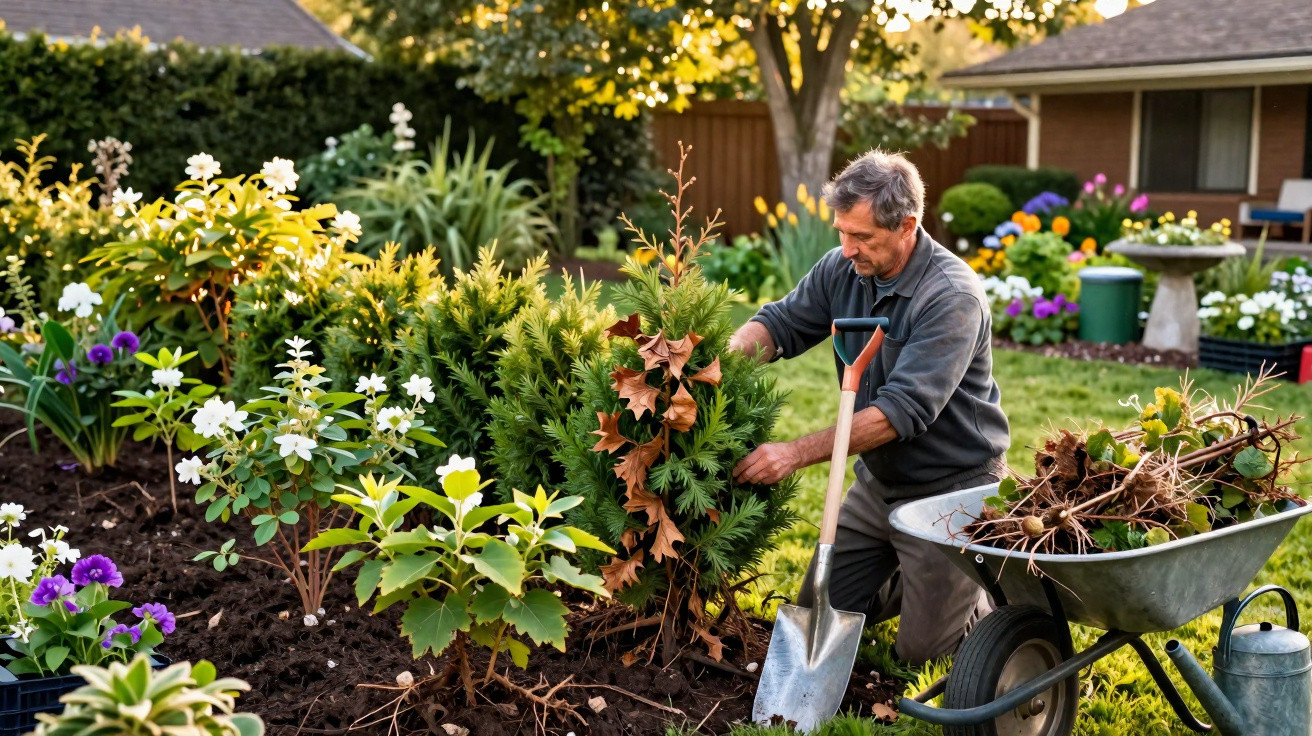
What was considered an easy, standard solution for decades is now becoming a problem: Thuja hedges are turning brown, drying out and toppling over. Heat and drought are not the only causes of the brown patches; pests, depleted soils and new environmental standards also play a part. Garden experts now openly say that the era of the Thuja hedge is ending – and explain why replacing it can be worthwhile.
From garden dream to garden concern
Thuja – often sold as the “tree of life” – was long a favourite among German homeowners. It grows quickly, stays evergreen, forms a wall-like screen and is comparatively inexpensive: an ideal way to shield a garden from prying eyes. During the 1980s and 1990s, entire properties were routinely bordered with rows of it.
Changing climate conditions are now exposing this conifer’s weakness. Thuja has a very shallow root system, which barely reaches deeper layers of soil and struggles during prolonged dry spells. As summers become hotter, hedges need watering far more often simply to survive.
Garden engineers report that Thuja hedges can use significantly more water than mixed hedges of native species – a major disadvantage in dry areas.
Anyone who waters their hedge regularly soon notices the cost on their water bill, yet many plants still turn brown. Every drought summer places the trees under greater strain. Weakened plants become more vulnerable to pests and diseases, which are spreading more widely year after year.
Why Thuja performs poorly environmentally
High water use is only one issue. Conservationists also regard Thuja as problematic because it provides comparatively little habitat. Its dense, slightly “sterile” evergreen foliage is unappealing to many insects, while flowers and fruit are absent. Birds may occasionally use it as a nesting site, but overall biodiversity remains low.
Many local authorities are responding. Planning documents and local by-laws increasingly include rules that restrict uniform conifer hedges or prohibit them altogether in new developments. Instead, towns and councils are promoting species-rich mixed hedges made up of native shrubs. Some areas even offer grants for removing old Thuja rows and replacing them with living alternatives.
- Lower water use through robust species suited to the site
- More food and shelter for insects and birds
- A better garden microclimate, particularly during hot weather
- More visually varied gardens instead of monotonous “green walls”
A new source of pressure: the Thuja beetle as a silent killer
Alongside the climate crisis, another enemy has emerged: a specialised beetle, commonly called the Thuja borer, is colonising weakened hedges. Its larvae feed inside the shoots and beneath the bark. They sever the channels that carry water and nutrients. From the outside, the plant appears to be “dying of thirst” – even though it is actually drying out within its own wood.
Specialist authorities generally consider severely infested Thujas beyond saving. The larvae are well protected within the wood, where standard treatments can barely reach them. Even when individual shoots are pruned away, the remaining hedge stays weakened and continues to provide a breeding ground for new generations of the pest.
Anyone who leaves a badly damaged Thuja hedge in place is effectively maintaining a permanent pest reservoir – and also putting neighbouring conifers at risk.
Signs that a Thuja hedge has reached the end
Not every brown cluster of needles is an immediate death sentence, but gardening professionals take several typical warning signs seriously:
- Large brown areas spreading from the inside outwards
- Shoots that have dried out completely and carry only brittle brown scales
- Fine tunnels beneath the bark, sometimes with visible bore holes
- No fresh shoots emerging from older, woody sections
Thuja has one particular drawback: it rarely regrows from old wood. Once “gaps” have developed in a hedge, they will virtually never close. The green growth keeps moving further outwards, while a dead core remains inside. Its screening function is gradually lost.
Many nature conservation authorities recommend carrying out major pruning work and complete removals outside birds’ breeding season. A broadly suitable period runs from late summer to late winter. Anyone wanting to plan precisely should ask their local environmental authority about the recommended timing.
Removing a Thuja hedge properly
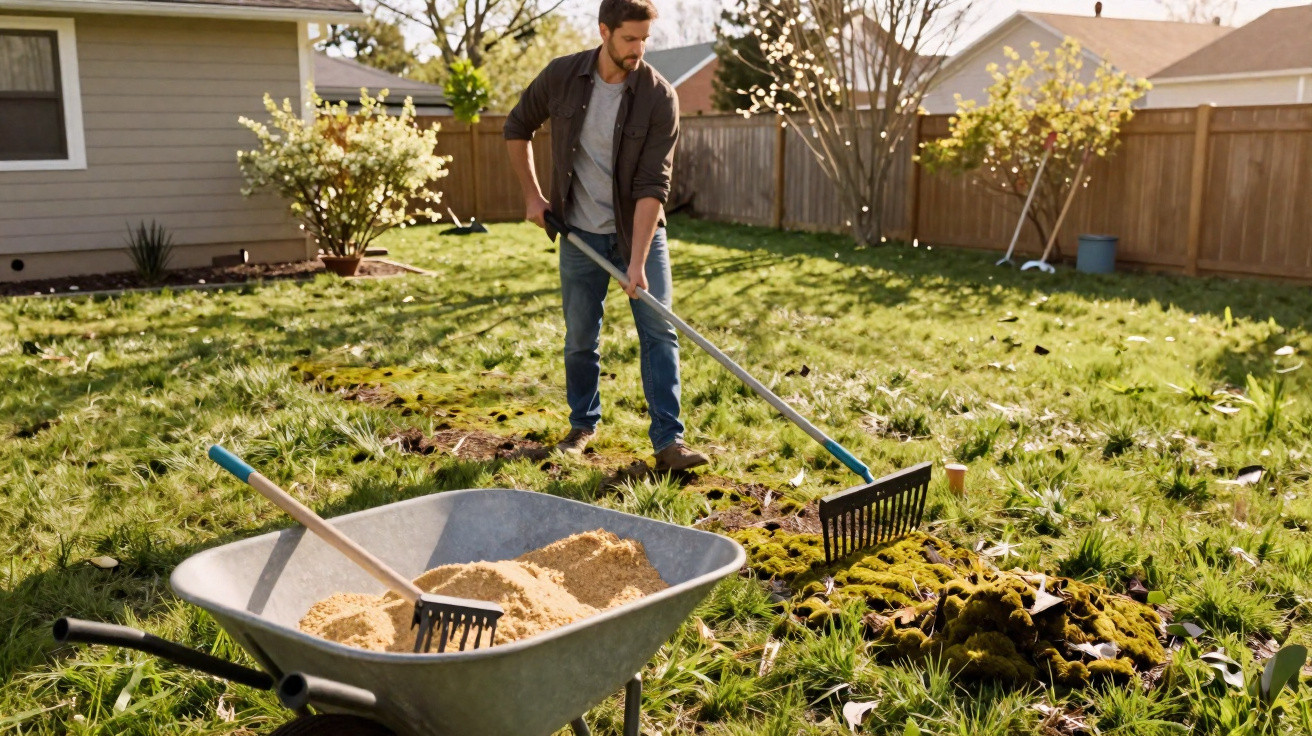
Those choosing the radical option should not simply saw the hedge off just above ground level. To make the soil usable again, as much of the root system as possible should also be removed. This can be physically demanding with old, tall hedges. Small excavators or powered root splitters can help, and many landscaping firms offer these services.
After removal, the ground is often compacted and threaded with root remains. This area needs attention before new plants are introduced:
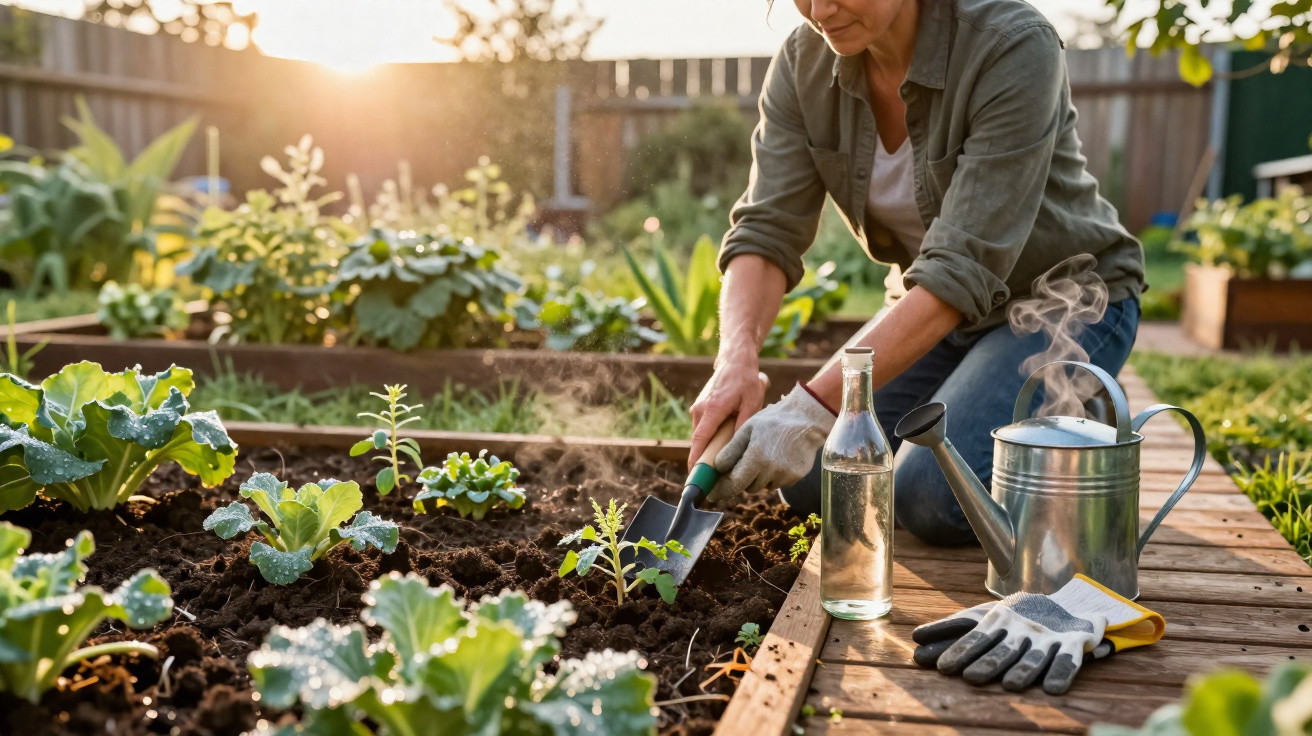
- Loosen the soil as deeply as possible using a spade or digging fork
- Remove large root sections and woody debris
- Work in several buckets of mature compost or well-rotted farmyard manure
- Leave the soil to rest for several weeks, watering lightly in dry conditions
Planting the new hedge slightly offset from the old row gives young plants better conditions. This helps them avoid the depleted areas directly above the former roots.
Attractive alternatives: living hedges rather than a green wall
Landscape architects now recommend mixed hedges almost unanimously. The aim is a varied, layered boundary that combines different flowering periods, colours and textures while remaining resilient in both heat and frost.
Popular species for mixed hedges
Suitable shrubs and woody plants for a climate-resilient privacy screen include:
- Viburnum, including laurustinus
- Photinia with red young growth
- Privet for dense, semi-evergreen screening
- Hornbeam as a classic hedging tree
- Hazel, producing nuts for squirrels and birds
- Dogwood with colourful winter bark
- Hawthorn as a thorny, bird-friendly shrub
- Ornamental grasses such as Miscanthus for a looser, more contemporary screen
When combined well, these plants create a hedge that may not look as perfectly “trimmed” as a row of Thuja, but brings many benefits: more life, more colour and greater seasonal change.
| Hedge type | Water requirement | Benefit for wildlife |
|---|---|---|
| Pure Thuja hedge | High in dry summers | Low |
| Mixed shrub hedge | Medium to low | High (food, nesting sites) |
| Hedge with grasses and shrubs | Medium, readily adaptable | Very high, with diverse structures |
More shade, more water in the soil, more life
Different growth forms – tall shrubs, low bushes and grasses along the edge – create a small habitat with its own microclimate. Fallen leaves and mulch layers retain moisture in the soil and reduce evaporation. Studies show that mixed hedges can keep soil noticeably moist for longer in summer than dense conifer rows.
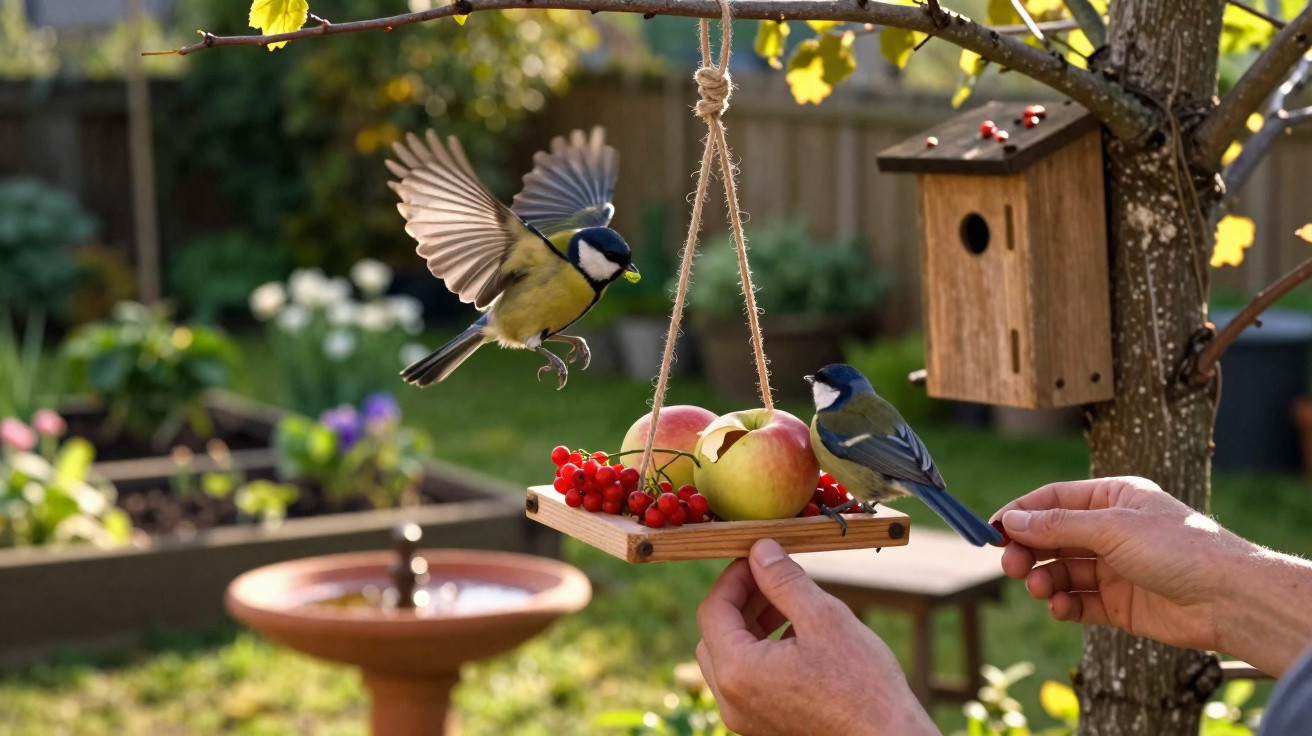
For homeowners, this has several benefits at once: less watering, a more pleasant garden climate and a far more interesting view from the window. Where there was once only a green wall, tits, blackbirds, wild bees and butterflies can now gather.
Practical tips for making the change
Anyone moving away from Thuja should consider a few points:
- Check the site: is it sunny, partly shaded or shaded? Is the soil mainly sandy or clay-heavy?
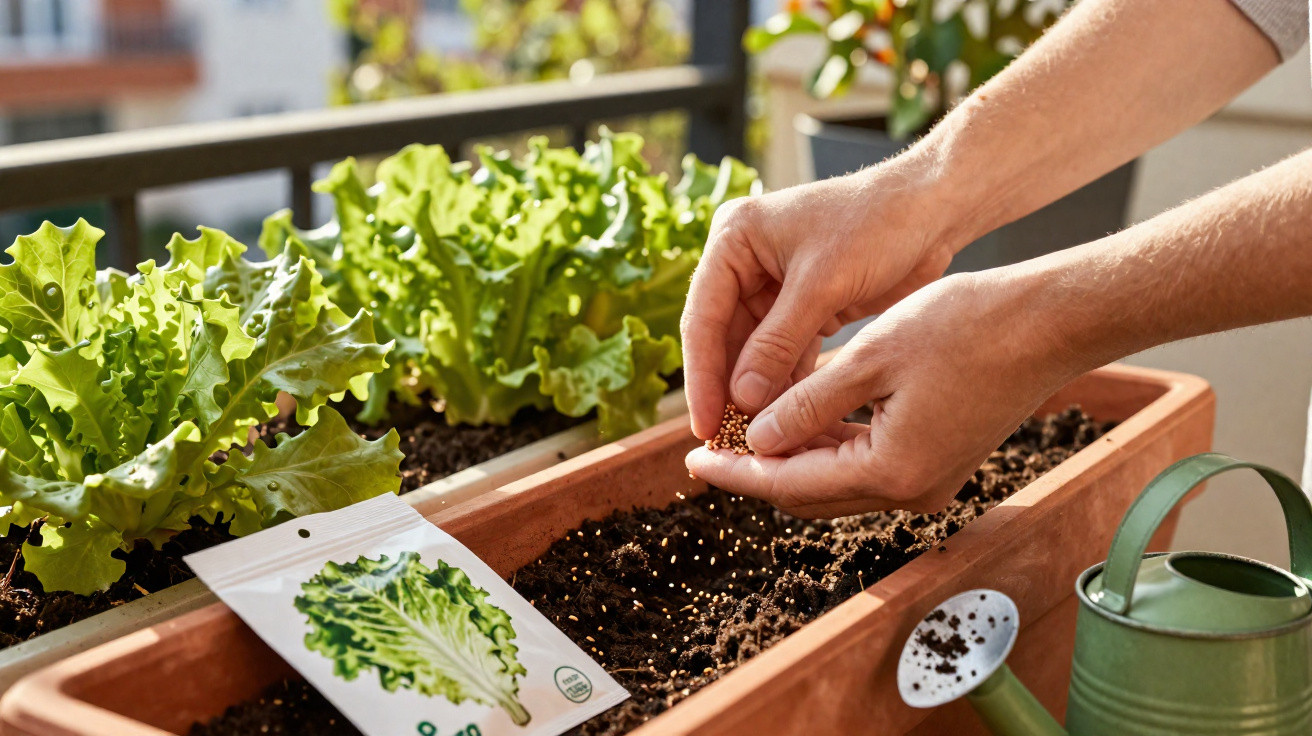
- Do not choose evergreen species alone, so that flowers and fruit are also included
- Mix species with differing heights and flowering periods
- Allow sufficient planting distance for shrubs to develop properly
- Water regularly during the first two years, until the hedge is established
Many nurseries offer ready-made mixed hedge packages tailored to the soil and region. If you are unsure, seek advice from a landscaping business or local environmental office. Some towns even run advice schemes specifically for homeowners.
Why replacing Thuja is worthwhile
An emotional attachment to an old hedge is understandable. It may have bordered the property for decades, absorbed noise and blocked unwanted views. Even so, current developments show that the traditional Thuja wall is becoming increasingly unsuitable for modern gardens in an era of water shortages, biodiversity loss and urban heat islands.
Anyone who acts now and chooses diverse, well-adapted woody plants is investing in a garden fit for the future. The first years require some planning and patience. In time, however, a lively, resilient green boundary develops that copes better with weather extremes – rather than turning into a brown, brittle wall of needles in the next drought summer.
Comments
No comments yet. Be the first to comment!
Leave a Comment