
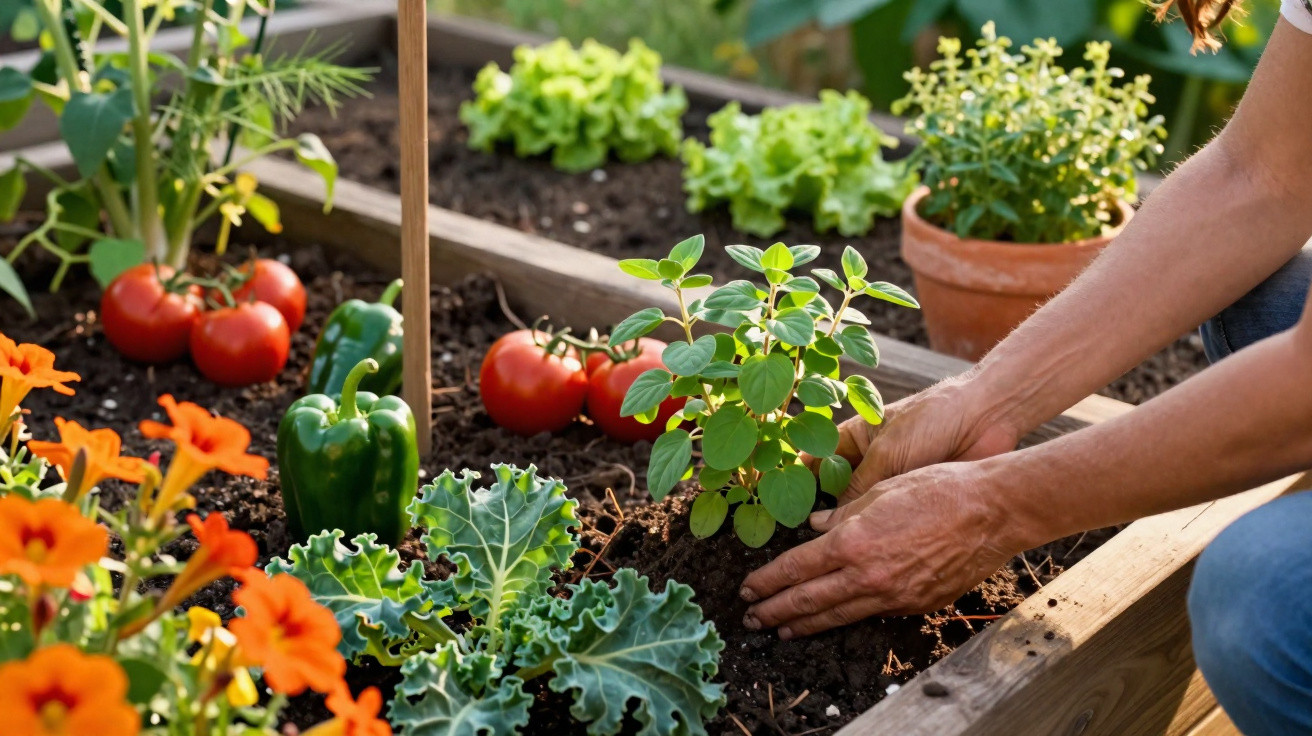
Many home gardeners underestimate oregano. Yet this Mediterranean herb acts like a quiet security service in the vegetable bed: it keeps pests at bay, supports neighbouring plants and creates order at ground level. Knowing which plants benefit from it – and which do not – helps you get far more from every square metre of garden.
Why Oregano Is a Hidden Star in the Vegetable Garden
Oregano thrives in sunshine and free-draining soil. It copes well with dry conditions and gradually forms dense cushions. These very traits make it so useful in a companion-planting system.
Oregano releases essential oils that confuse many pest insects, attract beneficial insects and cover the soil as living “mulch”.
Its aromatic leaves create a natural scented barrier. Many insects then struggle to locate their host plants. At the same time, soil surfaces retain moisture for longer and weeds have fewer opportunities to establish themselves.
The Best Vegetable Partners for Oregano
Tomatoes and Oregano: a Classic Pairing with a Protective Role
Tomatoes and oregano are not only an excellent match on the plate; they also work well together in the garden. The herb’s strong fragrance masks the tomato scents that would otherwise attract pests.
- Fewer tomato hornworms and aphids
- Light soil protection around the root zone
- Tomatoes provide some shade during summer heat
Plant oregano around 30 to 45 cm from the tomato stem. This gives it room to spread without crowding the tomatoes’ main roots.
The Perfect Duo: Peppers, Chillies and Oregano
Sweet peppers, hot peppers and chillies also benefit greatly. They require plenty of sun and warmth, while low-growing oregano does not block their light.
The benefits at a glance:
- More pollinators, including bees and butterflies, thanks to oregano’s small flowers
- Fewer spider mites and aphids on pepper plants
- More pleasant humidity around plants due to ground cover
A spacing of roughly 25 to 35 cm is usually entirely sufficient.
Brassicas: Oregano as a Shield Against Caterpillars
Vegetables in the brassica family – such as white cabbage, broccoli, cauliflower and Brussels sprouts – often suffer from cabbage white caterpillars. Oregano’s intense scent disrupts the butterflies’ ability to find their way.
Oregano planted between cabbage rows works like a line of “jammers”, confusing pests and reducing egg-laying.
Oregano also attracts tiny parasitic wasps, which feed on the eggs and larvae of cabbage pests. This provides biological pest control directly in the vegetable bed.
Cucumbers and Cucurbits: Fewer Beetles, More Flavour
Cucumbers, courgettes and pumpkins often face problems with beetles and leaf diseases. Oregano can provide targeted support here, especially around the edge of a bed.
Positioning it 40 to 60 cm from the trailing stems creates a scented belt that confuses beetles. Many gardeners also swear that cucumbers and courgettes develop more flavour when pungent herbs grow nearby.
| Vegetable partner | Main benefit of oregano | Recommended spacing |
|---|---|---|
| Tomatoes | Protects against caterpillars and aphids | 30–45 cm from the stem |
| Peppers / chillies | Attracts pollinators, deters mites | 25–35 cm |
| Cucumbers | Fewer beetles, improved flavour | 45–60 cm |
| Courgettes / pumpkins | Disrupts pests’ orientation | 60–75 cm from trailing stems |
Herbs and Flowers That Complement Oregano Perfectly
Basil and Oregano: Kitchen Favourites as a Pair
In the kitchen, oregano and basil often belong in the same dish. In the vegetable bed, however, their differing water requirements need to be considered.
- Basil prefers fresh, consistently moist soil
- Oregano tolerates dry spells much better
When growing them together, place basil closer to the water source or in slightly damper spots. Put oregano on a raised position or at the edge. This allows both herbs to be harvested conveniently without overwatering either one.
Thyme and Oregano: a Mediterranean Double Defence
Thyme and oregano enjoy almost identical conditions: plenty of sun, lean soil and little fertiliser. Together, they form a dense, fragrant herb carpet.
The combination of thyme and oregano scents acts like a confusing cocktail of smells for many pests – making it much harder for them to find their bearings.
Visually, the pairing adds structure: delicate thyme leaves beside the larger leaves of oregano, making it ideal for herb spirals and dry-stone walls.
Calendulas and Oregano: Protection Above and Below Ground
Calendulas are classic companion plants in vegetable beds. Their roots release substances that slow down soil-dwelling pests. Their flowers attract beneficial insects such as hoverflies.
When oregano is grown alongside calendulas, it creates a double line of defence:
- At soil level: fewer nematodes and other pests around the roots
- Above ground: more beneficial insects and a disruptive scented carpet for aphids and similar pests
Nasturtiums as a “Sacrificial Plant” Beside Oregano
Nasturtiums work particularly well as trap plants. Many aphids prefer them to other crops and gather on their leaves.
Oregano planted nearby, in turn, attracts ladybirds and other beneficial insects that feed on the aphid colonies. Rather than reaching for a spray, it is often enough to remove heavily infested nasturtium shoots regularly.
Which Plants Should Be Kept Away from Oregano
Fennel: Competition at a Chemical Level
Fennel releases substances into the soil that can inhibit the growth of neighbouring plants. Oregano is one of the plants affected.
When oregano and fennel are planted too close together, the herb grows more weakly and develops less flavour.
Leave at least a little over one metre between the two crops. Ideally, grow fennel in its own bed or container.
Lettuces and Other Moisture Lovers
Leaf lettuces, rocket and similar crops need even moisture. Combining them with oregano can quickly create a conflict: either the oregano stays too wet or the lettuce becomes too dry.
A better approach is to grow lettuces in a well-watered bed and oregano in an area that needs less watering. This keeps the lettuce crisp while preventing oregano from developing root rot.
How to Use Oregano Properly
Position, Soil and Care
Oregano prefers:
- full sun
- free-draining, relatively lean soil
- moderate watering without waterlogging
In heavy clay soil, it is worth improving drainage with sand and compost so that water can run off more freely. Fertilisers high in nitrogen are unsuitable, as they encourage lots of leafy growth but little flavour.
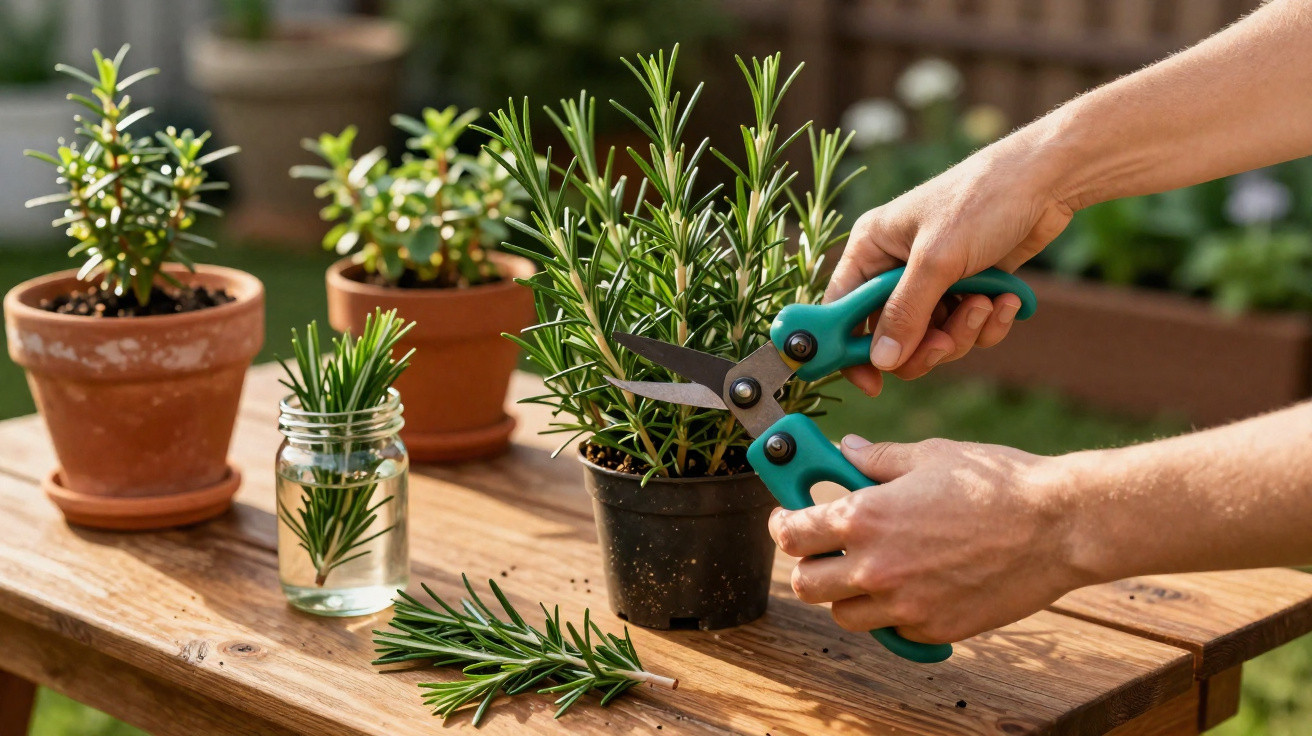
Regular trimming keeps the plant compact. Harvesting frequently also prevents oregano from flowering too early and losing the intensity of its leaves.
Smart Placement: Oregano as a Vegetable-Bed Architect
Strategic positioning lets you use this herb twice over: in the kitchen and as a protective plant.
- Along bed edges beside paths – every touch releases fragrance
- In raised-bed corners as a permanent “anchor plant”
- Beneath fruit trees to suppress weeds and attract insects
- In rock gardens, where dry conditions and good drainage prevail
- Near the compost heap to mask odours and reduce flies
More Benefits from Companion Planting with Oregano
Planning beds around water needs, light requirements and scent combinations brings long-term benefits. Oregano fits brilliantly into Mediterranean areas with tomatoes, peppers, thyme and sage. There, it deters many pests and stabilises the soil microclimate.
It also provides a dependable culinary seasoning: pizza, pasta, roasted vegetables and salad dressings – the journey from the bed edge to the frying pan could hardly be shorter. By distributing several plants around the garden, you create small protective islands in many places, making the entire system more resilient.
Its long-term effect is equally interesting: oregano is perennial and becomes stronger from one season to the next. With every gardening season, not only does its flavour potential increase, but so does its role as a natural protective plant throughout the garden.



Comments
No comments yet. Be the first to comment!
Leave a Comment