
Before adjusting the microwave power in an effort to heat food faster, it is worth considering a factor many people overlook: the condition of the appliance’s interior. Built-up dirt, grease splashes and food debris can directly affect how heat is distributed, leaving some areas of a dish cold while overheating others. In practice, this matters more than simply increasing the power.
Why does cleaning the inside affect heating results?
Once you understand how a microwave works, it becomes clearer why regular cleaning has such a significant effect on heating. Microwaves travel around the cavity and reflect off its walls, while any build-up of residue can create small heat “shadows” that disrupt this movement.
Even a seemingly powerful microwave can heat unevenly if the turntable is obstructed by dirt, dried residue is stuck to the sides or the interior is greasy. In these circumstances, the energy is not spread evenly, so food emerges with hot and cold spots, creating the impression that the appliance has “lost power”.
How should you clean a microwave to make better use of its power?
Cleaning the interior does not require harsh products or complicated methods. Careful, frequent cleaning is generally enough to preserve heating efficiency. Whenever possible, remove fresh spills before they dry and become difficult-to-remove crusts; this also helps prevent lingering odours.
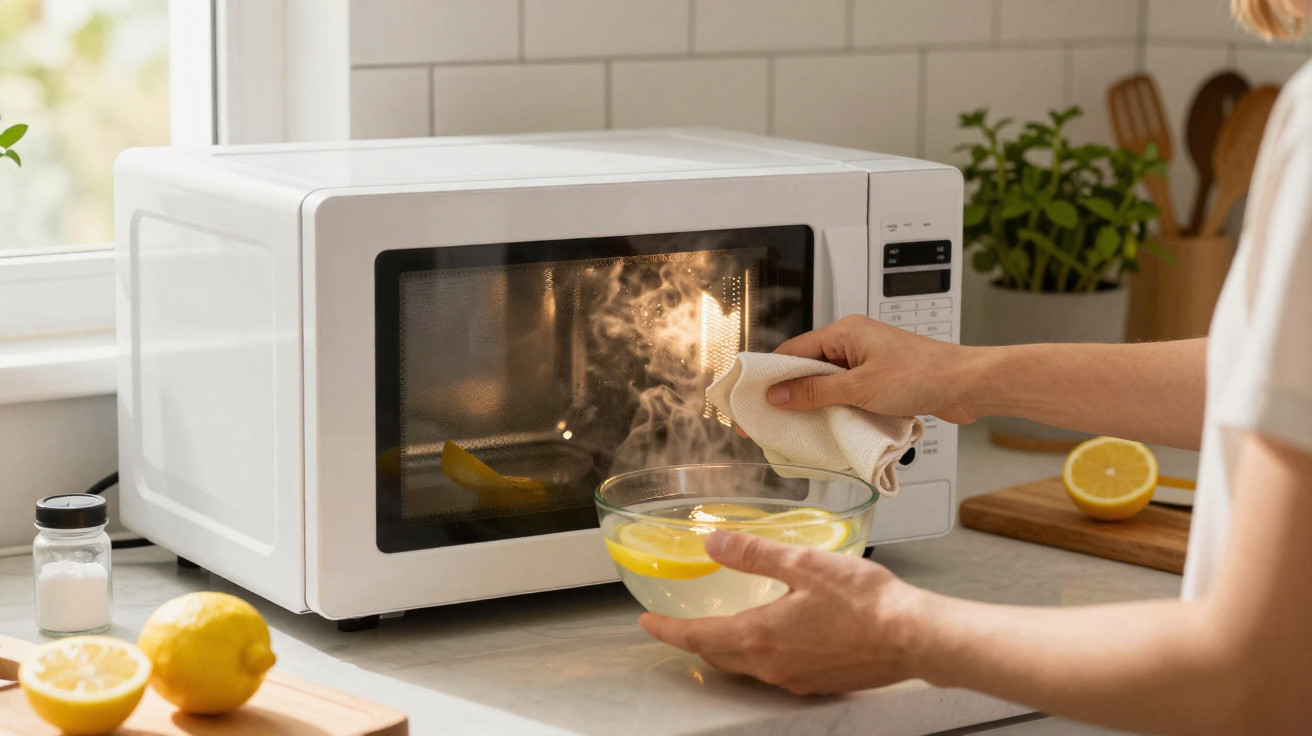
One straightforward method is to place a bowl of water with lemon slices or a little vinegar inside, then heat it at medium power for a few minutes to create steam and loosen splashes. After doing this, follow a quick maintenance routine:
- Unplug the appliance before starting any cleaning.
- Remove the turntable and support ring, and wash them separately.
- Use a soft cloth or non-abrasive sponge to avoid scratching the surfaces.
- Do not spray water directly inside or leave excessive moisture in the cavity.
- Dry every area thoroughly before plugging the appliance back in.
How can stubborn stains be removed without affecting heating?
Old stains, particularly those caused by greasy sauces, can form hard layers that affect how heat circulates and may even carbonise with repeated use. When the microwave interior reaches this state, heating is likely to become uneven even when the correct time and power settings are used, making the appliance appear less efficient than it really is.
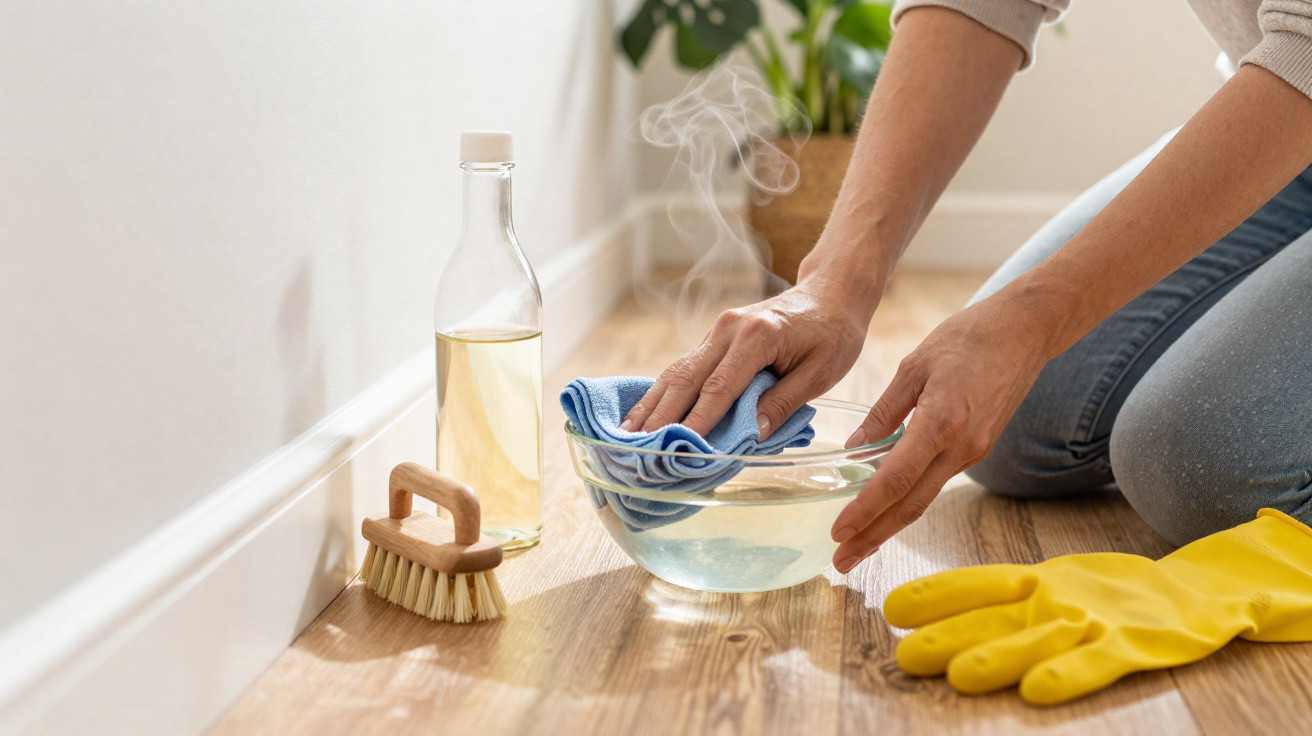
In these cases, a slightly more thorough approach is needed to loosen the residue, while always avoiding wire wool or sharp objects. Steam, warm water and mild washing-up liquid will usually deal with most baked-on deposits without damaging the oven’s internal coating.
How can you prepare a microwave for a more efficient daily routine?
Many people consider replacing their microwave when they notice uneven heating, yet simple changes to cleaning and everyday use will usually solve the issue. Treat this as a “fresh start” for your habits: inspect the turntable, clean the door edges, check the seal and arrange the interior so that containers do not sit at an angle.
If the turntable does not rotate properly, one side of the food remains exposed to the microwaves for longer, while the other receives less energy. By keeping the inside clean, fitting the turntable correctly and placing containers centrally, the microwave power can be used more sensibly, delivering more even heating, more predictable cooking times and a more practical, reliable kitchen routine.



Comments
No comments yet. Be the first to comment!
Leave a Comment