
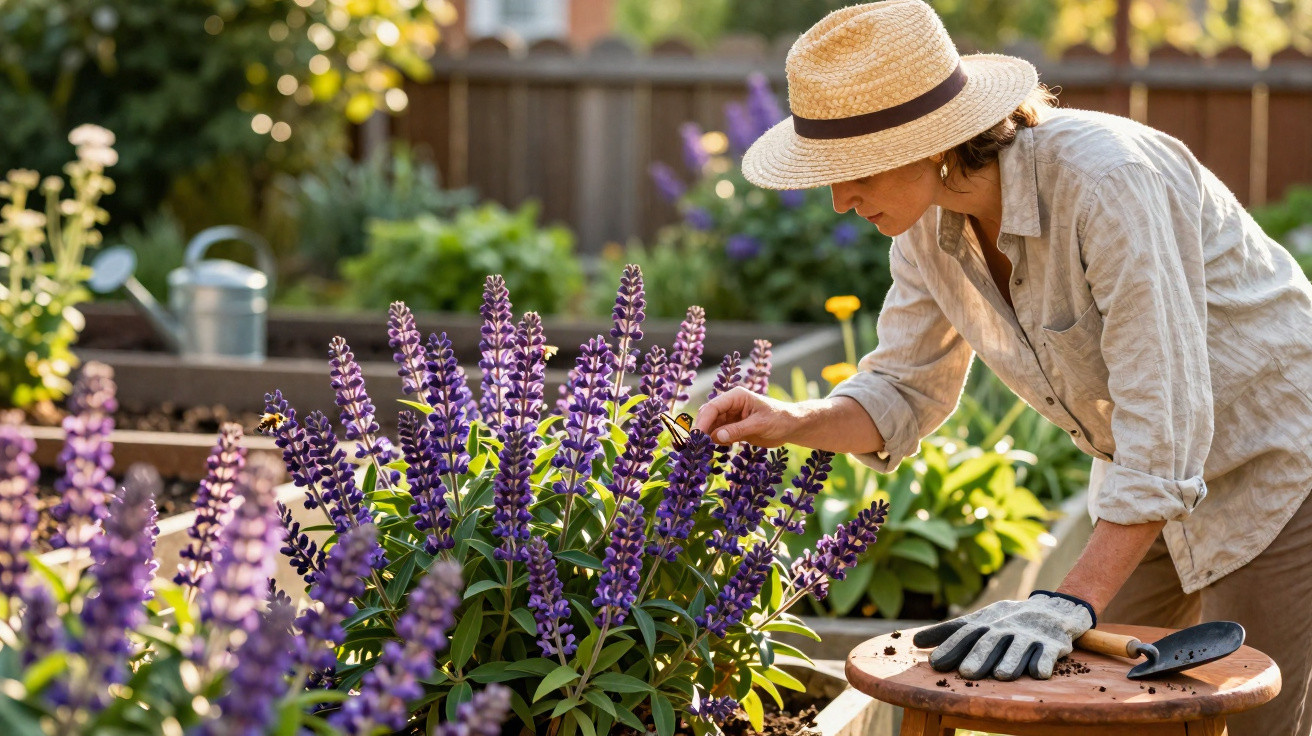
Some flowers combine visual appeal, a powerful fragrance and benefits for biodiversity. One of them is heliotrope (Heliotropium arborescens), an ornamental plant recognised for its sweet scent, often likened to vanilla or desserts, and for its ability to draw bees, butterflies and other pollinating insects into the garden.
Why does heliotrope attract so many pollinators?
The distinctive fragrance of heliotrope does more than delight people walking through the garden. Its scent and nectar production act as natural attractants for a range of pollinators, which play an important part in plant reproduction and the preservation of biodiversity.
As well as its pleasant perfume, the plant produces small clusters of purple, lilac, blue or white flowers throughout much of spring and summer. This long flowering period keeps it appealing both as an ornamental choice and for anyone hoping to create a livelier, more active garden.
How should heliotrope be grown for abundant flowering?
Growing heliotrope is generally straightforward when it is given suitable conditions. It favours a bright position with several hours of sunshine each day, although it can also grow in partial shade, particularly in areas with very hot climates.
Fertile, organic matter-rich soil with effective drainage supports healthy growth and can help extend the flowering season.
- Plant it in fertile, well-drained soil.
- Water whenever the growing medium starts to dry out.
- Grow it in a spot with plenty of light.
- Feed it regularly during the growing season.
- Remove faded flowers to encourage further blooms.
What care keeps heliotrope looking attractive for longer?
Although it is regarded as a low-maintenance plant, a few measures make a difference in keeping heliotrope healthy. Overwatering can cause root rot, while extended periods without water may reduce the number of flowers.
It is also advisable to check the plant regularly for dry leaves or signs of pests, carrying out maintenance whenever required.
- Do not allow the soil to become waterlogged.
- Remove dry leaves and spent flowers.
- Protect the plant from severe frosts.
- Prune lightly after flowering.
- Watch for pests throughout the season.
Is it worth planting heliotrope in the garden?
For those wanting a more fragrant, life-filled garden, heliotrope can be an excellent choice. Its combination of delicate flowers, sweet aroma and ability to attract pollinators makes this species an appealing option for flower beds, containers and borders.
If you are looking for an ornamental plant that offers more than decoration, heliotrope deserves a place in the garden. With a few basic care measures, it can provide a long flowering display, naturally scent the surroundings and help attract important pollinators throughout the season.
Comments
No comments yet. Be the first to comment!
Leave a Comment