
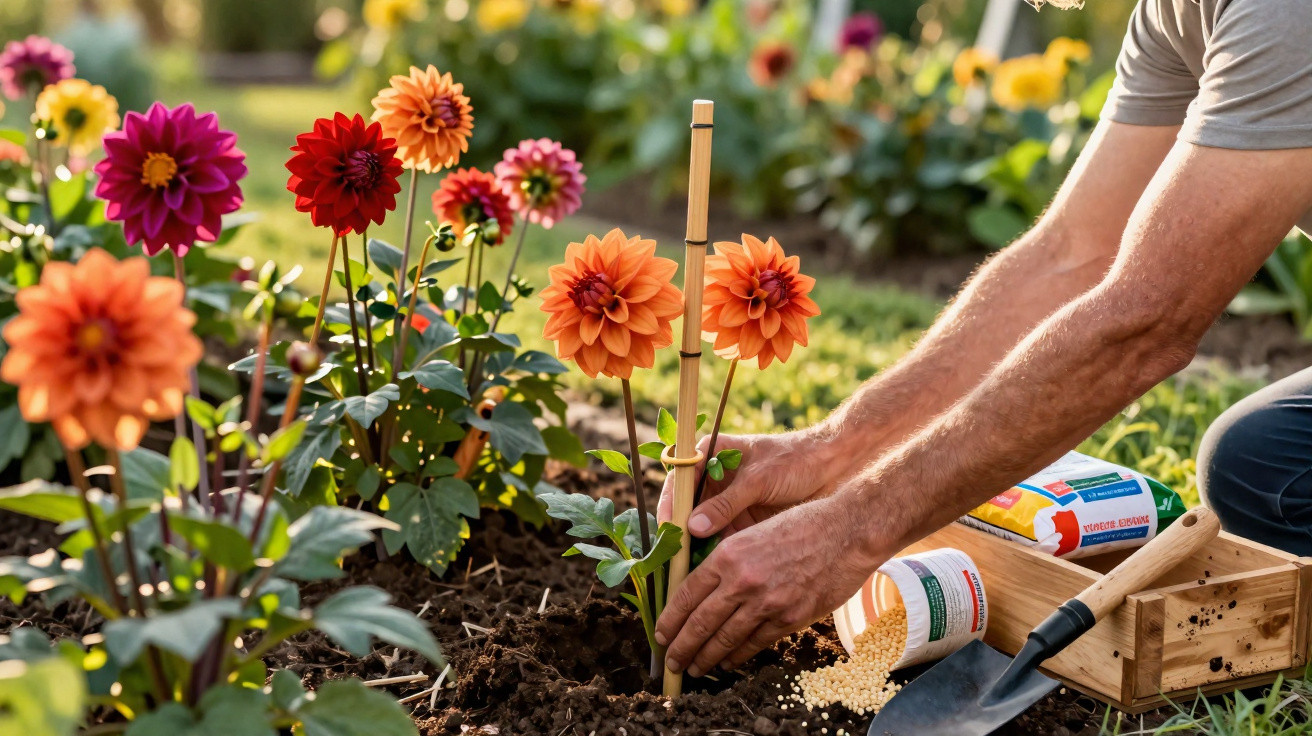
The dahlia is an outstanding choice for bringing colour to sunny flower beds, thanks to its ability to bloom profusely. This luxuriant Mexican flower brightens gardens and proves hardy by growing again after the essential annual period of vegetative dormancy, which restores its energy.
How did the dahlia become such a popular ornamental plant?
Native to Mexico, this captivating species was already highly prized by ancient American civilisations, including the Aztecs. At first, its tuberous roots were used for food and in traditional medicine, demonstrating a purpose far beyond its unquestionable present-day ornamental beauty.
After the Spanish introduced it to Europe, the plant was further developed by French and Dutch growers. These countries created thousands of modern varieties with lavish forms that delight gardening enthusiasts, transforming spaces with vivid colours and considerable impact.
How can this hardy Mexican flower be grown successfully on balconies?
Growing it in small elevated spaces requires a particular method to prevent premature root rot and ensure… Read more
What are the basic light and soil requirements for dahlias?
To grow strongly, the dahlia needs at least four to five hours of direct light each day. Without enough sunlight, its stems are likely to become weak and the plant may eventually die because it lacks the necessary energy.
The best soil should be loose and uncompacted, allowing both deep rooting and effective water drainage. Adding coarse sand and organic matter to the soil is advisable, as this prevents excess moisture from building up and rotting the delicate tuberous roots.
Below is a video from the Spagnhol Plantas YouTube channel that explores the points covered in this subject in greater depth:
How should dahlias be fertilised to encourage flowering?
Regular feeding is vital for promoting plentiful blooms in modern hybrid varieties. Applying fertilisers formulated for flowers each month ensures the dahlia can fully display its remarkable ornamental potential in the chosen flower bed.
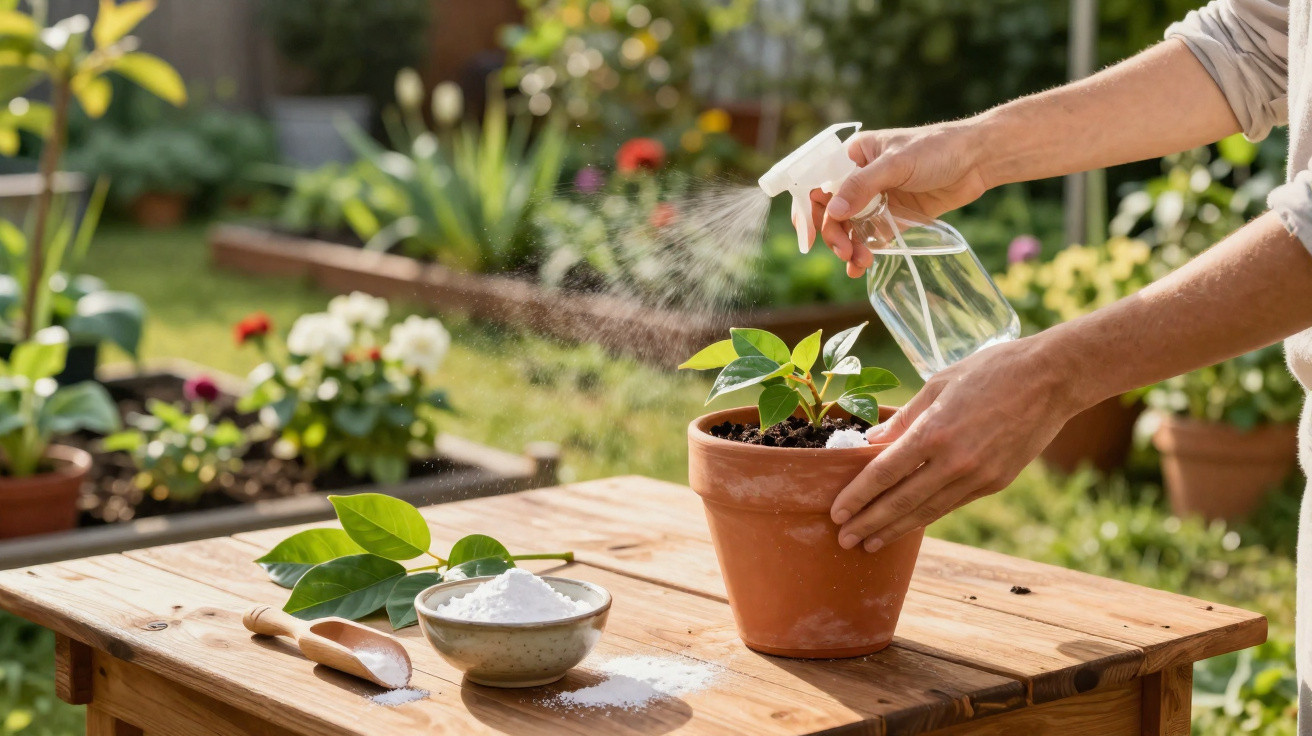
Alongside chemical fertilisers, a valuable traditional practice is the measured use of pure wood ash. This household residue is particularly rich in potassium, an essential element that improves the plant’s physical resilience and contributes directly to the proper formation of future structures.
Planting components
Nutrition and protection
Essential materials for preparing the soil before placing the tuberous root include:
- 1 Commercial fertiliser containing twelve macro- and micronutrients for healthy floral development;
- 2 Wood ash from a wood-burning stove or fireplace to provide potassium;
- 3 A protective layer of dry leaves or grass to form an effective thermal barrier.
How should dahlias be planted and staked correctly?
When placing the tuberous root in the soil, make sure its structures face downwards at a moderate depth. For taller growing varieties, it is essential to secure a sturdy supporting stake or bamboo cane alongside it at the very time of planting.
This mechanical support prevents the long stems from breaking easily in strong winds outdoors. Once the stake has been fixed correctly, water generously for the first time and spread a substantial protective layer of plant material across the entire surface of the soil.
To ensure the plants are grown properly in your garden, follow these crucial steps:
- Always position the roots facing downwards in the planting hole;
- Tie the main stems to robust stakes to prevent breakage;
- Cover the soil with dry plant matter to retain ideal moisture.
What should be done during the vegetative dormancy period?
When the foliage turns yellow, avoid disturbing the plant, as it is moving important nutrient reserves downwards. Only once the above-ground growth has dried completely should the tubers be carefully lifted from the soil for proper cleaning and storage.
Store the cleaned roots in boxes filled with sawdust or shredded paper, kept somewhere cool and shaded. Dusting them with wood ash or ground cinnamon provides an excellent natural barrier against harmful fungi throughout this long period of rest.

Comments
No comments yet. Be the first to comment!
Leave a Comment