
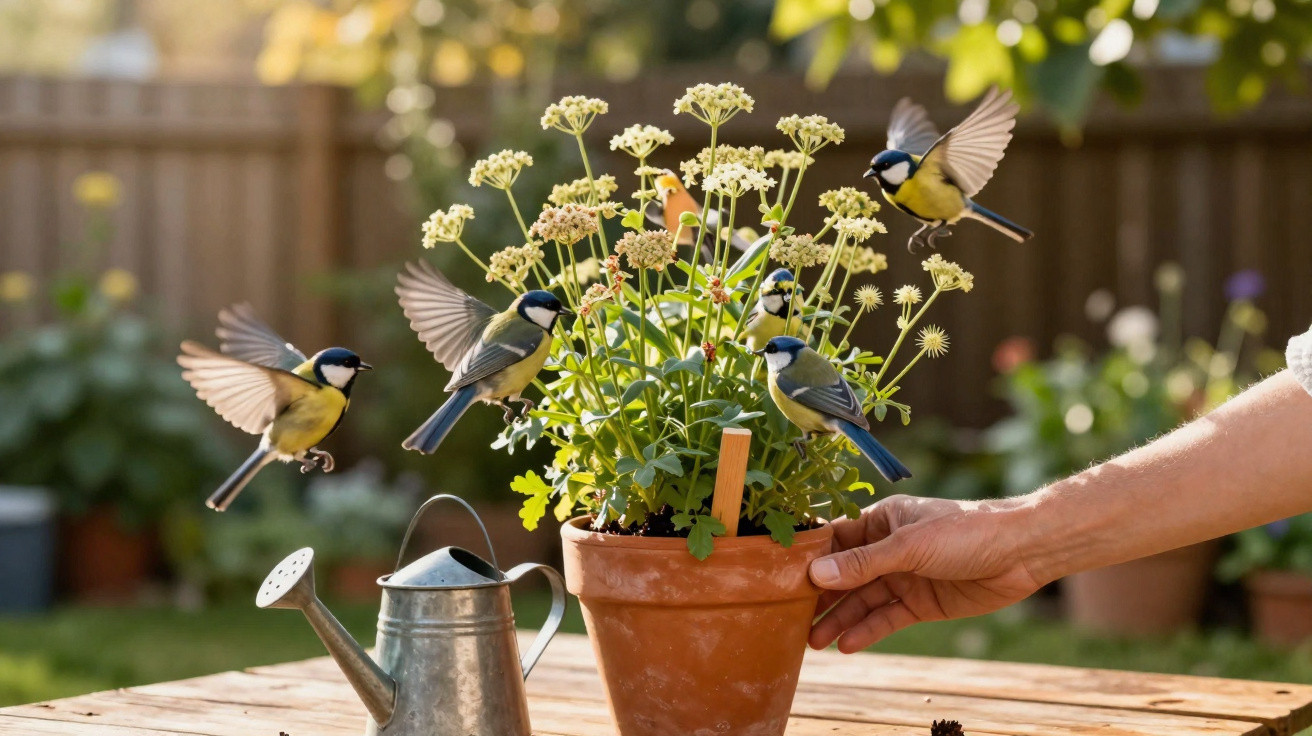
Anyone who loves tits and other garden birds will usually put out feeders in winter. Few people consider planting a natural winter buffet in spring for the next cold season. Yet this is an overlooked opportunity: one hardy, almost old-fashioned flowering perennial reliably provides tits, finches and other small songbirds with energy while also making the garden more attractive.
Why a natural bird buffet should be planned in spring
In the depths of winter, every bird feeder is quickly emptied. Refilling it, cleaning it and maintaining good hygiene all take time. Some of this work can be shifted into the garden soil by planting perennial flowering plants in spring and leaving their seed heads standing throughout winter.
March to April is the ideal planting window. By then, the soil has generally warmed a little while retaining enough moisture. Young perennials can establish a deep root system before the first summer heat arrives. Those who plant only in late spring will need to water considerably more during hot weather and risk plants entering winter in a weakened condition.
"A single spring planting creates a natural feeding place that lasts through the entire winter without daily attention."
For garden birds such as tits, goldfinches and greenfinches, a perennial planting area is more than simply a food source. The upright stems provide perches, some protection from predators and a structure the birds are particularly likely to visit in a bare winter garden.
The hidden star: purple coneflower as a bird magnet
The plant in question is known botanically as Echinacea purpurea, or purple coneflower. It has long been a classic choice for perennial borders, but is still surprisingly rarely used deliberately to support birds.
Its flower structure is the key. At the centre is a firm, slightly prickly cone. Once flowering has finished, this cone develops into a dense head packed with small dry fruits known as achenes. Each tiny fruit contains an oil-rich seed, precisely the high-energy food that songbirds need in winter.
Purple coneflower offers tits and other small species several benefits:
- Pure energy: Its oil-rich seeds provide fat and protein, making them ideal for cold nights.
- A secure perch: The sturdy stems easily support birds weighing around 20 grams.
- Food at a convenient height: Birds feed above ground, away from mice and rats.
- A long feeding period: The dry seed heads often remain useful until early spring.
Purple coneflower belongs to the daisy family, is fully hardy at temperatures well below -20°C and can remain in the same spot for more than a decade. In effect, every faded flower becomes a small feeder. Garden owners benefit in two ways: robust flowering perennials in summer and a lively gathering place for birds in winter.
How to plant purple coneflower correctly
Anyone wishing to use this perennial mainly as a natural food source for garden birds should pay attention to a few points concerning timing and location.
The best time to plant
Planting from around mid-March to the end of April is most favourable, once severe frosts are unlikely. At this point, the soil is usually moist but no longer icy cold. Plants establish quickly and often flower in their first summer, laying the foundation for the first seed heads the following winter.
Choosing the right place in the garden
Purple coneflower thrives in sunshine. A site receiving at least six hours of sun per day is ideal. The brighter the position, the sturdier the stems will be and the more abundant the flowering.
A location that is easy to see from the house, patio or a window is particularly useful. This lets you watch the busy activity around the seed heads comfortably later on, without having to stand outside in the cold.
Spacing and soil preparation
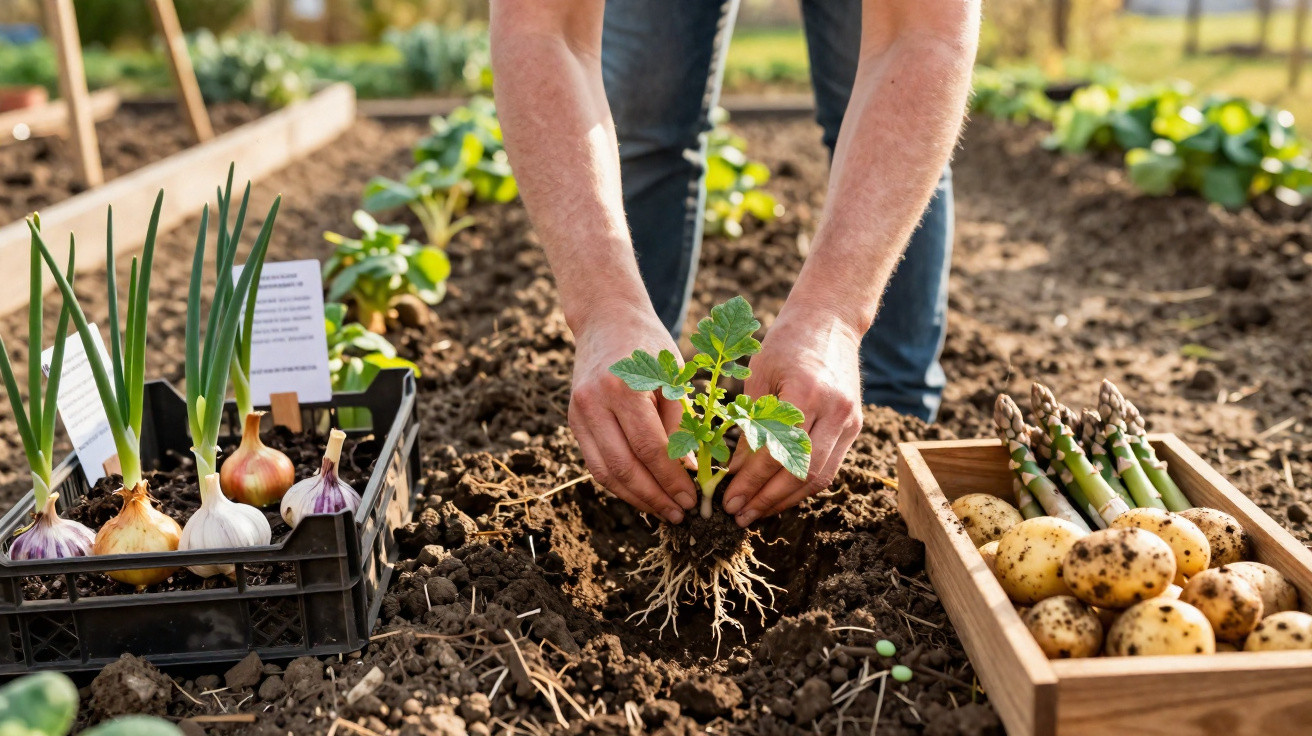
This perennial copes with many soil types provided there is no waterlogging. In heavy clay soil, a little soil improvement is helpful:
- loosen the soil to a depth of around 20 centimetres
- work in some sand and coarse grit where the soil is very compacted
- plant at the same depth as the plant was growing in its pot
- water thoroughly after planting
Leave roughly 40 to 50 centimetres between plants. To create a striking group for birds, plant up to five perennials per square metre. This produces a dense clump with numerous seed heads in a small area during winter.
Turning a perennial border into a lasting feeding place
The most important measure for bird conservation is not to cut back faded flower heads in autumn. These dried heads are exactly what makes the plant so valuable, as they hold the seeds that birds pick out in winter.
"By leaving the pruning shears unused in autumn, you give tits and other birds a free self-service restaurant for the cold season."
The dry seed heads are remarkably durable. They withstand rain, snow and wind much better than many gardeners expect. Although the seeds are visibly exposed, they are stored above ground and are therefore difficult for mice and rats to reach. Birds benefit from the height and can feed undisturbed.
Fresh water is still worthwhile. A shallow saucer or a small bird bath near the perennials is helpful, especially during frosty spells or in summer. Food and water together make the site even more appealing.
Bird feeders remain useful – but have limitations
Despite all the advantages of a natural buffet, there is no need to give up conventional feeding stations. They are a valuable addition, especially during very severe winters or in densely built-up neighbourhoods with little planting.
However, bird feeders also bring certain problems:
- Leftover food can turn rancid.
- Too many birds gathering at one point can encourage disease.
- Fallen seeds attract rodents.
Conservation organisations increasingly recommend creating structurally diverse gardens with native perennials, shrubs and wildflowers. A lush area of purple coneflower fits this approach exactly: little effort, but a lasting effect.
Which birds benefit most – and what gardeners gain
Typical visitors to purple coneflower seed heads include great tits, blue tits, crested tits, goldfinches, greenfinches and sometimes sparrows. In more rural areas, lucky observers may even spot rarer finch species.
Garden owners gain more than the satisfaction of helping wildlife. Regular visits from tits, for example, reduce caterpillars and other insects in spring and summer. Birds feed their young mainly on animal food, which indirectly benefits many fruit and vegetable plants.
To increase the effect, purple coneflower can be combined with other bird- and insect-friendly perennials. Suitable choices include:
- perennial sunflowers
- stonecrops and biting stonecrop
- wild mallows
- various ornamental thistles
Many of these plants provide plentiful nectar for pollinators in summer, followed by seeds for birds in autumn and winter. The result is a garden that remains lively for almost the entire year.
What beginners should know: care, risks and useful tips
Purple coneflower is considered comparatively easy to care for. Once established during its first year, natural rainfall is usually enough in average summers. Additional watering is only useful during prolonged dry periods. Cutting back in spring, once the seed heads have been eaten empty and the stems have collapsed, is sufficient.
One potential risk remains: in exceptionally wet winters, the plant can rot in heavy soil. Anyone with clay soil should therefore create a slightly raised planting area or consistently incorporate grit and sand. This allows water to drain away and helps the perennial remain long-lived.
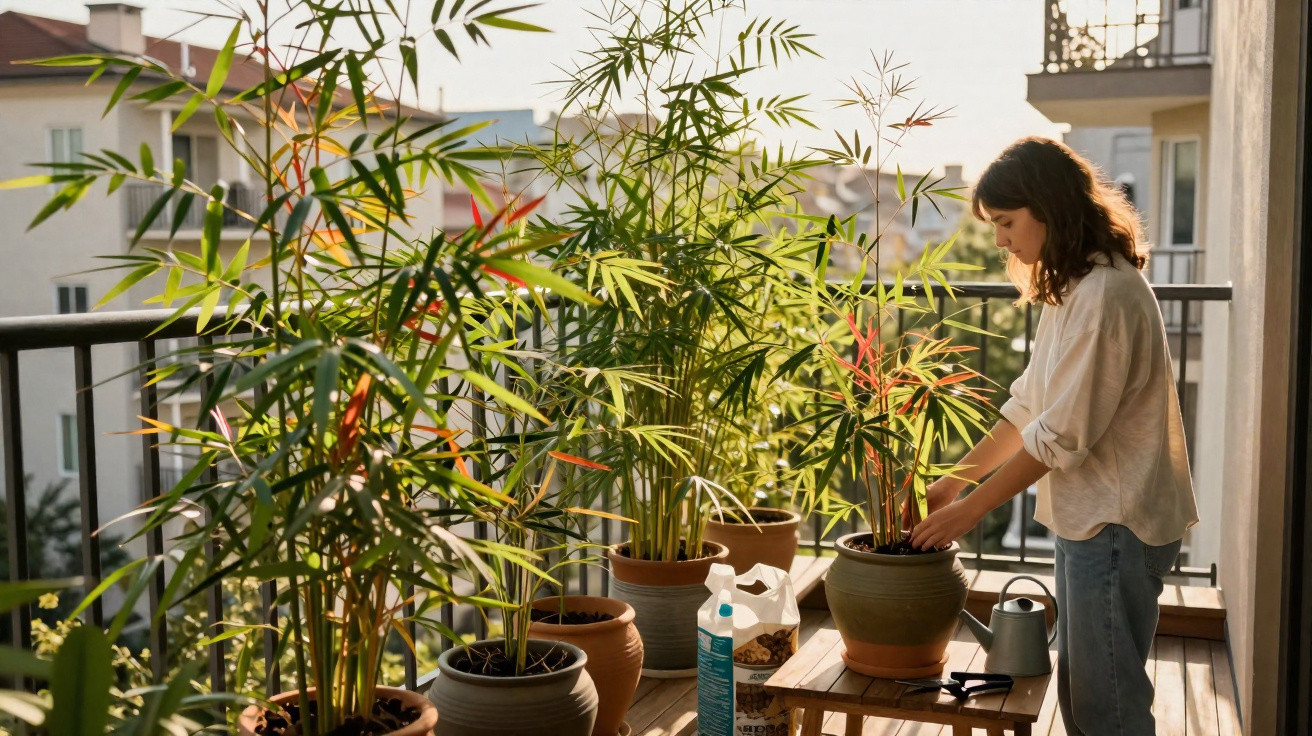
The plant is also suitable for small gardens and balconies. It grows well in a sufficiently large container filled with free-draining compost. A drainage hole is essential to prevent waterlogging. Leaving the seed heads in place is worthwhile here too, as birds often find the pot surprisingly quickly.
Many gardeners also use purple coneflower as a medicinal plant. Its roots and herb are used in herbal medicine, including to support the immune system. However, anyone intending to use the perennial both as a medicinal plant and as a food source for birds should avoid cutting all the flowers for personal use, leaving enough heads for feathered visitors.
Comments
No comments yet. Be the first to comment!
Leave a Comment