
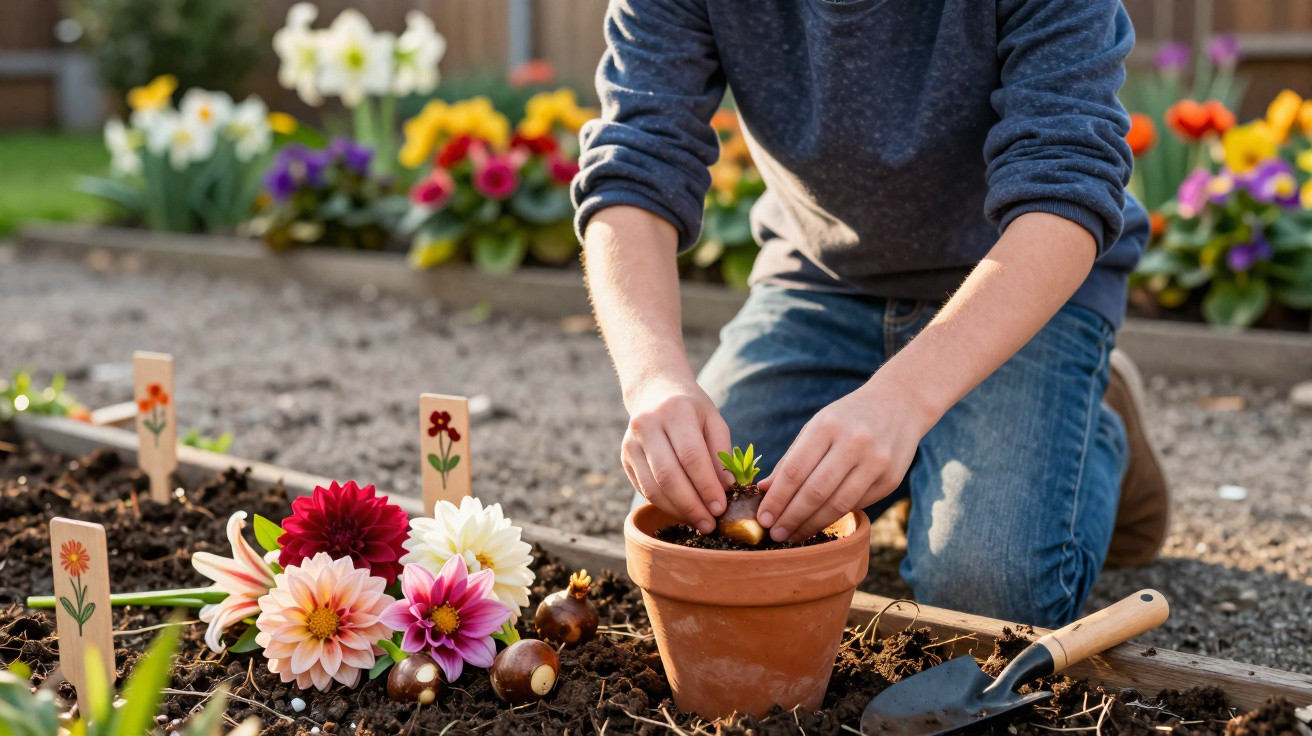
After winter, everything can look grey and bare – yet a few unassuming tubers can transform your garden completely by midsummer.
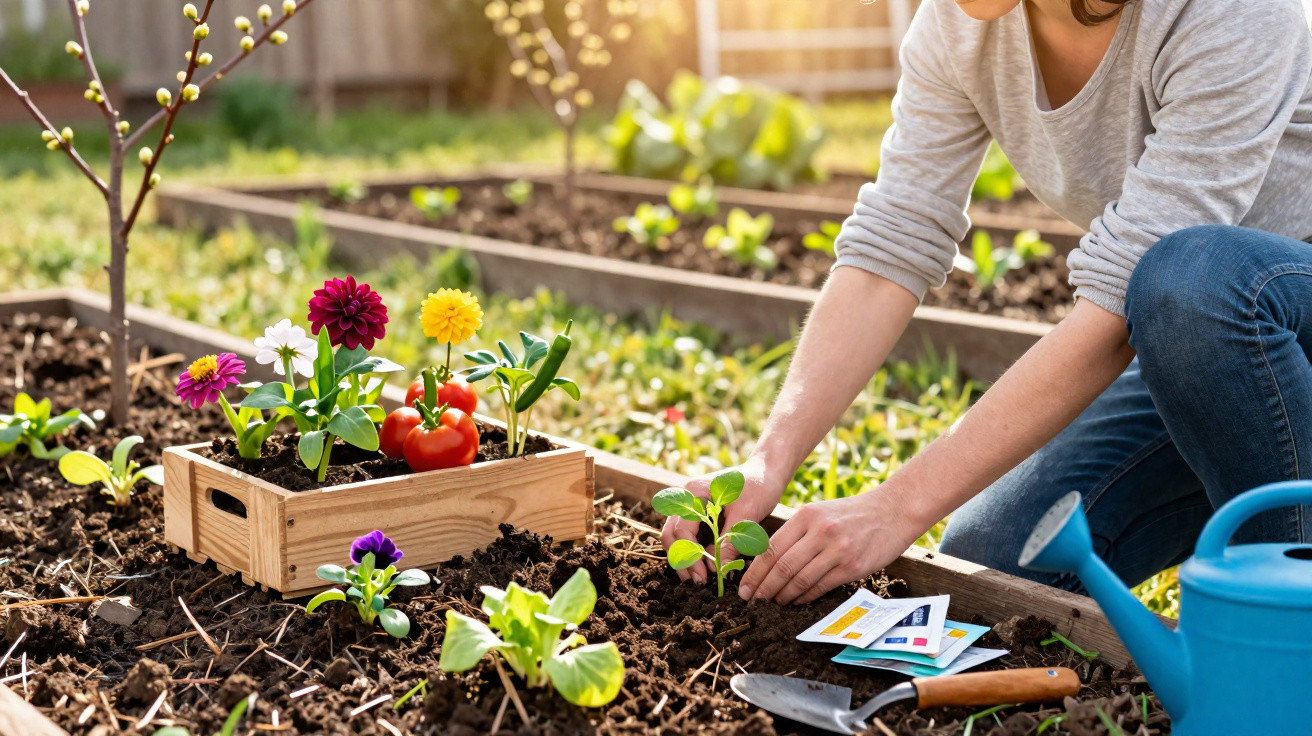
Many window boxes and beds appear bleak in spring, even though this is precisely the best time to plan for summer. By planting bulbs strategically between February and the end of May, you can enjoy an explosion of colour, fragrance and huge flowers only a few months later – whether you have the smallest balcony or a terraced-house garden.
Why planting summer bulbs now saves your summer
Bulbous plants are compact stores of energy. Their tubers, rhizomes or rootstocks already contain everything needed to produce leaves and flowers. All they require is warmth, light and a reasonably suitable spot. Once planted, they often flower reliably for several years in succession.
“Anyone who plants between February and May secures abundant flowers in the same summer – without a long wait.”
The major benefit is that many of these summer-flowering plants are perennials. Some can remain in the ground, while others should be lifted in autumn, stored somewhere dry and replanted the following spring. This turns a one-off purchase into a lasting investment in flowers.
How to plant correctly: simple rules for full pots and beds
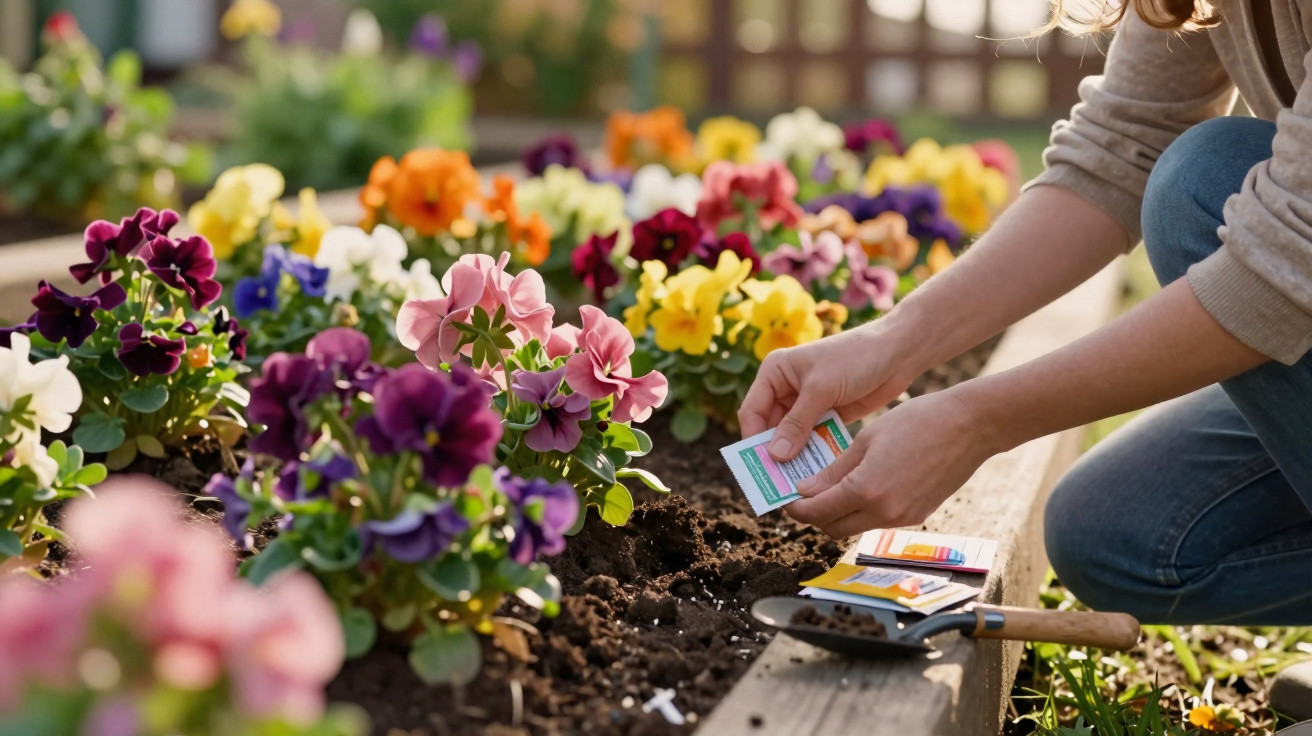
Whether you are planting a tuber, bulb or rhizome, the method is much the same for amateur gardeners: choose the site, prepare the soil, plant to the right depth, water in and you are done. Well-drained soil that does not become waterlogged in winter is essential. Standing water causes bulbs to rot.
- Planting time: roughly February to the end of May, depending on your region and frost risk
- Soil: loose and fairly humus-rich, never permanently wet
- Planting depth: a useful rule of thumb is two to three times the tuber’s height
- Direction: point facing upwards, flatter side facing downwards
- After planting: firm the soil and water thoroughly
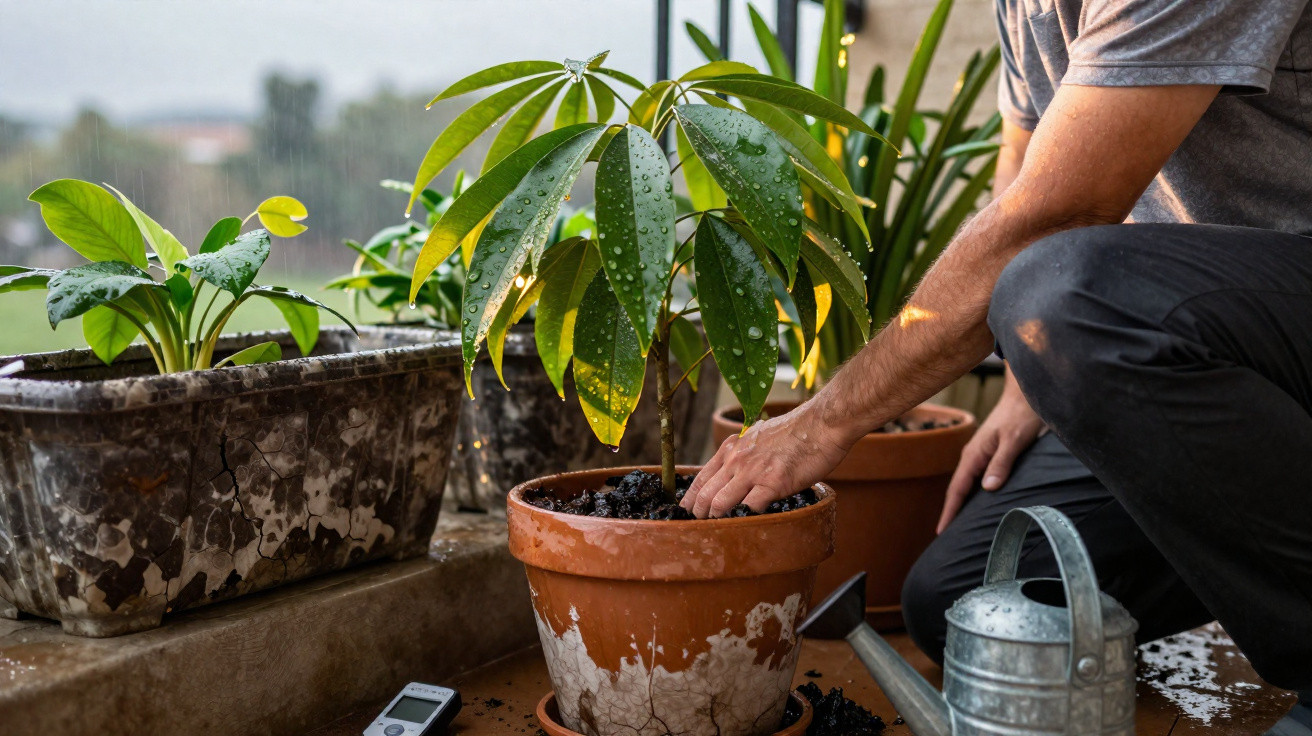
For containers, add a layer of expanded clay, gravel or broken terracotta to the base. This prevents waterlogged roots and supports healthy growth. Tall varieties such as dahlias and gladioli benefit from a supporting cane, particularly on exposed, windy balconies.
The 10 most important summer bulbs for a completely new look
1. Amaryllis for exotic giant blooms
Amaryllis (Hippeastrum) is usually known as a winter houseplant. In a container on a patio or balcony, however, it produces the same huge trumpet-shaped flowers in summer – only outdoors. It thrives in sunshine and free-draining soil. Allow the foliage to die back after flowering, then overwinter the bulb somewhere cool and dry.
2. Anemones as a delicate cloud of flowers
Anemones create light, almost floating blooms above fine foliage. In beds, they work well as underplanting or as a loose carpet. They prefer positions ranging from partial shade to sun, along with humus-rich soil. In containers, they look especially attractive when planted in groups.
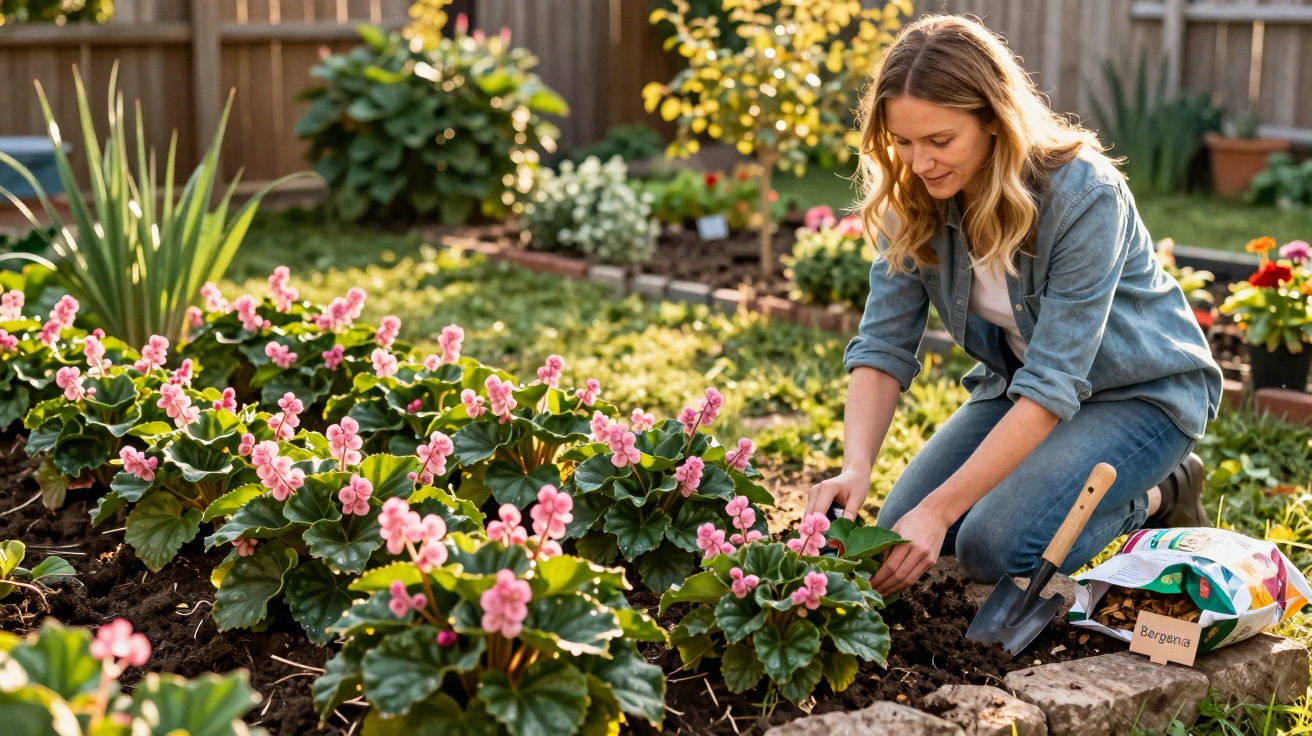
3. Tuberous begonias for shady corners
Tuberous begonias are the answer for dark balconies and north-facing aspects. They flower continuously even without direct sun. Their fleshy tubers must not sit in wet soil, but they do need regular watering and a little liquid feed. Lift the tubers from the soil in autumn, dry them thoroughly and store them frost-free.
4. Caladiums as foliage stars
Caladiums are prized not primarily for their flowers, but for their spectacular leaves. White, pink, red or multicoloured, these plants bring a tropical feel to a shady bed or partially shaded balcony. Their tubers need warmth and are happiest in summer temperatures above 20°C. Keep them dry and warm over winter.
5. Cannas for a tropical holiday feel
Cannas look as though they belong beside a hotel pool in the south. They combine large leaves, bold flower spikes and intense colours. They enjoy full sun and require plenty of water and nutrients. In mild areas, the rhizomes can stay in the ground beneath thick winter protection; elsewhere, lift them in autumn and store them frost-free.
6. Crocosmias as glowing torches
Crocosmias produce orange or red flowers on long, arching stems. They are ideal for sunny borders and are best planted in groups of five to ten tubers. With a light covering of leaves, they survive outdoors through winter in many areas. Their delicate form also makes them appealing for naturalistic gardens.
7. Dahlias as late-summer stars
Dahlias are among the most popular summer-flowering plants. Everything is available, from small balls to enormous cactus-like blooms. They need plenty of light, nutrient-rich soil and regular watering. Always lift the tubers in autumn, allow them to dry and store them somewhere cool but frost-free.
8. Gladioli for elegant cut flowers
Gladioli grow into tall, straight stems lined with dense rows of flowers. They are ideal for cutting for a vase. Planting fresh tubers every two weeks provides staggered flowering over many weeks. In colder areas, lift the tubers in autumn; in mild regions, good winter protection is sufficient.
9. Lilies for fragrance and long-lasting flowers
Lilies are among the longest-lived bulbous plants. Once planted correctly, they can stay in the garden for many years. Many varieties release a strong scent in the evening, making them ideal near patios. They prefer deeply loosened soil and a sunny to partially shaded position, while their base should remain rather shaded.
10. Tuberoses for evening fragrance by seating areas
Tuberoses are still something of an insider tip. Their white flowers give off a very strong, sweet scent, particularly in the evening. Plant them in pots near seating areas so that the fragrance does not become overpowering. In autumn, move the tubers to dry, frost-free winter storage.
Which position suits which plant?
The right location determines whether your tubers really get going. Many species love direct sun, while others benefit from shade or partial shade.
| Plant | Suitable position | Can it overwinter in the ground? |
|---|---|---|
| Cannas | Full-sun border or large container | Only in very mild areas with protection |
| Dahlias | Sunny border, south-facing balcony | No, always lift the tubers |
| Tuberous begonias | Partial shade to shade | No |
| Lilies | Sun to partial shade | Usually yes, in good soil |
| Gladioli | Sunny borders or containers | Only in warm areas with a covering |
How to get your summer bulbs through winter
Many amateur gardeners lose tubers simply because they forget to bring them in. Spending a few minutes on the task in autumn can save a great deal of money the following spring.
- Cut back plant material after the first frost
- Lift tubers carefully and remove loose soil
- Leave them to dry for several days in an airy, shaded place
- Store them in boxes with a little sand, sawdust or paper
- Choose a frost-free, fairly cool room and check regularly for rot
This care is particularly worthwhile for dahlias, cannas, tuberous begonias and tuberoses. The plants will reward it with even stronger growth the following summer.
Practical tips for small balconies and low-maintenance gardening
If you have little time or only a tiny balcony, choose mixed containers: place one tall plant in the centre, surround it with lower plants and add some trailing greenery. Just one pot can then become a complete focal point.
A popular combination for an urban loggia:
- one dahlia or canna as the centrepiece
- anemones or tuberous begonias as filler plants
- a few trailing pothos plants or other hanging plants around the edge
For an especially uncomplicated approach, use pre-fertilised compost and water every few days with a small watering can. Many bulbous plants are remarkably robust once they have established roots.
How to combine colours and flowering times cleverly
With a little planning, your garden can flower continuously for weeks. For instance, scatter early-flowering anemones among lilies and crocosmias. Plant gladioli in stages so that fresh stems continue to emerge. Also, never place strongly scented varieties such as lilies and tuberoses directly beneath bedroom windows, so their fragrance does not become too intense at night.
If you have children, plant and label the tubers together to record what is where. It turns the garden into a small experimental space and, incidentally, shows how a humble lump in the soil develops into a spectacular flower. That is exactly the appeal of these plants: minimal effort and maximum visible impact at midsummer.
Comments
No comments yet. Be the first to comment!
Leave a Comment