
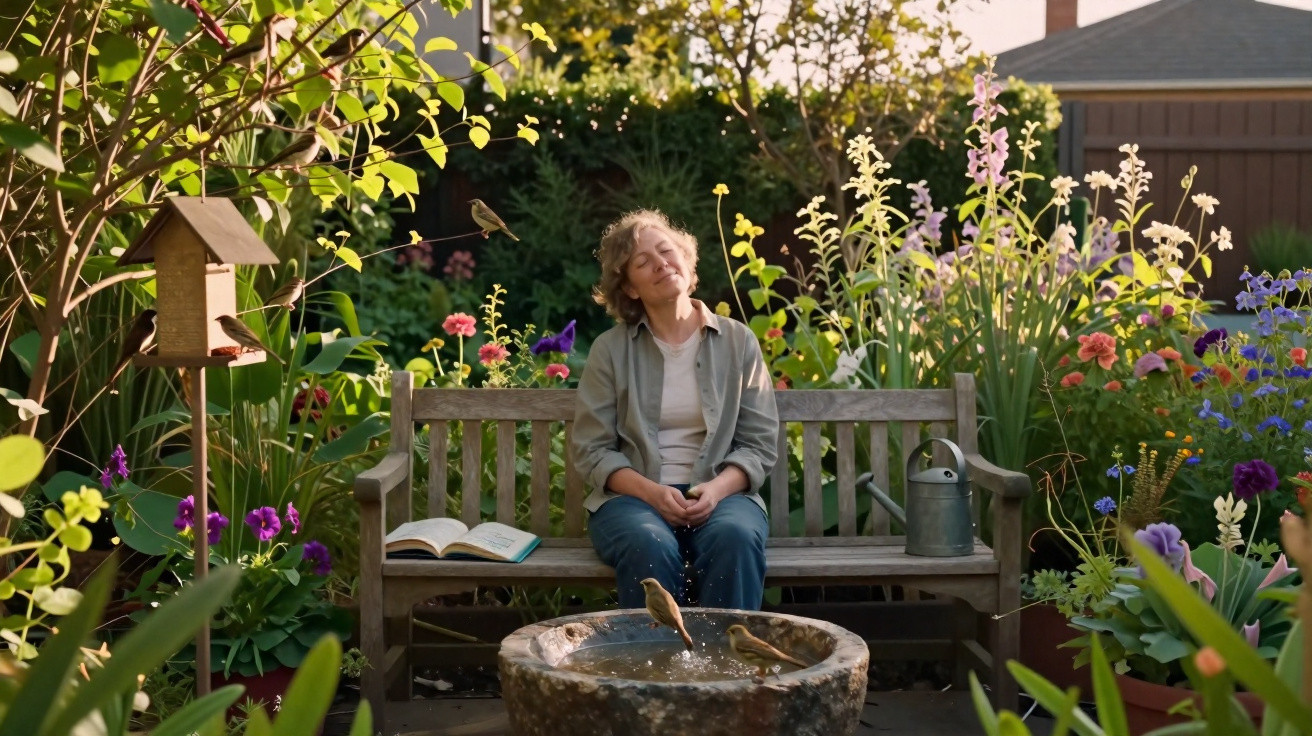
If you have paused to listen to the birds singing outside your window or while watering the plants in your garden, that moment says far more than it might seem. Rather than simply providing a pleasant everyday soundtrack, birdsong is a genuine sign that your green space is healthy, balanced and connected to the surrounding nature.
What birds seek when they visit your garden
Birds do not choose just anywhere to perch and sing. When birds regularly visit a garden, they have found at least one of the three essentials every bird needs: food, water and shelter. Places with trees, fruit-bearing shrubs and plants that produce flowers and nectar are far more appealing than gardens containing little more than neatly cut grass and sparse planting.
The range of plants you grow has a direct effect on the variety of species that arrive. The more diverse the planting, the greater the likelihood of welcoming different birds, each with its own distinctive song. This cycle turns the garden into a genuine haven for nature, where looking after greenery is repaid with life, sound and biodiversity.
- Available food: gardens containing fruiting plants, seed-producing varieties or plants that attract insects are birds’ preferred places.
- Clean, accessible water: simple bird baths or small containers of water are enough to draw in birds.
- Shelter among vegetation: trees and dense shrubs provide birds with safe places to perch, rest and nest.
- Soil full of life: pesticide-free gardens support insects and earthworms that naturally feed birds.
- Native flowers: species such as hummingbirds seek nectar and are attracted to plants with colourful, open blooms.
Frequent, varied birdsong: good news from your garden
When birdsong becomes a regular feature and you begin to notice different melodies throughout the day, it suggests that a range of species feels safe there. It shows that the garden provides enough insects, seeds and fruit to feed birds, as well as sufficiently dense vegetation for shelter. Ecology specialists agree: gardens that use few chemicals and contain a wide diversity of plants attract far more birds.
Birds are sensitive to damaged environments. They generally avoid places where excessive pesticide use has harmed biodiversity. So, hearing a chorus of birds in your green space during the day is, in practical terms, confirmation that nature approves of the care you give the area around your home.
Roles you do not see, but your garden feels
Beyond the enjoyment of hearing birdsong, regular visits from birds bring tangible, quiet benefits to your garden. Many people do not realise that birds serve as unseen workers within the ecosystem, carrying out tasks that no gardening product can replace.
What birds do for your garden
Free ecological services birds provide for plants
Many species eat caterpillars, aphids and other insects that damage plants, providing natural pest control without cost or chemicals. Hummingbirds and other birds also pollinate flowers during the day, directly supporting the reproduction of garden plants.
As they move through the garden and the neighbourhood, birds also disperse seeds, encouraging new plants to grow naturally. This process enriches the environment freely and naturally, increasing local biodiversity without the gardener needing to do anything beyond keeping the green space welcoming.
Every visit from a bird to your garden is therefore an exchange. Through the plants you grow and the way you care for the space, you provide food, water and shelter. In return, birds offer pollination, pest control and seed dispersal. It is nature working as a closed loop, with the person tending the garden at the heart of that partnership.
Small changes that welcome more birds into everyday life
Making your garden appealing to birds does not require a renovation or major investment. Giving priority to native plants that produce fruit and flowers throughout the year already makes an enormous difference. Adding a simple bird bath and changing the water regularly is another easy, effective measure. Cutting back or removing chemical pesticides is also essential: without insects, birds simply have no reason to stay.
Allowing some areas of the garden to grow denser and remain less trimmed creates natural refuges where birds feel protected. Even a well-placed pot by the window may be enough to attract a curious bird looking for nectar. Every detail matters, and nature responds quickly when it recognises an environment as safe and generous.
The human wellbeing that comes with birdsong
Studies into wellbeing and our connection with nature show that birdsong lowers stress, lifts mood and creates a genuine sense of calm. Listening to birds sing in the morning while having coffee or tending to plants triggers relaxation responses in the nervous system. It is not merely an impression: it is physiology responding to the sound of natural balance.
Growing a garden that attracts birds means caring for both the green space and those who live in it. The benefit works in two directions: the local ecosystem gains biodiversity, while the people who share the environment gain a better quality of life. Few simple acts of care for plants offer so much to so many.
The song of birds in the garden during the day is one of the most beautiful messages nature can send. It is a sign that something is right, that the green space is alive and that caring for the plants is worthwhile. The next time you hear it, you can smile: your garden deserves praise.
If this subject has made you see your garden differently, share it with someone else who enjoys discovering what nature has to say in everyday life.


Comments
No comments yet. Be the first to comment!
Leave a Comment