
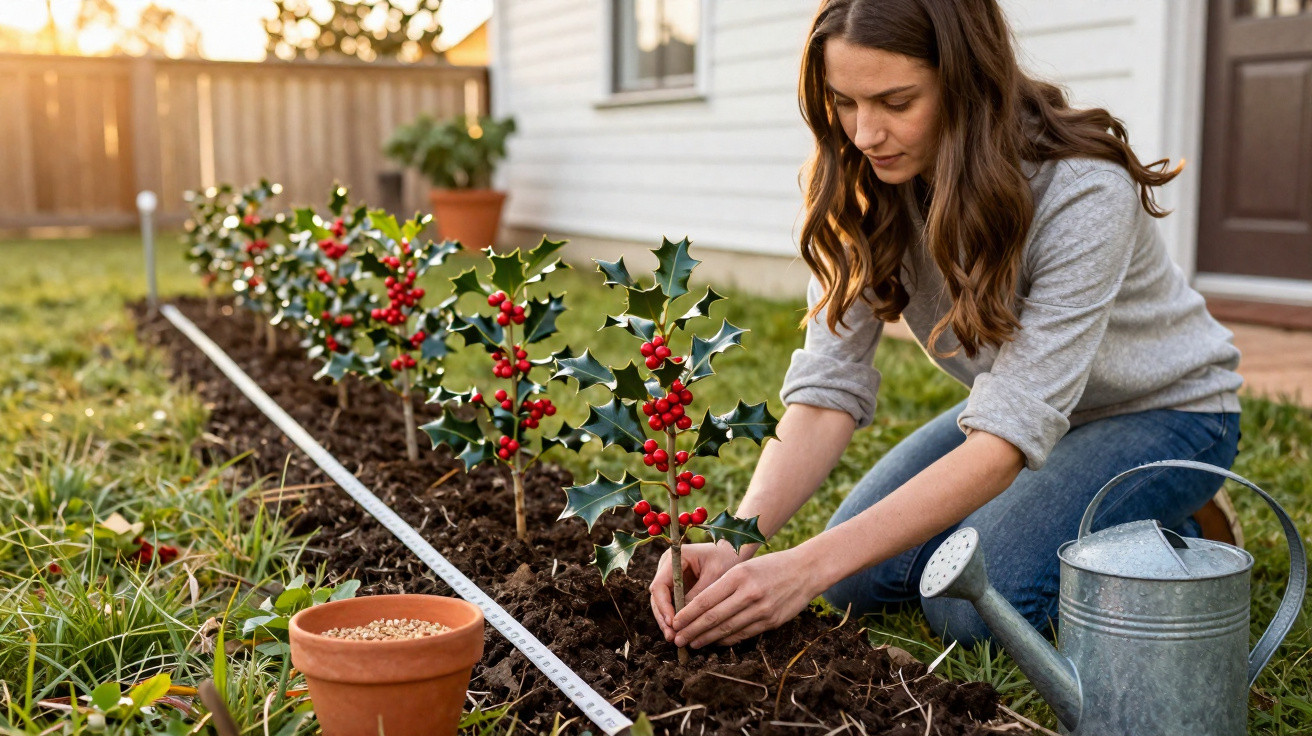
When the days begin to brighten but the garden still looks grey and bare, many people feel ready for a visible fresh start. This is where an evergreen classic comes into its own: holly, often simply known as "Hülsen" or "Holly" in everyday German, has been regarded as a lucky charm for centuries. Planting it before March not only provides excellent growing conditions, but also makes a strong statement about a new beginning of your own.
Why holly is considered a lucky charm
Holly has featured in European customs for a very long time. While other foliage disappears in winter, its deep-green leathery leaves and vivid red berries remain on display. In many traditions, this resilience represents protection, strength and renewal.
Green leaves in winter and red berries amid the grey – this contrast is precisely what makes holly a symbol of resilience and fresh momentum.
The plant also has plenty to offer in practical terms:
- Hardy: it copes with cold, wind and partially shaded positions.
- Versatile: it works equally well as a compact container shrub for a balcony or as an impressive garden hedge.
- Attractive throughout the year: evergreen foliage, with decorative berries in autumn and winter on female plants.
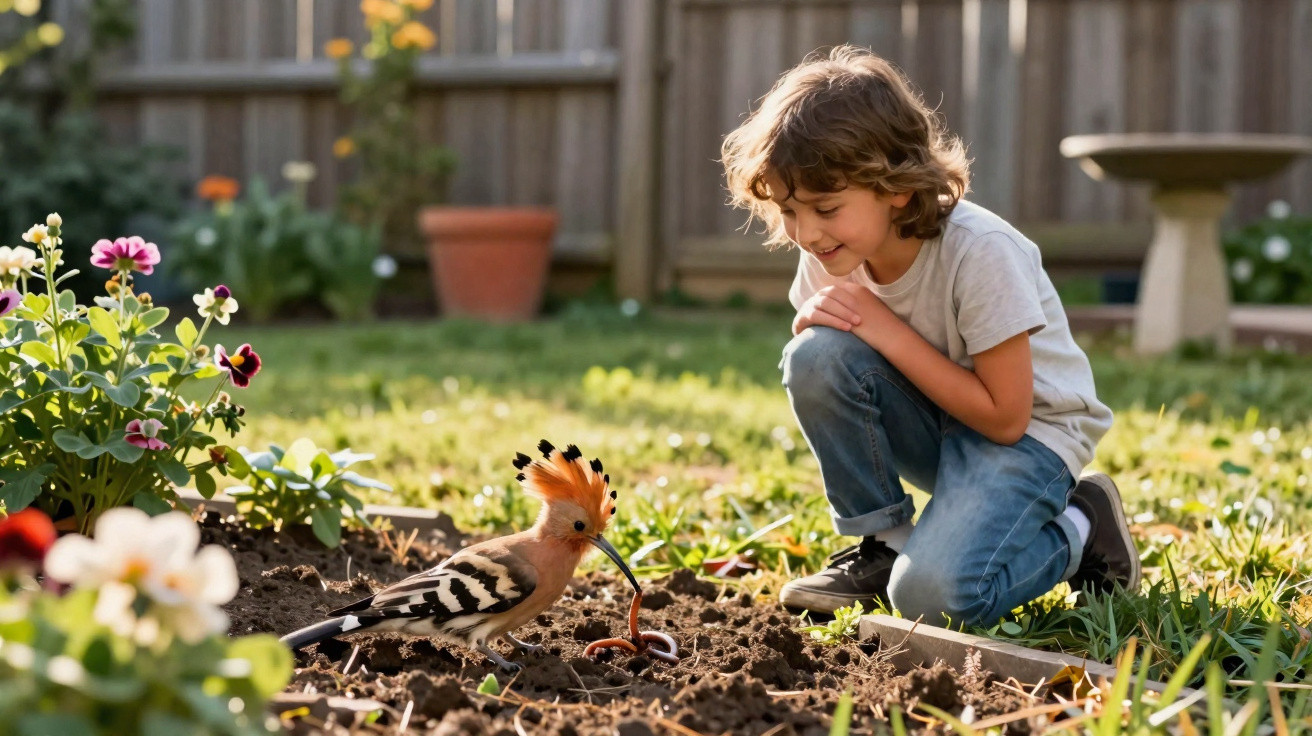
- Wildlife habitat: its dense branches provide nesting sites, while the berries offer winter food for birds.
This combination of symbolism and practical value is exactly why so many amateur gardeners actively seek suitable specimens in late winter.
Why planting before March matters so much
Planting holly before the start of March makes the most of an ideal period: the soil is gradually warming up while still holding enough moisture. This allows the plant to establish roots calmly before the first spell of hot weather arrives.
The benefit is that the shrub enters spring and summer well established. This improves its chances of growing strongly and producing a generous display of berries later on.
Planting before March means the roots are already working while the rest of the garden is only just waking up – a genuine head start.
There is also an emotional side to it. Many people associate late winter with a personal reset, much like New Year but in a more tangible form. Setting a new plant into the ground, especially one traditionally linked with protection and good fortune, can feel almost like a small ritual: "This is where my new gardening year begins."
How to plant holly successfully, step by step
Careful preparation is worthwhile if your holly is to establish properly and later produce dense foliage and plenty of berries.
Position, quantity and spacing
In general, holly prefers a bright or partly shaded spot with loose, humus-rich soil. It does not tolerate waterlogging particularly well.
| Aspect | Recommendation |
|---|---|
| Number of plants | At least one male plant close to three to five female specimens for plenty of berries |
| Plant spacing in a bed | 1.5 to 2 metres for normally sized varieties; 1 to 1.2 metres for dwarf forms |
| Planting hole | Around 40 cm wide and 40 cm deep for each plant |
| Container for a balcony | A pot 30–40 cm in diameter and of a similar depth, with drainage holes |
The right soil mix
Holly prefers slightly acidic, nutrient-rich soil with good drainage. The following mix is suitable for a garden bed:
- Mix the excavated soil with around 5 litres of mature compost.
- Add 2 litres of coarse sand or fine gravel to improve drainage.
- If the soil is very heavy, also incorporate some composted bark or leaf mould.
Four simple planting steps
- Dig the planting hole to the recommended size and gently loosen the soil at its base.
- Combine the soil with compost and sand, then return some of the mix to the hole.
- Position the plant so that the root ball sits roughly level with the surrounding soil, then fill around it with the prepared mix.
- Water thoroughly with 5 to 10 litres of water and spread a mulch layer around 5 cm deep around the plant.
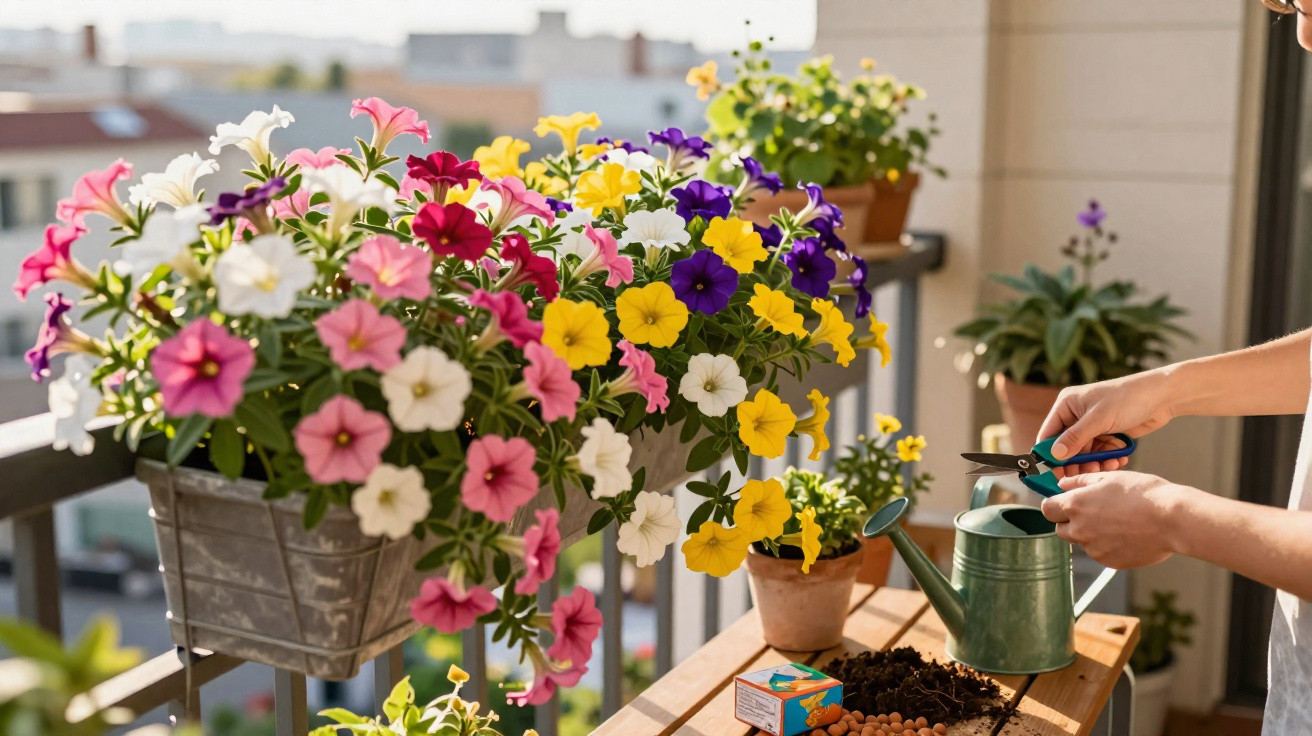
For a balcony or patio, choose a large container with drainage, place a layer of expanded clay pellets or gravel in the bottom, and use a loose, good-quality container compost.
Care: little effort, great results
Once established, holly is relatively undemanding. Most of the work is needed in its first year, while its root system is still becoming established.
Watering and feeding
- After planting: during the first few weeks, provide 5 litres of water once a week if there has been no rain.
- Later in a garden bed: water only during extended dry periods.
- In a pot: check regularly, as the upper layer of compost should not be allowed to dry out completely.
- Feeding: apply an organic fertiliser or a little compost around the plant in spring.
Pruning and shaping
One light annual prune is usually sufficient. The best time is towards the end of winter, before new growth begins.
Remove:
- dry or damaged shoots
- branches growing strongly inwards and making the crown too dense
- overly long new shoots where a defined shape, such as a hedge, is wanted
To retain plenty of berries, avoid pruning too late or too severely, as fruiting growth develops on older shoots.
Caution: beautiful, but not for eating
The bright-red berries may look tempting, particularly to children. However, they are poisonous to people and some pets, and can cause gastrointestinal upset.
Holly berries look like little sweets, but they are not for children’s hands – clear guidance is needed here.
If there are young children, inquisitive dogs or cats in the household, it is better to choose a place where they cannot reach the berries directly, such as the back of the garden or an elevated container. Fallen berries can also be removed regularly if necessary.
One further consideration is that native species support local wildlife far more effectively than exotic cultivars. Many birds recognise native forms and use them specifically as sources of food and shelter.
Which holly varieties suit gardens and balconies
There is a wide choice, with hundreds of varieties in different sizes, leaf shapes and colour schemes. A few broad categories are helpful in practice.
Popular types at a glance
- Compact varieties: slow-growing and shorter in stature, making them well suited to containers on balconies and patios.
- Hedging forms: vigorous types that branch densely, ideal for screening or wind protection.
- Variegated varieties: foliage patterned in green and yellow or green and white, which remains highly decorative even without berries.
- Heavily fruiting female varieties: these produce especially large numbers of red berries, provided that a male plant is nearby.
Most garden centres and nurseries stock a well-selected range from February onwards. Anyone unsure which variety suits their local area or available light should ask for specific advice on site, particularly in frost-prone locations.
More than decoration: ecological and emotional benefits
At first glance, holly may appear to be an attractive ornamental shrub with a little symbolism attached. In reality, it performs several roles at once:
- it gives birds shelter and nesting places among its dense foliage
- it provides a valuable winter food source
- its form visually breaks up uniform rows of thuja or cherry laurel
- its evergreen nature gives the garden structure, even when there is snow
On an emotional level, planting shortly before the meteorological start of spring can have a considerable effect. Deliberately planting a "lucky shrub" creates a tangible connection with personal resolutions and hopes for the coming year. Many people say that, as the year progresses, they come to view their new shrub as a small anchor point in the garden.
It is also interesting to combine holly with other plants that emerge early. Bulbs such as snowdrops, winter aconites and crocuses look particularly good against holly’s dark leaves. In summer, shade-tolerant perennials such as hostas or ferns can add further structure around the root area without competing with this deep-rooting specialist.
Anyone looking over the next few weeks for a robust, symbolic shrub that will shape a balcony or garden for the long term is making the right choice with holly planted before March – whether as a protective hedge, a specimen shrub or a compact lucky plant in a pot near the front door.


Comments
No comments yet. Be the first to comment!
Leave a Comment