
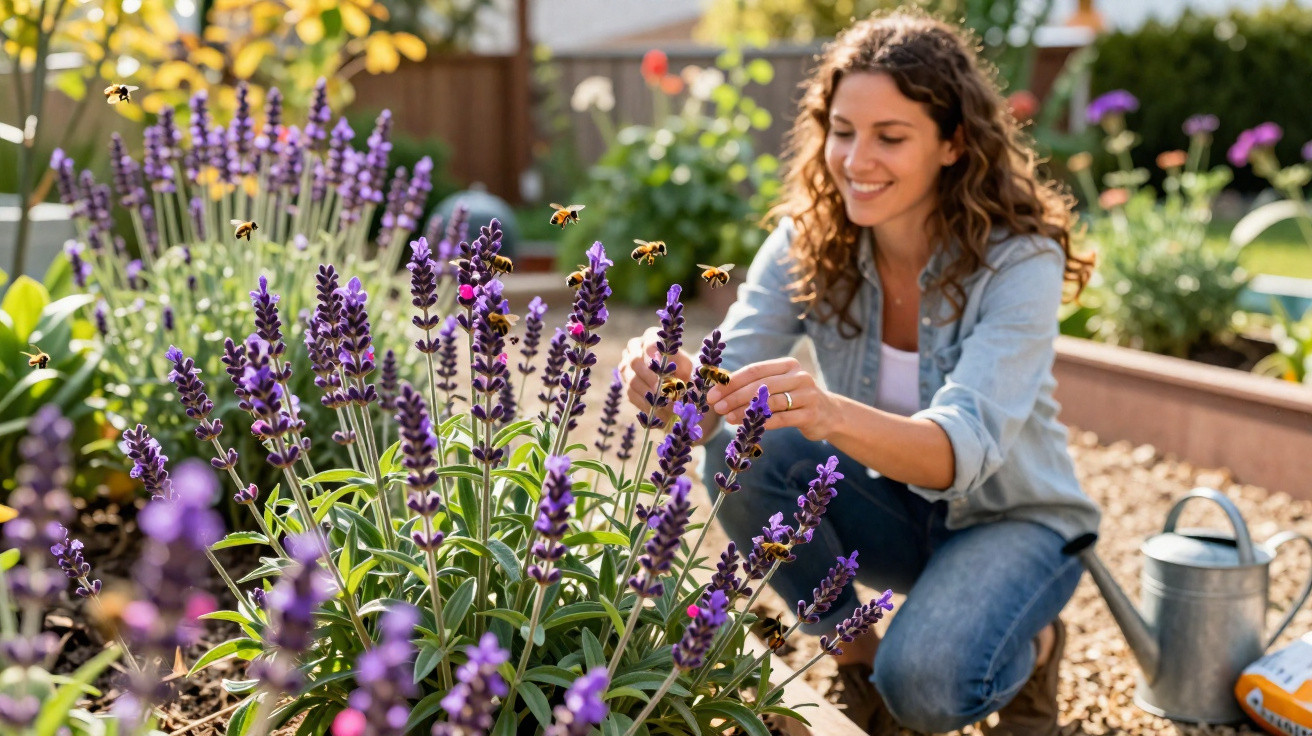
Anyone who does not want to spend every summer evening walking around with a hose needs plants that can cope on their own. This is precisely where one perennial scented plant excels: it has long stood in lavender’s shadow, despite offering more flowers, more nectar and far more life in the garden.
The professionals’ quiet favourite: sage as a showy perennial
Often tucked away rather inconspicuously between bags of bark mulch and fertiliser at the garden centre is perennial sage, botanically known as Salvia. Many people know only culinary sage, yet ornamental varieties bear little resemblance to the spindly supermarket pot. They grow tall, form dense clumps and produce an almost unexpected abundance of flowers in dry borders.
For this very reason, landscape gardeners and local authorities have increasingly chosen sage for years when planting schemes need to be low-maintenance, heat-resistant and appealing to insects at the same time. What succeeds in roadside planting works even better in a private garden.
A display of colour from spring well into autumn
As temperatures rise, sage quickly gets going. Long flower spikes emerge from compact leaf rosettes, usually in rich blue or violet, although pink and white varieties are also available. Rather than making only a brief appearance, these blooms continue for many weeks.
“With just one cut-back after the first flowering, sage often produces a second, and sometimes even a third, flush of blooms.”
The result is a ribbon of colour along paths or border edges that lasts from late spring into autumn. While other perennials have long begun to look tired, sage plants often remain remarkably fresh and lend structure to the garden.
Dense, bushy growth in no time: ideal for suppressing weeds
Its speed is another advantage. Small pots develop into sturdy bushes within just a few weeks. Plant several in a row and gaps in a border can be filled at record speed.
- rapid root development, even in poor soils
- dense growth that suppresses weeds
- good stability despite slender flower spikes
Especially in newly created gardens, where the soil is still sparse and exposed, sage acts like a natural carpet: it shades the ground and slows moisture loss.
Why bees may find sage more exciting than lavender
Planting lavender immediately brings bees, bumblebees and butterflies to mind. What many people do not realise is that sage can be the more attractive choice for pollinators.
More nectar and a longer season
The tubular flowers of sage provide plentiful nectar over a considerably longer period than lavender. Various species of solitary bee, bumblebees and even some butterflies return repeatedly because fresh flowers keep opening.
“For insects, sage is like an all-you-can-eat buffet that barely ever closes – ideal for balconies, front gardens and wildlife-friendly spaces.”
Sage remains dependable, particularly during hot, dry summers when many other flowering plants begin to flag. That is a major benefit for pollinators, as it gives them a reliable food source for weeks.
A fragrant signpost for beneficial insects
The flowers are not the only important feature; the leaves matter too. Rub them gently between your fingers and an intense, spicy scent is released, created by essential oils. These strong aromas tend to deter some pests while attracting many beneficial insects.
A sage border therefore often becomes a hive of activity: solitary bees and bumblebees refuel, while ladybirds and lacewings look for shelter and food. For families with children, such a border offers living nature observation without an app or screen.
Heat? Drought? Sage stays unfazed
As summers become increasingly hot, our gardens are changing too. Lawns scorch and thirsty perennials droop, but sage is among the plants that cope remarkably well with this shift.
Little soil, strong performance
Rather than rich garden soil, sage prefers leaner sites. Stony, sandy or full of gravel: all are suitable provided water can drain away freely. The plant tolerates waterlogging far less well than drought.
At the height of summer, when the sun relentlessly heats borders, the leaves generally stay firm. Its flower spikes repeatedly stand upright again, even after days without rain. As a result, far fewer plants are lost during periods of heat, which matters especially across larger areas.
A garden that barely needs a watering can
In its first year after planting, sage needs a little help until its roots reach deeper into the soil. Once this establishment period has passed, the plant largely looks after itself.
- water regularly, but not too frequently, during the planting year
- from the second year onwards, water only in extreme drought
- water less often but thoroughly
Anyone distributing plenty of sage plants around the garden will notice the difference directly in their water bill and their available time. The daily round with the hose simply disappears.
How to plant sage successfully in spring
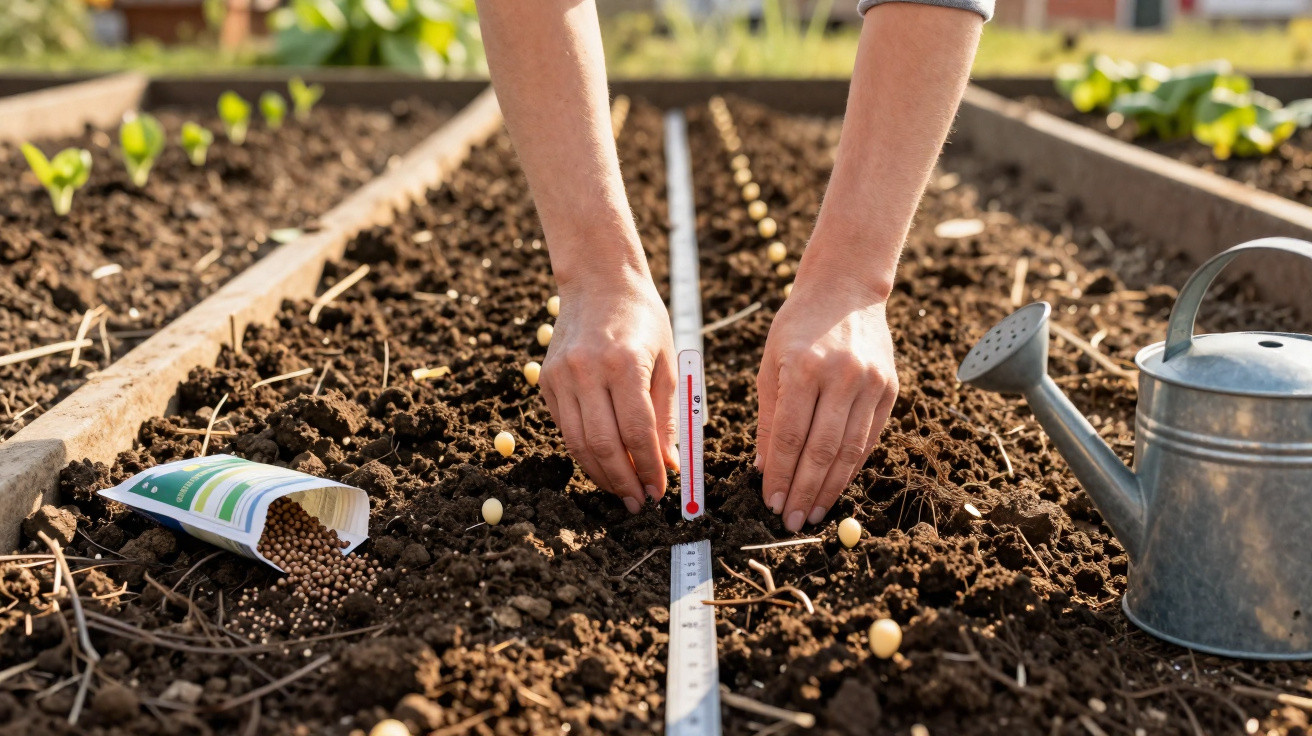
The best time to begin is in spring, once the soil has warmed up and severe night frosts are no longer expected. In many areas, late March to mid-April is suitable.
A few simple steps that pay off for years
Sage does not require a heap of compost or costly specialist fertilisers. What matters is that surplus water can drain down quickly. There is an easy solution for heavy soils: add a layer of gravel or coarse sand to the planting hole.
“Better lean and well-drained than ‘rich’ and wet – that is how sage stays healthy for the long term.”
Water thoroughly once after planting so that any air pockets in the soil close. Afterwards, it is enough to check occasionally in the following weeks whether the top layer of soil has dried out completely. Only then should you water again.
Planting companions that work particularly well with sage
Visually, sage has the greatest impact when combined with other drought-tolerant plants. Popular companions include:
- airy ornamental grasses such as feather grass or fountain grass
- coneflowers (Echinacea) with large, striking blooms
- gaura with delicate, floating clouds of flowers
- low cushions of thyme or catmint at the front of the border
These combinations create appealing contrasts of shape and height. At the same time, their needs for sun and soil match perfectly, an important factor if borders are to work over the long term.
Why sage is a plant for the future right now
Perennial sage brings together the qualities many home gardeners have been seeking for years: it looks good, requires very little attention and supports wildlife. At a time of rising water costs and tighter watering restrictions, that combination is becoming increasingly important.
Minimal effort, maximum garden enjoyment
A light trim after the first or second flush of flowers keeps the plant vigorous. Remove old flower heads and cut it back slightly; in most cases, no further care is needed. In autumn, the stems can be left standing, providing shelter for insects and looking decorative when covered in frost.
Those who regularly try new plants will soon discover favourite varieties, from deep navy blue that appears almost black to soft pink shades for romantic borders. Many nurseries now clearly label bee-friendly varieties, making selection easier.
Practical tip: using sage strategically in a terraced-house garden
Sage comes into its own particularly well in built-up residential areas with small front gardens. A few plants along driveways, in front of hedges or in narrow strips between a house and pavement can create a lively band of planting, without disputes with neighbours or landlords over an “untidy” wildflower meadow.
Adding one or two large containers of drought-tolerant perennials on a balcony or patio enhances the effect further. Sage also works there, provided the pot is deep enough and allows water to drain away. Even in a city, this creates a small network of stepping stones for pollinators, with manageable effort but a noticeable impact.



Comments
No comments yet. Be the first to comment!
Leave a Comment