
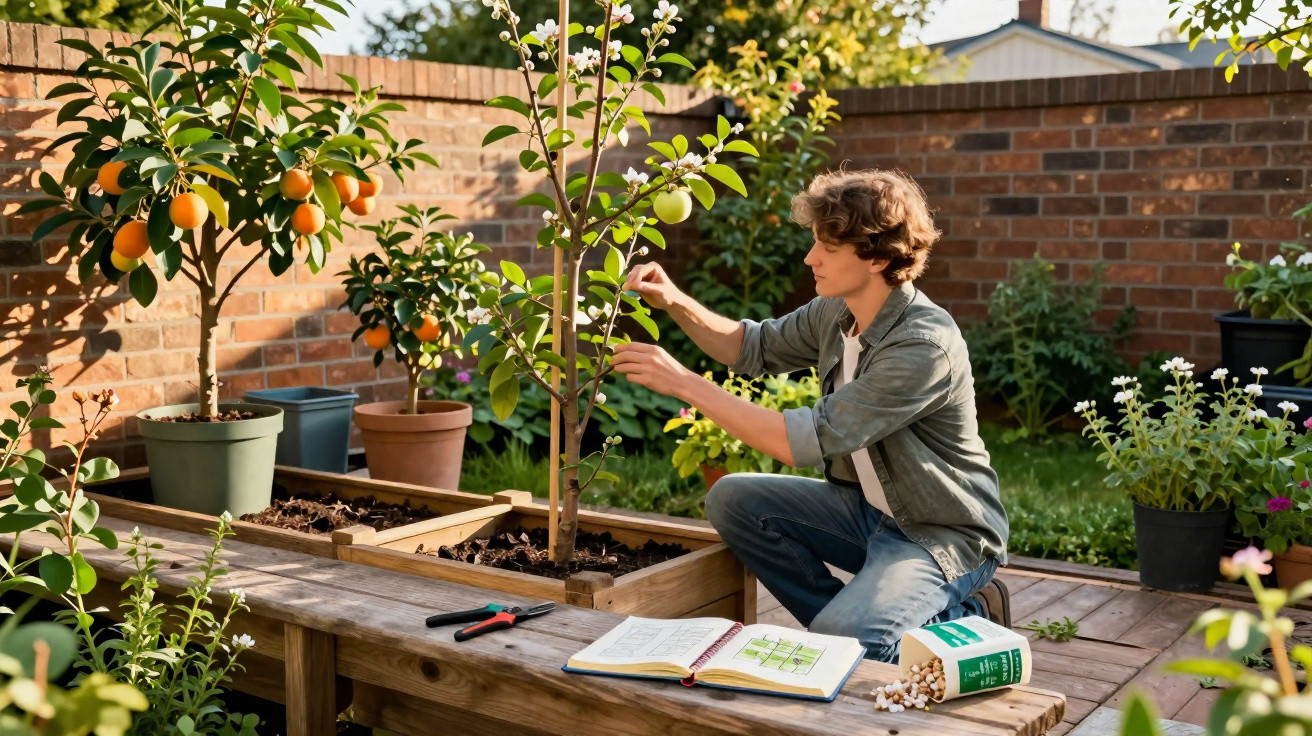
Growing a productive orchard in a compact space is something many urban residents want. Fortunately, choosing the right species makes it possible to harvest fresh produce without harming surrounding structures. You can safely and neatly grow incredible fruit trees in your garden.
How do you choose fruit trees for small gardens?
Concerns about cracked pavements and walls are common when considering planting trees. However, some plants have entirely non-invasive root systems and thrive in narrow areas.
Regular pruning also keeps trees at a manageable, compact size. Choosing varieties that enjoy direct sunlight will increase the yield of delicious, healthy fruit. Proper care delivers excellent results for home growers.
Below are the leading safe plant options for your residential space:
- Surinam cherry tree: Native and highly ornamental, it attracts birds and grows well in full sun.
- Acerola tree: Exceptionally hardy and rich in vitamin C, it produces heavily in small spaces.
- Pomegranate tree: It has very gentle, shallow roots and remarkably lush red flowers.
- Starfruit tree: It bears star-shaped fruit and needs regular watering.
- Araçá tree: A small wild tree that produces very tasty small fruits.
What essential care ensures good fruiting?
To achieve an abundant harvest in a side passage or home garden, sunlight is essential. Most small trees need to receive direct warmth every day for extended periods. Sunlight activates the plants’ vital biological processes.
Another important factor is ensuring effective water drainage in the soil prepared for planting. Preventing excessive moisture from building up around the roots stops rot and protects the tree’s overall health. Consistent attention prevents serious diseases in the orchard.
Learn valuable planting techniques by watching the exclusive content from the Spagnhol Plantas YouTube channel:
How should training pruning be carried out correctly?
Regular pruning is an indispensable way to restrict the canopy’s upward growth. This physical intervention redirects the plant’s energy towards productive side branches, making hand harvesting easier. The process keeps trees organised in an urban space.
Growth control
The importance of management
Strategically cutting upper branches prevents the plant from reaching unwanted heights, ensuring the orchard remains accessible at all times.
As well as controlling size, removing dry branches improves air circulation and allows more sunlight in.
Removing dry or diseased branches also tidies the structure and prevents harmful pests from spreading. With sterilised tools, the gardener can shape the plant into its ideal form without compromising its health. This practice ensures tasty fruit on an ongoing basis.
Here are the key steps for perfect training pruning:
- Always use pruning shears that are sharp and clean.
- Cut branches growing vertically towards the top.
- Keep the centre of the canopy open so sunlight can enter.
How should soil be prepared for young plants?
Correct substrate preparation determines how quickly non-invasive roots develop at the start. Combining rich topsoil with quality organic fertilisers creates the ideal environment to nourish the chosen plants. A strong foundation supports steady healthy growth.
Using natural materials such as worm humus or bone meal sustainably boosts the soil’s natural fertility. Regular feeding supplies the essential elements that allow fruit trees to flower abundantly in the coming seasons. Fertilising ensures abundant harvests every year.
See the main fertilisers recommended for keeping soil fertile:
- Worm humus to provide high-quality organic matter.
- Bone meal to encourage flower development.
- Rock dust to enrich the substrate with essential minerals.
Why invest in a compact home orchard?
Growing food in your own garden can greatly improve the quality of life for the whole household. Daily contact with nature eases everyday tension and provides extremely enjoyable leisure time. This activity offers incredible benefits every day.
In addition, fruit picked directly from the tree is free from harmful pesticides, ensuring a wholly healthy diet. You can select the ideal species by learning about a tree suitable for pavements that decorates and enhances the entire home environment with complete structural safety.



Comments
No comments yet. Be the first to comment!
Leave a Comment