
What causes it?
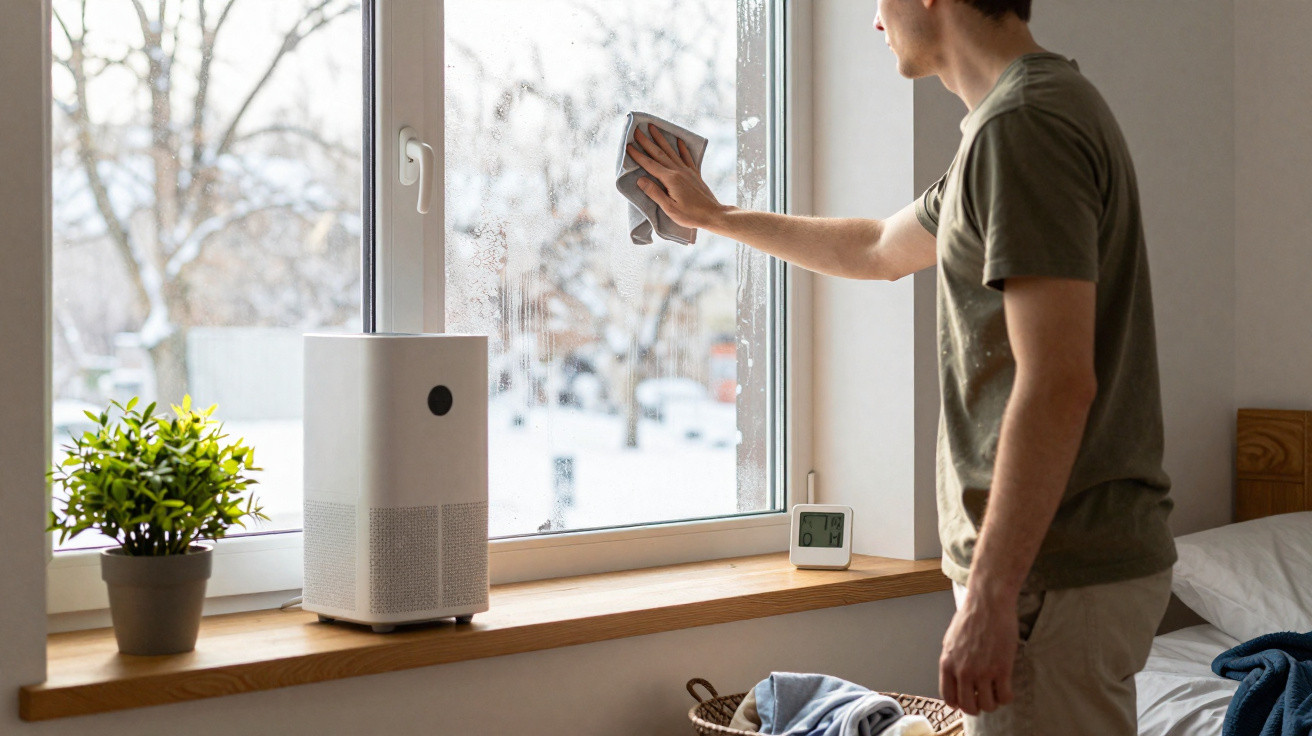
The same pattern is repeated in countless homes every year: windows are wet in the morning, paint below the window reveal begins to peel, and dark marks appear in the corners. Simply wiping away the problem rather than tackling its cause can ultimately damage not only the home but also people's health.
Why condensation forms on windows
The process itself is straightforward: warm, moisture-laden indoor air meets a cold windowpane. As the air cools suddenly against the surface, it can hold less water, so excess water vapour turns into droplets. This is entirely normal, but it becomes a concern when it happens every day without being addressed.
“Moisture left on the glass will, sooner or later, spread into the frame, window reveal and wallpaper – creating ideal conditions for mould.”
Persistent damp patches commonly develop where the window meets the wall. These are precisely the areas in which mould spores thrive. Although spores are always present in the air, they need sufficient moisture to find suitable conditions. People with asthma or allergies are often the first to notice the effects, including an irritating cough, stinging eyes and breathing difficulties. Children and older people are particularly sensitive.
The most effective basic rule: keep humidity under control
The best way to prevent condensation is to avoid allowing moisture to build up in the first place. Consistent ventilation and a few regular habits work far better than expensive specialist products.
- Air rooms fully for short periods several times a day, rather than leaving windows permanently on the latch
- Monitor humidity levels, with 40–60 per cent being the ideal range
- Wipe condensation off windowpanes immediately
- Deliberately limit everyday sources of moisture
Many people let the water on their windows “dry by itself” in the morning. This is exactly the wrong approach. Moisture does not remain solely on the glass: it seeps into joints, seals and plaster. Keeping an absorbent cloth on the windowsill and using it quickly prevents much of the damage that can otherwise follow.
Bedroom: the hidden moisture hotspot
Bedrooms produce more moisture than many people realise. Over the course of a night, one person releases around one to two litres of water into the air through breathing and perspiration – and naturally more when two people share the room.
Do not turn the heating off completely
Switching the heating off entirely before bed often causes condensation unintentionally. If the room cools significantly, the windowpane temperature drops even further, causing the moisture in the air to settle straight onto the glass.
A much better option is to set the heating to a low, steady level. The air remains slightly warmer, the difference in temperature between it and the pane is reduced, and less water forms.
Keep damp washing out of the bedroom
A common mistake is putting a clothes airer in the bedroom because “the door is closed anyway”. As clothes dry, a large proportion of their water enters the room air before ending up on the windowpane.
A well-ventilated room or separate drying room is the better choice. Anyone using a tumble dryer should make sure that it is properly vented outside or uses a condensate container that is emptied regularly.
Kitchen: stop steam at its source
Cooking is one of the largest sources of moisture in the home. Boiling water, simmering sauces and an oven-baked dish all release substantial amounts of water vapour into the air. The good news is that the issue can be greatly reduced with just a few simple measures.
- Switch on the extractor hood or fan whenever cooking.
- Put lids on pans while cooking to retain steam.
- Open the window wide briefly during and after cooking.
- Keep the kitchen door shut so moisture does not spread through the rest of the home.
These habits cost nothing but make a considerable difference. In small flats especially, moisture can otherwise quickly accumulate throughout the living space, becoming apparent as misted-up windows at the other end of the property.
Bathroom: control steam before it spreads
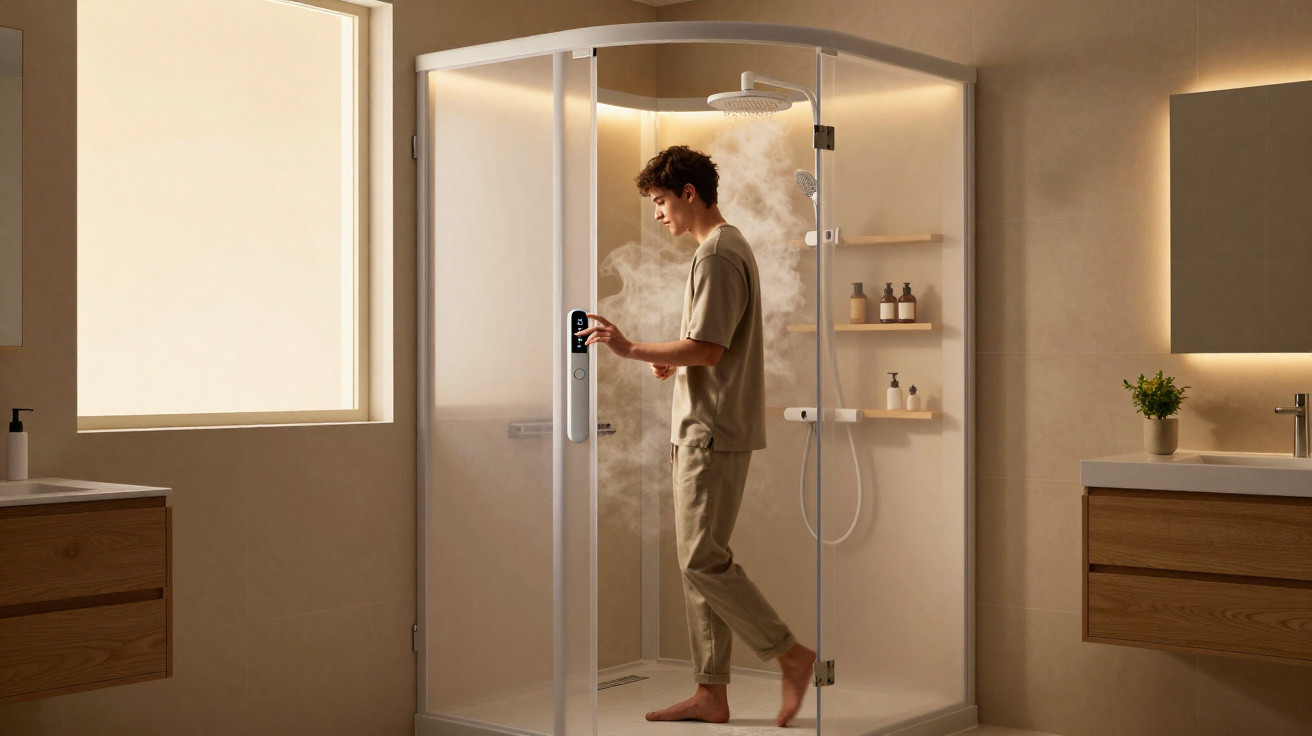
The bathroom is often the most extreme case. A hot shower creates huge quantities of steam within minutes in what is usually a small room. Unless action is taken, that water vapour settles on mirrors, tiles and windows, or drifts into neighbouring rooms.
Separate the shower area properly
A well-sealed shower curtain or full glass screen acts as a barrier. Steam initially remains within the shower area instead of spreading unchecked around the bathroom. This considerably reduces the moisture load.
Use the extractor fan and window wisely
If there is a bathroom extractor fan, it should run not only while showering but for at least 10 to 15 minutes afterwards. During this period, it removes a large share of the moisture outdoors.
Leaving a window slightly open reinforces this effect. Steam can escape directly outside rather than settling on the next cold surface. It is best to keep the door to the hallway closed during this time, so that humidity does not spread throughout the home.
Technical aids: dehumidifiers and hygrometers
Where moisture problems occur regularly, an electric dehumidifier may be worthwhile. Modern units operate comparatively quietly and use less electricity than older models. They extract water from the room air and collect it in a container that needs emptying regularly.
A dehumidifier is particularly useful in spaces that cannot be ventilated well, such as internal bathrooms without windows, basement rooms or areas with structural cold bridges.
A hygrometer is a small, inexpensive tool that displays the current humidity level. It makes it easy to tell when ventilation is needed. Levels above 60 per cent for prolonged periods greatly increase the risk of condensation and mould.
Upgrading windows: from film to triple glazing
For a longer-term solution, it is worth considering the glazing. The warmer the inner pane remains, the less condensation forms. Double or triple glazing significantly reduces the temperature difference between the room air and the windowpane.
For rented homes, or as an interim measure, special anti-condensation films can be applied to the glass. They do not improve the surface temperature as much as replacement windows, but they can help reduce droplet formation.
Practical everyday tips to prevent mould on windows
Strictly following the points below can significantly reduce the risk of wet windows and mould marks:
- Ventilate after getting up in the morning and check the windowpanes
- Always wipe away condensation immediately with a microfibre cloth
- Do not press internal blinds or heavy curtains directly against the glass
- Do not block radiators with furniture or long curtains
- Remove moisture from tiles and grout after showering
Pulling blinds and curtains directly in front of cold glass creates a cold chamber behind them. Air can barely circulate and cools sharply, making condensation and mould almost inevitable.
Why mould is more than a cosmetic issue
Mould spores put strain on the respiratory system, irritate mucous membranes and can trigger or worsen allergies. Marks around window reveals should be taken seriously, particularly in bedrooms where people spend many uninterrupted hours, rather than being “monitored” for months.
Anyone who regularly experiences headaches, irritated eyes or coughing while also finding mildew marks on walls or windows should act promptly: eliminate sources of moisture, arrange for mould to be removed professionally, and investigate possible building defects if the issue persists.
Over time, a more considered approach to indoor air pays off in several ways: less damage to the building, lower heating costs through sensibly managed ventilation and, above all, a noticeably more pleasant living environment. Combining the consistent drying of windowpanes, targeted ventilation and suitable technology can greatly reduce condensation on windows – leaving mould with no opportunity to take hold.





Comments
No comments yet. Be the first to comment!
Leave a Comment