
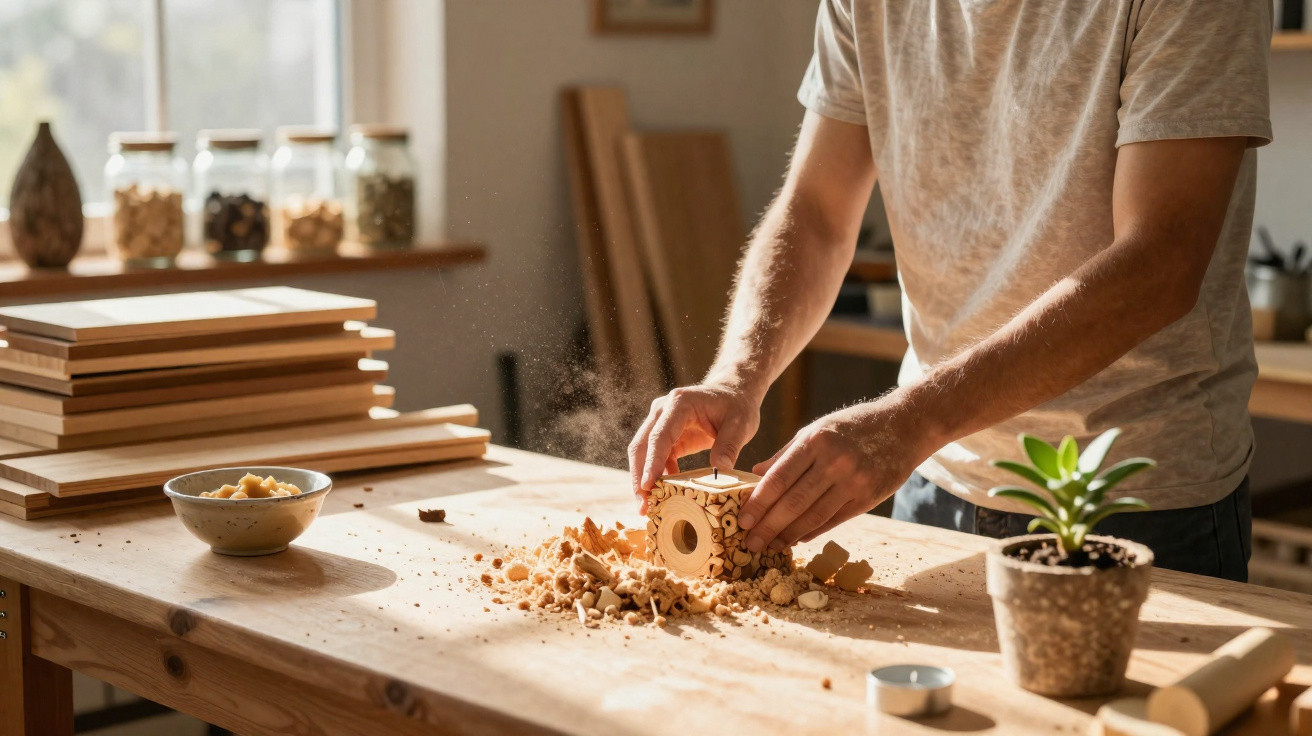
Collecting waste after working with wood at home is very common for people who enjoy regular hands-on projects. However, sawdust left on the workbench can be reused creatively, supporting excellent sustainability in everyday domestic settings.
How can sawdust be reused in home woodworking?
Small household repairs take on a new dimension when we learn to make intelligent use of leftover wood. This organic material can stabilise plant pots and even clean surfaces affected by oil spills in your workshop in a completely eco-friendly way.
What is more, combining this waste with ordinary white glue produces an effective filler for repairing imperfections around old screw holes. This craft technique prevents expensive materials from being wasted, giving greater value to work completed by hand with considerable care and practical dedication.
What did grandmothers use to stuff cloth dolls?
In the past, handmade toys were made using a very common woodworking material to provide weight and structural firmness… Read more
What are the main studies into wood waste?
Major educational institutions are researching viable technological alternatives to reduce the environmental impact of incorrectly disposing of industrially processed wood. The search for new derived materials focuses on commercial solutions that turn dust into durable bagasse panels or reusable boards.
Modern engineering works directly on developing eco-friendly products that can replace polluting plastic materials across several global production chains. Planned reuse cuts significant operating costs and encourages an innovative market centred on highly sustainable regional development.
Below is a video from the EESC-USP / São Carlos School of Engineering YouTube channel that explores the points discussed in this topic in greater depth:
How can rustic crafts be made using sawdust?
Making decorative objects gains distinctive textures when these fine plant residues are added while preparing hand-modelled pieces. This type of rustic finish enhances pots, old frames and small sculptures made on your workbench using simple hand tools.
Creating personalised items to give to friends or decorate the living room supports mental wellbeing and reduces the amount of waste sent to general rubbish. Every finished project carries its maker's identity through unique details created by the texture of the reused wood itself.
Reuse Kit
Useful items for the workbench
See what you should keep close by to make use of every gram of wood dust:
- High-strength white glue for making repair filler;
- Clean plastic containers for storing dry sawdust;
- A fine sieve to separate larger residues from smaller ones.
Where can sustainable decoration be used with leftovers?
Indoor spaces become much cosier when they adopt eco-friendly solutions created directly from offcuts from various woodworking boards. Natural elements work perfectly with contemporary styles, encouraging a strong connection with nature inside your home in an economical way.
Using these small leftovers prevents unnecessary spending on costly industrial ornaments mass-produced without any concern for the environment. The smart transformation of waste into aesthetic beauty raises the technical standard of any hobbyist devoted to woodworking with a focus on genuine sustainability.
There are excellent practical ways to use this material in the back garden or garden:
- Organic composting to enrich soil;
- Thermal protection for plant beds;
- A rustic natural pest deterrent.
How does household reuse transform daily life?
Adopting conscious habits at home profoundly changes our relationship with the daily consumption of common disposable materials and supplies. Small actions, such as saving leftover sawdust, provide valuable lessons about the circular economy for every member of the family in a highly educational and enjoyable way.
Finally, intelligent reuse establishes a productive household routine that is fully aligned with modern principles of global environmental preservation. Turning leftovers into useful solutions develops our creative ability, proving that true woodworking extends far beyond building large furniture pieces or complex structures.


Comments
No comments yet. Be the first to comment!
Leave a Comment