
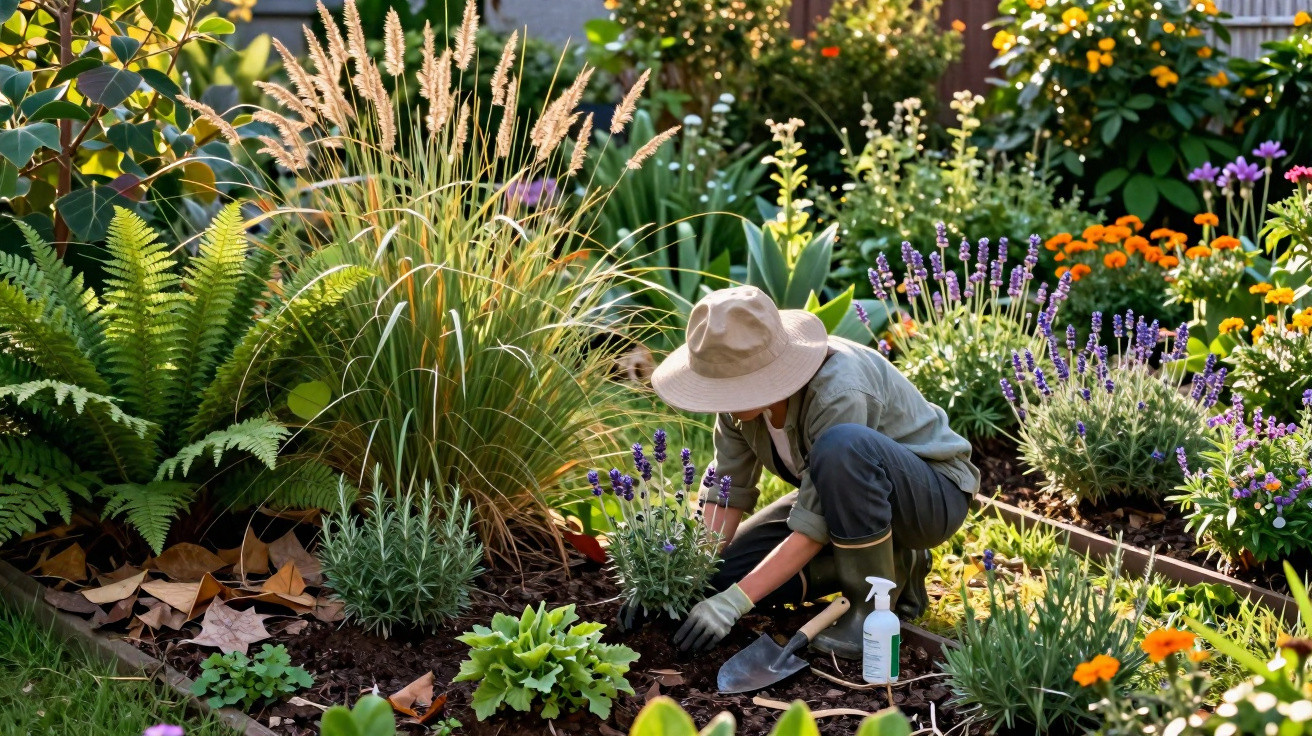
Ticks thrive in damp, shaded and tucked-away places. Some ornamental plants, shrubs and garden features create exactly these conditions – often precisely where children play or people walk barefoot across the lawn. Anyone who loves their garden and wants to avoid tick bites should know which plants seem to attract ticks almost irresistibly, and which ones can significantly reduce the risk.
Why ticks thrive in gardens
Ticks are not harmless little crawlers. They feed on blood and may transmit pathogens such as Borrelia bacteria, which can cause Lyme disease. Many people mainly associate ticks with walks in the woods. In reality, these parasites have long been found in ordinary domestic gardens too, from suburban plots to rural orchards.
“Ticks do not seek out people – they wait in grass or bushes for anything warm and moving: people, dogs, cats or wild animals.”
Above all, they need three things: moisture, shade and hiding places close to the ground. Certain plants and garden layouts provide precisely that. Recognising and adapting these areas removes a large part of ticks’ habitat.
These plants turn your garden into a tick hotspot
No individual plant attracts ticks like a magnet on its own. What matters is the microclimate it creates at ground level. Dense, poorly ventilated planting retains moisture and shelters ticks from sun and dehydration.
Ferns and other shade-loving plants
Ferns are decorative, especially beneath trees or beside a shaded fence. Yet these are often the very spots where a permanently damp layer of fronds and leaf litter develops.
- Fern beds keep humidity directly above the soil particularly high.
- Their foliage blocks sunlight, creating ideal conditions for ticks.
- A dense maze forms between the stems, allowing the animals to move around undisturbed.
If you like ferns, avoid planting them immediately beside seating areas, paths or sandpits. Instead, position them towards the edges of the plot.
Tall grasses and unmown corners
Ticks often sit on grass stems at calf or knee height, waiting for a passing “victim”. They are particularly drawn to:
- tall wild grasses around the garden boundary
- lawns that are cut infrequently
- slopes with overgrown clumps of grass
If you deliberately leave meadow areas longer for insects, at least mow clear corridors around the patio, play equipment, favourite seating spots and frequently used paths.
Dense shrubs, hedges and berry bushes
Lush shrubs may look attractive, but they quickly create shaded, inaccessible areas full of damp leaf litter – perfect tick territory. These include, for example:
- densely branched lilac varieties
- hedges with closely packed branches, such as arborvitae or cherry laurel
- thorny berry bushes such as brambles or wild raspberries
Leaves, dead branches and animal trails accumulate here. Hedgehogs, mice and birds use these hiding places – and can bring ticks into the garden with them.
“The denser and more impenetrable a shrub appears, the greater the likelihood that a cool, damp tick zone will form inside it.”
Conifers and low-hanging branches
Some conifers, including spruce and fir trees, form dense layers of branches near the base. Beneath them, there is often a thick covering of needles and leaves that barely dries out.
In these areas, ticks find:
- plenty of shade
- very little wind
- damp soil rich in organic matter
If you have conifers in the garden, do not allow their lower branches to hang right down to the ground; thin them out slightly instead.
Fruit trees, leaf cover and wood piles
Fruit trees attract many animals, particularly when fallen fruit is left on the ground. Small mammals and birds make use of this food source, and ticks enter the garden along with them.
At the same time, the following can develop:
- a thick layer of leaves beneath fruit and decididuous trees
- damp pockets between roots and trunks
Wood piles, garden sheds and compost corners also create shaded, humid spaces. Ticks are especially common in these transition zones between lawn, shrubs and timber.
Which plants are more likely to keep ticks away
Fortunately, there are plants whose scent ticks dislike. They do not work as an invisible shield, but they can make individual parts of the garden noticeably less appealing to ticks.
Strongly scented herbs and ornamental plants
Many aromatic plants release essential oils that ticks tend to avoid. Popular and useful choices include:
- Lavender – a classic choice along patio edges or paths
- Rosemary – ideal for sunny gravel beds or plant pots
- Thyme – as ground cover between stepping stones or in herb spirals
- Lemon balm – adds fragrance to seating areas, although it spreads vigorously
- Traditionally used wormwood species (absinthe) – better suited to structured beds with poor soil
- Lemon-scented geraniums – well suited to window boxes and containers by entrances
“Anyone who plants scented plants deliberately around patios, seating areas and play spaces creates a kind of aromatic buffer that many ticks avoid.”
How to use these plants effectively
“Scent barriers” are particularly useful in strategic locations:
- a lavender hedge between the lawn and a seating area
- an herb border beside garden paths
- pots of rosemary and scented geraniums on the balcony and patio
- thyme as a low border around sandpits or sunbathing areas
Important: these plants do not replace checking your body for ticks, but they can reduce the risk in the areas where you spend time most often.
Garden care: making life harder for ticks
If you genuinely want to make a difference, there is no need to redesign the entire garden. A few changes to your maintenance routine are usually enough.
Mow and thin out planting regularly
A closely cut lawn is unfavourable for ticks because it dries quickly and offers few hiding places. Shrubs and hedges should also not be allowed to form an impenetrable wall all the way to the ground.
- Mow lawns around seating areas, paths and play equipment more frequently.
- Remove leaves and pruning debris from beneath hedges and shrubs.
- Prune shrubs so that light and air can reach the ground.
If you want to create wild areas for insects, it is better to place them along the outer boundaries of the plot, away from frequently used spaces.
Reduce damp, shaded problem areas
Ticks depend heavily on moisture. When an area dries out regularly, their survival rate falls significantly.
- Improve drainage in puddles or permanently wet corners.
- Store wood piles slightly raised and with good airflow, rather than directly on bare soil.
- Clear leaf layers regularly in autumn, especially along paths and around seating areas.
| Area | Typical problem | Simple countermeasure |
|---|---|---|
| Beneath hedges | thick layer of leaves and twigs | clear thoroughly once per season |
| Play areas | tall grass around the edge | create a wide, closely mown strip |
| Wood piles | damp ground, lots of shade | stack on pallets, away from the house wall |
| Orchard | fallen fruit left behind, frequent wildlife activity | collect fallen fruit regularly |
How to protect yourself while gardening
Even in the best-maintained garden, you will never get rid of ticks completely. Personal protection matters just as much.
- Wear long, light-coloured clothing when working in tall grass or beneath shrubs.
- Tuck trousers into socks – unfashionable, but effective.
- Use tick repellent on skin and clothing if needed.
- Check your body carefully after gardening, especially behind the knees, around the groin, under the arms, on the neck and on the scalp.
Anyone who spends a lot of time gardening can also wrap wide sticky tape around the lower legs of their trousers. Ticks often become stuck to it before reaching the skin.
Tick bite – what to do next
If a tick has attached itself, the key is to act quickly and stay calm. The sooner it is removed, the lower the risk of pathogen transmission.
- Use a tick card or tick tweezers from a pharmacy.
- Grip the tick as close to the skin as possible and pull it out slowly and straight.
- Clean the area with soap and water, then disinfect it.
- Over the following days, watch for redness, flu-like symptoms or spreading changes to the skin.
Seek medical advice if you experience unusual tiredness, fever or redness that spreads around the bite site. A brief visit to the GP is far less difficult than delayed treatment for Lyme disease.
By knowing your garden, choosing plants carefully and using a few maintenance tricks, you can greatly limit the risk of ticks without giving up a diverse, green space. A combination of targeted planting, sensible care and straightforward personal protection can turn a “tick garden” back into a place where you can relax without worry.


Comments
No comments yet. Be the first to comment!
Leave a Comment