
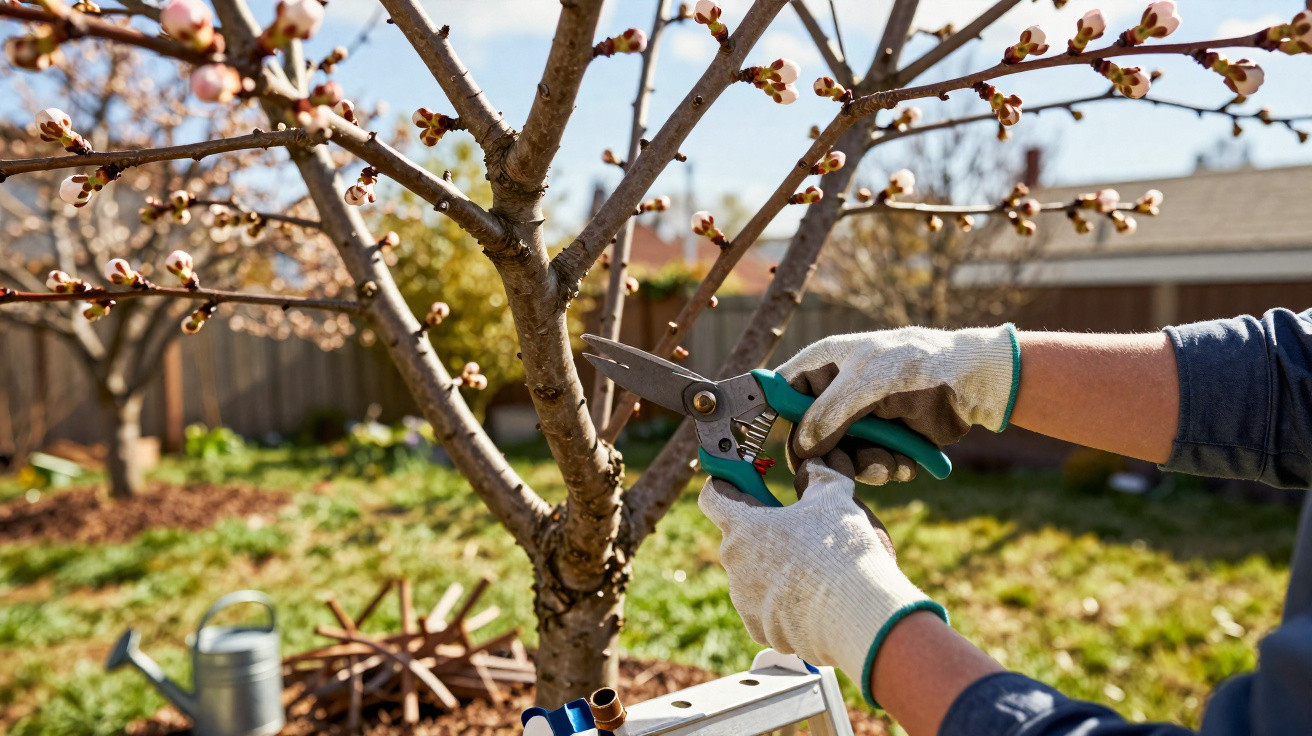
Anyone hoping for bowls full of sweet cherries year after year is often disappointed: plenty of foliage, but very little fruit. The answer is not expensive fertiliser from the garden centre, however, but one straightforward, targeted task that our grandparents already knew about – and which needs doing now, at the end of winter.
Why timing is crucial when pruning a cherry tree
Cherry trees begin their growing season very early. Long before you are thinking about barbecues or trips to the lake, the tree is already working at full speed. This is precisely when you can influence whether its energy goes into leaves or fruit.
The ideal time: just before the buds break
Late winter to the very beginning of spring offers a narrow window. Sap is already rising, yet the tree is still bare. At this point, you can see the entire crown, with no leaves hiding shoots or troublesome areas.
“Picking up the secateurs now shapes the whole season: less unnecessary growth, more energy for blossoms and cherries.”
If you wait until growth has begun, you lose valuable potential. By then, the cherry tree has already invested considerable energy in foliage and long shoots. Pruning later is more likely to weaken it than improve the harvest.
First assessment: you should be able to see through the crown
Stand beneath the tree and look upwards. If the interior appears to be an impenetrable tangle, the crown is too dense. Very little light can reach the centre, and air cannot circulate properly.
Both cause problems:
- Cherries growing in the centre remain small and pale
- Damp, shaded areas encourage fungal diseases
- Wind takes longer to dry the leaves after rain or dew
A healthy cherry tree has a clear, open structure. You should be able to identify several stronger main branches, with gaps between them that allow sunlight and air into the crown.
The overlooked key: consistently remove excess growth from the crown
The old gardeners’ “secret” is not a magic formula, but disciplined thinning. Removing poorly placed shoots regularly gives the cherry tree more space, light and energy for producing fruit.
What needs removing: crossing and inward-growing branches
Branches within the crown often grow into one another. They rub together in the wind, causing the bark to split. These wounds provide ideal entry points for disease and rot.
The rule is simple: when two shoots cross or rub against each other, only one should remain. Keep the better-positioned branch – usually the one pointing outwards or appearing more stable – and cut the competing shoot off flush.
“Every troublesome branch removed prevents future damage and makes room for light and fruiting wood.”
Shoots that grow directly into the middle of the crown are equally unhelpful. They shade the interior and consume energy without significantly improving the crop. These can be removed as well.
Cut off the tree’s greedy “gourmet shoots”
A key issue is the so-called “gourmet shoots”: very long, perfectly straight, exceptionally vigorous shoots that rise vertically upwards – often directly from the trunk or thick main branches.
They present two problems:
- They usually bear no cherries, or very few
- They draw huge amounts of nutrients and water
These shoots behave like hungry “suction pipes” that the tree supplies as a priority. As a result, fruiting wood receives less, and flowering is weaker.
The solution is to remove these greedy shoots as low down as possible at their base. Do not leave stubs, as they often sprout again. Regularly taking out these shoots directs energy into more floriferous, more horizontal branches.
How to prune a cherry tree: precise like a surgeon, without fear
You do not need physical strength; you need careful judgement and clean tools. A few straightforward principles protect the tree and help prevent infection.
Tool check: clean, sharp and safe
Before climbing into the crown, pause briefly in the garden shed. Blunt, dirty or rusty equipment causes more harm than good.
For a typical cherry tree, you will need:
- Sharp hand secateurs for thinner shoots
- Loppers or a pruning saw for thicker branches
- Alcohol or disinfectant to clean the blades between working on several trees
Clean the cutting edges after every cut made on diseased areas. This prevents fungi or bacteria from spreading from one branch to another.
The correct cut: just above an outward-facing bud and at an angle
Each cut follows the same principle: make it slightly sloping, a few millimetres above a bud pointing outwards. The angle allows rainwater to run off rather than collect on the bud.
“A clean, angled cut heals more quickly, reduces rot and guides growth outwards rather than into the centre of the tree.”
For substantial branches, it is best to work in two or three stages so that the bark does not tear: first reduce the weight, then make the final cut just above the branch collar.
What changes inside the cherry tree after pruning
Once the work is done, the tree may look dramatically different: open, orderly and clearly structured. That is exactly the aim. The crown can breathe, with consequences for the season ahead.
Less wood, more cherry: how the tree redistributes its energy
When you remove dead wood, upright suckers and the dense growth in the middle, something important happens within the tree: the sap is concentrated in the remaining shoots carrying flower buds.
The plant no longer has to support unproductive masses of growth. Instead, more energy is directed into blossoms, fruit set and fruit development. This results not only in more cherries, but also in better quality: more aromatic, larger and more evenly ripened.
More light, more air: natural protection against disease
A thinned crown allows sunlight to reach the centre. The fruit colours more evenly as a result, while the wood dries more quickly after rain. Damp, poorly ventilated conditions in which fungi thrive are prevented from developing in the first place.
At the same time, wind can pass more easily through the tree. This dries leaves and fruit, reducing scab, Monilia and other common fruit-tree diseases – entirely without chemical treatments.
Extra tips for a strong cherry tree
Pruning provides the foundation. A few additional measures will help you get even more from your tree without overburdening it.
Soil, mulch and water: quiet support from below
The ground beneath the crown is the tree’s supply centre. Looking after this area supports the crown indirectly.
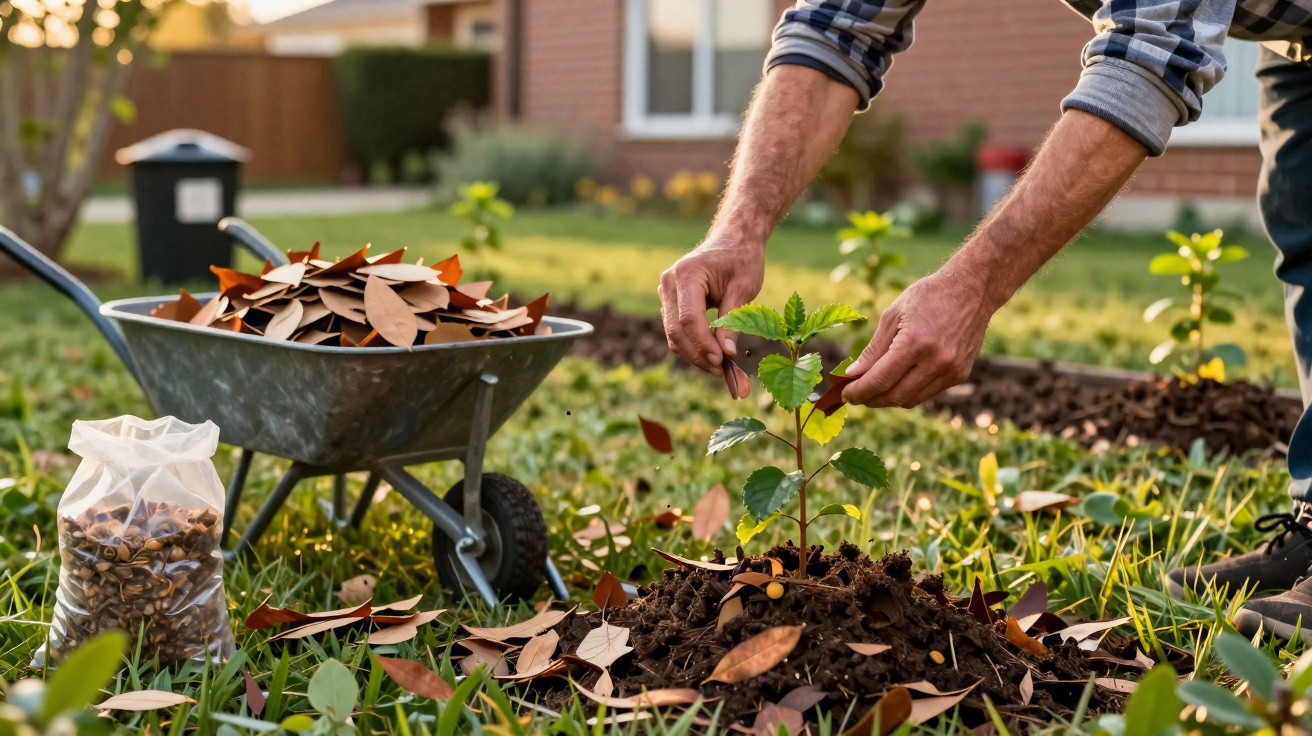
- A mulch layer of chipped branches or leaves keeps the soil moist and stimulates soil life.
- Moderate watering during prolonged dry spells supports fruit production; waterlogging must be avoided at all costs.
- Restrained feeding with compost rather than strong mineral fertiliser promotes fruiting wood instead of excessive shoot growth.
Too much nitrogen pushes the tree towards leaf growth. The result is lots of green growth but a poor yield, regardless of how well it has been pruned.
Common mistakes that cost you the harvest
Many amateur gardeners make mistakes through excessive caution: they either do not prune at all or only cut back the tips, fearing they will harm the tree. The usual consequences are:
- An increasingly dense crown
- More fungal problems
- Irregular or weak crops
Another classic mistake is radically cutting back old trees in a single year. Cherry trees respond to excessively harsh pruning with a flood of new upright shoots. A gradual rejuvenation over several years is the better approach.
Why this old gardening trick is worthwhile every year
Once you have become accustomed to a March inspection and targeted cherry tree pruning, you will not want to be without it. Working in the still cool, crisp air and examining every branch closely sharpens your eye for your own garden.
Over time, it also creates a kind of dialogue with the tree: you learn which branches bear fruit, where the crown is becoming dense and how strongly the tree grew in the previous year. An anonymous fruit tree becomes a familiar partner that takes better shape with every cut.
Then, when the first big harvest arrives in summer, it becomes clear what that one seemingly simple spring task has achieved. Anyone who has seen a previously tired cherry tree virtually burst with fruit again after thoughtful pruning understands why this old gardening trick should never have been forgotten.

Comments
No comments yet. Be the first to comment!
Leave a Comment