
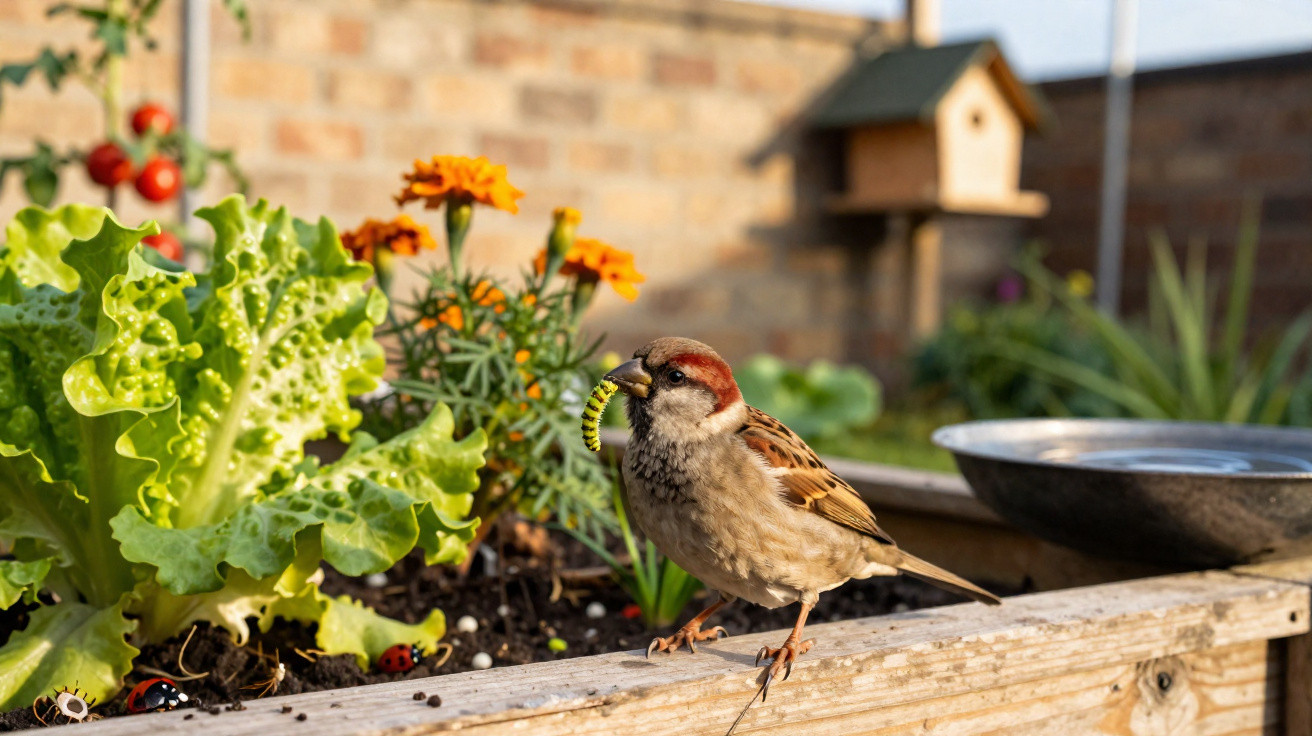
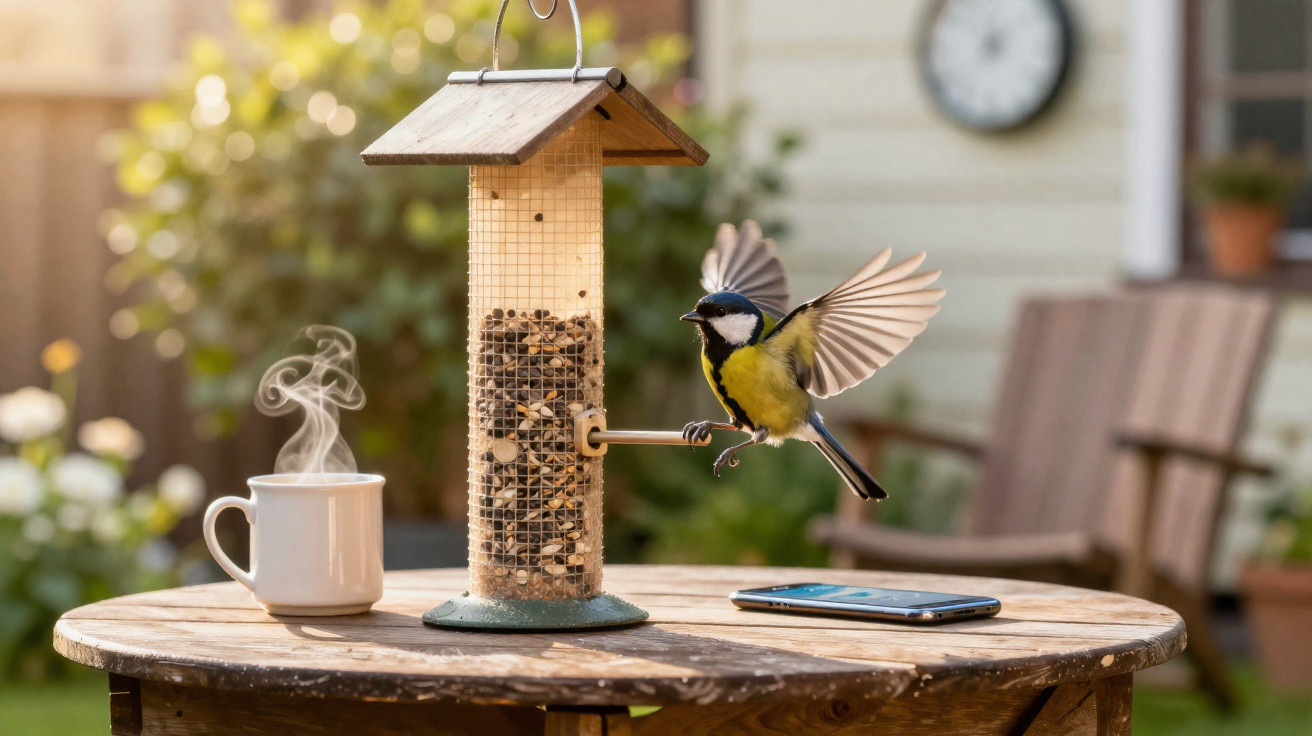
When people picture birds in the garden, they usually think first of colourful tits or the much-loved robin with its orange-red breast. Another, far more commonplace visitor is often overlooked – or even deliberately chased away. Yet the Ligue pour la protection des oiseaux (LPO), France’s equivalent of German nature conservation organisations, points out that this particular bird is an important garden helper and deserves much greater appreciation.
From “pest” to unsung garden expert
For decades, the house sparrow, more commonly called the sparrow, was viewed as a nuisance to agriculture. It pecks grain and seeds in fields, searches for food in farmyards and is also rather noisy. That image remains firmly established in many people’s minds.
Conservationists now make it clear that this judgement was hasty – and based above all on a one-sided economic view. Anyone who sees sparrows merely as grain-eaters entirely overlooks the contribution they make to the natural balance.
Sparrows do not eat grain alone – in summer, they consume huge quantities of insects and their larvae, noticeably easing the pressure on the garden.
Their importance becomes especially apparent in a wildlife-friendly garden. Here, the small bird forms part of a carefully balanced system: where sparrows are present, insect populations are less likely to get out of hand, with direct benefits for plants, harvests and even the enjoyment of outdoor spaces.
Why the sparrow is an underestimated garden ally
While we tend to admire the more photogenic species, the sparrow works largely unnoticed. Its diet is not limited to seeds; it combines seeds and buds with, above all, insects. Its food choices during the breeding season are particularly significant.
A miniature insect hunter
When sparrows are raising young, grain alone is no longer enough. Nestlings need protein in order to grow quickly. This is precisely what makes sparrows especially valuable in gardens:
- They gather caterpillars, mosquito larvae and other soft-bodied insects for their chicks.
- They also eat aphids, which would otherwise weaken young shoots and roses.
- They deliberately search hedges, gaps in walls and the undersides of leaves for larvae.
What may look like an innocent bird’s outing is actually intensive pest control. A pair of sparrows feeding a hungry brood can remove thousands of insect larvae from a garden over the season.
An ecosystem stabiliser outside the back door
Nature conservation experts stress that no species is inherently “harmful” to nature, provided ecosystems have not already been thrown out of balance by people. This applies on both a small and a large scale – including in your own garden.
Sparrows help keep insect numbers within “tolerable limits”. In other words, there are still enough insects for other animals, but not so many that they cause serious damage to crops or ornamental plants. For gardeners, this offers clear advantages:
- fewer aphids on roses, fruit trees and perennials
- reduced caterpillar pressure on vegetables such as cabbage or lettuce
- a better balance, meaning chemical treatments are needed less often
Anyone who tolerates sparrows is also creating a biological “insurance policy” against insect infestations – free of charge and without poison.
Why sparrows are so closely linked to people
The house sparrow is a classic human-associated species. It has lived in close proximity to people for centuries, nesting on houses, farms and in stables. In many neighbourhoods, its morning chatter is simply part of everyday life.
However, this closeness has also harmed it: renovated façades without recesses, paved-over yards, closely mown lawns and gravel gardens deprive sparrows of nesting sites and food. In some towns and cities, populations are already declining noticeably.
What you can do specifically for sparrows
Making your garden more sparrow-friendly does not require expensive measures. Even small changes can give these birds better prospects.
| Measure | Benefit for sparrows |
|---|---|
| Plant hedges and shrubs | Provide cover, roosting places and insects as a food source |
| Put up nest boxes or sparrow terraces | Replace missing wall crevices and roof gaps on renovated homes |
| Leave a few areas “untidy” | Retains seed supplies, insect hiding places and nesting material |
| Avoid insecticides | Protects the food supply for adult birds and young |
| Provide water all year round | Helps birds during hot spells and attracts them into the garden |
Following these steps supports not only sparrows, but also a whole range of other species – from tits and blackbirds to insects and small mammals.
Common gardeners’ concerns – and what actually happens
Many garden owners feel uneasy when an entire flock of sparrows suddenly lands in a flowerbed. Their fear is that the birds will clear out freshly sown areas or ruin flowers. A closer look puts these worries into perspective.
Do sparrows really eat all the vegetables?
Sparrows do peck at seeds, especially when they are exposed on the soil surface. In a varied garden with plenty of plants and insects, however, this feeding is spread out. Damage is usually limited to isolated spots – and is generally offset by the birds’ value as insect hunters.
Practical ways to limit damage without driving them away include:
- Cover fresh sowings with horticultural fleece or lightweight netting.
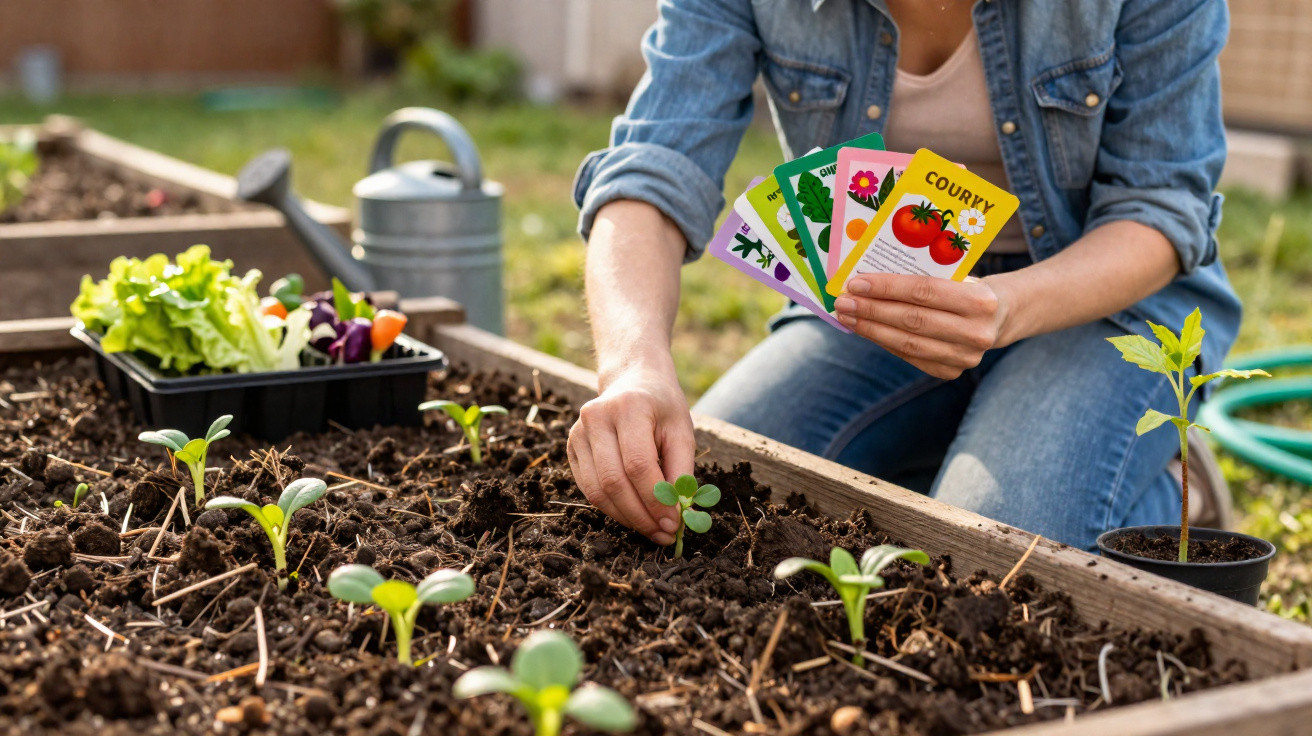
- In raised beds, lightly cover seed rows with compost or soil.
- Check whether sparrows really are responsible – slugs or mice are often the cause instead.
Those who do not immediately reach for a scare balloon or reflective tape soon find that most gardens cope perfectly well with sparrows’ behaviour.
How sparrows strengthen biodiversity in built-up areas
In many towns and villages, sparrows are so familiar that their contribution to biodiversity barely registers. Specialists point out that every animal species fulfils a particular role. The sparrow performs several at once:
- predator of insects and larvae
- seed disperser, carrying seeds from place to place
- prey for birds of prey and cats, and therefore part of the food chain
When sparrow populations decline, gaps emerge. Insects can then multiply more strongly, while kestrels or sparrowhawks lose prey. Gardens become less full of life, even if they appear tidy at first glance.
A living garden needs not only flowers, but also the “commonplace species” such as the sparrow, which help keep the system stable every day.
Why this is a particularly favourable time for sparrows
With the first warm days, courtship and breeding activity begin in the garden. Budding trees, rising insect numbers and lengthening days all work in favour of sparrows and other birds. Anyone who now consciously avoids toxic substances and leaves garden structures in place is laying the foundations for a lively summer garden.
Listen carefully and you will notice that sparrows are almost always close to people. They perch along roof edges, dart through bushes and collect blades of straw from the ground. Behind this bustling activity lies a sophisticated survival strategy – one from which our gardens also benefit.
Rather than shooing the next sparrow away from a flowerbed, it is worth changing perspective: the little bird may look unremarkable, but day after day it helps create a stronger, more resilient garden ecosystem. That is exactly what we need more than ever in an age of climate stress, new pests and increasingly dry summers.
Comments
No comments yet. Be the first to comment!
Leave a Comment